The 9 Best Multi Zone Amplifiers
Updated by · How we research

Matrix, streaming and 70-volt commercial amps compared by zones, power per room and app control. The Dayton Audio MA1280 leads for wired whole-house systems. When users buy our independently chosen editorial recommendations, we may earn commissions to help fund the Wiki.
Many multi-zone amplifiers supply power and nothing else, with no streamer, app or room volume controls, so a plain amp still needs wall knobs or a controller to run a whole house. These amps feed several pairs of speakers from one closet or rack, for homeowners wiring ceiling speakers and for shops that want music and paging in separate areas.


Editor's Notes
October 27, 2026, by Ezvid Wiki Admin:
The Dayton Audio MA1280 is the new first choice for wired homes. It succeeds the Dayton Audio MA1240A, which led this list for years, with more power per channel and shared bus inputs, and it keeps Dayton's five-year warranty.
Four old picks were home theater receivers: the Denon X3600H, Marantz SR7013, Yamaha RX-V685 and Sherwood RX5502. They can send sound to a second room, but they aren't multi-zone amplifiers, so they're gone. The Niles SI-1230 and VSSL A.3 were dropped because of availability concerns, the OSD Audio PAM245 listing now points to a different amp, and the Pyle PT8050CH is a party mixer whose power claims we couldn't trust. The Axium Mini4 stays.
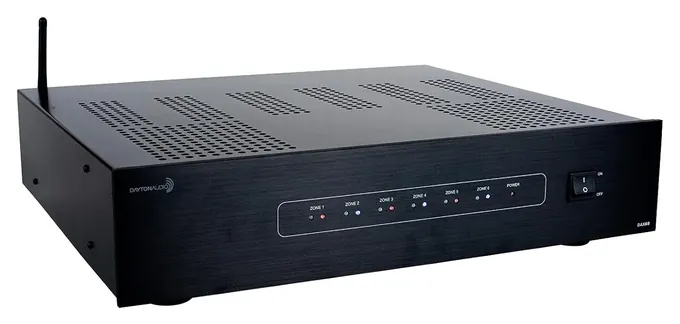
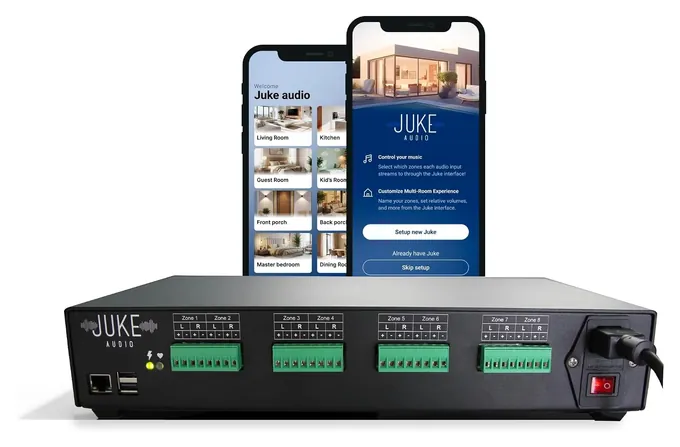
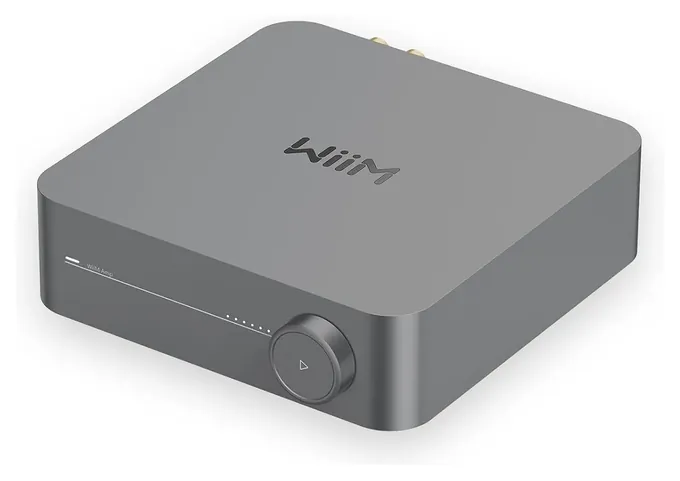
New picks cover the three ways people build these systems: app-run matrix amps like the Soundavo WS66i and Dayton Audio DAX88, streaming amps like the Juke Audio Juke-8 and WiiM Amp, and commercial units like the Rockville RCS180-6 for stores. Our evidence was makers' power ratings and manuals, read against installer forum threads and trade-press announcements, and we weighed rated power into 8-ohm speakers over the peak wattage printed on boxes.
November 24, 2020:
There are two prominent types of amplifiers that offer multi-zone configurations. Some, like the Denon X3600H, are full-on high-end AV receivers, and in the case of the Denon as well as the Marantz SR7013, you can be sure you're getting a very high-quality piece of equipment. The same can be said for the Yamaha RX-V685, although it doesn't quite have all the same bells and whistles as the other two.
Very commonly, though, multi-zone amplifiers are sought out by custom installers, and that type doesn't involve video connections at all, but only audio. Most home users will be satisfied by the Dayton Audio MA1240a due to its impressive price-to-performance ratio, although if you don't need a ton of channels, you might get by with the highly affordable Sherwood RX5502. If you don't need super-high volume, or if you're okay with getting extra units to power a larger number of speakers, the Axium Mini4 is a very interesting choice, and in fact there aren't many like it on the market. If money is no issue, the VSSL A.3 is hard to beat, and it's both reliable and especially easy to use, even if the rest of the family isn't very technologically inclined.
If you're looking into something other than a home installation, there are some worthwhile models you should consider. The OSD Audio PAM245 is impressively well-priced for what's essentially a commercial unit, while the Pyle PT8050CH would be good for a party or karaoke setup, for example. Then there's the Niles SI-1230, which is actually a reasonably famous amplifier, and while it seems basic, there are good reasons why it has the reputation it does, among them its high reliability and essentially nonexistent noise floor.
May 16, 2019:
Noticed that the Emotiva A-800 was not currently available, so we had to take it off the list. Upon review, we decided to remove a few additional items from the list, including the Russound P75 (several instances of units dying within a few months) and the Pyle 6-Channel (users noted its low quality, with multiple reports of overheating and even one detailing significant smoking, creating a fire hazard).
To replace the eliminated items, we added some high-quality options. For a whole-house system with 12 channels and six zones, the Dayton Audio MA1260 seems to be an excellent value. It produces crisp sound and plenty of volume, and users appreciate that it doesn’t generate much heat.
The Sonos Connect is a nice, modern addition that allows you to wirelessly stream from audio platforms like Pandora, Apple Music, Spotify, and Amazon Music to rooms all over your house. Its ease of use is a huge selling point — you can control the zone, source, volume, and even per-room settings from your smartphone. We also added the OSD Audio PAM245 — a versatile choice, as it allows you to choose from three different versions and comes with a remote control. Users find its simple setup process helpful as well.
Special Honors
HTD Whole-House Audio Home Theater Direct sells its own whole-house systems direct, including Lync controllers with wall keypads and a phone app, paired with its multi-channel amplifiers. It suits do-it-yourself installers who want a keypad in every room without hiring an integrator. htd.com
AudioControl Architect Series AudioControl's Architect amplifiers are sold through custom installers. The P models are rated at 100 watts per channel into 8-ohm speakers with all channels driven, in 12- and 16-channel versions, and the EQ models add a five-band equalizer for each zone to tame ceiling speakers. Expect to pay more than for the amps above. audiocontrol.com
Plain Amps, Matrix Amps And Streaming Amps
It has no app, no streamer and no volume knobs, so each room needs a wall volume control, or the amp sits behind a separate controller.
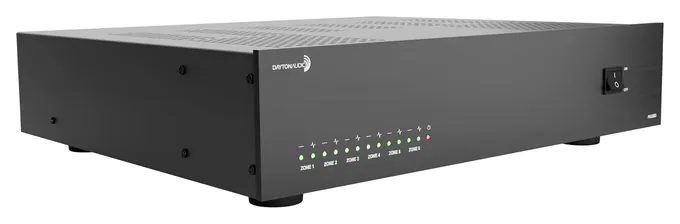
A plain multi-zone amp is only power. The Dayton Audio MA1280 has 12 channels, enough for six stereo rooms, plus two shared bus inputs so several rooms can play the same source. It has no app, no streamer and no volume knobs, so each room needs a wall volume control, or the amp sits behind a separate controller. That route costs less per watt and is easy to service, because a failed controller doesn't take the amplifier with it.
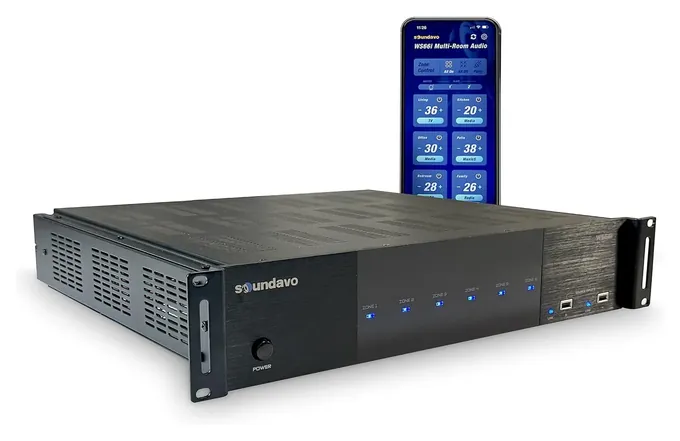
A matrix amp adds the switching: any source to any zone, chosen from an app, keypad or remote. The Soundavo WS66i routes six sources to six zones and builds in two streamers, and the Dayton Audio DAX88 handles eight of each over Wi-Fi.
A streaming amp makes every zone its own network speaker, so phones send music straight to a room. One-room boxes such as the WiiM Amp or the Sonos Amp group rooms in their apps, and you buy one per room. If the search that brought you here was for a multi-zone audio controller, that is the matrix or streaming layer, and some systems sell it apart from the amplifier.
Power Per Zone, Speakers And Bridging
Judge power by watts per channel into 8-ohm speakers with all channels driven. Home matrix amps run about 25 to 80 watts per channel, and 25 to 40 watts is enough for ceiling speakers in an average room. Figures in the thousands of watts on budget amps are peak or summed numbers and say little about loudness.
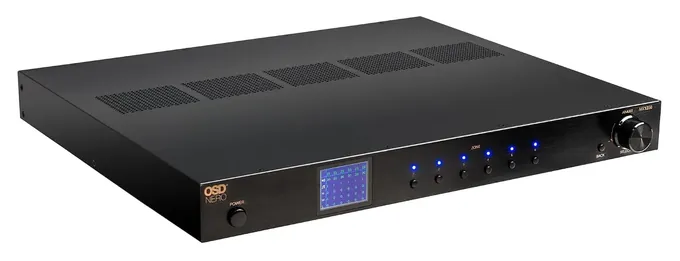
Read the fine print on headline numbers. The WS66i is advertised at 100 watts per zone, but that's its bridged mono figure; in stereo it's 25 watts per channel into 8 ohms. The OSD Nero MX1250 is rated at 25 watts per channel into 8 ohms and 50 into 4 ohms, and only its sixth zone bridges.
Bridging joins two channels into one stronger mono channel. It suits a single speaker in a zone, such as a stereo-input ceiling speaker or a subwoofer, and most amps want 8-ohm loads when bridged. Running two pairs of speakers on one zone halves the impedance in parallel, so check that the amp is rated for 4 ohms, or use an impedance-matching volume control. Give rack amps open air above and below, since class D amps still get warm with every channel busy.
70-Volt Systems For Shops And Restaurants
Stores, cafes and offices usually run a 70-volt system instead. Each speaker has a transformer with taps, such as 10, 5 or 2.5 watts, and dozens can hang on one long wire run. You size the amp by adding up the taps and leaving headroom (Harman Professional). Low-impedance home speakers sound better but only work a pair or two per zone over shorter runs (SoundPro; Generation AV).
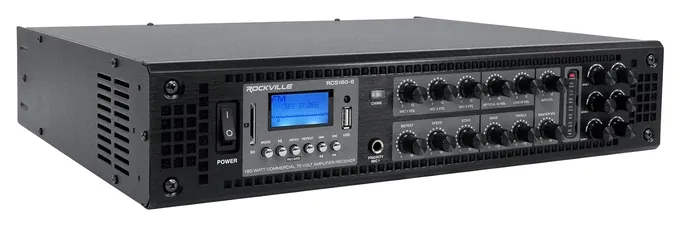
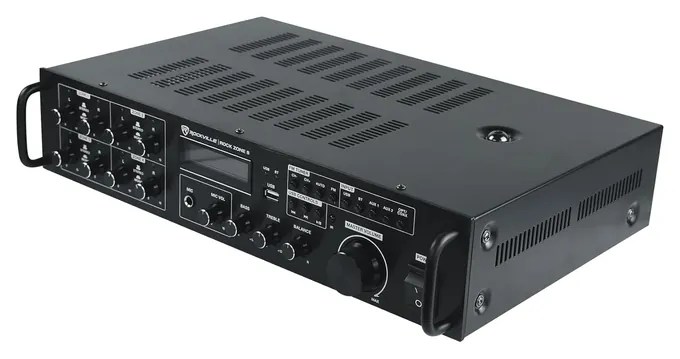
A commercial mixer-amp like the Rockville RCS180-6 adds microphone inputs, a chime and a volume knob for each area, which is what a restaurant needs for music plus announcements. Its sound is tuned for speech and background music, not for a living room.
For any install, use speaker wire rated for in-wall runs (marked CL2 or CL3) and check local code. Register your amp so you hear about recalls: Russound recalled its MCA-88 multizone amps for a fire hazard in 2023 (CPSC). None of the brands on this list had a recall when we checked.
How we researched this
We compared 17 multi-zone, matrix, streaming and commercial amplifiers, read the makers' spec sheets and product pages for the 9 finalists, analyzed owner reports on installer forums, and checked every brand against U.S. Consumer Product Safety Commission recalls. We found no independent lab tests of multi-zone amplifiers, so power figures are the makers' ratings into 8-ohm speakers, not peak claims.
Sources (10)
- Dayton Audio: MA1280 product page
- Dayton Audio: DAX88 product page
- Soundavo: WS66i product page
- OSD Audio: Nero MX1250
- Rockville: RCS180-6
- Axium: amplifiers
- Harman Professional: guide to constant-voltage systems
- SoundPro: 70V vs low-impedance ceiling speaker zones
- Generation AV: Hi-Z and Lo-Z
- CPSC: Russound MCA-88 recall
Frequently asked questions
What is a multi-zone amplifier?
One amplifier with several stereo outputs, one per room or area. Each zone gets its own volume, and matrix models also let each zone pick its own source.
Can each room play different music?
Only with a matrix or streaming amp, such as the Soundavo WS66i, Dayton Audio DAX88 or Juke Audio Juke-8. A plain amp like the Dayton Audio MA1280 plays whatever its inputs are fed, so it needs a separate source or controller per room.
How many watts per zone do I need?
For ceiling speakers in an average room, 25 to 40 watts per channel into 8 ohms is plenty. Large rooms, outdoor speakers or floor-standing pairs benefit from 60 to 80 watts.
Can I use a home theater receiver instead?
A receiver with Zone 2 or Zone 3 outputs can cover one or two extra rooms, but it isn't built to power six to twelve rooms at once. For a whole house, a dedicated multi-zone amp is the better fit.
What amplifier do I need for music in a store or restaurant?
A 70-volt commercial amp such as the Rockville RCS180-6 lets many ceiling speakers share long wire runs and adds paging inputs. Add up the speaker taps and keep the total under the amp's rating.