The 10 Best Climbing Helmets
Updated by · How we research

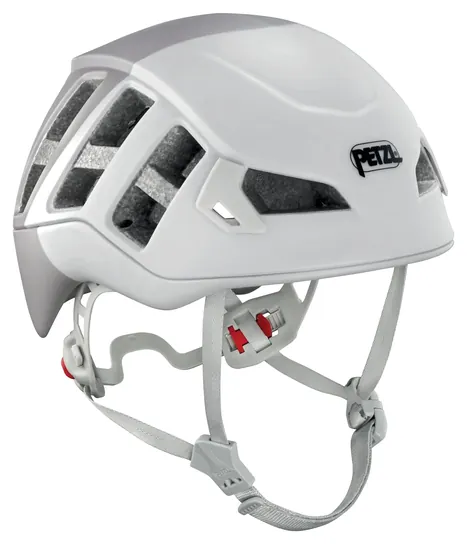
Ten climbing helmets compared on weight, toughness, fit and safety approvals. The Petzl Meteor leads for pairing a light build with a hard, scrape-proof skin. When users buy our independently chosen editorial picks, we may earn commissions to help fund the Wiki.
A climbing helmet is built for a rock dropping from above and a swing into the wall, which is why a bike helmet is no substitute. Look for the EN 12492 or UIAA mark inside. Hard shells shrug off rough handling and suit newer climbers, while foam builds save weight on long routes. Retire any helmet after a hard hit.


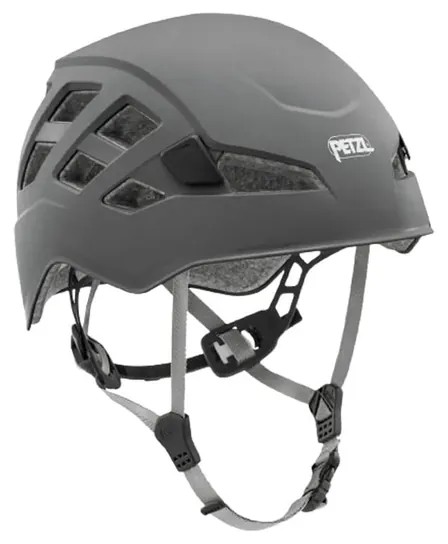
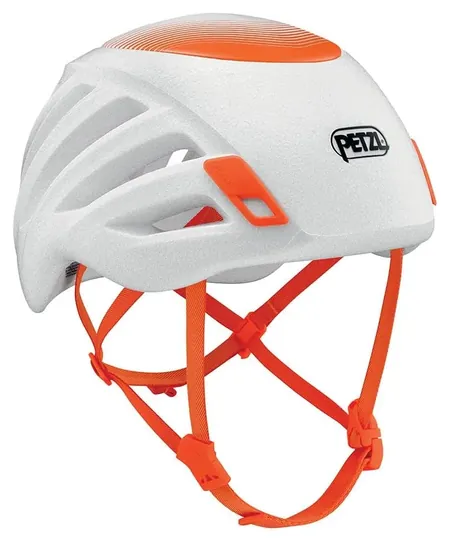
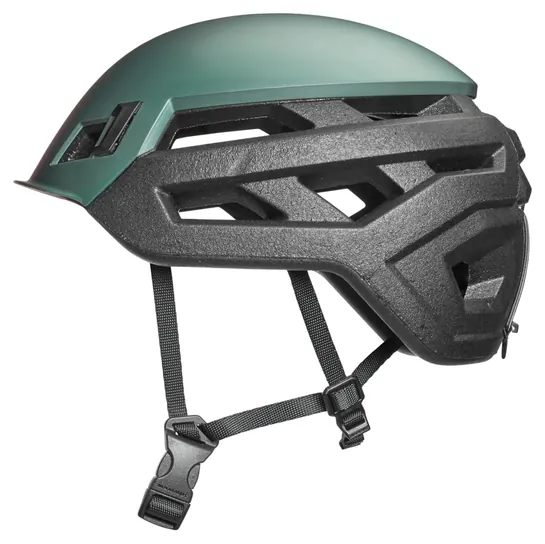
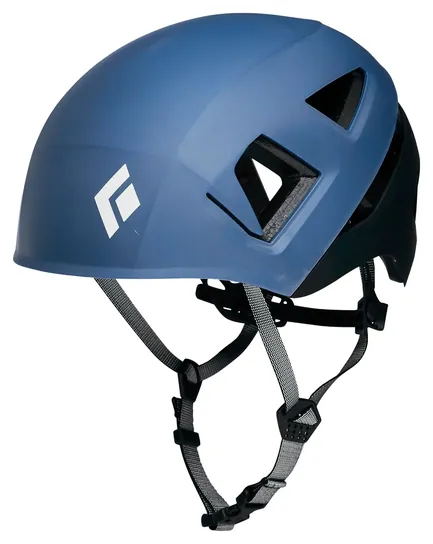
Editor's Notes
November 1, 2026, by Ezvid Wiki Editors:
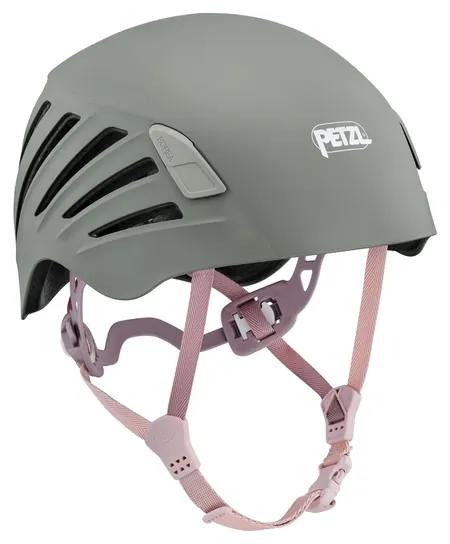
The Petzl Meteor leads this list because it's the rare light helmet with a hard skin over nearly all of its foam, so it survives the bottom of a pack. The old list took a broad view of climbing and included a lineman's hard hat. This version sticks to helmets made for rock, ice and mountain routes, and half of the old picks didn't make it back. The Petzl Elia has been replaced by the Petzl Borea, and the Mammut Skywalker 2 gave way to a version that testers marked down for fit and airflow. The Edelrid Madillo and the Fusion Meka couldn't be found new in climbing form, and the MSA Nexus Linesman is a utility hard hat.
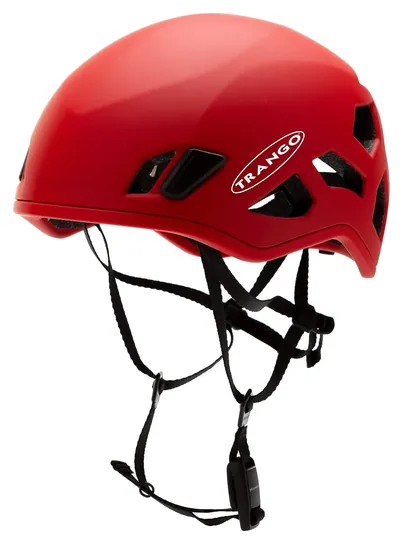
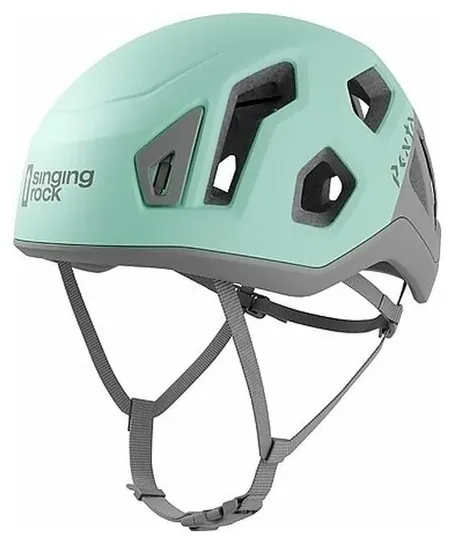
New picks cover readers the old list missed: the Petzl Boreo and Black Diamond Capitan for tough, low-cost shells, the Petzl Sirocco for counting grams, and the Trango Halo for small heads. The Singing Rock Penta 2 replaces the original Penta.
To choose, we set Petzl's and Black Diamond's spec pages against the helmet rankings from OutdoorGearLab, Switchback Travel and Outside, and searched the CPSC recall database, which lists no recalls for any of these helmets.
Earlier notes
December 28, 2018, by Chase Brush:
In putting this ranking together, we took a fairly broad approach to the category of "climbing", taking it to refer to any activity that involves vertical travel. Thus, we included one or two options that you might not normally find on a strictly adventure sport-climbing list -- the MSA Nexus Linesman, for example, can be used both for wilderness rescue as well as urban construction work. But for the most part, the models featured are specifically designed for climbing rock in all its formations, and vary between hard shell varieties that offer more durability, and soft shell foam options that offer more comfort and versatility.
Special Honors
Black Diamond Vision Switchback Travel named the Vision its best overall climbing helmet, and OutdoorGearLab calls it the best overall too. It's a light foam design with a polycarbonate skin, sold in a version with a slip layer. We couldn't find it in stock at a fair price for our main list, so check Black Diamond's own store. blackdiamondequipment.com
Hard Shell, Hybrid Or Foam
EPP foam flexes and springs back after a knock, while EPS crushes to absorb a hit and then stays crushed.
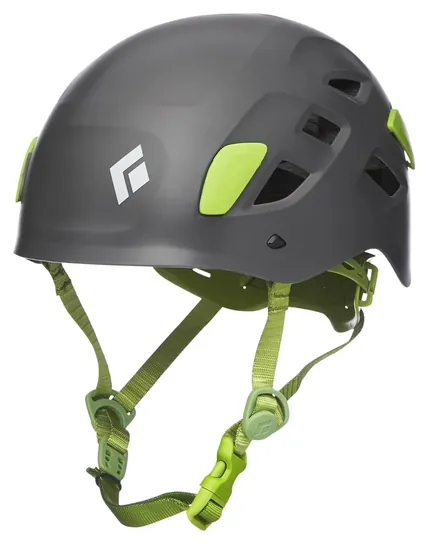
Climbing helmets come in three builds. A hard shell is a thick ABS plastic cap over a foam liner. The Black Diamond Half Dome and Petzl Boreo are typical, at about 300 to 356 grams. They shrug off being stuffed in a pack, sat on or dragged up a chimney, and they cost the least. The catch is weight and heat.
A hybrid uses a thin polycarbonate skin bonded to foam, like the Petzl Meteor at 235 to 245 grams. Foam-first designs go further, with only a small hard cap on top. The Petzl Sirocco weighs 160 to 170 grams. These are cooler and lighter but dent and scuff more easily, and they cost more.
The foam matters too. EPP foam flexes and springs back after a knock, while EPS crushes to absorb a hit and then stays crushed. Many helmets use both. Switchback Travel suggests a hard shell for beginners and gym climbers heading outside, and a lighter build once you're doing long multi-pitch or alpine days. Some models, such as the Black Diamond Vision and Mammut Wall Rider, also come in versions with a slip layer meant to cut rotational forces; OutdoorGearLab treats that as a bonus, not a must.
Getting The Fit Right
A helmet that slides around won't sit where it needs to when a rock hits. Measure your head with a soft tape about an inch above your eyebrows and around the widest part at the back, then check it against the maker's size chart. The Petzl Boreo comes in two sizes, 48 to 58 and 53 to 61 centimeters, while the Petzl Borea comes in one size, 52 to 58 centimeters.
Once it's on, the helmet should sit level, with the front just above your eyebrows, and it shouldn't tip back when you shake your head. A rear dial is the fastest way to adjust; webbing sliders are lighter but take longer to set. Long hair is easier with a notched headband like the Borea's. Check for headlamp clips if you climb early or late.
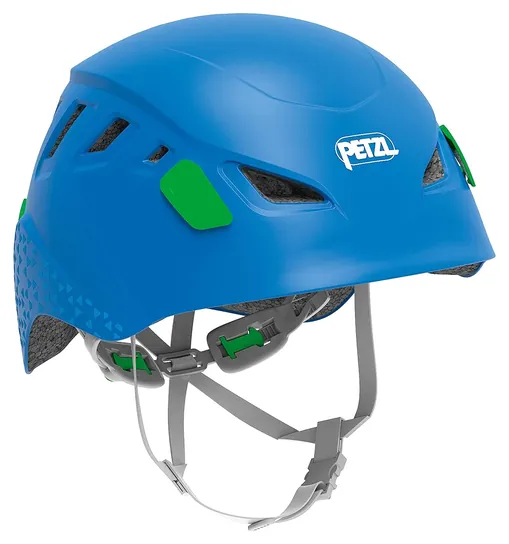
Kids need a helmet made for their heads. The Petzl Picchu fits 48 to 54 centimeters and is certified for both climbing and cycling, which most climbing helmets are not.
Certification, Care And When To Retire It
Look for the CE EN 12492 mark, and ideally the UIAA label, on the sticker inside. EN 12492 is the European standard for mountaineering helmets. It tests for a weight dropped on top, for blows to the front, sides and back, and for the chin strap holding. The UIAA runs a similar program. A bike helmet meets a different test and isn't a substitute, unless it is certified for both, as the Picchu is.
Ski mountaineering now has its own European standard, EN 18100. Petzl states that the Meteor and Sirocco don't meet it, so check before you use any climbing helmet for skiing.
Store the helmet out of the sun and away from solvents, and don't add stickers or paint. Don't sit on a foam helmet or strap heavy gear to it. Petzl and most makers suggest retiring a helmet after any hard impact, a visible crack or about 10 years from its manufacture date, which is printed inside, and sooner with heavy use.
How we researched this
We compared 21 climbing helmets, read Petzl's and Black Diamond's spec pages for the finalists, weighed the helmet rankings from OutdoorGearLab, Switchback Travel and Outside, looked at patterns in owner feedback, and checked every brand against the CPSC recall database.
Frequently asked questions
Can I use a bike helmet for climbing?
No. Bike helmets are tested for a fall onto the road, not for rocks dropped from above. Use a helmet certified to EN 12492 or UIAA. The Petzl Picchu for kids is one of the few certified for both.
How long does a climbing helmet last?
Most makers suggest about 10 years from the manufacture date printed inside, less with heavy use or lots of sun. Replace it at once after a hard hit or if you see a crack.
Should a beginner get a hard shell or a foam helmet?
A hard shell such as the Petzl Boreo or Black Diamond Capitan is a good start. It costs less and survives being dropped and packed. Move to a lighter foam build once weight starts to matter on long routes.
Do I need a helmet with a slip layer?
It's optional. Some helmets add a low-friction layer meant to reduce rotational forces in an angled hit. Testers count it as a plus, but every helmet here is certified without one.
Can I wear a climbing helmet for skiing?
Only if it's certified for it. Ski mountaineering has its own standard, EN 18100, and Petzl states the Meteor and Sirocco don't meet it.