The 9 Best Clinometers
Updated by · How we research

Sighting clinometers, slope-reading compasses and tilt gauges for forestry, hiking, trucks and boats. The Suunto PM-5/360 PC leads for tree heights and grades. When users buy our independently chosen editorial choices, we may earn commissions to help fund the Wiki.
Most slab avalanches release on slopes of 30 to 50 degrees, which is why backcountry skiers carry a clinometer, and foresters use the same tool to work out a tree's height from a measured distance. This list covers handheld sighting clinometers, compasses with a slope scale, and gauges that show how far a truck, roof or sailboat leans.


Editor's Notes
October 26, 2026, by Ezvid Wiki Admin:
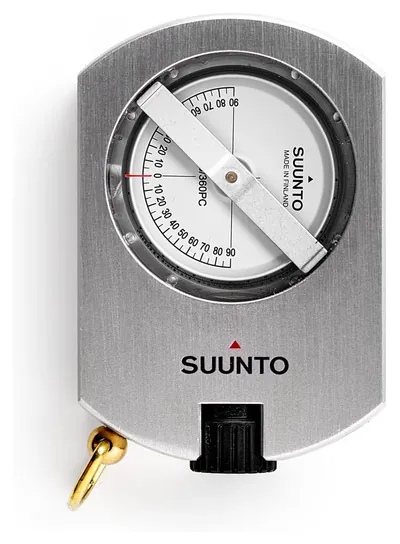
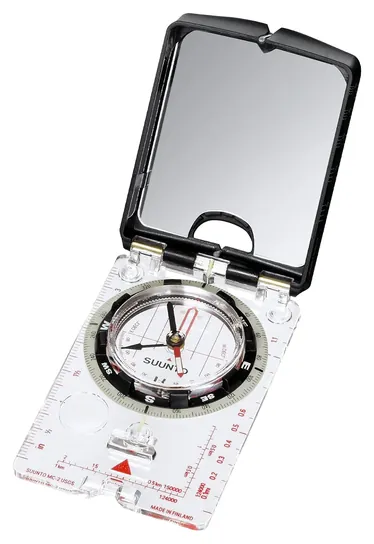
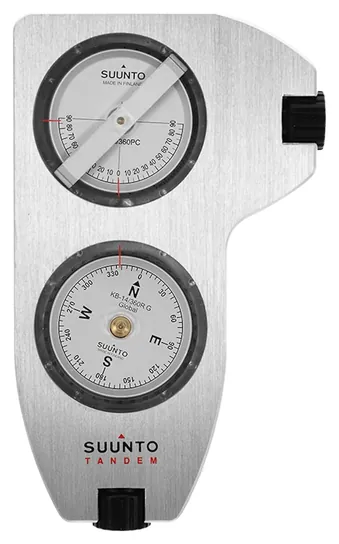
The Suunto PM-5/360 PC now leads, because the old list had no dedicated sighting clinometer at all, and that's the tool forestry and survey suppliers put first. Suunto also makes the Suunto MC-2 for hikers and the Suunto Tandem 360PC/360R G for crews who want a compass in the same body.
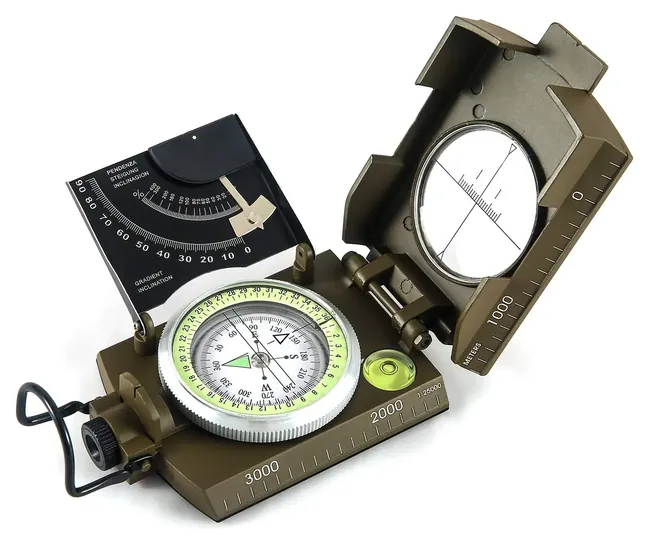
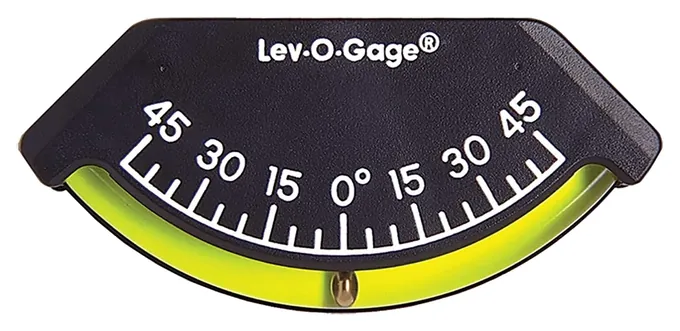
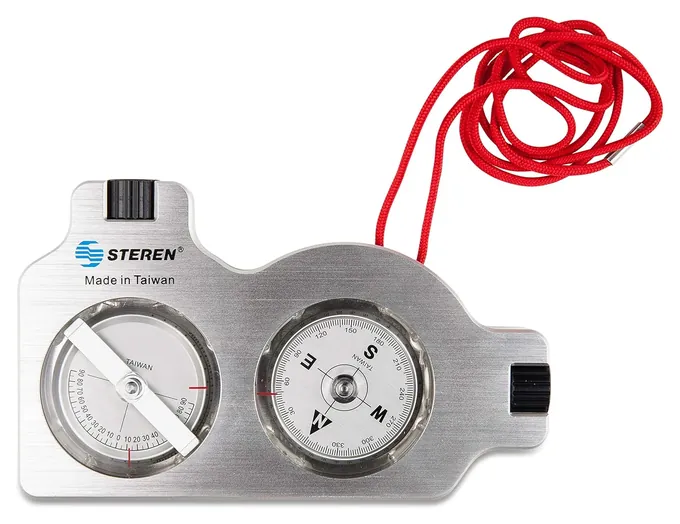
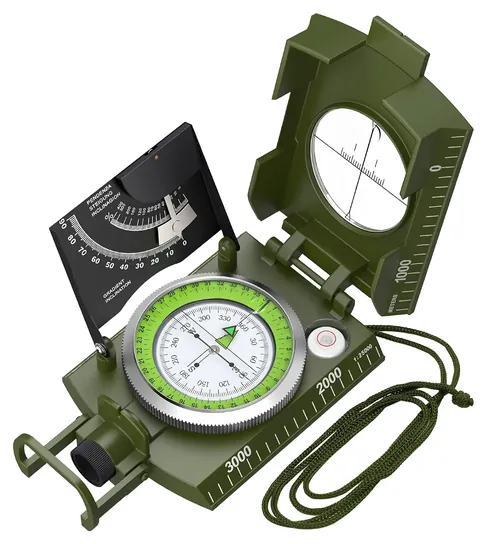
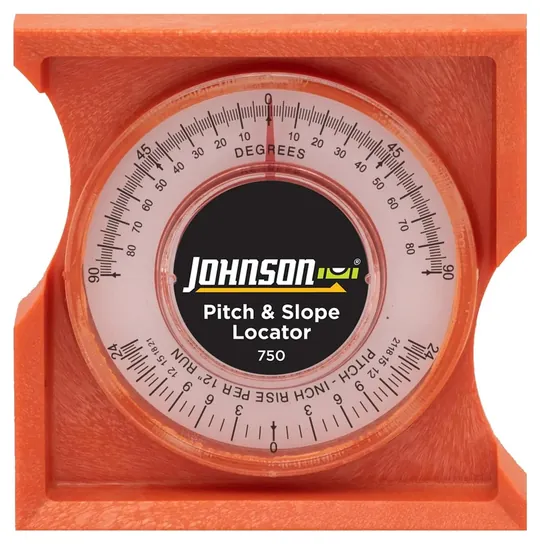
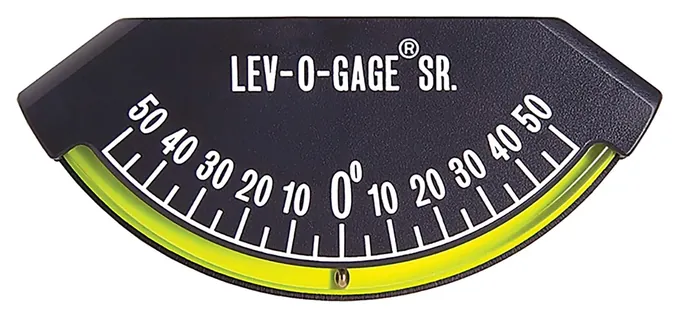
The Steren 203-661, Proster Lensatic Compass and Sun Company Lev-o-gage stay. New are the Eyeskey Sighting Compass, the Johnson 750 for roof pitch and the Sun Company Lev-o-gage Sr. Marine for sailors. The AdirPro Abney, Stanz, Smittybilt and VBestLife gauges are unavailable or gone, and the Didax, Advantage and Ueasy picks couldn't be found for sale. A popular Jeep pitch-and-roll gauge was left out after a steady run of complaints about readings that were off from the start.
Nobody seems to have lab-tested clinometers, so we leaned on Suunto's stated accuracy, forestry supply catalogs, an arborists' forum thread on measuring trees and the patterns in owner complaints about needles, weight and accuracy.
March 15, 2019:
Users should decide whether they want a dedicated clinometer or one that's part of a larger package, such as a compass. We defaulted towards valuing the latter, as extra features are always nice. That's why the Proster Professional and Steren 203-661 earned the top spots, but make no mistake, they'd be worthy of their rankings if they only sported clinometers. We included several mountable models for vehicle use; while they can help keep you from getting into a serious accident, we don't recommend pushing them to their limits.
Special Honors
Haglof Sweden Haglof makes electronic clinometers and height meters for professional foresters, including models that measure the distance to the tree for you, so there's no tape or pacing. They cost far more than an optical clinometer and are sold through forestry suppliers rather than general stores. haglofsweden.com
Brunton GEO Pocket Transit The Brunton Pocket Transit is the geologist's classic: a compass, clinometer and sighting tool in one folding metal case, built for measuring rock layers in the field. It's a professional instrument priced well beyond the picks above, and stock is often thin. brunton.com
Which Kind Of Clinometer Fits The Job
That suits hikers and skiers, but the scale is coarse, often good to a degree or two at best.
A clinometer, also called an inclinometer, measures the angle of a slope against gravity, in degrees or as a percent grade (Wikipedia). Three very different tools share the name, so start with the job.
A sighting clinometer is held to the eye. You look at a treetop, a ridge or a survey rod and read the angle off a card that floats in fluid. Foresters use these for tree height and road grades, and the old Abney level does the same thing with a bubble and a sighting tube (Wikipedia). Forestry suppliers such as Capital Surveying Supplies list the Suunto PM-5 series first.
A compass with a slope scale is a navigation tool that can also tell you how steep a hill is. That suits hikers and skiers, but the scale is coarse, often good to a degree or two at best.
A mounted tilt gauge sticks to a dashboard or bulkhead and shows how far a vehicle or boat leans. It sights nothing. A pitch locator like the Johnson 750 sits on a rafter or pipe. If you want a digital readout for woodworking or leveling, see our guide to digital levels instead.
Measuring Tree Height And Slope
Most forestry clinometers read two scales side by side. Degrees are what you'd expect. Percent is rise over distance times 100, so a 100 percent slope is 45 degrees. Suunto sells the PM-5 in versions that pair percent with either degrees (the 360PC) or a topographic scale in feet per 66-foot chain (the 66PC), so check the model code before you buy (Capital Surveying Supplies).
The percent scale makes tree height simple arithmetic. Pace or tape a level distance from the trunk, say 100 feet. Sight the top and read the percent, say 55. Multiply the distance by the reading as a fraction, which gives 55 feet, then add your eye height, about 5 feet, for a tree of about 60 feet. On a slope, take a second reading to the base and subtract it from the top reading (a reading below eye level counts as negative), then multiply by the distance. Arborists on Arbtalk describe it as the old stick method with better numbers, and it lets you measure tall trees from a small clearing.
For snow, the number to know is that most slab avalanches start on slopes between 30 and 50 degrees (Avalanche.org). A clinometer tells you the angle you're looking at. It says nothing about whether the snow on it is stable, so pair it with an avalanche forecast and training.
Accuracy, Care And When To Go Electronic
Clinometer accuracy figures come from the makers. Suunto rates the PM-5 to a quarter of a degree, with half-degree marks on the card. We found no lab comparisons of clinometers, so treat any claim on a budget compass as rough. Reading by eye, a fold-out slope arm is good to about a degree or two, which is plenty for a hiking trail and too loose for surveying.
Liquid-damped cards settle quickly and keep working without batteries. Keep compasses and clinometers with magnetic needles away from steel, phones and magnets, which can throw off the compass side. Liquid-filled capsules can form a small bubble in hard cold; it usually shrinks again once the unit warms.
Dash and boat gauges show lean while the vehicle sits still or crawls. Turning, braking and loose ground change the forces at play, so a vehicle can roll at a shallower angle than the gauge suggests. Treat these gauges as a reference, not a warning system.
For professional forestry, electronic clinometers and laser or ultrasonic height meters, called hypsometers, measure the distance for you (Wikipedia). Swedish maker Haglof's instruments run from several hundred to several thousand Australian dollars at forestry suppliers like Prospectors, which is why they aren't on this list.
How we researched this
We compared 21 clinometers, compasses with slope scales and tilt gauges, read the makers' published specs for the 9 finalists, checked forestry supply catalogs and an arborists' forum for how the tools are used in the field, analyzed patterns in owner feedback, and checked every brand against U.S. Consumer Product Safety Commission recall records. We found no independent lab tests of clinometers, so accuracy figures are the makers' own.
Frequently asked questions
What is a Suunto clinometer?
It's a small handheld sighting instrument from the Finnish maker Suunto. The PM-5 series is the best known: you hold it to one eye, sight a target and read its angle in degrees, percent or a topographic scale off a card floating in fluid. Foresters use it for tree height and slope.
Is a clinometer the same as an inclinometer?
Yes, for most buyers. Both words describe a tool that measures an angle of slope against gravity. Forestry and survey suppliers tend to say clinometer, while vehicle and industrial gauges are often sold as inclinometers.
How do you measure a tree's height with a clinometer?
Stand a measured, level distance from the trunk, sight the top and read the percent scale. Multiply the distance by the percent as a fraction, then add your eye height. On sloping ground, subtract the reading to the base from the reading to the top before multiplying.
Can a phone app replace a clinometer?
A phone can show a tilt angle from its motion sensor, and that's fine for a rough check. Sighting along a phone's edge is harder than looking through an eyepiece, and phones drain in the cold, so foresters and surveyors still carry optical clinometers.
How accurate is the clinometer on a hiking compass?
Roughly a degree or two when read by eye. That's enough to tell a 25-degree slope from a 35-degree one, which matters in avalanche terrain, but it's too coarse for surveying or tree height work.
Do dash inclinometers prevent rollovers?
No. They show how far a vehicle leans, which helps on side slopes, but speed, turning and loose ground can tip a vehicle at a shallower angle than the gauge suggests. Treat the reading as a reference.