The 10 Best Closed Back Headphones
Updated by · How we research

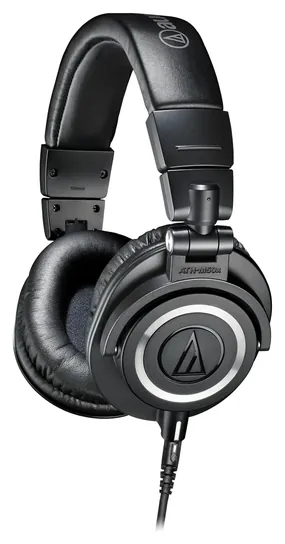
Ten wired closed-back headphones compared for recording, mixing, home use and small budgets. The Audio-Technica ATH-M50x wins on versatility and spare cables. When users buy our independently chosen editorial picks, we may earn commissions to help fund the Wiki.
Closed-back headphones seal the sound in, so a nearby microphone won't pick up your backing track and the person next to you won't hear it either. They aren't noise canceling, though: the sealed cups dull chatter and keyboard clatter but let low rumble through. They suit recording, editing, shared offices and anyone who wants private listening without batteries.


Editor's Notes
October 27, 2026, by Ezvid Wiki Editors:
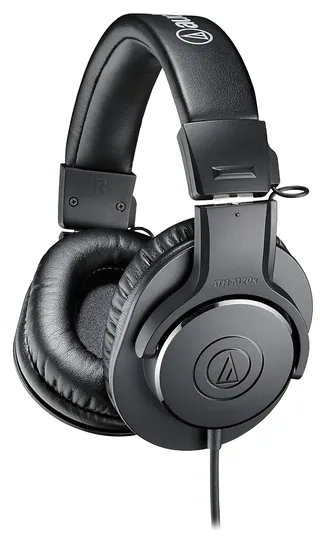
The Audio-Technica ATH-M50x now leads, because it handles studio work and everyday listening equally well and fixes its weakest part, the cable, with two spares in the box. We also refocused the list on wired closed-back headphones, since that's what people come here for. The Bose 700 and Sony WH1000XM3 are wireless noise-canceling models that belong on a different kind of list, and the XM3 has been replaced.
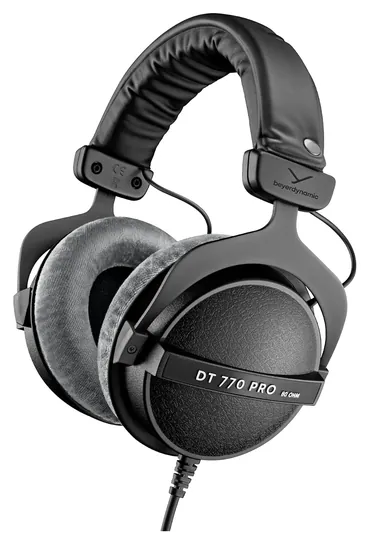
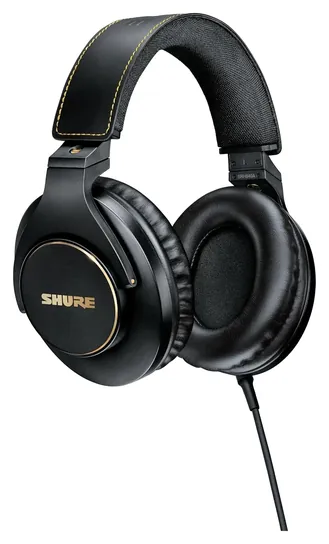
The Focal Listen is unavailable, we couldn't find a current source for the Crossfade M-100 Master, and the Denon AH-D7200 and Sony MDR-Z1R cost far more than most readers will spend. The Shure SRH840 returns as the Shure SRH840A, its update with a locking cable. For the beyerdynamic DT 770 Pro we now point to the 80-ohm version, which is easier to drive than the 250-ohm one we listed before.
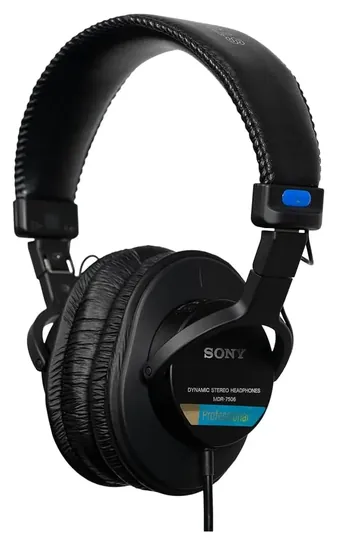
With studio headphones, the useful evidence is impedance, cable design, spare parts and years of studio use, so that's what we compared for every pair, alongside the published history of the Sony MDR-7506.
Earlier notes
December 22, 2020, by Luke Mitchell:
Our latest revision of this list includes just two replacements, as even the models that have been around for a while are industry-standards that are still very much in demand for personal and professional use.
Firstly, we upgraded the V-Moda Crossfade M-100 to the newer Crossfade M-100 Master. While you might not be able to tell the difference as far as appearances are concerned, as they sport the same overall aesthetics, they are re-engineered for better clarity and certified by the Japan Audio Society for their excellent sound reproduction, which makes them ideal for use in studio applications.
Next, we added the Shure SRH840, as we felt this well-known manufacturer of high-quality (some might say legendary) microphones and headphones deserved a place within our ranking. As a recent addition to their extensive product line, these cans produce impressive results and are built for durability, with many of their parts being easily replaceable. They even come with a spare set of ear-pads, helping to ensure many years of use from this affordable option.
May 29, 2019, by Christopher Thomas:
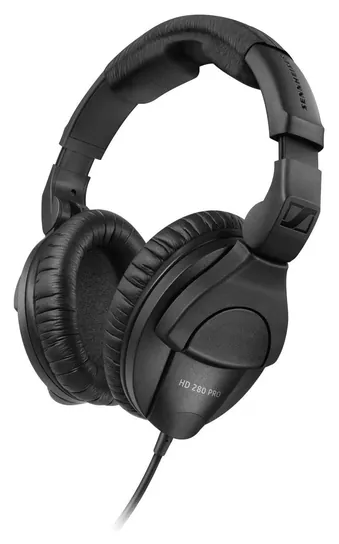
Closed-back headphones do a couple main things differently from open-back cans. The first thing you'll probably notice is that they have a stronger bass response, simply because of how they're constructed. But most importantly, they isolate sound: what's on the inside stays on the inside, and vice versa, generally speaking. The Sennheiser HD280 and Audio-Technica ATH-M50x are both very frequently found in music studios, so if you're looking for a set of monitoring headphones, those are great bets. If you're a casual music fan who wants something that sounds great, The Focal Listen are awfully tough to beat. They're from one of the most respected audiophile brands, but unlike most of their stuff, they don't cost a fortune. The very same can be said of the Beyerdynamics. It's actually impressive that both of these companies offer such high-quality cans for such reasonable prices. If you want to really keep costs down, Superlux makes a handful of great models, and the 685s are among their best.
If you're looking for wireless, there are two fantastic choices that we've highlighted. Bose's new 700s hit the market on June 30th; they aren't meant to replace the famed QC35s, but they are engineered to exceed them in quality and noise-canceling ability. Sony's WH1000 line is in its third iteration, and aside from a few nitpicks like their sound bleed and the inability to use their ANC without an active connection (wired or wireless), they're really amazing headphones. If you're using a recent Android phone, the Sonys will let you take advantage of the brand's cutting-edge LDAC codec.
The Denons and the Sony MDRs are top-dollar options and, if you're willing to make the investment, may just leave you speechless at their detailed reproduction and wide sound stage. But don't say we didn't warn you: they're really expensive.
Special Honors
Dan Clark Audio Dan Clark Audio builds high-end headphones in San Diego, mostly planar magnetic designs, and its closed-back E3 sits at the top of one independent ranking scored against the Harman listening research. It costs far more than anything on our list and is sold mainly through the maker and specialist dealers, but it's worth a look if you want a sealed pair at the top end. danclarkaudio.com
Closed Back, Open Back And Noise Canceling
Don't wear closed-back headphones near traffic or anywhere you need to hear what's coming.
A closed-back pair has solid ear cups. Sound from the drivers stays inside, and some outside noise stays out. That's why studios use them for tracking: the headphone mix doesn't bleed into the microphone. Open-back headphones have vented cups. They tend to sound more spacious, but they leak sound both ways, so they suit a quiet room and nobody nearby.
Don't expect a sealed pair to work like noise canceling. Passive isolation from closed-back headphones is typically around 8 to 12 decibels, according to Wikipedia's headphones overview. That dulls voices and keyboard noise, but low rumble from a bus or an air conditioner still gets through. Some studio models claim much more: Sennheiser rates the HD 280 Pro at up to 32 decibels. If you mainly want silence on a plane, a wireless noise-canceling pair is the better tool.
The seal also cuts you off from the room. Don't wear closed-back headphones near traffic or anywhere you need to hear what's coming.
Impedance: Will Your Phone Drive Them?
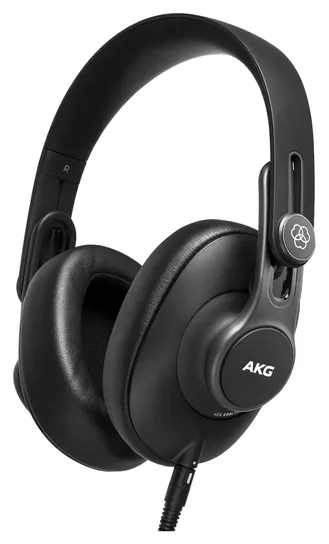
Impedance, measured in ohms, tells you how hard a pair is to drive. Low-impedance headphones run roughly 16 to 32 ohms, and high-impedance models run from about 100 up to 600 ohms (Wikipedia). In practice, anything up to about 64 ohms plays loud enough from a phone or laptop. The Audio-Technica ATH-M50x is 38 ohms, the Sony MDR-7506 is 63, and the AKG K361 is 32.
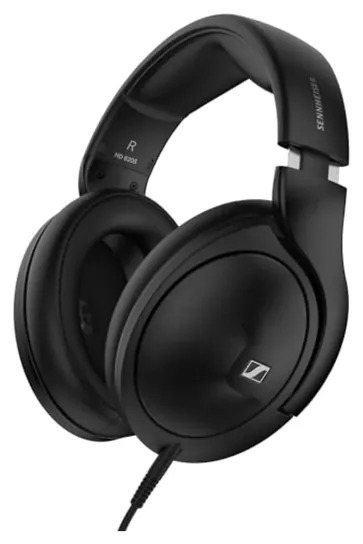
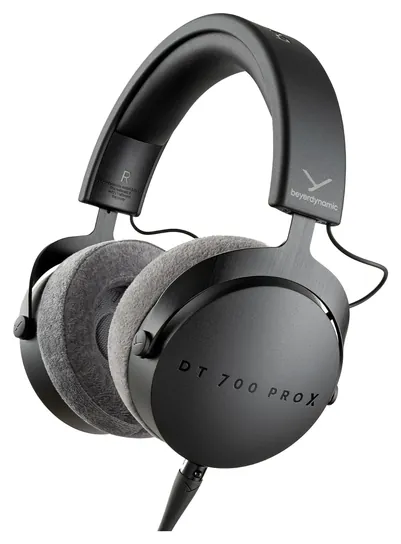
Higher numbers want more power. The Sennheiser HD 620S is 150 ohms and sounds best through a headphone amp. The beyerdynamic DT 770 Pro comes in 32, 80 and 250 ohm versions; buy the 250 only if you own an interface or amp with real headroom. beyerdynamic's newer DT 770 Pro X drops to 48 ohms so it can run from portable gear.
The source matters too. A rule of thumb is that the amp's output impedance should be under one-eighth of the headphones' impedance, or the bass can sound loose.
Comfort, Pads, Cables And Safe Volume
Pads decide comfort. Velour, used by beyerdynamic, breathes and stays cooler on long sessions but lets in a little more noise. Faux leather seals better and wipes clean, but it gets warm and can crack with age. Most studio pairs here have replaceable pads, so a worn set doesn't mean a new pair.
Cables fail more than anything else. A detachable cable turns a broken cord into a cheap fix. The Sony MDR-7506, the beyerdynamic DT 770 Pro and the Audio-Technica ATH-M20x have fixed cords. Studio cables are often 3 meters long or coiled, which is handy at a desk and clumsy on a commute.
Watch the volume. The ITU guideline is 80 decibels for 40 hours a week, and NIOSH sets 85 decibels for eight hours a day; every 3 decibels louder halves the safe time (Wikipedia). Sealed cups help here, because you don't have to turn the music up to cover a noisy room. The World Health Organization runs a safe-listening program with more advice.
How we researched this
We compared 18 closed-back headphones, read the makers' specs for impedance, cables, pads and warranty on the 10 finalists, used the published history of the Sony MDR-7506 and a closed-back ranking scored against the Harman research target, and checked every brand against U.S. Consumer Product Safety Commission recall records. None of the listed models has a recall.
Frequently asked questions
Do closed-back headphones cancel noise?
No. They block some sound passively, typically around 8 to 12 decibels, which dulls voices and typing. Low rumble still gets through. For planes and trains, a noise-canceling pair works better.
Do I need a headphone amp?
Not for pairs up to about 64 ohms, which run fine from a phone or laptop. Models of 150 ohms and up, such as the Sennheiser HD 620S or the 250-ohm beyerdynamic DT 770 Pro, sound best with an amp or audio interface.
Are closed-back headphones good for mixing?
They're ideal for recording because they don't leak into the microphone. Many engineers also mix on them, but some prefer open-back pairs or speakers for the final mix because the sound is more spacious.
Closed back or open back for an office or gaming?
Closed back, if anyone else is in the room. They keep your audio private and block some chatter. Open-back pairs leak sound and let the room in.
How loud is too loud?
NIOSH sets 85 decibels for eight hours a day, and each 3 decibels louder halves the safe time. If someone next to you can hear your music through sealed cups, it's too loud.