The 10 Best Coffee Beans
Updated by · How we research

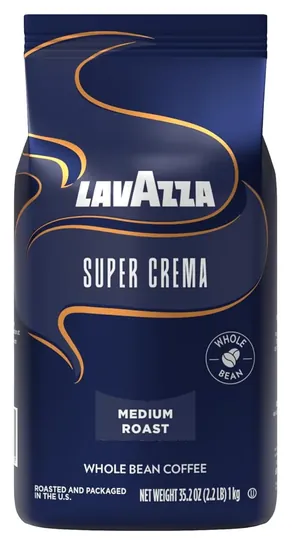
Whole-bean coffees for espresso, French press and drip, compared by roast, blend, caffeine and cost per cup. Lavazza Super Crema wins for crema-rich espresso. When users buy our independently chosen editorial picks, we may earn commissions to help fund the Wiki.
Roasted coffee loses its best flavor within about a month, and most supermarket bags print no roast date, so freshness can matter as much as the brand. Whole beans, ground just before brewing, keep more of it. This list is for home brewers choosing an espresso blend, a strong dark roast, an organic bag, a budget buy or a decaf.


Editor's Notes
October 23, 2026, by Ezvid Wiki Admin:
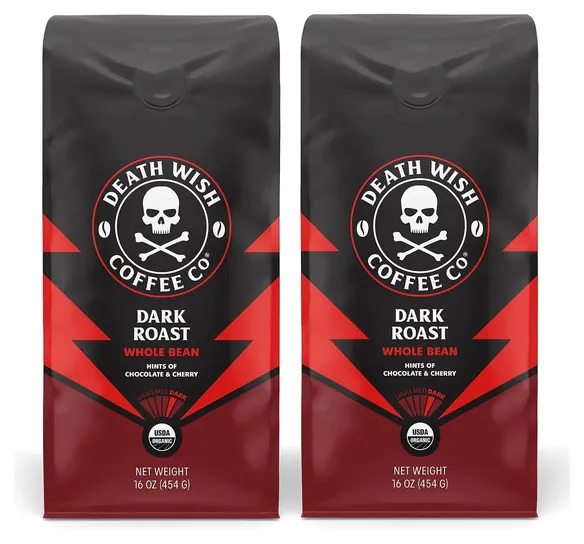
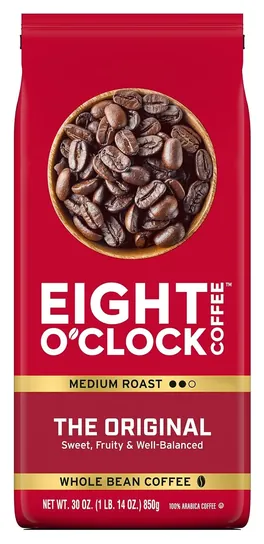
Lavazza Super Crema is the new pick to beat. Its arabica-and-robusta blend pulls a forgiving espresso, brews a decent drip pot and costs less per cup than nearly everything else we looked at. Death Wish Dark Roast stays for readers who want the most caffeine they can get, and Eight O'Clock The Original stays as the budget bag.
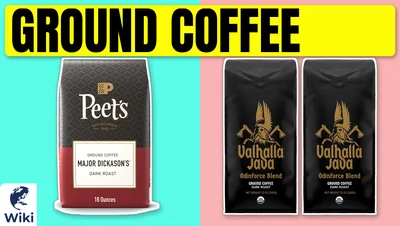
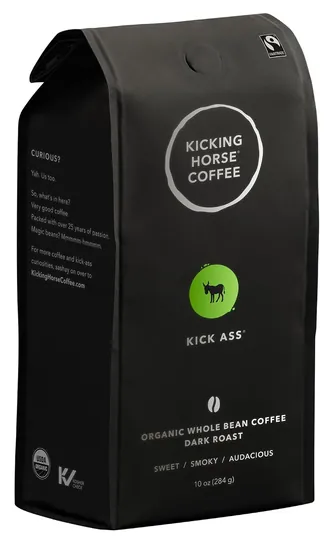
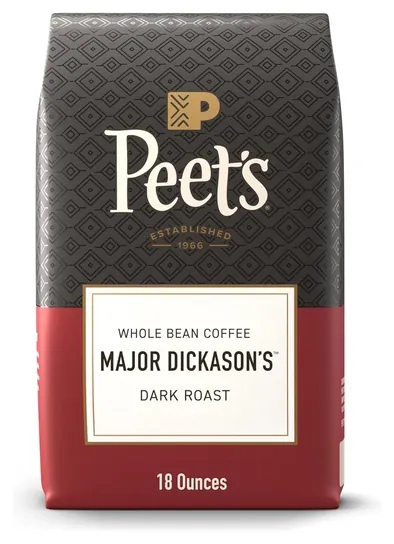
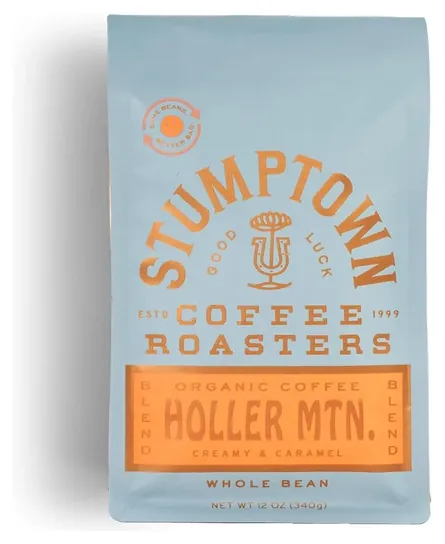
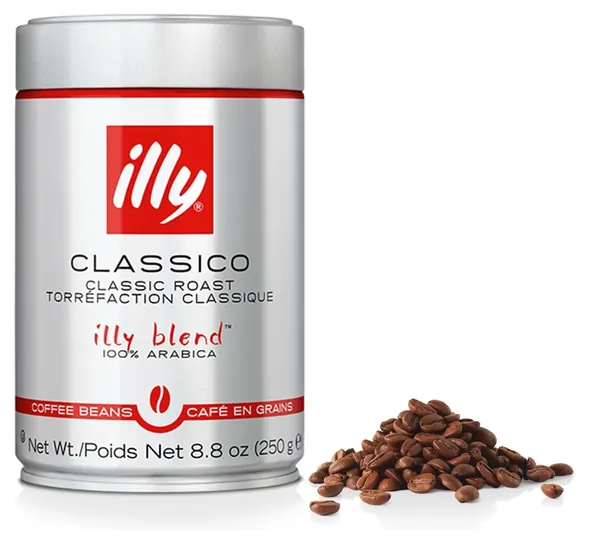
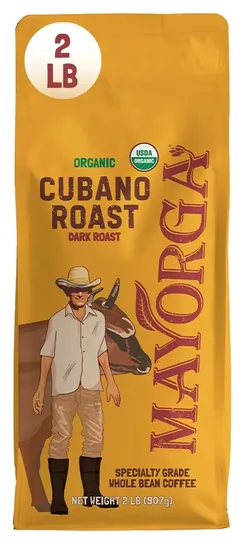
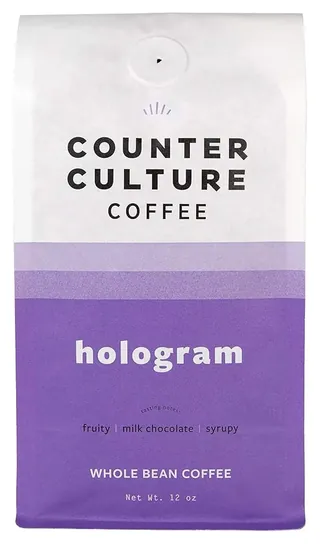
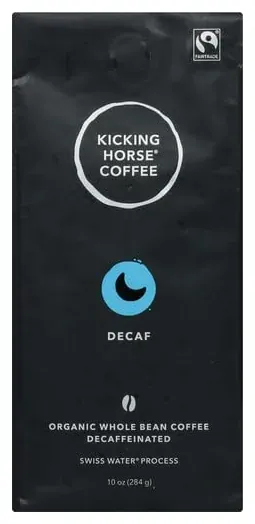
New picks follow what readers ask about: Kicking Horse Kick Ass for French press, Peet's Major Dickason's for a dark daily pot, Stumptown Holler Mountain and Counter Culture Hologram for brighter medium roasts, Illy Classico in its tin, Mayorga Cafe Cubano as a big organic bag, and Kicking Horse Decaf. We dropped Valhalla Java, since it's another Death Wish blend, and Stone Street Reserve, because its old listing now sells a different coffee. Bones Favorite Flavors and Coffee Bean Direct Italian Espresso are gone, and No Fun Jo Decaf, Kicking Horse Grizzly Claw, Bulletproof Energize and Don Pablo Signature Blend gave way to picks with clearer evidence or better value.
Taste is personal, and blind tastings of these exact bags are rare. We weighed Consumer Reports' older blind coffee tastings, a recent Tasting Table espresso roundup, roasters' brewing guides, owner reports on stale bags and flavor, and FDA caffeine guidance and recall records.
December 01, 2020:
We wanted to give this list a good tweak during our latest update to ensure it was aligned with evolving tastes, but we still maintained our balance between dark, medium, and light roasts. All the options listed here are in their whole bean form, but many are also offered ground for those who don't own a grinder. Just be sure to brew it fairly quickly if you want the freshest experience possible. Many come in special foil-lined or layered bags with air vents to ensure they stay fresh, but once you open the pouch and let oxygen in, you'll slowly start to lose that immediate flavor and aroma. It helps if you store your coffee in a cool, dry place with no direct sunlight.
When Koffee Kult Dark Roast became unavailable we supplanted it with Valhalla Java, a caffeine-packed option with a bold bite. And while we love a good cup of Kona coffee, we felt the need to say goodbye to Imagine 100% Kona due to unsatisfied reports of over roasting and bitterness. In its place, we added Eight O'Clock The Original to provide something for those who want a reliable, consistent, high-quality brew that's not too strong or overly light for their daily serving.
Also joining us today is Bones Favorite Flavors, a sampler pack for those looking to try a few new specialty roasts. These are roasted in small batches by a craft coffee company that doesn't use sugar, dairy, or any common allergens to make them taste great. They also manage to avoid the pitfall many flavored coffees have of tasting synthetic or like chemicals.
Finally, Kicking Horse Three Sisters was suffering from complaints of inconsistent roasting and freshness, so we replaced it with the ever-popular and much-adored Kicking Horse Grizzly Claw, which is a much darker roast. And although we hated to do it, we removed Lavazza Super Crema Espresso today on account of multiple reports of batches of beans being mixed with rocks. As this can destroy an expensive grinder, we felt the need to say farewell for now until the company remedies the issue.
November 07, 2019:
There are thousands of choices when it comes to choosing good coffee beans, and individual preference matters just as much as quality. That's why you'll find a wide variety of items on this list, including options that are perfect for pour-over, cold brew, French press, drip, and more. You'll also find blends and single origin choices, as well as light, medium, and dark roasts. Many are offered in either whole bean or the ground variety, but we'd suggest going the whole bean route so that you can customize your grind to your brewing method of choice.
We let go of illy Medium Roast due to availability concerns, as well as Fresh Roasted Coffee Ethiopian Yirgacheffe, which suffered from complaints of bitterness and a lack of a distinct flavor profile. We opted to supplant them with Bulletproof Energize, a very light roasted choice that lends itself well to additions like ghee butter and cream to make keto coffee. We also added No Fun Jo Decaf, a highly-certified selection, because we felt this list ought to have at least one decent decaf for caffeine-sensitive people.
Death Wish maintains a top spot because it is a consistent crowd-pleaser with a balanced taste that undergoes rigorous quality control. It's also got double the caffeine of regular coffee, so it's a smart choice for those who need a good jolt in the morning.
If you like cold brew, then Stone Street Reserve is ideal, while Koffee Kult Dark Roast tastes great from a Chemex. And for those with discerning tastes who'd rather not empty their wallet, Don Pablo Signature Blend is a high-quality budget choice.
Special Honors
Koa Coffee Koa Coffee sells 100 percent Kona coffee grown on the slopes of Hawaii's Big Island, in medium and dark roasts and as whole beans. It costs far more than most bagged coffee, but it's a good way to taste real Kona, since a bag labeled Kona blend can hold as little as 10 percent Kona beans. koacoffee.com
Atlas Coffee Club Atlas Coffee Club is a subscription that sends a single-origin coffee from a different country in each shipment, with notes on the region and brewing tips. It suits people who want to taste how origin changes a cup without buying several full bags at once. atlascoffeeclub.com
Arabica, Robusta And What Roast Changes
Arabica makes up about 60 percent of world output and tastes softer and more aromatic.
Nearly all coffee comes from two species. Arabica makes up about 60 percent of world output and tastes softer and more aromatic. Robusta makes up most of the rest; it carries roughly twice the caffeine, often 1.7 to 4 percent of the bean's weight against 0.8 to 1.4 percent for arabica, and it tastes harsher and more bitter (Wikipedia: Coffee bean). Liberica and excelsa exist too, but they're rare outside a few growing regions.
That's why espresso blends such as Lavazza Super Crema and high-caffeine coffees such as Death Wish Dark Roast mix in robusta: it builds a thicker crema and adds a jolt. Bags labeled 100 percent arabica, like Illy Classico and Peet's Major Dickason's, trade that punch for a smoother cup.
Roast level changes flavor far more than caffeine. Light roasts keep the acidity and fruit of where the beans grew; dark roasts turn oily and bittersweet and taste more of the roast than the farm (Wikipedia: Coffee roasting). By weight, caffeine barely moves with roast, though a scoop of denser light beans holds a little more. "Espresso roast" on a label is a recipe, not a roast level: any bean can make a shot, but darker blends are more forgiving of an imperfect grind.
Freshness, Grind And How Much To Use
Roasted beans give off carbon dioxide for days after roasting, and their aroma fades over the following weeks; most guidance puts the best window at about a month from roasting (Wikipedia: Coffee roasting). Specialty roasters such as Stumptown and Counter Culture print a roast date, while most supermarket brands print only a best-by date. Buy what you'll finish in a few weeks, keep it sealed and away from heat and light, and skip the fridge, where beans pick up moisture and odors.
Whole beans stay fresh longer than ground coffee because less surface meets the air. Grind right before brewing, and match the grind to the brewer: fine for espresso, medium (about like kosher salt) for drip, coarse for French press and cold brew. The National Coffee Association's starting ratio is 1 to 2 level tablespoons of ground coffee per 6 ounces of water (National Coffee Association: drip brewing). For 8 standard 6-ounce cups, that's roughly 8 to 16 tablespoons; start in the middle and adjust to taste.
A burr grinder gives an even grind, which matters most for espresso. A blade grinder works for drip and French press if you pulse it and shake the chamber between bursts.
Caffeine, Decaf And Label Claims
The FDA says about 400 milligrams of caffeine a day is not generally linked to harm in healthy adults. A 12-ounce cup of brewed coffee runs roughly 113 to 247 milligrams, so two or three cups can reach that, and a high-caffeine coffee gets there sooner. People who are pregnant, breastfeeding or taking certain medicines should ask a clinician (FDA: Spilling the Beans).
Decaf isn't caffeine-free. An 8-ounce cup still holds about 2 to 15 milligrams. In the U.S., decaf beans must have at least 97 percent of their caffeine removed. Some methods use solvents; the Swiss Water Process, used by Kicking Horse Decaf, soaks green beans in water and filters the caffeine out (Wikipedia: Decaffeination).
Read the label closely. "Organic" on U.S. bags means USDA certification, and Fair Trade or Fairtrade means a third party audits pay and conditions. Hawaiian coffee is the classic trap: a bag labeled Kona blend can legally contain as little as 10 percent Kona beans (Wikipedia: Kona coffee). Look for "100% Kona" if that's what you're paying for.
How we researched this
We compared 21 whole-bean coffees, read roasters' published tasting notes and brewing guidance, reviewed Consumer Reports' older blind coffee tastings and a Tasting Table espresso roundup, analyzed owner feedback on flavor and freshness, and checked every brand against FDA food recall records. No lab test ranks these exact bags, so the order weighs bean blend, roast, consistency and cost per cup.
Frequently asked questions
What are the different types of coffee beans?
Two species make almost all coffee: arabica, which is softer and more aromatic, and robusta, which is harsher and carries about twice the caffeine. Liberica and excelsa are rare. Beyond species, beans are sold by roast level (light, medium, dark) and by origin.
What are the best beans for espresso?
A medium or dark blend is the most forgiving. Blends with some robusta, like Lavazza Super Crema, build a thicker crema. All-arabica beans make a smoother, less bitter shot. Use beans within about a month of roasting and grind them fine just before pulling the shot.
What coffee beans are best for French press?
Medium and dark roasts suit French press because its heavy body brings out chocolate and caramel flavors. Grind coarse, about like sea salt, so the filter doesn't clog and the cup doesn't turn muddy or bitter.
How much coffee do I need for 8 or 10 cups?
The National Coffee Association suggests 1 to 2 tablespoons of ground coffee per 6 ounces of water. For 8 cups of that size, use about 8 to 16 tablespoons; for 10 cups, about 10 to 20. Start in the middle and adjust.
Does dark roast have more caffeine?
Not really. Roasting changes caffeine very little by weight. A scoop of light-roast beans can hold slightly more because the beans are denser. Robusta content matters far more than roast level.
Is decaf coffee caffeine-free?
No. U.S. decaf must have at least 97 percent of its caffeine removed, and the FDA puts an 8-ounce cup at about 2 to 15 milligrams.