The 10 Best Dermatoscopes
Updated by · How we research

Ten handheld dermatoscopes compared on optics, polarized light, phone photos and price. The DermLite DL5 leads for its wide lens and full set of light modes. When users buy our independently chosen editorial picks, we may earn commissions to help fund the Wiki.
A dermatoscope is more than a magnifier: its polarized light cuts the glare off the skin's surface so a clinician can see the color and vessel patterns underneath. Research reviews credit dermoscopy with catching more melanomas than the naked eye, mostly in trained hands. These picks suit clinicians, students and careful buyers, not self-diagnosis.


Editor's Notes
November 1, 2026, by Ezvid Wiki Admin:
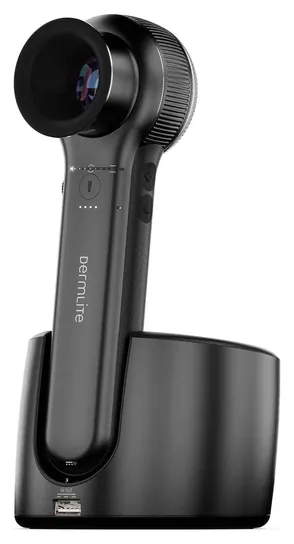
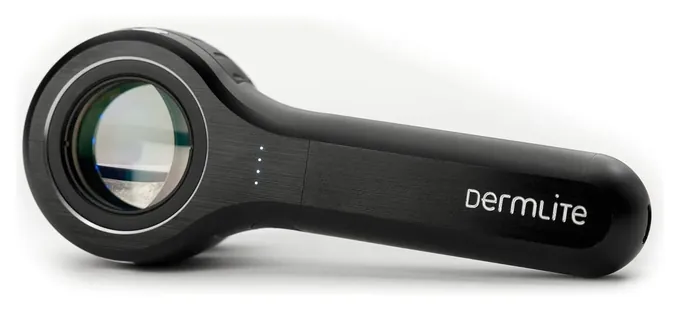
The DermLite DL5 is the new first choice. It pairs a wide 32 mm lens with every polarization setting the company offers, plus an ultraviolet light, and it charges on a stand. The DermLite DL4 stays close behind as the proven workhorse with a five-year warranty.
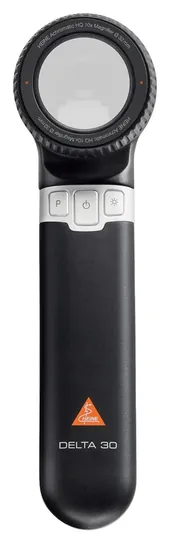
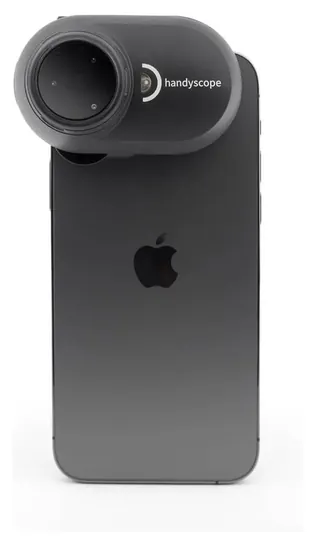
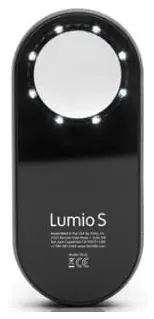
The Heine Delta 30 joins as the strongest scope from outside DermLite, and the DermLite Handyscope and IBOOLO DE-3100 are new for phone photos and tighter budgets. The DL1 and DL3N are gone because newer DermLite models replaced them, and the original Lumio gave way to the DermLite Lumio S, which is still sold.
Nobody publishes side-by-side lab tests of these scopes, so we checked each maker's spec page and warranty terms, read the clinical reviews on polarized and non-polarized dermoscopy, and looked for patterns in owner feedback. A scope helps a trained eye. It doesn't replace a visit to a dermatologist.
February 15, 2021:
Fortunately, most modern dermatoscopes, or dermoscopes, will offer a toggle between polarized and non-polarized light modes, which means that you don’t have to invest in two models. It isn’t surprising that this list is dominated by DermLite models from 3Gen, and this is even more the case after this update, as I have eliminated all but one model from other brands, and added another from 3Gen.
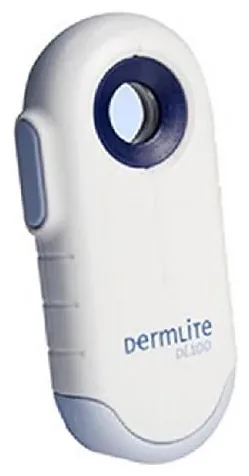
In their defense, the company does supply the highest-quality and most versatile options available on traditional and online markets, with other brands either making more dated and janky dermatoscopes, both in terms of style and function. This isn’t surprising seeing as the company does have some history in the game, having launched the World’s first polarized pocket model in the DermLite DL100 back in 2001. Beside 3Gen, there are some great dermoscope makers out there, like Heine and Canfield, though it may be harder to find some of their models on larger product markets, and you’d have to go either to a niche medical market, or to their company websites.
November 29, 2018:
Picture quality, magnification power, and brightness of lights were the primary factors in our rankings, with ease of use factoring in heavily as well. DermLite dominated the rankings, as they have a wider variety of options than competing manufacturers.
Special Honors
Canfield VEOS Canfield Scientific, a medical imaging company, makes the VEOS, a pocket scope that clips to an iPhone or Android phone and captures cross-polarized, non-polarized and ultraviolet images in sequence. It ties into Canfield's body-mapping software for clinics that track many spots over time. Canfield sells it through its own store with a five-year hardware warranty. canfieldsci.com
DermLite Lumio 2 The Lumio 2 is DermLite's current wide-field loupe and the successor to the Lumio S. It has a much larger lens at low power, adds ultraviolet and blue light modes, and is sold through DermLite and its authorized dealers rather than general marketplaces. dermlite.com
Polarized, Non-Polarized, And Why Many Clinicians Want Both
The same review notes that dermoscopy may raise melanoma detection noticeably over the naked eye, but the gain depends on training, and examiners without it gain much less.
A dermatoscope pairs a 10x lens with its own ring of lights. What sets it apart from a magnifying glass is how that light reaches the skin. Polarized light, usually cross-polarized, cancels the glare bouncing off the top layer, so you can see deeper structures such as blood vessels and pigment networks without touching the skin. Non-polarized light needs a glass plate pressed on the skin, often with a drop of fluid, and it shows surface features more clearly.
A clinical review of dermoscopy recommends looking with both, because each mode reveals things the other hides. That's why most scopes on this list switch between the two. The DermLite DL100 is the exception: it is cross-polarized only, which keeps it simple and cheap but limits what it shows. The same review notes that dermoscopy may raise melanoma detection noticeably over the naked eye, but the gain depends on training, and examiners without it gain much less.
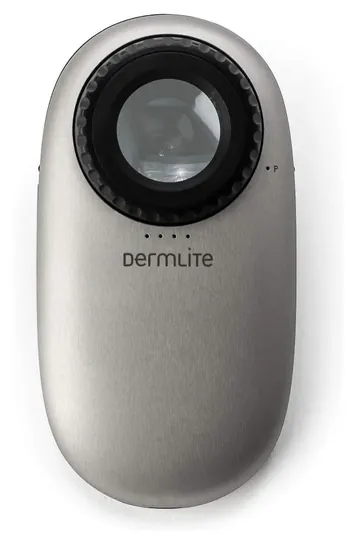
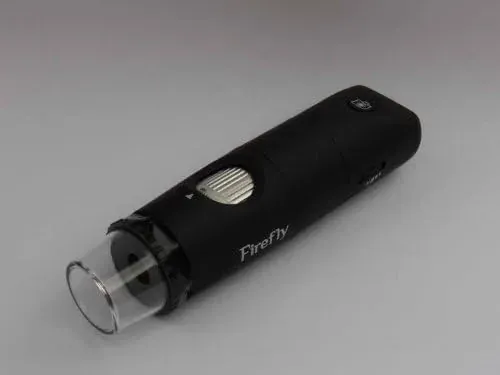
Magnification is mostly settled at 10x for handheld scopes. Wide-field loupes such as the DermLite Lumio S trade power for a larger view, and video scopes such as the Firefly DE350 go higher on a screen. Beyond that, compare lens size (a bigger lens shows more skin at once), brightness control and whether a contact plate with a printed scale comes in the box.
Contact Plates, Phone Photos And Video
A contact plate is a glass disc that rests on the skin. It flattens the surface, steadies the view and, on many models, carries a printed 10 mm scale so you can measure a spot. Heine's Delta 30 ships with a plate that can go through an autoclave, and DermLite's DL4 has a reticle built into its faceplate. Non-contact viewing is quicker and cleaner, so hybrid scopes that do both, like the DermLite DL200 Hybrid, are popular for screening.
Photos matter if you want to track a spot over months. Most current scopes take a phone adapter, and the DermLite Handyscope is built around one. Published teledermoscopy guidance asks for at least one polarized image of each lesion when images are sent for remote review. Video scopes that stream to a computer suit record-keeping and remote consults, but they tie you to a desk.
Avoid the cheap 30x to 200x skin analyzers and USB microscopes sold nearby. They are cosmetic and hair cameras, and most give no proof of real polarized lighting. The foot.expert buying guide warns that very cheap units may not perform.
Buying, Cleaning And Knowing The Limits
Most DermLite and Heine units here are sold by independent medical resellers, not the makers. The warranty, five years on the DL4 and on the Handyscope's device, comes from the maker, so ask the seller whether it is authorized and keep the receipt. Heine's own store and DermLite's site list current prices, which helps you spot a big markup.
Clean the head between patients. Wiping the lens and plate with alcohol is standard, and DermLite sells disposable IceCap covers for contact exams. Autoclave only parts the maker says can take it, such as Heine's contact plate.
A dermatoscope is a clinical tool, and the research behind it assumes training. A basic course takes an afternoon, according to foot.expert, and real skill takes much longer. For home skin checks, the American Academy of Dermatology recommends a monthly look in a mirror and a visit to a board-certified dermatologist for any spot that looks different, changes, itches or bleeds. A scope can help you watch a spot, but it can't tell you what it is.
How we researched this
We compared 18 dermatoscopes and skin scopes, read the makers' spec pages and warranty terms for the finalists, used two clinical reviews of dermoscopy and a clinician buying guide for the buyer's guide, analyzed owner feedback, and checked every brand against the U.S. Consumer Product Safety Commission's recall database. We found no independent lab test that compares these models.
Sources (14)
- DermLite: DL5
- DermLite: DL4
- DermLite: DL200 Hybrid
- HEINE: DELTA 30 Dermatoscope
- DermLite: Handyscope
- DermLite: DL100
- DermLite: Carbon
- DermLite: Lumio 2
- Canfield Scientific: VEOS
- PubMed Central: dermoscopy review (PMC6153581)
- Teledermoscopy guidance (PMC9046409)
- foot.expert: Which dermatoscope?
- American Academy of Dermatology: How to check your skin
- CPSC SaferProducts
Frequently asked questions
Is a dermatoscope just a magnifying glass?
No. It magnifies about 10 times, but the key part is the built-in lighting. Polarized light cancels surface glare so you can see pigment and blood vessels below the top layer of skin, which a plain magnifier can't show.
Can I buy a dermatoscope for home skin checks?
Yes, anyone can buy one, but it's a clinical tool and the benefit depends on training. For home checks, dermatologists recommend a monthly mirror check and a professional exam for any spot that changes, itches or bleeds.
Do I need polarized and non-polarized light?
Clinical reviews recommend both, because each shows different features. Polarized light works without touching the skin and shows deeper structures; non-polarized light with a contact plate shows surface detail. Most scopes on this list switch between them.
Is a phone-mounted dermatoscope worth it?
If you need to track spots over time or send images for a second opinion, yes. A phone mount gives dated, repeatable photos. If you only look and don't record, a plain handheld is simpler.
Is the DermLite DL100 still worth buying?
It's still a solid low-cost entry: light, pocketable and long-running on a charge. Its limit is that it offers cross-polarized light only, so it can't show the surface detail a non-polarized mode gives.
How do you clean a dermatoscope?
Wipe the lens and any contact plate with alcohol between patients, or use disposable covers. Only autoclave parts the maker rates for it, such as Heine's contact plate.