The 9 Best Dictionaries For Kids
Updated by · How we research

Nine kids' dictionaries compared by grade, word count, pictures and edition year. For most families, the Merriam-Webster Children's Dictionary is the pick. When users buy our independently chosen editorial picks, we may earn commissions to help fund the Wiki.
The best children's dictionary is the one whose definitions your child can read without help, so a bigger book is not always the better buy. A kindergartner needs a few thousand pictured words, while a fifth grader needs tens of thousands with example sentences. This guide is for parents, grandparents and teachers choosing by age, from preschool through middle school.
At a Glance
-
1
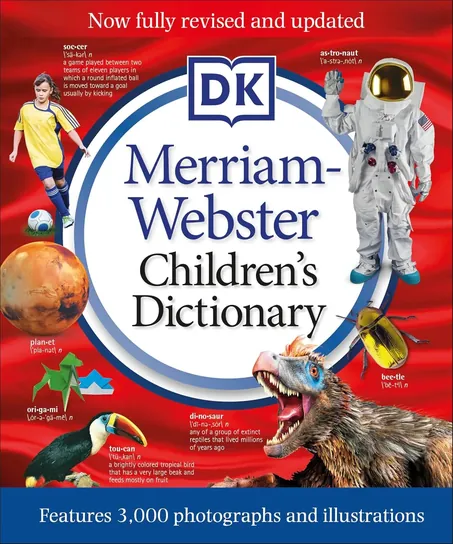
 Merriam-Webster Children's Dictionary
$18
-
2
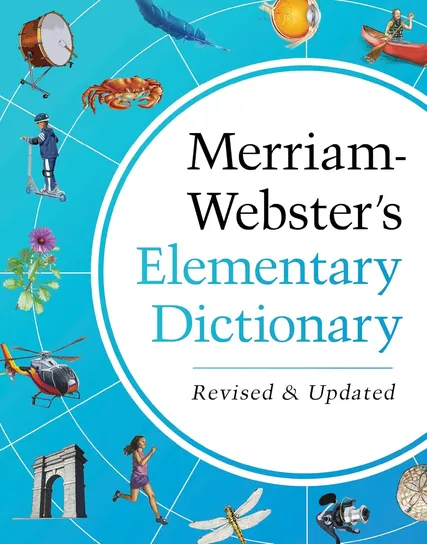
 Merriam-Webster's Elementary Dictionary
$19
-
3
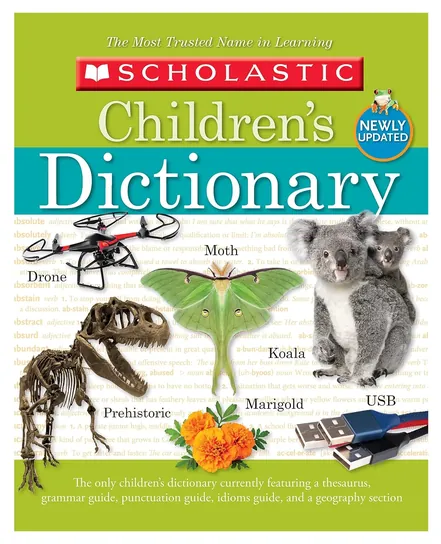
 Scholastic Children's Dictionary
$16
-
4
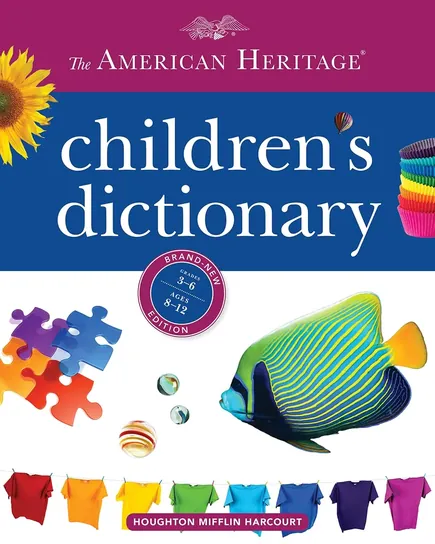
 The American Heritage Children's Dictionary
$14
-
5
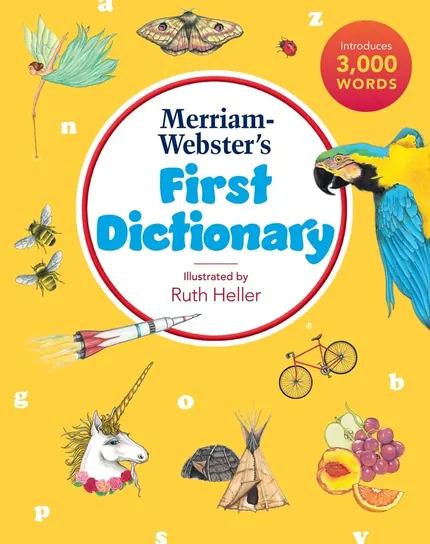
 Merriam-Webster's First Dictionary
$11
-
6
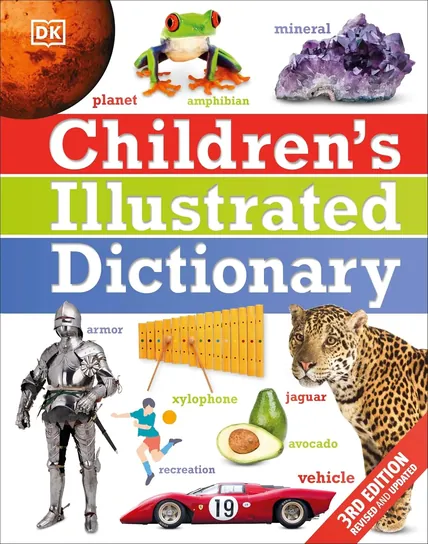
 DK Children's Illustrated Dictionary
$12
-
7
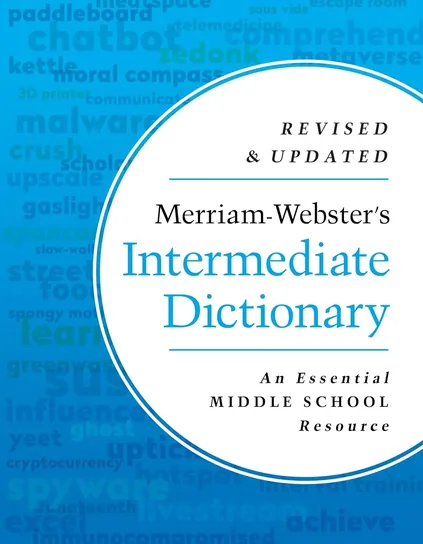
 Merriam-Webster's Intermediate Dictionary
$16
-
8
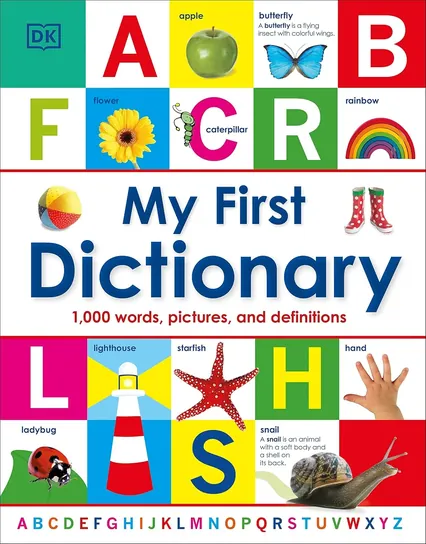
 DK My First Dictionary
$16
-
9
 Webster's Dictionary for Students
$5
Editor's Notes
October 27, 2026, by Ezvid Wiki Admin:
The Merriam-Webster Children's Dictionary moves to the top. It suits the widest band of young readers, first through fourth grade, and its pictures do much of the explaining. Merriam-Webster's Elementary Dictionary returns in its 2023 revision, and the Scholastic Children's Dictionary, The American Heritage Children's Dictionary and DK My First Dictionary stay.
The old list leaned on themed books about space, dinosaurs and superheroes. They're fun, but they aren't dictionaries, so they're gone, along with The Dictionary of Ordinary Extraordinary Animals. DK First Spanish Dictionary is out because of availability concerns. In their place we added a true first dictionary, a picture-led one for kindergartners, a middle school step up and a cheap copy for the backpack.
With no lab data for children's dictionaries to go on, we leaned on each publisher's grade range, page count and edition date, two education sites' advice on matching a book to a child's reading level, and what parents report after their kids have used these for a while. The most common mistake was a mix-up of titles: Merriam-Webster sells several children's books with nearly the same name, so check the grade range before you buy.
August 11, 2020:
Rather than just include a bunch of boring old dictionaries that all cover the same words in a dry format, we wanted to recommend interesting options that either focus on specific subject matter, or which were comprehensive, but put together in an engaging and easy-to-understand style to make the information more approachable for kids.
Falling into the former category, we have Super Heroes: My First Dictionary, Space Dictionary for Kids, The Dictionary of Ordinary Extraordinary Animals, and Dinosaur Dictionary for Kids. Each of these is well-suited to children that have an interest in a specific subject matter, though The Dictionary of Ordinary Extraordinary Animals and Space Dictionary for Kids aren't quite as pigeon-holed as the other two since learning about the various animals and celestial beings can be considered very common subject matter. Any youngster interested in comics, specifically the DC universe, should find the Super Heroes: My First Dictionary very engaging, as it combines a comic strip-like style that can be read like a book with informative content. Conversely, while the format of the Dinosaur Dictionary for Kids might not be quite as engaging, some may consider it to have more useful information.
In the latter category, we have Scholastic Children's Dictionary, The American Heritage Children's Dictionary, Merriam-Webster Children's Dictionary, Merriam-Webster's Elementary, and My First Dictionary. These are generally much more comprehensive tomes that cover words related to a wide variety of subject matter.
DK First Spanish Dictionary is a bit of an outlier, as it can be considered subject specific, since it has a focus on Spanish, specifically Castilian Spanish, but the terms it covers are broad. It utilizes images to help children make easily-remembered associations, and there are two indexes in the back, one organized alphabetically in English and the other in Spanish.
Combining any of the options on this list with some great educational toys is a great way to make learning more fun and engaging for little ones.
December 17, 2018:
On top of listing editions that were extremely comprehensive for different age ranges, we also ensured that a few tailored tomes made the cut as well, in order to appeal to and engage young learners. Simplicity, quality photography, well-chosen terms, and additional information were prioritized for these rankings. The Scholastic Revised and Updated was placed at the top spot since it met the aforementioned criteria exceptionally well.
Special Honors
Wordsmyth Children's Dictionary Wordsmyth runs a free online children's dictionary with more than 14,000 entries, written for young readers, with example sentences and recorded pronunciations a child can play. It's a handy second resource for homework on a tablet or laptop, and it keeps kids away from adult definitions that a regular web search turns up. wordsmyth.net
Match The Book To The Reader, Not The Number Of Words
First dictionaries for ages 3 to 7 hold about 1,000 to 3,000 words, each with a picture and a sentence a parent can read aloud.
A dictionary only helps if a child understands the words inside each definition. The tutors behind Scholar Within suggest checking whether a child understands the words used inside a definition. An easy test at home: read one entry together and see whether the explanation makes sense without a second lookup. If it doesn't, the book is too advanced, however impressive its word count.
Children's dictionaries come in roughly four stages. First dictionaries for ages 3 to 7 hold about 1,000 to 3,000 words, each with a picture and a sentence a parent can read aloud. Full children's dictionaries for grades 1 to 5 jump to more than 30,000 entries with example sentences, word histories and photos. Intermediate dictionaries for middle school carry about 70,000 entries with fewer pictures. After that, a student or learner's dictionary for teens takes over.
A good rule is to buy one stage ahead of where your child reads now, not two. A second grader handed a middle school dictionary usually gives up after a few tries.
Print Or Online
Free online children's dictionaries exist, and they're quick. Wordsmyth's children's dictionary lists more than 14,000 entries with kid-level definitions, example sentences and recorded pronunciations. A plain web search, on the other hand, tends to return adult definitions full of harder words.
Print still has a job. Flipping to the right page teaches alphabetical order and guide words, the two words at the top of each page that show its range, and many schools still teach those skills. A tutor writing for Warwick Tutor argues that the small effort of finding a word in print helps a child remember it, and suggests pairing a dictionary with a children's thesaurus for writing.
Many families end up with both: a print book for homework and reading time, and an online one for a quick check on a tablet.
Weight, Look-Alike Titles And Other Languages
The full-size children's dictionaries run close to 900 pages and weigh between three and a half and five pounds, too much for a daily backpack. Keep the big one at home and send a compact student edition to school.
Titles cause the most buying mistakes. The Merriam-Webster Children's Dictionary is designed and published by DK, while Merriam-Webster's Elementary Dictionary and Merriam-Webster's Dictionary for Children are separate books from Merriam-Webster itself, aimed at slightly different grades. Check the grade range and page count before you order, not just the cover.
Every book here is an English dictionary. Families looking for a Spanish dictionary for elementary school (un diccionario para primaria) need a Spanish-language children's dictionary, and children learning English may do best with a picture-led book first. UK families can use the age filters on Oxford Owl, which group Oxford's children's dictionaries for ages 5, 7, 9 and 11 and up.
How we researched this
We compared 16 children's dictionaries and picture word books, checked each publisher's grade range, page count and edition date, read advice from tutoring and education sites on matching a dictionary to a child's reading level, analyzed patterns in parent feedback, and checked every publisher against the U.S. Consumer Product Safety Commission's recall database. No independent lab tests of children's dictionaries exist.
Frequently asked questions
What age should a child get a first dictionary?
Around 4 to 7, once a child knows the alphabet and starts asking what words mean. A first dictionary with about 1,000 to 3,000 pictured words fits that stage. Move to a full children's dictionary by second or third grade.
What is the best dictionary for an 8-year-old?
Most 8-year-olds in second or third grade do well with a full children's dictionary written for grades 1 to 4 or 3 to 5, with pictures and example sentences. Check that your child can follow a definition without help.
Is an adult dictionary OK for kids?
Usually not before middle school. Adult definitions use harder words than the one being looked up, so a child ends up looking up the definition too. Children's dictionaries rewrite meanings in plain words.
What dictionary is best for middle school?
An intermediate dictionary with around 70,000 entries, usage examples and fewer pictures. It covers the vocabulary in novels, science and history units without the density of an adult desk dictionary.
Are online dictionaries for kids any good?
Yes, for quick checks. Free children's dictionaries such as Wordsmyth give kid-level definitions and audio. A print book is still better for learning alphabetical order and guide words, which many schools teach.