The 10 Best Dog Waste Stations
Updated by · How we research

Aluminum, steel and plastic dog waste stations for HOAs, parks and yards, compared on rust, bags and upkeep. The Zero Waste USA American Professional leads. When users buy our independently chosen editorial choices, we may earn commissions to help fund the Wiki.
The station is the cheap part. Over a few years, the bags can cost more than the post, so a locking dispenser that hands out one bag at a time pays for itself. These picks cover full posts with a lidded can for HOAs, apartments and parks, plus smaller wall units and bins for a home yard.


Editor's Notes
November 1, 2026, by Ezvid Wiki Admin:
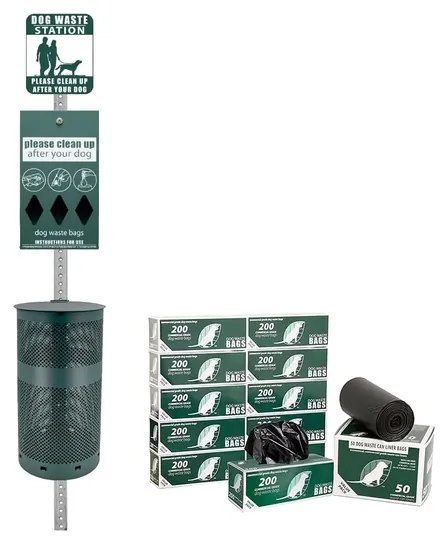
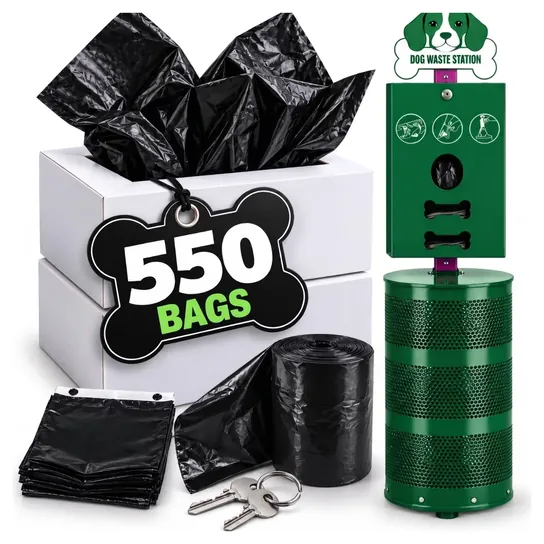
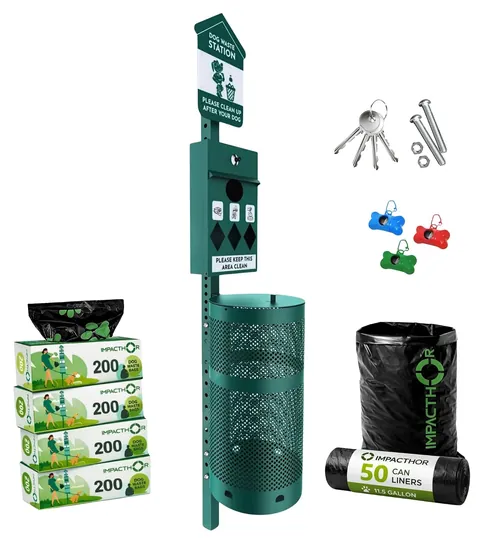
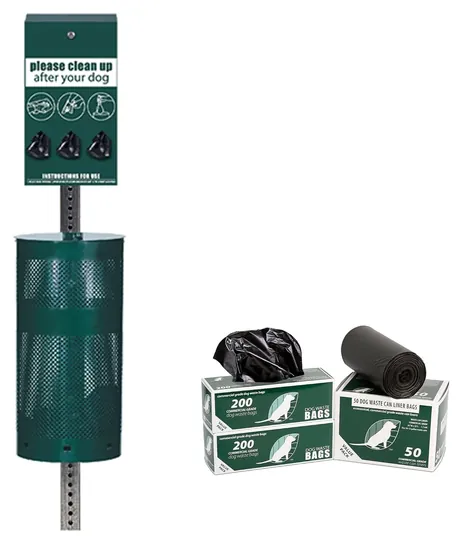
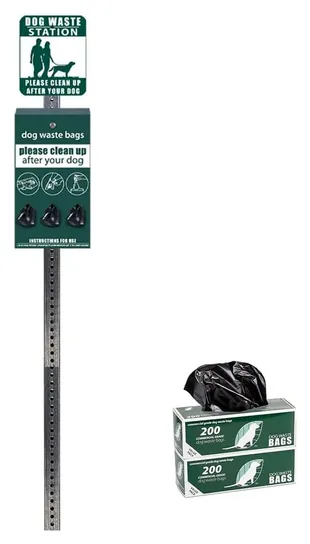
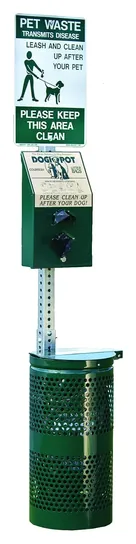
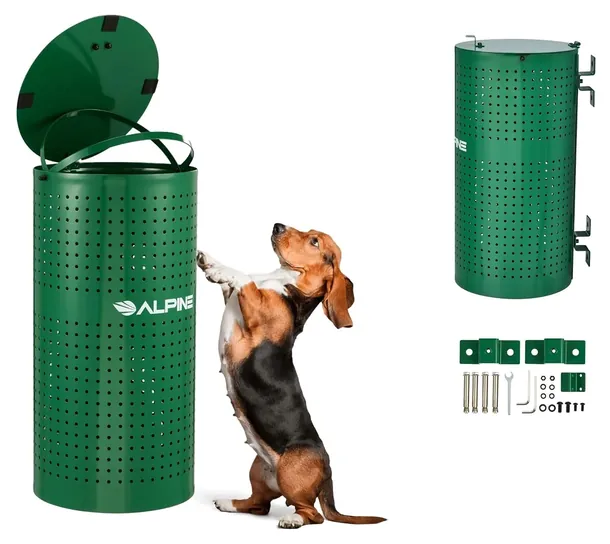
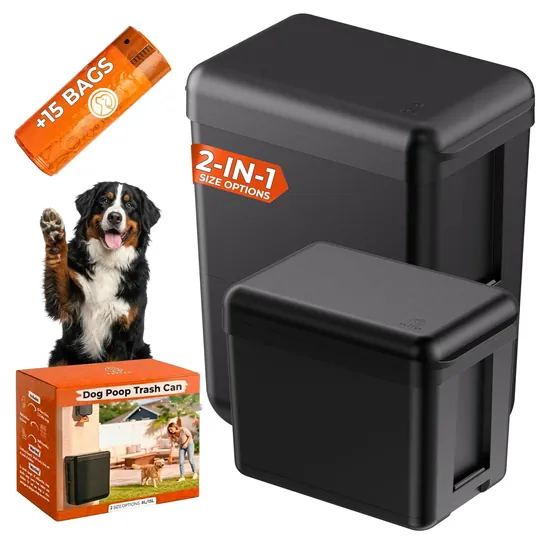
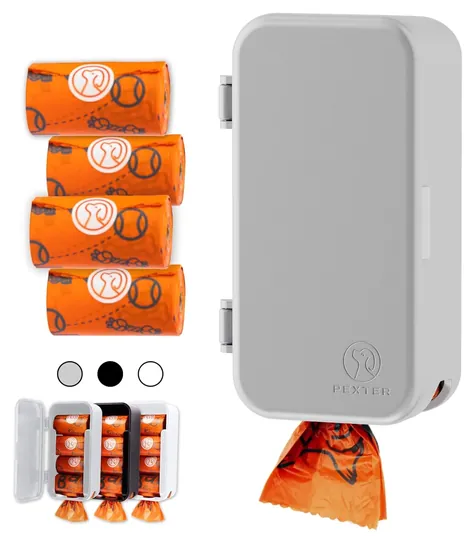
The Zero Waste USA American Professional keeps its place at the head of the list. Its welded aluminum won't rust, and it still ships with everything a property manager needs, down to the can liners. The PetWasteCo and BarkPark stations are gone because neither is sold anymore. The Zero Waste USA Mini and Zero Waste USA Low Profile return in their current versions, and the Glasdon Fido stays for walls and entrances. New are two complete kits at lower prices, the Flybold 10-Gallon Kit and the Impacthor 4-Hole, plus the Dogipot 1003A-L for parks with a bigger budget. The page now covers backyards too: the Alpine 13.5-Gallon Bin, Pexter Wall Bin and Pexter Dispenser let you build a setup beside a can you already have. No lab or magazine has rated these, so we leaned on spec sheets, the installation and spacing guides that station makers publish, and federal recall records, which list nothing for any brand here.
November 26, 2018:
We selected models that are easy to refill with bags to encourage owners to keep them stocked. We also looked for hard-wearing materials, since they will be exposed to the elements day in and day out, not too mention the fact that rambunctious pups may try to take down these stations, too. We included several aesthetics to ensure everyone can find one that complements their outdoor recreation areas.
Aluminum, Steel Or Plastic
The material decides how long a station looks decent outdoors.
The material decides how long a station looks decent outdoors. Zero Waste USA, which sells aluminum stations, argues in its dog waste management guide that aluminum is the only body that can't rust, while powder-coated steel starts to rust once the coating chips and poly resin can fade and crack in strong sun. Take that as a maker's view, but the chemistry behind it holds: bare aluminum doesn't form red rust, and steel does.
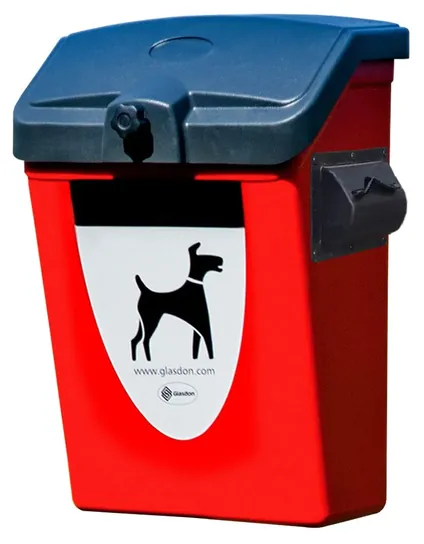
Galvanized steel kits cost less and work fine for years if you touch up scratches. Check for stainless screws, since cheap hardware rusts first. Plastic suits a different job. Glasdon's pet waste stations are molded plastic bins with a bag dispenser built in, sized for a wall by a door rather than an open field.
Whatever the body, look for a dispenser that locks with a key. An open roll on a public post tends to get taken whole, and a locked box keeps the bags for the people who need them.
Where Stations Go, And How Many
Sellers' guides give starting points rather than rules, and they don't agree. Crown Products' guide for parks, apartments and HOAs suggests roughly one station for every 20 to 100 housing units, depending on how many residents have dogs, one about every 500 feet along a park path, and one outside each dog park entrance with more inside. Another rule of thumb is one station for every 50 dogs that pass in a day.
Put stations where walkers already go: trail starts, building exits and the edge of common lawns. A spot that's lit and easy to see gets used more and vandalized less.
Most post stations need a hole about 18 to 24 inches deep, with concrete that cures for a day before you hang the can. Plan on emptying the can and checking the bags at least once a week, and two or three times a week at a busy property. Before you install on shared ground, check your HOA or city rules.
Bags, Liners And The Cost That Keeps Coming
The station is a one-time buy. Bags and liners are forever, and at a busy complex they can outrun the station's cost within a few years. Roll bags tear off one at a time and are the usual refill. Header bags, which pull out singly from a stack, can cut waste further; Zero Waste USA claims up to 70 percent fewer bags used, a figure no one has checked independently.
Skip bags sold as oxo-biodegradable or degradable without proof. The FTC's Green Guides say such claims need evidence that the bag breaks down in the place it ends up, and most dog waste goes to a landfill, where almost nothing breaks down quickly. Zero Waste USA's own guide makes the same point.
The reason to bother at all: the EPA counts pet waste among the nonpoint sources that wash bacteria and nutrients into streams after rain. Local cleanup laws carry fines that vary widely from town to town.
How we researched this
We compared 17 dog waste stations, bins and bag dispensers, read the makers' spec sheets and the installation and spacing guides from Zero Waste USA, Crown Products and Glasdon for the 10 picks, screened owner feedback, and checked every brand against U.S. Consumer Product Safety Commission recall records.
Frequently asked questions
How many dog waste stations does an HOA or park need?
Sellers' guides suggest about one station per 20 to 100 housing units, one roughly every 500 feet on park paths, and one at each dog park entrance. Start there and add stations where waste piles up.
Can I make my own dog waste station?
Yes. A wall or post bag dispenser beside a lidded bin does the same job at home. For a shared space, a locking dispenser keeps the bag rolls from disappearing.
Are biodegradable poop bags better for the environment?
Not usually. Most dog waste ends up in a landfill, where bags barely break down, and the FTC's Green Guides require proof for degradable claims. Using fewer bags helps more.
How big should the can be?
About 10 gallons or more for an HOA, apartment complex or park. Smaller wall bins of 3 to 7 gallons suit a home yard or a quiet building entrance.
How often should a dog waste station be emptied?
At least weekly, and two or three times a week at busy properties. Refill the bags at the same visit.
Does a dog waste station need concrete?
Most post stations do. Set the post 18 to 24 inches deep in concrete and let it cure for a day. Wall-mounted units only need screws or mounting tape.