The 7 Best Electric Bikes
Updated by · How we research

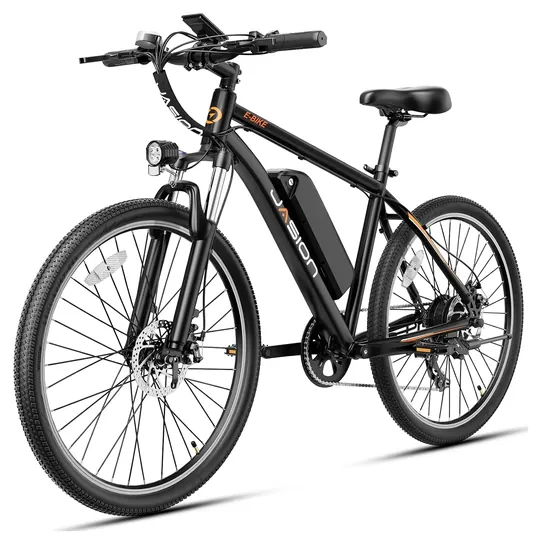
Seven budget and midrange electric bikes compared by battery, safety certification, warranty and speed class. The Jasion EB5 leads as a light, cheap commuter. When users buy our independently chosen editorial recommendations, we may earn commissions to help fund the Wiki.
The motor wattage splashed across budget e-bike ads is a peak number, and it says little about how a bike rides. The battery matters more: low-quality packs are the ones linked to fires, so look for a UL safety certification. These picks are bikes sold online at modest prices, for commuters, errand runners and anyone new to electric assist.


Editor's Notes
October 26, 2026, by Ezvid Wiki Editors:
The Jasion EB5 leads now. It's a light, plain commuter with a UL safety claim and a big base of owners, at a price a first-time rider can manage. None of the ten earlier bikes made the cut. They dated from 2019 to 2021 and have since been replaced or dropped by their sellers, and that list was built around off-road riding, while most readers want an everyday e-bike.
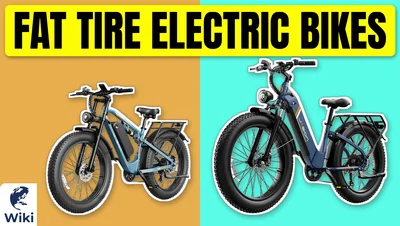
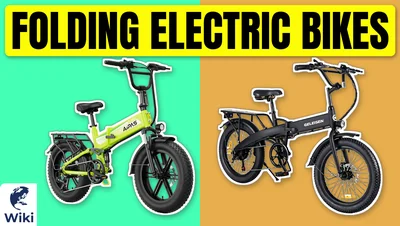
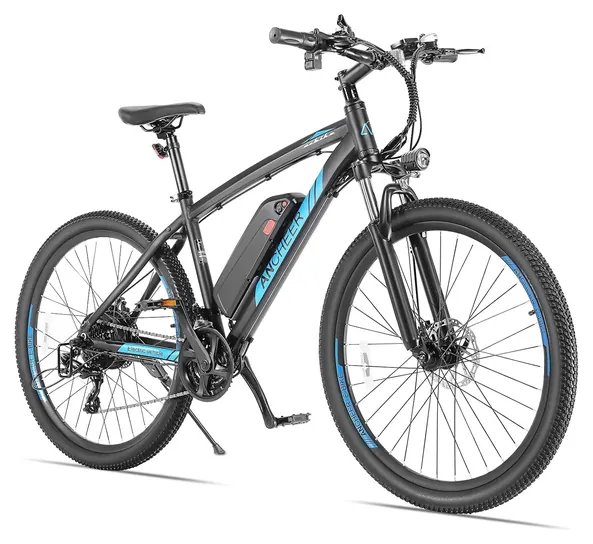
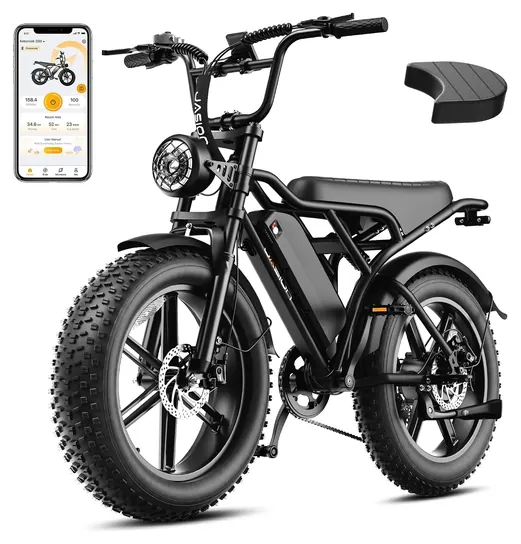
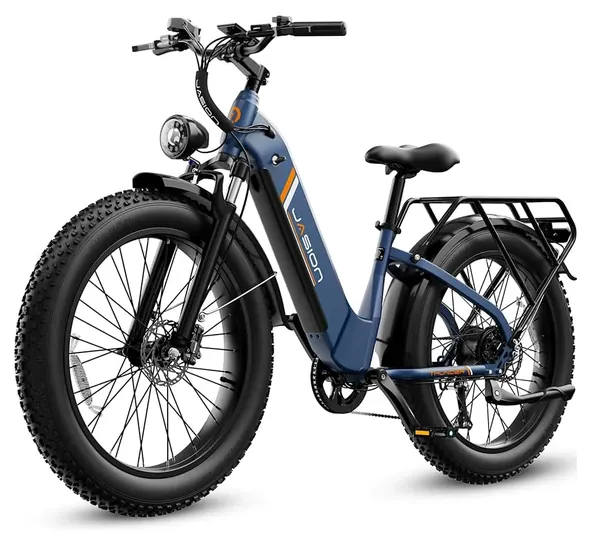
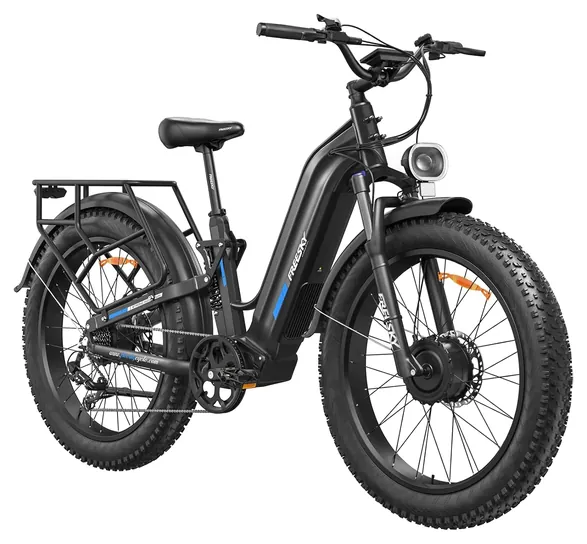
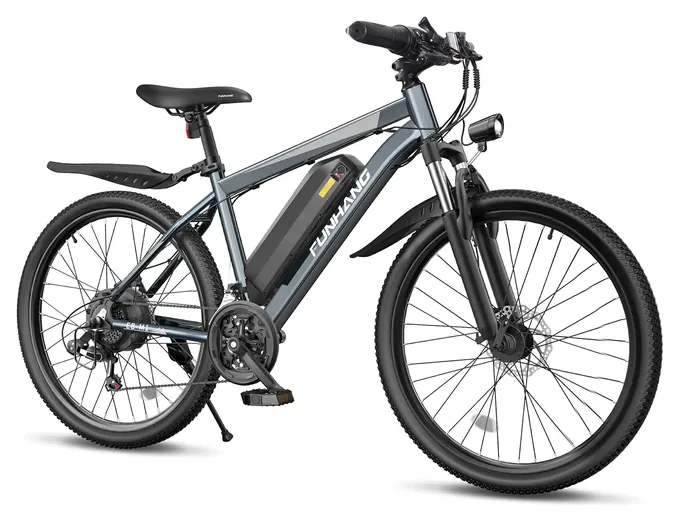
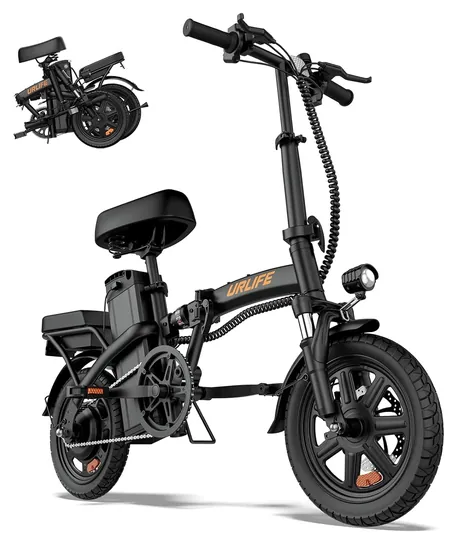
The new picks cover the common types: the Ancheer 27.5-Inch Mountain and Funhang EB-M1 for commuting, the Jasion Thunder and Freesky Ranger on fat tires, the moped-style Jasion RetroVolt and the Urlife 14-Inch Folder. Big direct-sale brands like Lectric and Ride1Up sell from their own sites, so they're in the honors below.
Battery fires weighed more than motor numbers here. We read every pick's UL certification claim and which lab made it, compared battery size and warranty terms, looked at what owners report about real range and early breakdowns, and checked each brand for CPSC recalls.
Earlier notes
November 2, 2020, by Gregg Parker:
This category consists of mountain bikes, so the assumption is that the user has plans for their bike beyond riding to and from work. That's why higher-power models have been favored, with the 750-watt DJ HE004 as one of the best. There are quite a few 500-watt options, but they aren't all created equal. The Speedrid 500W can reach unnecessary speeds, but is very heavy. Conversely, the Macwheel Wrangler favors range over speed.
But let's not forget that these are bikes, meant to be pedaled. The top choice is the 24-speed Speedrid 36V because, when ridden without the motor, it's the best bike, and has enough power to reach 20 mph, which is the top speed allowed if you're taking this on the road in the US.
It's really about what you want this bike for. If your plan is to use the pedal-assist at all times in order to get where you're going faster, you could go with something like the NCM Prague, which isn't as powerful but has a great range, or the NCM Moscow, which is pricey but has more power than the Prague. If you plan to ride manually most of the time and just use the motor for a little kick to get you up tough hills, then the Speedrid 500W, Ecotric Fat Tire, and Ancheer Pro, while not being the top of the line, all have features that benefit riders taking on outdoor trails.
One last feature to mention is the ability to fold up a bike for compact storage. The Cliensy Lithium and Ancheer Folding both have this ability, with the Ancheer Folding being the more lightweight of the two, an important consideration if you plan to pick it up and carry it into the office each day after riding to work.
October 4, 2019, by Christopher Thomas:
You can spend a few hundred or several thousand on an electric mountain bike, depending on how long your rides will be, how much power you want, and how smooth you want your experience to be. Ancheer, Merax, and Rattan make some excellent models that are perfectly reliable, though their gears may not shift as smoothly and they may not work as consistently well as those from bigger names. Models like the NCM Prague and DJ HE004 are solidly in the middle of the pack price-wise, though the NCM isn't nearly as powerful as the DJ. In fact, the DJ offers more performance than almost anything else. If you're going for an attractive choice as well as highly dependable and efficient drivetrain, consider the Grace MX II. It's a fantastic machine, but its price tag may put off some potential buyers.
As with any bike, whether motorized or not, proper safety equipment is required, including but not limited to a high-quality helmet, and if you will be taking any intense off-road trips, you should consider getting one that's made for mountain biking. Also, it never hurts to look at upgrading integral transmission components and tires.
October 3, 2018, by Daniel Goldstein:
Replaced several models because of availability concerns. Bumped the Cyrusher Fat Tire XF660 from #1 spot to #2 after finding the Addmotor Motan M-5800, a marvelous beast of a bike. Updated the Addmotor Motan M-550 with the newer model, the M-560. Removed models that function better as street bikes than they would in off-roading environments.
Special Honors
Lectric eBikes Lectric eBikes sells direct from its own site, and its folding XP bikes are among the best-known value e-bikes in the U.S. The range now includes the XP4 and XP Lite2 folders, the XPeak2 fat-tire bike, the XPress2 commuters and the XP Trike2 three-wheeler. 2026 buying guides from Electrek and others name its bikes in their under-budget tiers. lectricebikes.com
Ride1Up Ride1Up is a San Diego company that has sold e-bikes direct since 2018, mostly Class 3 commuters that assist to about 28 mph. It says most of its bikes are certified to UL 2271 and UL 2849 through TUV. Its Portola folder, Roadster V3 lightweight and Prodigy mid-drive show up across 2026 buying guides. ride1up.com
Riese & Muller Riese & Muller is a German maker of premium commuter, trekking and cargo e-bikes, sold through local dealers. Its bikes use Bosch mid-drive motors, which sit at the pedals and feel more natural on hills than a wheel motor. They cost several times as much as the bikes on this list, with dealer service to match. r-m.de
Peak Watts, Speed Classes And The Law
The big motor numbers on budget e-bike ads, 1,000, 2,000 or even 9,000 watts, are peak figures for a few seconds of full power.
The big motor numbers on budget e-bike ads, 1,000, 2,000 or even 9,000 watts, are peak figures for a few seconds of full power. The rated figure, often 500 or 750 watts, says more about how the bike pulls on a long hill, and battery capacity in watt-hours says more about range.
U.S. federal law treats a bike with working pedals, a motor under 750 watts and a top motor-assisted speed under 20 mph as a low-speed electric bicycle, regulated like a bicycle rather than a motor vehicle (Wikipedia: Electric bicycle laws). Most states then sort e-bikes into three classes. Class 1 assists only while you pedal, up to 20 mph. Class 2 adds a throttle, also capped at 20 mph. Class 3 assists pedaling up to 28 mph and needs a speedometer (Ride1Up: e-bike FAQ). Local rules decide which classes may use bike paths and trails.
Several bikes sold online claim 30 mph or more. At that speed they fall outside every class, and in many places they count as mopeds or motorcycles. Freesky's own instructions for the Ranger tell U.S. riders to keep its factory Class 2 mode on public roads. If a bike lets you set a speed cap, set it to your local limit before the first ride.
Battery Safety And UL Certification
The lithium-ion battery is the part that can hurt you. E-bike batteries have drawn fire scrutiny since 2019, and low-quality packs are more prone to defects; New York City and San Francisco now require UL-certified batteries on e-bikes sold there (Wikipedia: Electric bicycle). Two standards matter. UL 2849 covers the whole electrical system of an e-bike, including the battery, charger and motor controller. UL 2271 covers the battery pack alone. A trustworthy claim names the testing lab, such as UL, TUV, SGS or Intertek, and the maker can show the certificate on request.
Recalls tell you how a brand handles problems. In 2022 Ancheer recalled its model AM001907, which carried a water-bottle-shaped battery, over a fire and explosion hazard, and offered a free replacement battery and mount (CPSC: Ancheer e-bike recall). The Ancheer on this list is a different model. We found no CPSC recalls for the other brands here.
Charge with the charger that came with the bike, charge where you can see it and away from the door you would escape through, and unplug it once it's full. Stop using any battery that swells, smells, leaks or gets hot, and don't buy cheap replacement packs with no certification.
Choosing A Type, And The Brands Worth Knowing
Start with where you'll ride and where the bike will live. A light hardtail commuter with a front shock is the simplest and lightest choice for paved roads and bike lanes. Fat-tire bikes grip sand, snow and gravel but often top 70 pounds, which matters if you carry the bike upstairs. Moped-style bikes add a long seat and sometimes room for a passenger. Step-through frames are easier to mount for shorter riders and anyone with stiff hips. Folding bikes with small wheels fit car trunks and closets but ride slower and feel bumps more.
Range claims are best cases, with low assist on flat roads. Owners of budget bikes with 360 to 500 watt-hour batteries commonly see 20 to 25 miles of mixed riding. Read the warranty fine print for the battery, which is the costliest part to replace; terms on this list run from one year to two.
Many of the best-known e-bike brands sell direct from their own sites or through bike shops instead. Electrek's 2026 roundup by price tier names Lectric, Ride1Up, Aventon, Velotric and Heybike among the value brands, with Specialized, Trek and Cannondale at the premium end (Electrek: best electric bikes at every price level). Those bikes cost more, but they usually come with better parts, dealer or mail-in service, and published certification.
How we researched this
We compared 18 electric bikes from two retail searches against 2026 buying guides, read the seller specs, warranty terms and UL certification claims for the 7 finalists, analyzed owner feedback on range and reliability, and checked every brand against Consumer Product Safety Commission recalls. We found no independent lab tests of these models, so all specs here are the sellers' claims.
Frequently asked questions
What are Class 1, 2 and 3 e-bikes?
Class 1 bikes help only while you pedal, up to 20 mph. Class 2 bikes add a throttle, also capped at 20 mph. Class 3 bikes assist pedaling up to 28 mph and have a speedometer. Most states use these classes to decide where each bike may ride.
Do I need a license for an electric bike?
Not under federal law, if the bike has pedals, a motor under 750 watts and assisted speed under 20 mph. State and local rules can add helmet, age and path limits, and bikes that go faster can count as mopeds.
What does UL 2849 mean on an e-bike?
It's a safety standard for the whole electrical system: battery, charger and motor controller. UL 2271 covers the battery alone. Look for the name of the lab that did the testing, not just the logo.
How far can a budget e-bike go on one charge?
Owners of bikes with 360 to 500 watt-hour batteries commonly get 20 to 25 miles of mixed riding. Advertised ranges assume low assist, flat roads and a light rider.
What are the best e-bike brands?
Among value brands, Lectric, Ride1Up, Aventon and Velotric get the most attention from reviewers, and they sell mostly direct. Specialized, Trek and Riese & Muller lead at the premium end through dealers. Jasion and Ancheer are common lower-cost choices sold online.
Is a 1,000-watt e-bike legal?
That number is usually peak power. What counts legally is the rated motor power and the top assisted speed. A bike that assists past 28 mph falls outside the e-bike classes in most states.