The 9 Best Electric Callus Removers
Updated by · How we research

Nine electric foot files compared on grit, power source, pressure stops and cleanup. The Elmchee FFR0001 leads for its safety stop, three rollers and low cost. When users buy our independently chosen editorial picks, we may earn commissions to help fund the Wiki.
U.S. and British health agencies agree on one rule before anything else: if you have diabetes, poor circulation or numb feet, don't remove calluses yourself; see a podiatrist. For everyone else, a spinning roller or disc wears down hard skin on heels and soles with less effort than a pumice stone, though thick buildup still takes a few short sessions.


Editor's Notes
October 26, 2026, by Ezvid Wiki Editors:
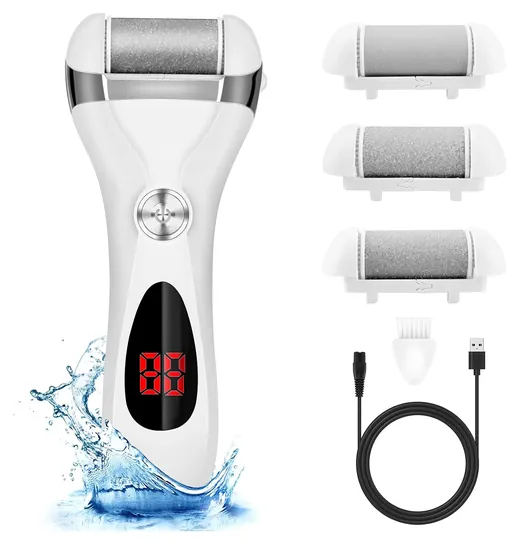
Our new first choice is the Elmchee FFR0001, a rechargeable roller with three grits, a pressure stop and a one-year warranty, and it costs little enough that a worn-out unit isn't a disaster. Most of the old picks are gone: the Emjoi Micro-Pedi Nano, Emjoi Micro-Pedi Pro, Dreamster Machine, Zoe+Ruth Foot File, Pure Enrichment PurePedi and Utilyze Turbo-Boost could no longer be found new.
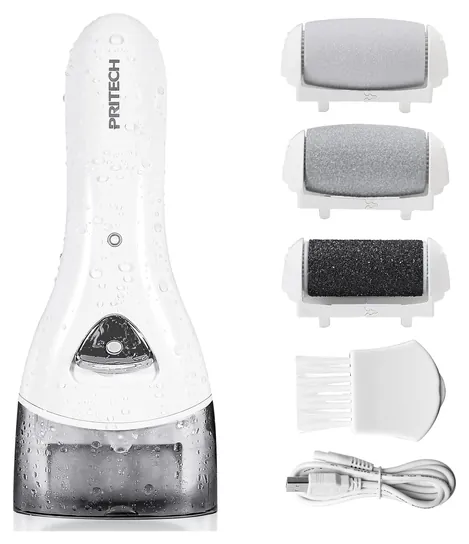
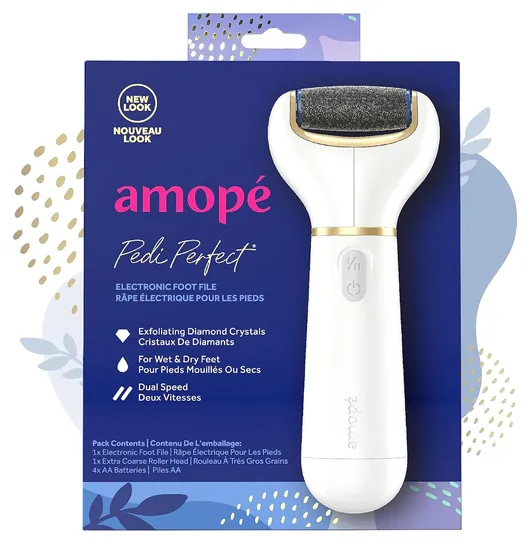
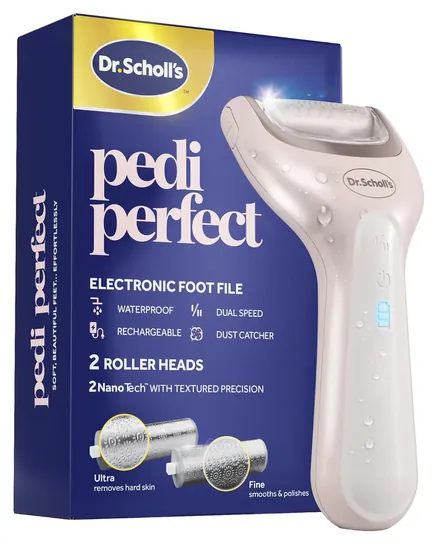
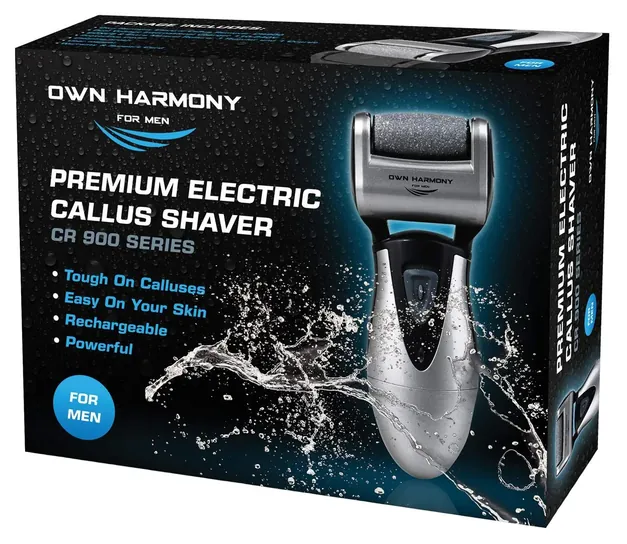
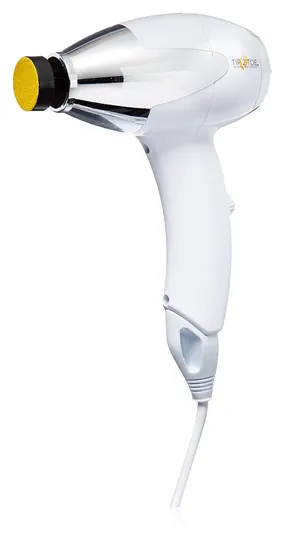
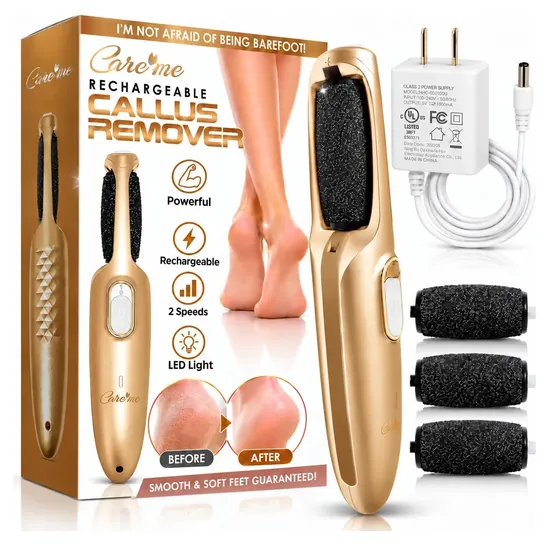
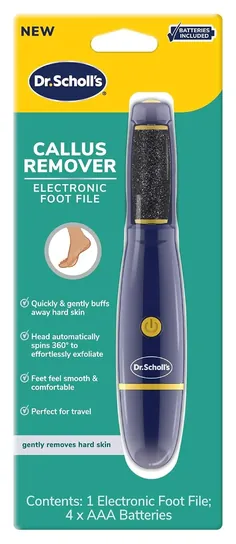
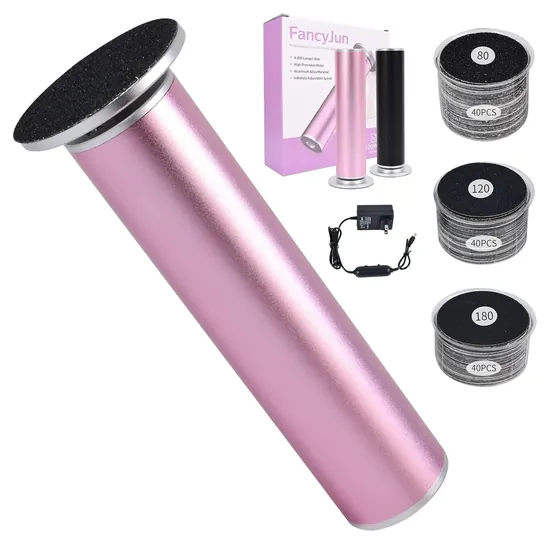
The Tip2Toe Professional, Pritech BCM-1138, Own Harmony CR900 and Care Me PL22 stay. New picks include the Amope Pedi Perfect, the Dr. Scholl's Pedi Perfect Rechargeable, the pocket-size Dr. Scholl's Electronic Foot File and the FancyJun FJ-800R, a disc tool for people who want a fresh sanding surface every time. We passed on a crowd of look-alike USB wands that share one design and one set of specs.
The only independent test we could find is old: a 2015 Consumer Reports panel of 20 people, which found that motorized files took less effort than hand files but worked more slowly. So this update leans on the Amope and Dr. Scholl's maker pages, CDC and NHS foot-care guidance, the failures owners describe most often (rollers and batteries that quit early) and a federal recall search that came up empty.
Earlier notes
October 31, 2020, by Gia Vescovi-Chiordi:
This is a category where manufacturers are consistently improving and upgrading their models to have a longer battery life, more power, and better ergonomics, so we made sure to keep selections around that are among some of the most recent iterations available.
There is also a glut of a specific type of callus remover that follows the same general design as the likes of the Emjoi Micro-Pedi Pro and popular Own Harmony CR900, so we decided to bring the Care Me Powerful and Dreamster Machine into the mix. Each of these sports a slimmer body with either a rolling head or a rotating disc, and offers people more versatility when it comes to how they maneuver their unit around hard to reach places. This will likely come down to preference, so we're glad to have more diversity in that area.
Sadly, the Amopé Pedi Perfect Advanced has recently been dealing with battery corrosion issues, and due to numerous complaints, we decided to remove it from our list for now. We said goodbye to the Care Me CM-201 to bring on the aforementioned Care Me Powerful and axed the MiroPure Waterproof due to availability concerns. In its place you'll find a similar, yet more powerful, waterproof option in the Pritech Portable.
We want to stress that using one of these electric callus removers is not advisable if you have certain skin conditions or other medical issues, are diabetic, or have poor circulation. They should also not be used on skin that is red, irritated, inflamed, infected, or blistered. If you're doing this in conjunction with another treatment, like a softening cream, foot spa, or peel, know that this can be harsh on your skin, especially if it's sensitive, and you should proceed with caution. Also, don't forget to moisturize.
December 17, 2019, by Gia Vescovi-Chiordi:
Cracked heels, calluses, and corns tend to develop quickly, yet are stubborn to get rid of. While a pumice is great for using in the shower to keep skin from getting too tough, once a callus forms, you're better off using an electric option to remove it. Because they are powerful and can clear away a ton of dead skin in one go, you should never use them on severely cracked, inflamed, or irritated skin and always follow up with a deep moisturizer like shea butter or coconut oil.
We made quite a few updates to this list, including upgrading the old Amope model to its newest design, the Amopé Pedi Perfect Advanced. This model is relatively similar, but it now offers two speeds instead of one and better handling.
We said goodbye to the Masirs Spa Quality in favor of the Utilyze Turbo-Boost, a much more reliable and powerful option. It's only available with extra-coarse roller head replacements, so we'd recommend skipping it if you have sensitive skin or don't need to tackle super-tough calluses.
Also joining the ranks is the MiroPure Waterproof, one of the only fully submersible units available. Many others are water-resistant to an IP5 rating, such as the Zoe+Ruth Foot File, which makes them safe to place under running water for cleaning, but not to take into the shower with you.
The Own Harmony CR900 is also a new addition, as well as the diminutive Emjoi Micro-Pedi Nano, which has a corded design that makes it more powerful and reliable than many battery-operated options.
Special Honors
Gehwol Med Callus Cream Calluses that keep returning to the same spot can be softened between filing sessions with a urea cream. Gehwol, a German foot-care maker, blends urea with glycerin and allantoin in this one and says it softens hard skin within days. It's a good follow-up after filing. People with diabetes should ask their doctor before using any callus treatment. gehwolfootcare.com
APMA Find A Podiatrist The American Podiatric Medical Association runs a free directory of foot doctors that you can search by location. It's the place to start for a callus that hurts, bleeds or keeps coming back, or for anyone with diabetes or poor circulation, since a podiatrist can trim it safely and look for the cause, such as foot shape or footwear. apma.org
Why Calluses Form, And When To Leave Them Alone
A podiatrist can pare it down safely and look at what's causing it.
A callus is skin's answer to repeated pressure or rubbing. The NHS lists the usual causes: shoes that are too tight or too loose, high heels, going without socks, the shape of the foot bones, and the fat pad under the heel thinning with age. Filing removes the hard layer, but the callus comes back if the pressure that built it stays.
Some people shouldn't file at all. The CDC tells people with diabetes not to remove corns or calluses themselves, and to check their feet every day, because nerve damage can hide a scrape until it becomes an infection. The NHS gives the same advice for poor circulation and a weak immune system, and it says to see a doctor or foot specialist when a callus hurts, bleeds or hasn't improved after about three weeks of home care. A podiatrist can pare it down safely and look at what's causing it.
Rollers Or Discs, Batteries Or A Cord
Most electric files spin a small drum, called a roller, coated in quartz sand, mineral crystals or diamond grit. Coarse rollers take off thick heel skin; fine ones polish and keep it smooth. A kit with several grits covers both jobs, while a set of only coarse rollers suits heavy buildup. Amope sells extra-coarse, coarse and soft-touch refills for its wand, and Dr. Scholl's pairs an ultra roller with a fine one. Disc tools work like a pedicurist's sander: a stick-on sandpaper disc that you replace when it's worn, which also keeps things clean.
Power is the other choice. USB wands are cordless and cheap but carry a small lithium battery that can fade. AA or AAA wands need no charger, which helps on trips, though cells add up. Corded units never stall for lack of charge and suit regular, heavy use. A 2015 Consumer Reports panel, summarized by KSAT, found motorized files took less effort than hand tools but were slower and could stop on very tough calluses. Pressure stops, dust catchers and rinseable bodies are worth having on any of them.
Getting Good Results Without Overdoing It
Follow the maker on wet or dry use. Amope tells owners to file dry feet and to rinse and dry the roller afterward; some waterproof wands allow use in the shower, but dry skin usually shows progress better. Glide the head with light pressure and keep it moving. Stop if the skin turns pink, stings or feels warm, and never use one on broken, irritated or infected skin. Thick calluses come down over a few short sessions, not one long one.
The NHS suggests softening hard skin with a moisturizer made for feet, wearing cushioned socks and wide, low-heeled shoes, and never cutting a callus with a blade. Brush skin dust out of the head after each use, don't share the tool, and replace rollers or discs once they feel smooth. A file that leaves powder everywhere is normal; work over a towel or the bath.
How we researched this
We compared 16 electric callus removers, read the Amope and Dr. Scholl's maker pages and the published specs for the rest, used the one independent panel test we found (Consumer Reports, 2015), read CDC and NHS foot-care guidance, analyzed owner feedback for recurring failures, and checked every brand against U.S. Consumer Product Safety Commission recall records.
Sources (8)
- Amope: Pedi Perfect Electronic Foot File
- Dr. Scholl's: Pedi Perfect Electric Foot File
- KSAT: Consumer Reports tries PedEggs, Amope Pedi Perfect (2015)
- NHS: Corns and calluses
- CDC: Diabetes and your feet
- CPSC SaferProducts.gov recalls
- Gehwol: Med Callus Cream
- American Podiatric Medical Association: Find a Podiatrist
Frequently asked questions
What is the best electric callus remover for cracked heels?
A wand with a coarse roller and a pressure stop, such as the Elmchee FFR0001 or the Amope Pedi Perfect, handles most cracked heels. File dry skin lightly over a few sessions, then moisturize. Deep, bleeding cracks need a doctor, not a file.
Is an electric callus remover safe for people with diabetes?
Generally no. The CDC says people with diabetes should not remove corns or calluses themselves, and the NHS says the same for poor circulation. See a podiatrist instead.
Should I use it on wet or dry feet?
Follow the maker. Amope says dry feet only. Some waterproof wands can be used in the shower, but dry skin usually files more evenly and shows progress better.
How often can I use one?
Once or twice a week is plenty for most people. Use light pressure, keep the head moving and stop if the skin gets pink, sore or warm.
Is an electric file better than a pumice stone?
It takes less effort. A 2015 Consumer Reports panel found motorized files easier to use than hand tools but slower, and they could stall on very hard calluses.
Why do calluses keep coming back?
The pressure that built them is still there. Tight or loose shoes, high heels, no socks and foot shape are common causes, per the NHS. Better shoes, cushioned socks or insoles help keep them from returning.