The 8 Best Electric Scooters For Commuting
Updated by · How we research

Eight commuter e-scooters compared on real range, weight and tires. The Segway Ninebot F3 leads for comfort; the Gotrax GXL V2 suits riders with stairs. When users buy our independently chosen editorial recommendations, we may earn commissions to help fund the Wiki.
Most electric scooters go only about half as far as the box claims once a real adult rides them at full speed, in cold air or up hills. So size the battery for your round trip with room to spare. This list is for adult commuters weighing portability against comfort, from light folders for stairs to heavy, cushioned cruisers.


Editor's Notes
October 23, 2026, by Ezvid Wiki Admin:
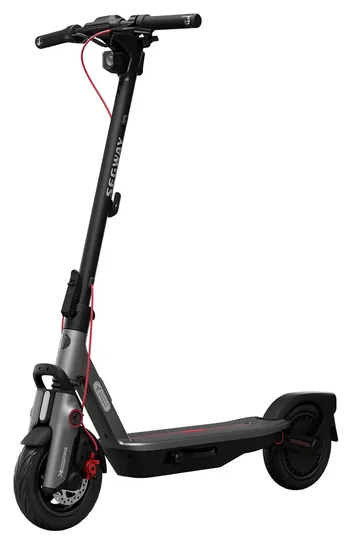
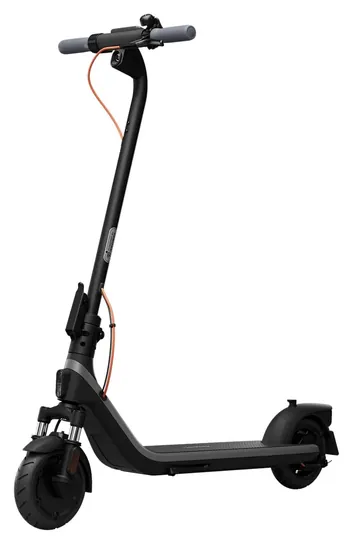
The Segway Ninebot F3 now leads, because it pairs air-filled tubeless tires and real suspension with certified battery and wiring, yet one person can still lift it. The old list had aged badly. The Segway Ninebot MAX is gone, and a close sibling of it was recalled in 2025 because the folding latch could fail. The Segway Ninebot ES4, Gotrax XR Ultra and Xiaomi Mi M365 have left the market, and the Razor E300 and Razor EcoSmart Metro are a youth scooter and a seated model that are also gone. Three picks were never kick scooters at all: the Swagtron EB5 Pro and Jetson Bolt are folding e-bikes, and the Segway Ninebot S is a self-balancing board.
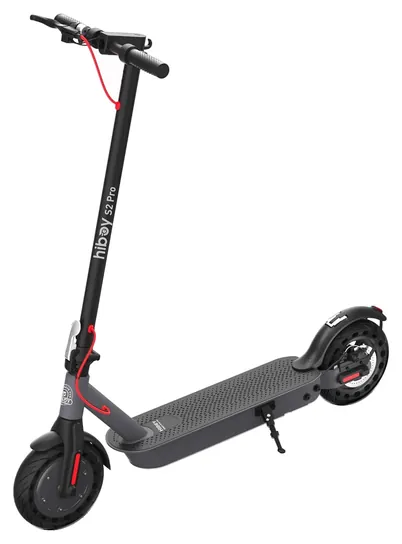
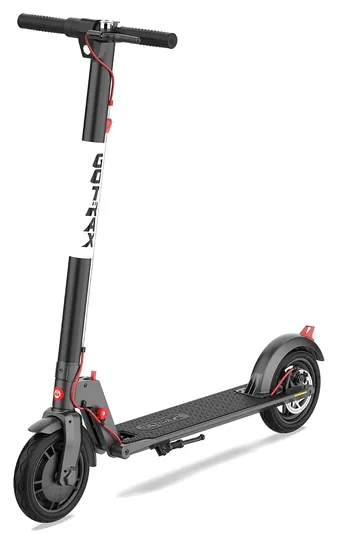
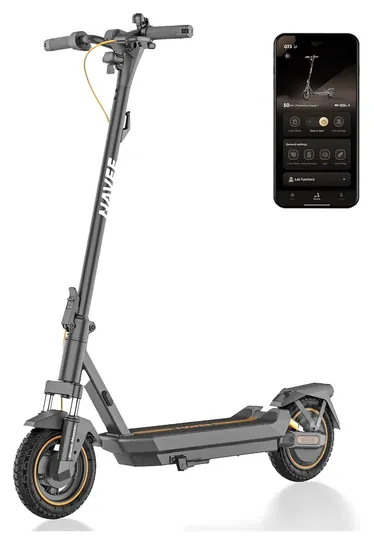
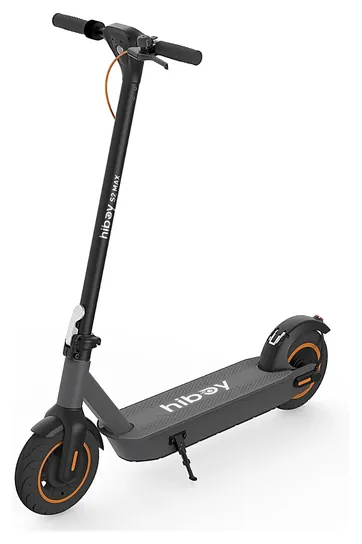
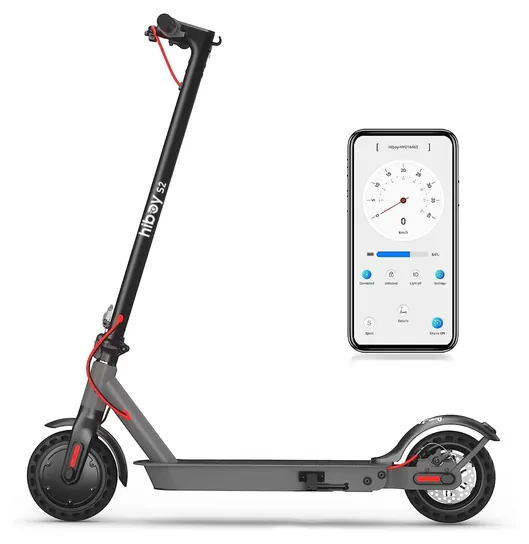
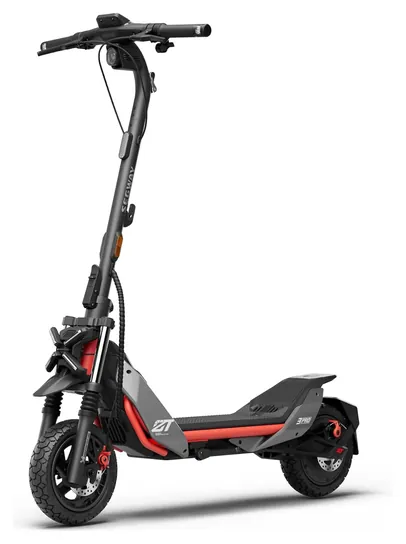
The Hiboy S2 stays as the simple budget choice. New are the Segway Ninebot E3 Pro, Hiboy S2 Pro, Gotrax GXL V2, Navee GT3, Hiboy S2 MAX and Segway ZT3 Pro. The finding that shaped the order came from long-term street rides of the Segway models, where real range landed at roughly a third to a half of the printed figure, so we weighed comfort, weight and safety listings above claimed miles.
October 07, 2020:
In the world of electric transportation scooters are what's generally known as a last-mile vehicle. This refers to the fact that most often these devices fit into a commute as a bridge between other methods of transportation, such as between your parked car and a train station, or a bus stop and your workplace. They're generally light enough to carry on public transport, they can usually fit in the back of a personal vehicle, and they often stow easily in your office or cubicle once at a work. Not to mention, they're also a fun recreational device in their own right. If your commute is on the shorter side and you could charge at your workplace it is feasible that a scooter could handle your commute entirely, but they are generally thought of as short-distance solutions since their small form factors can't carry the large batteries found on things like e-bikes or electric mopeds.
A vast majority of electric scooters have an estimated maximum range of between 10 and 20 miles, and of course this can vary widely depending on your weight, the presence of hills, and your usage of acceleration and speed. The shining exception to this is the recently released Segway Ninebot MAX, which offers an amazing maximum range of 40 miles. This is easily more than double the maximum range of most other options. This takes it into a realm much more akin to an e-bike, as it could easily be your sole commuting vehicle. Of course your real maximum mileage may very, but even if you can really only get 30 miles of range out of it reliably that means you would still be getting much more mileage than a selection with a claimed maximum of 15 miles, which might deliver 10 or even less in the same situation. The only major downside to this excellent choice is its weight of 40 pounds, which is also much more than other models. This means that, while it's probably the best scooter if you're wanting something that holds its own as an all-around vehicle, if you actually are looking for something to ride to the bus station it may not be the best option.
If you require a model that won't be as cumbersome to carry on the train and will be easy to take up your apartments stairs you're better off with something like the Hiboy S2, Gotrax XR Ultra, or Segway Ninebot ES4. These selections represent the more standard design of electric scooters, a lightweight vehicle that may not be fast but is much better than walking. All three of these models are relatively similar in terms of top speed and range, but differ in areas such as braking scheme, wheel type, and so on. These models also cover a wide range of price points, so after deciding on your budget and considering which features you want it's hard to go wrong with any of them.
We've also included a few items on our list that sit somewhere between an e-bike and an electric scooter, namely the Razor EcoSmart Metro, Swagtron EB5 Pro, and Jetson Bolt. The main benefit of these vehicles is that they offer a seated riding position that many users may find more comfortable and stable than standing, however their compact designs and twist-and-go operation mean that they still provide a very scooter-like experience, and are appropriate for many of the same circumstances.
Regardless of which model you choose, be sure to observe your local laws concerning electric scooters, and maintain the utmost safety at all times while riding by being aware and wearing a good helmet. If after reading this list you find that you require something even more portable, you may want to check out our article on electric skateboards.
October 25, 2018:
Included self-balancing options and a hybrid cycle to cover various commuter types, terrains, and distances.
October 24, 2018:
Incorporated safety advisory to address issues with nascent technology and improper use leading to elevated risks of accident or injury, especially among inexperienced users.
Special Honors
Segway Ninebot Max G3 Segway's long-range commuter is the one to look at if your round trip runs past what a mid-size scooter can manage. In Wired's long-term rides it covered about 19 miles on a charge and recharged in about three and a half hours, with tubeless tires and suspension. It's heavy, past 50 pounds, and costs more than most picks here. Segway and its dealers sell it. segway.com
NIU KQi 300X NIU builds sturdy, quick-folding commuters with turn signals and a two-year warranty. The KQi 300X has wide air tires and suspension, and Wired got about 16 miles from it on a charge, a solid real-world result for a mid-price commuter. It's heavy for stairs. NIU sells several KQi models under one combined listing, so confirm the exact model before you buy. niu.com
Range: Plan On About Half The Claim
Heavier riders, hills, headwinds, cold weather and the fastest mode all cut range further.
Makers measure range with a light rider on flat ground in the slowest mode, so the number on the box is a best case. In Wired's long-term rides, the Segway Ninebot F3 managed a little over 10 miles against a claim several times that, the Segway E2 Pro went under 10 miles, and the Segway Max G3 covered about 19 of a claimed 40. Heavier riders, hills, headwinds, cold weather and the fastest mode all cut range further.
A simple rule: double your one-way commute, then pick a scooter whose claimed range is at least twice that round trip. A 5-mile commute each way calls for a claim of about 20 miles or more. If you can charge at work, you can get by with less.
Don't trust the battery bars too much. Most meters read battery voltage, which sags on a climb and springs back on flat ground, so the reading can drop on a climb and recover at the top (Wired). Learn how far your own scooter goes on your route in the first week, and leave a margin.
Weight, Tires And Rider Limits
Weight decides where a scooter can live. Ultralight folders around 25 to 30 pounds, like the Gotrax GXL V2, go up a flight of stairs or onto a train without much fuss. Mainstream commuters at 35 to 45 pounds are a real two-handed carry. Long-range and off-road models past 50 pounds, like the Segway ZT3 Pro, belong in a garage or a ground-floor hallway. If you live upstairs with no elevator, let weight decide first.
Tires decide how the ride feels. Solid or honeycomb tires never go flat and need no upkeep, but they pass bumps straight to your feet and grip less on wet roads. Tubed air tires ride softly but puncture. Tubeless air tires sit in between: thicker, tougher and comfier, though you still check the pressure (Wired). On smooth bike lanes, solid tires are fine. On broken pavement, look for air tires, suspension or both.
Check the rider limit, too. Many budget scooters stop at 220 pounds, while several Segway models list 265. Riding near the limit cuts range and speed on hills, and going over it strains the frame and brakes.
Safety, Charging And Local Rules
Buy a scooter certified to UL 2272, the U.S. electrical and fire safety standard for personal e-mobility devices, and ideally UL 2271 for the battery pack. The label alone isn't proof: in 2025 the Consumer Product Safety Commission recalled Transpro scooters that carried unauthorized UL battery labels, and Walmart recalled Swagtron SG-5 scooters over fire risk. Stick with known brands. Charge with the original charger, on a hard floor, while you're awake and home, and never plug in a wet port.
Folding latches matter as much as batteries. Segway recalled about 220,000 Ninebot Max G30P and G30LP scooters in 2025 because the folding mechanism could fail, and the Ninebot P100 was recalled in 2024. Check that the latch is locked before every ride, and look up your model on the CPSC site now and then.
Rules vary by state and city: speed caps, sidewalk bans, bike lane access, helmet laws and minimum ages. New York City, for one, caps them at 15 mph. Wear a helmet whatever the law says, ride with lights on after dark, avoid rain even if the scooter carries a water rating, and brake early on wet paint and tram tracks.
How we researched this
We compared about 20 current electric scooters from nine brands and narrowed them to eight finalists. For each finalist we gathered the maker's published specs, used Wired's long-term street rides for real range and comfort where they covered our picks, read owner feedback for recurring problems, and checked every brand against U.S. Consumer Product Safety Commission recall records. Range figures marked as claims are the makers' numbers.
Frequently asked questions
How far will an electric scooter really go on one charge?
Usually about a third to a half of the maker's claim. Independent street rides of popular Segway models found 10 to 19 miles against claims of 25 to 40. Rider weight, hills, cold and the top speed mode all cut range.
Are solid or air-filled tires better for commuting?
Solid tires never go flat and need no upkeep, but they ride harshly and grip less in the wet. Tubeless air tires are comfier and rarely puncture, but you need to check the pressure. On rough streets, choose air tires or suspension.
Can I take an electric scooter on a train or bus?
Often, if it folds, but transit agencies set their own rules, and some ban e-scooters at rush hour or outright. Check your agency's policy first. A light scooter is far easier to carry through stations and up stairs.
Is it safe to charge an electric scooter overnight?
It's safer not to. Charge while you're home and awake, on a hard floor away from exits, with the original charger. Buy a scooter certified to UL 2272, and unplug it once it's full.
Where can I legally ride an electric scooter?
It depends on your state and city. Many allow scooters in bike lanes and on some roads but ban them on sidewalks, and some set speed caps, helmet rules or minimum ages. Check your city's transportation department before you ride.