The 9 Best Circuit Boards For Kids
Updated by · How we research

Snap-together kits, wired modules and puzzle boards compared by age, project count and parts quality, with Snap Circuits Jr. SC-100 as the best first set. When users buy our independently chosen editorial recommendations, we may earn commissions to help fund the Wiki.
Most kids' circuit boards are not printed circuit boards: they are reusable parts that snap or clip together on a plastic base, with no soldering and no wall power. The age on the box matters more than the project count, because a kit that is too hard ends up in the closet. These suit curious kids from kindergarten up.
At a Glance


Editor's Notes
October 23, 2026, by Ezvid Wiki Editors:
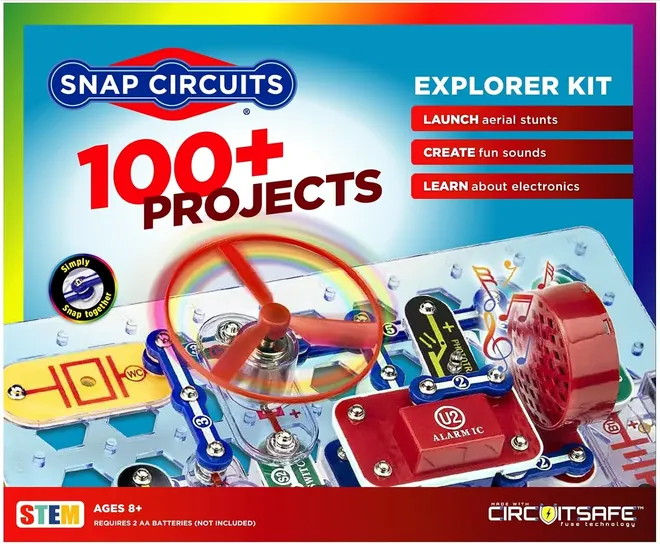
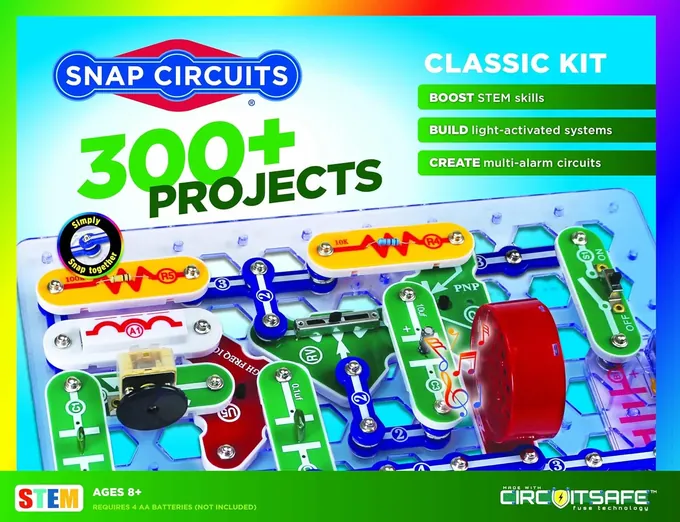
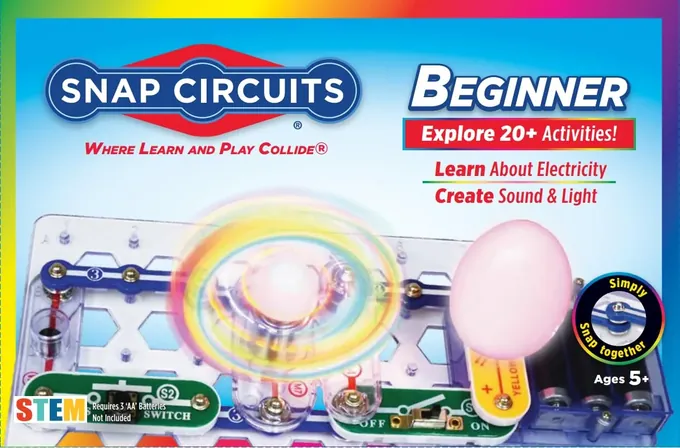
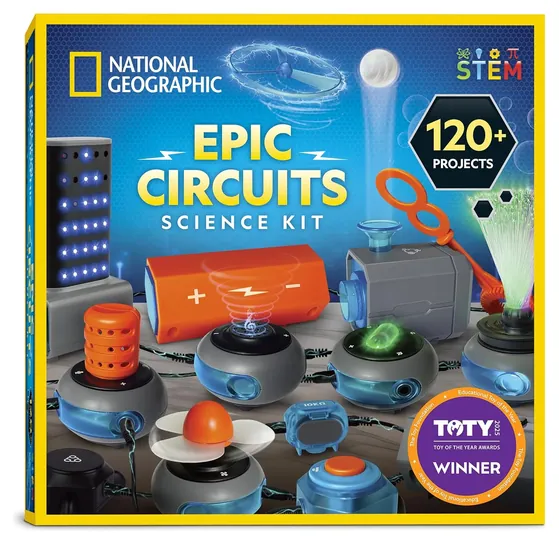
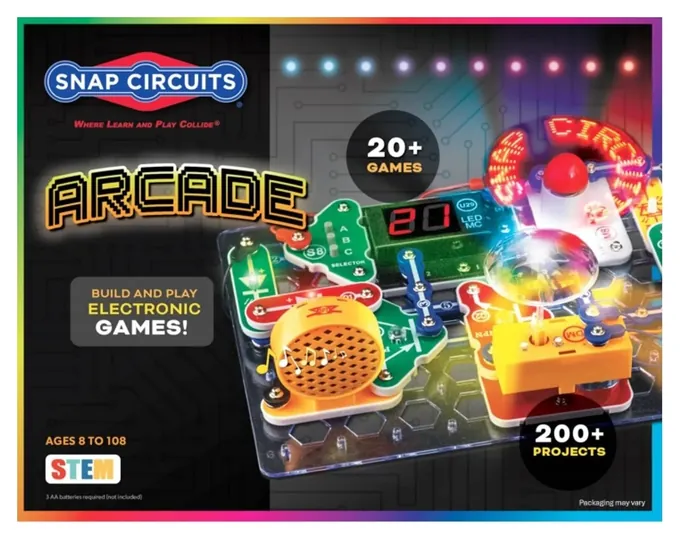
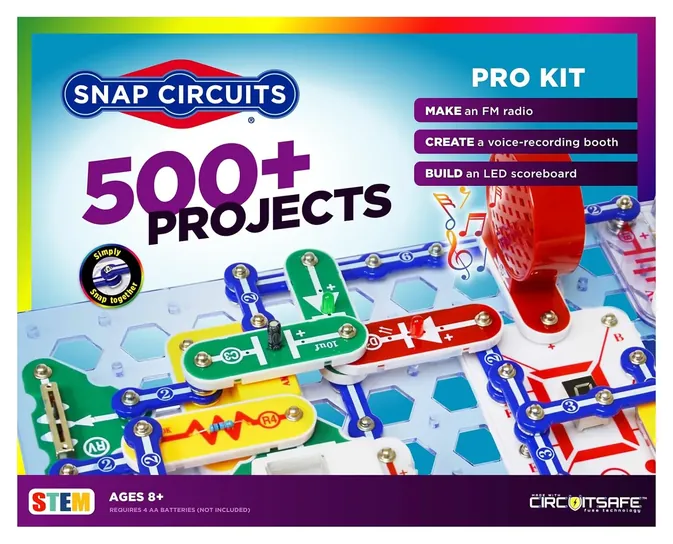
The Snap Circuits Jr. SC-100 is our new first choice: it's simple and sturdy, Wirecutter recommended it, and its parts carry over into bigger Snap Circuits kits, so nothing is wasted if a child gets hooked. We added the Snap Circuits Classic SC-300 and Snap Circuits Pro SC-500 for kids who want more, the Snap Circuits Beginner SCB-20 for five-year-olds, the Snap Circuits Arcade SCA-200 for gamers, and National Geographic Epic Circuits as a wired alternative.
The Snap Circuits LIGHT Exploration Kit, SmartLab Toys Smart Circuits and Pantheon Circuits for Kids are gone because we couldn't find them sold new at a fair price. Plenty of readers compare Snap Circuits with littleBits, but we couldn't find littleBits kits sold new either.
What we leaned on here: Elenco's and Blue Marble's project counts and age grades, a 2018 Wirecutter comparison that is still the most thorough outside look at these kits, parents' long-term reports on dud parts and loose contacts, and a check of every brand against U.S. recall records. ThinkFun Circuit Maze stays for puzzle fans, though its tiles can work loose.
Earlier notes
January 31, 2020, by Nate Lakritz:
Educational toys like circuit kits are perfect for keeping kids productive without them even realizing it. They’re also quite easy to understand thanks to clearly outlined instructions, often in the form of colorful diagrams. It’s ingenious to let kids play with a circuit board kit and gradually learn electrical engineering concepts that may otherwise be intimidating when presented in the form of a textbook or course.
I didn’t choose any microcontroller kits for this list because they are often too advanced for young children and potentially dangerous. They also require external tools and basic computer programming knowledge. Alternatively, snap circuit kits are the perfect way to get exposed to circuit building. Wires are protected and the boards are structured so that components can simply snap into place. This creates a level of abstraction that kids can get quickly familiar with.
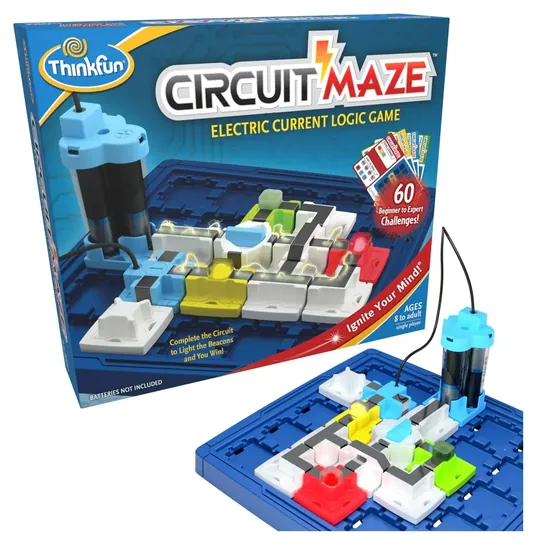
While snap circuits kits compose the majority of products on this list, there are also variations of this concept like ThinkFun Circuit Maze that stray even further from traditional electronics. This maze game is an interesting twist on circuit building, as it uses electronic components to form the basis puzzle. Instead of using a traditional breadboard, a blocky grid is used.
Special Honors
BBC micro:bit The micro:bit is a pocket-size programmable board backed by the nonprofit Micro:bit Educational Foundation. It has a grid of lights, two buttons and built-in sensors, and kids program it in a free browser editor by dragging blocks, then move on to Python or JavaScript. It suits a child who has outgrown snap kits and wants to write code, though it needs a computer or tablet. The foundation's site has free lessons and project ideas. microbit.org
Snap Grid, Wired Modules Or Puzzle Board?
The parts double as the wires, so a diagram turns straight into a working circuit, and pieces from one Snap Circuits set work in another.
Most kits for kids fall into a few types. Snap kits, led by Elenco's Snap Circuits, use numbered, color-coded parts with metal snaps that press onto a plastic grid. The parts double as the wires, so a diagram turns straight into a working circuit, and pieces from one Snap Circuits set work in another. Wirecutter's comparison of kids' electronics kits liked the Snap Circuits Jr. for being sturdy and simple, and noted that its instructions are harder to follow than the build itself (kb6nu.com summary of Wirecutter's picks).
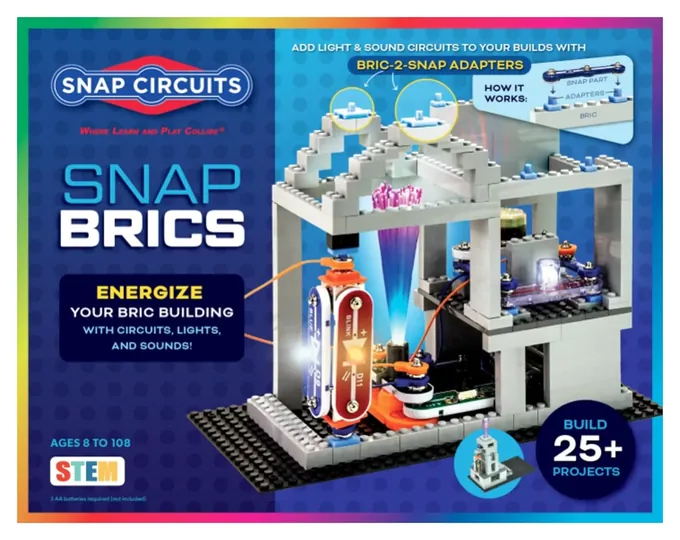
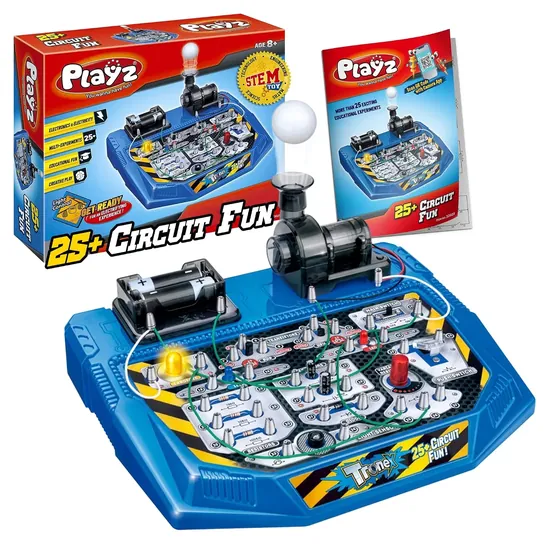
Wired kits, like National Geographic's Epic Circuits or the Playz board, connect modules with short leads. That looks more like real wiring, but loose leads tangle and pull out. Puzzle boards, such as ThinkFun's Circuit Maze, hide the theory inside a logic game, and brick kits add lights and motors to plastic-brick models. Kids who outgrow all of these usually move on to a programmable board such as the micro:bit or an Arduino starter kit, which add coding (SlashGear's roundup of learning kits).
Match The Kit To The Child, Not The Project Count
The age on the box is the best guide. Most snap and wired kits are graded 8 and up because the manuals expect a child to read a diagram alone. Elenco's Beginner set is graded 5 to 9, with fewer parts and picture-only steps. Younger kids can still enjoy the bigger sets with help: one family review of the Snap Circuits Jr. with children aged five and seven found they needed guidance but stayed keen (QuirkyFusion).
Project counts grow with the parts: about 100 builds in a starter set, 300 or 500 in the larger ones. Many are small variations, such as the same circuit with a different switch, so a bigger number doesn't mean a deeper kit. A safer plan is to start small and add parts. Elenco sells upgrade kits that turn a smaller Snap Circuits set into a larger one, and its own site lists replacement parts (Elenco). The real learning comes when a child stops copying the book and asks what happens if a part moves.
Batteries, Small Parts And Safe Play
These kits run on low-voltage AA or AAA batteries, and most don't include them. Use fresh alkaline cells, take them out after play, and never connect any part to a wall outlet or a household charger unless the maker says to. A wire or part that links both ends of a battery directly makes a short circuit, which drains the cells quickly and can make the wire or battery hot, so show kids how to spot one.
Toys for children 12 and under sold in the U.S. must meet the federal toy standard, ASTM F963, and be tested by a third-party lab (CPSC toy safety). Kits like these contain small parts, which are banned in toys for children under 3 and must carry a choking warning for ages 3 to 6 (16 CFR 1500.19). Keep the box and its parts away from toddlers, count the pieces back into the tray, and watch for coin or button batteries in any add-on, since they are dangerous if swallowed. We found no recalls for any brand on this list in U.S. recall records (CPSC recalls).
How we researched this
We compared 17 circuit kits for kids, read the makers' project counts, age grades, battery needs and warranty terms, used a 2018 Wirecutter comparison and two other independent write-ups, looked at long-term owner feedback on durability and dud parts, and checked every brand against U.S. Consumer Product Safety Commission recall records.
Frequently asked questions
Are Snap Circuits good for kids?
Yes, for most kids 8 and up. The parts snap together without tools, they're sturdy, and pieces from one set work in another. Wirecutter recommended the Snap Circuits Jr. SC-100. Kids from about 5 can start with the Snap Circuits Beginner SCB-20.
Snap Circuits or littleBits: which is better?
littleBits used small modules that join with magnets, and reviewers liked them. We couldn't find littleBits kits sold new in current listings, so Snap Circuits is the practical choice today, with the widest range of sets and replacement parts.
Do kids' circuit kits need soldering or wall power?
No. The kits on this list snap, clip or wire together by hand and run on AA or AAA batteries. Never connect their parts to a wall outlet.
Do circuit kits come with batteries?
Usually not. Check the box for the size and count, and use fresh alkaline batteries. Take them out when the kit goes back on the shelf.
What is a circuit puzzle board?
It's a logic game that uses a real circuit. In ThinkFun Circuit Maze, the player places tiles to complete a path, and the lights come on only when the circuit is right.