The 10 Best Enzyme Drain Cleaners
Updated by · How we research

Ten enzyme and bacterial drain cleaners compared on what they digest, dosing and septic safety. Bio-Clean Drain Septic leads for whole-house and septic use. When users buy our independently chosen editorial picks, we may earn commissions to help fund the Wiki.
Enzyme drain cleaners are for prevention, not rescue. Their bacteria and enzymes digest the grease, food film and soap scum that slowly narrow a pipe, but they work over days or weeks and can't open a drain that's already stopped. This list is for homeowners who want a gentler routine than lye or acid, including those on a septic system.


Editor's Notes
October 23, 2026, by Ezvid Wiki Editors:
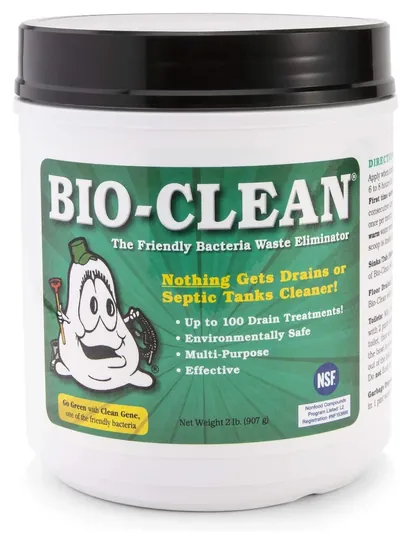
Bio-Clean Drain Septic moves to the top because its maker explains the most: what it digests, how to dose a sink, a toilet or a septic tank, and how long to wait. We switched from the Bio-Clean Ultimate Kit to the plain can, which is the same powder without the tools.
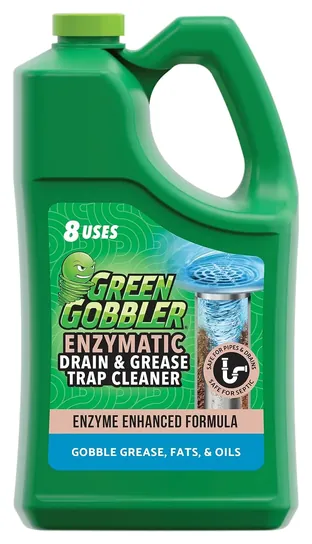
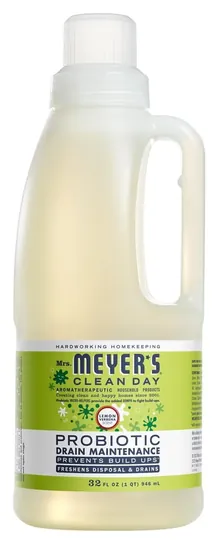
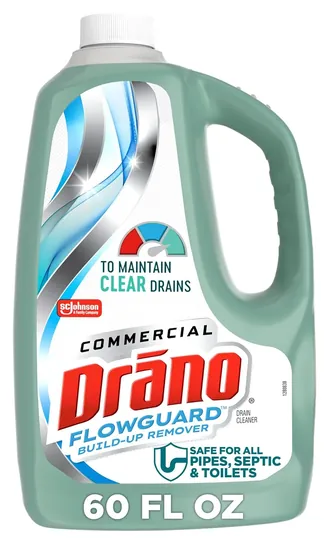
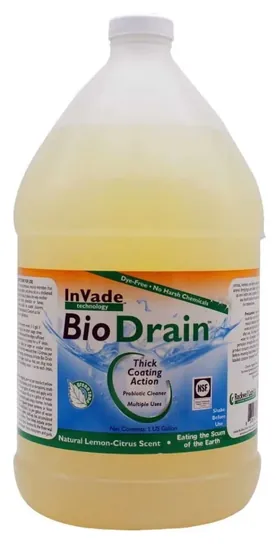
Plenty went. Green Gobbler Refresh is unavailable, Black Diamond Stoneworks Get Serious is gone, and we couldn't confirm FDC Break Down is still sold. Helix Laboratories DrainScrub now costs a small fortune in bulk, and Enzyme Magic Digester is restaurant stock with little feedback behind it. New are Green Gobbler Enzymatic for kitchen grease, Mrs. Meyer's Probiotic, Drano FlowGuard, Roebic K-97 for the main sewer line and InVade Bio Drain for slimy, fly-prone drains.
The biggest change is tone. The old version suggested these cleaners eat hair and fix clogs fast. They don't. We leaned on the makers' dosing directions and label photos, two plumbers' explainers, the EPA's septic care advice and patterns in owner feedback, and the honest answer is that they prevent build-up and fight odor, slowly. We also dropped the Best Sanitizers honor, since the maker no longer lists that cleaner.
Earlier notes
October 4, 2020, by Melissa Harr:
For most at-home applications, it remains tough to top either Green Gobbler Refresh or Bio-Clean. We've opted to add the Bio-Clean Ultimate Kit, rather than just the bottle, since this option gives you a great bang for your buck, coming as it does with a tub of cleaner, a magnet that reminds you when it's time for a treatment, and a hair removal tool. This last isn't a big, robust snake, but it can handle many hairy messes, especially when paired with a good plunger.
If you're looking for a commercial choice, we still like Black Diamond Stoneworks Get Serious and Helix Laboratories DrainScrub. These come in large tubs and can help prevent nasty smells, and just like the rest of these cleaners, they're safe for the environment and your pipes.
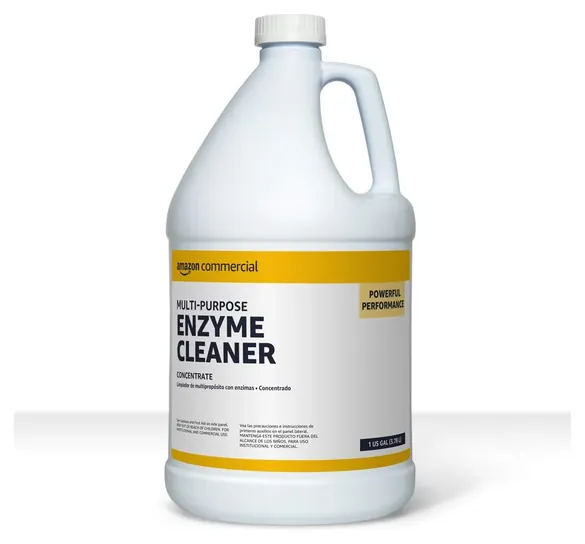
Finally, after some consideration, we opted to add a general enzyme-based cleaner that can be used on drains, AmazonCommercial Multi-Purpose. It won't do much good against strong blockages, but it's useful as an ongoing maintenance tool, and it can be used to clean other items in your home, to boot.
May 10, 2019, by Gia Vescovi-Chiordi:
Drain cleaners that use enzymes to break down grease, oils, fat, hair, bath tissue, and other buildup have the environmental upper hand on their chemical-laden brethren. And while many are potent and will get the job done, the trade-off is that you may need to wait a bit longer for the magic to work. In many instances, prevention is the best method, and since these cleaners are safe for plumbing, septic systems, and the environment, they're ideal for monthly or weekly maintenance to keep clogs at bay.
For commercial applications, look to Black Diamond Stoneworks Get Serious and Helix Laboratories DrainScrub. Consider FDC Break Down for situations where a fast-acting solution is required. Zep ZDC16 is great if your building has ancient plumbing, while Green Gobbler is effective for garbage disposals and emits a zesty orange scent while it works. Bio-Clean is another tried-and-true formula that uses a combination of enzymes and bacteria to eliminate organic matter. Each container is good for 100 uses and can be used in all manner of drains, from the kitchen to the bathroom, and even motorhomes and cat litter pans.
Nature's Soldiers was affected by availability concerns, so we supplanted it with Enzyme Magic Digester, which is much easier to administer, as it requires no preparation.
Special Honors
EPA SepticSmart Anyone on a septic system should know the EPA's free SepticSmart program. It explains how a tank works, how often to have it inspected and pumped, and which household habits shorten its life, with no product to sell. epa.gov
Prevention, Not A Plumber In A Bottle
If water is already standing in the sink or tub, skip the bottle.
Enzyme and bacterial cleaners feed on the organic film that lines a drain: grease, food scraps, soap scum and the slime that grows on them. Enzymes cut those materials into smaller pieces, and the bacteria digest the rest and keep multiplying while there's food. That's why they're slow. Tim Carter of Ask the Builder describes them as cleaners for biofilm and prevention, and the plumbing firm John The Plumber warns that results can take days or weeks.
Timing matters. Pour at night, when the drain will sit unused for six to eight hours, which is how Mrs. Meyer's and Bio-Clean both write their directions. Use lukewarm water, not boiling, since very hot water can kill the microbes.
If water is already standing in the sink or tub, skip the bottle. A plunger, a plastic drain snake or a hand auger will clear it far sooner, and Wikipedia's drain cleaner overview notes that enzymatic cleaners may not suit severe blockages. Once the drain flows, a monthly dose helps keep it that way.
Matching The Cleaner To The Drain
Kitchen sinks collect grease and starch, which these cleaners digest well. A liquid such as Green Gobbler's enzymatic cleaner comes with a dosing table for sink drains, grease traps and septic tanks, and the maker says it starts working on grease within hours.
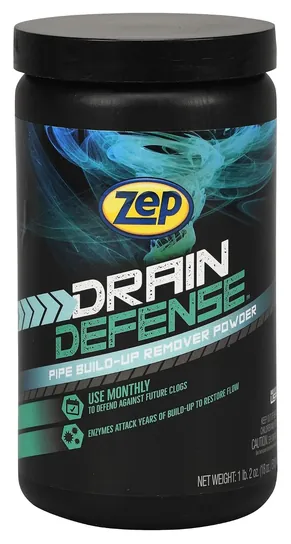
Bathroom drains are harder. Hair is protein that most of these blends barely touch, and Zep and the seller of the AmazonCommercial cleaner both say their formulas aren't meant for hair clogs. Pull hair out with a cheap plastic snake, then use an enzyme cleaner to keep soap scum from building back up.
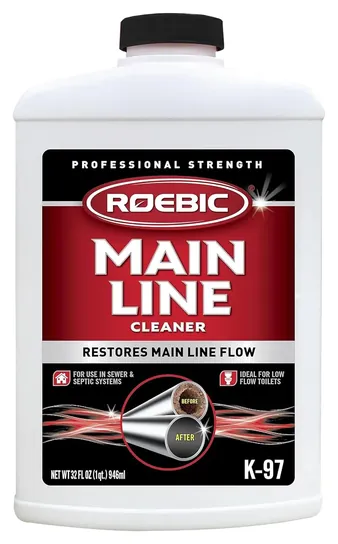
Toilets and the main line are a third case. A clogged toilet needs a plunger or a closet auger. For the pipe between the house and the street or septic tank, a course such as Roebic's main line treatment is poured through the toilet over several days. Nothing in a bottle removes tree roots or fixes a sagging or broken line; that takes a camera inspection and a plumber.
Septic Systems: What Additives Can And Can't Do
Every cleaner on this list is labeled septic safe, which matters because lye, acid and bleach can harm the bacteria a septic tank depends on. The EPA's septic care guide tells owners to avoid chemical drain openers, to flush only human waste and toilet paper, and to have the tank inspected and pumped on a regular schedule, typically every three to five years.
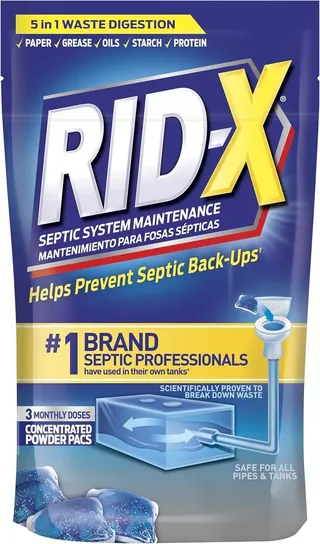
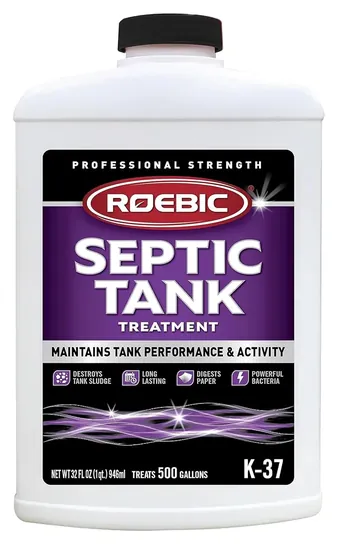
Septic additives such as Rid-X and Roebic K-37 are optional. Wikipedia's septic tank article notes that very little peer-reviewed field research supports them, even though over a thousand were on the U.S. market. They're cheap, and they may help a tank that gets heavy use, but they don't replace pumping.
Treat every one of these as a household chemical. Keep them away from children and pets, and never mix them with bleach or a caustic opener. Microbial cleaners also call for care in homes with a weakened immune system; Mrs. Meyer's tells those households to ask a doctor first.
How we researched this
We compared 16 enzyme and bacterial drain cleaners and screened 10 in depth. We read the makers' directions, label photos and spec pages where they loaded, plumbers' explainers from Ask the Builder and John The Plumber, the EPA's septic care guidance and Wikipedia's summaries of drain and septic research, analyzed patterns in owner feedback, and checked every brand for recalls with the U.S. Consumer Product Safety Commission. We found no independent lab tests of these cleaners, so the ranking leans on documented directions, owner patterns and value.
Sources (12)
- Bio-Clean: product information and directions
- Green Gobbler: Enzymatic Drain & Grease Trap Cleaner
- Mrs. Meyer's: Probiotic Drain Maintenance
- Roebic: K-37 Septic Tank Treatment
- Zep: drain and septic care
- Rockwell Labs: InVade Bio Drain
- Ask the Builder: Drain cleaners, what works and what doesn't
- John The Plumber: What are enzyme drain cleaners?
- EPA: How to care for your septic system
- Wikipedia: Drain cleaner
- Wikipedia: Septic tank
- U.S. Consumer Product Safety Commission: recalls
Frequently asked questions
Do enzyme drain cleaners really work?
For keeping drains clear and stopping odors, yes, if you use them regularly. They digest grease, food film and soap scum over days or weeks. They don't open a drain that's already blocked.
Can an enzyme cleaner unclog a toilet?
No. Use a plunger or a closet auger for a clogged toilet. Toilets are mainly a way to dose a septic tank or the main line with treatments such as Rid-X or Roebic.
Are enzyme drain cleaners safe for septic tanks?
Yes. They contain no lye, acid or bleach, which can kill the tank's bacteria. They don't replace regular pumping, which the EPA puts at typically every three to five years.
Will an enzyme cleaner dissolve hair in a tub drain?
Mostly not. Pull the hair out with a plastic drain snake first, then use an enzyme cleaner monthly to slow soap scum build-up.
Can I use hot water or bleach with an enzyme cleaner?
Use lukewarm water. Very hot water can kill the microbes, and bleach or a caustic opener will undo the treatment and should never be mixed with it.
How often should I use an enzyme drain cleaner?
Follow the label. Most suggest weekly to monthly for drains; main-line and septic treatments run monthly or twice a year.