The 10 Best Smart Garage Door Openers
Updated by

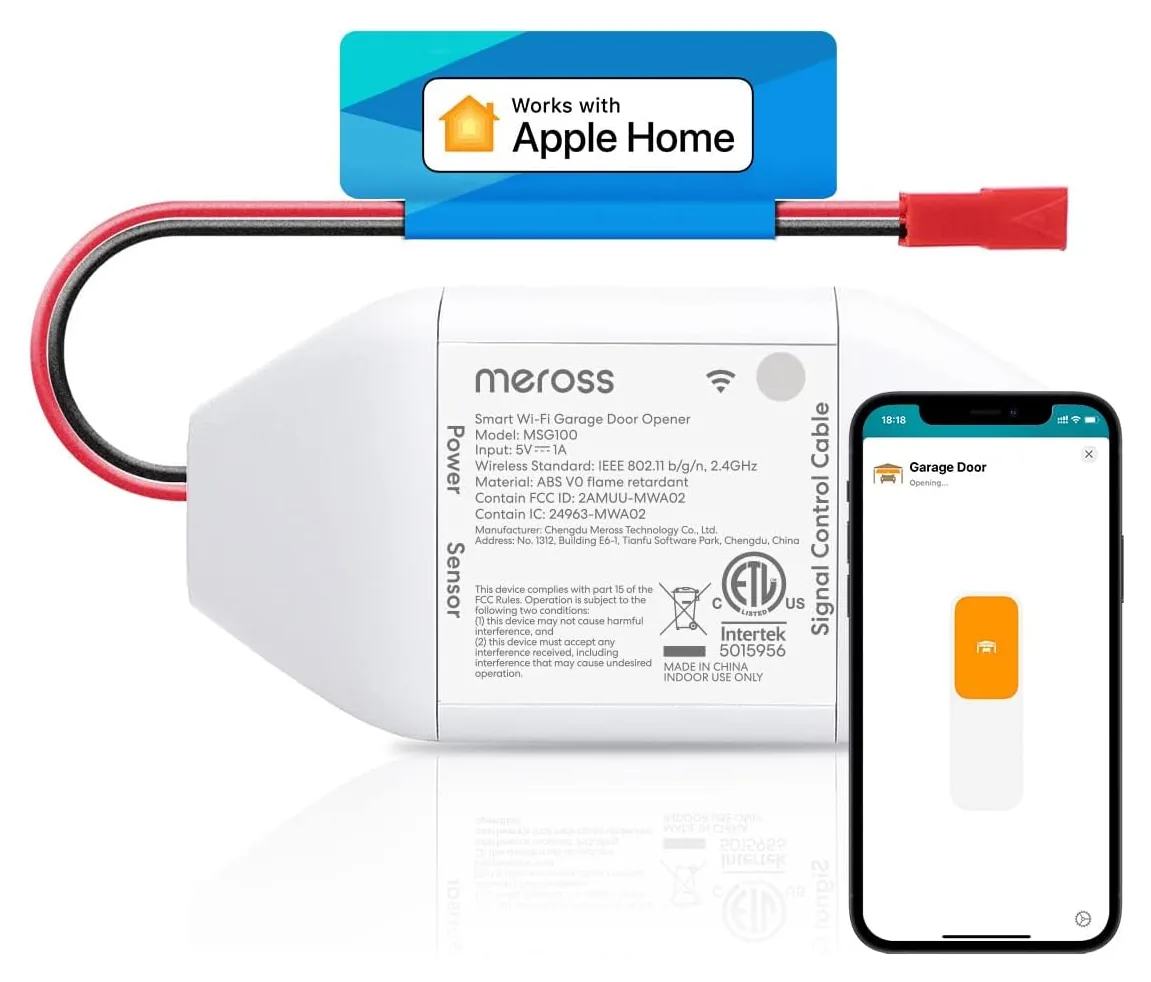
Our top pick is the Meross MSG100HK. We compared 10 smart garage door openers and Wi-Fi controllers by opener support, Apple Home, Alexa and Google, and price. When users buy our independently chosen editorial selections, we may earn commissions to help fund the Wiki.
A smart garage door opener lets you open, close and check your garage door from a phone or voice assistant. Most people add a small Wi-Fi controller to their opener, while others replace the motor with one that has Wi-Fi built in. Models differ in which openers they fit, which smart-home systems they join and whether they need the cloud.
Editor's Notes
October 16, 2026, by Ezvid Wiki Admin:
This list hadn't been ranked since 2020, and the garage door world has moved. The Nexx NXG-100 is unavailable, the Chamberlain MyQ-G0301 has a successor, and we couldn't confirm current listings for the Tailwind IQ3, the Digital Ant SG-01B or the Garadget GRT1US. The Chamberlain B970 is an older opener, and the Remsol iSmartGate Lite overlapped with its bigger sibling. Tailwind now gets a special honor instead.
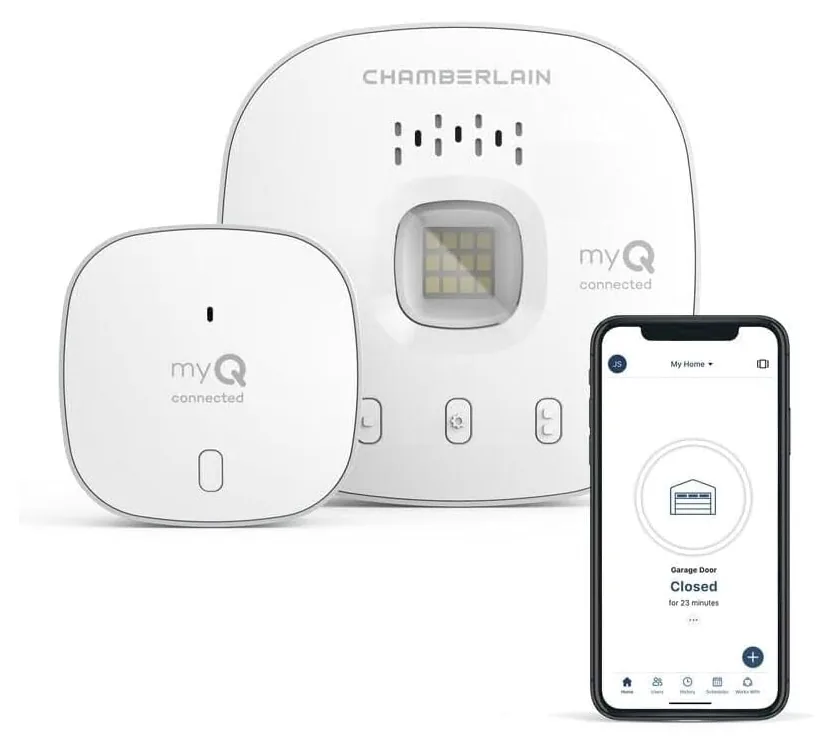
The Meross MSG100HK moves to the top because it reaches the most smart-home systems for the least money. The Chamberlain MYQ-G0401 is the simplest install, if you can live inside the myQ app. The ismartgate PRO stays for multi-door garages.
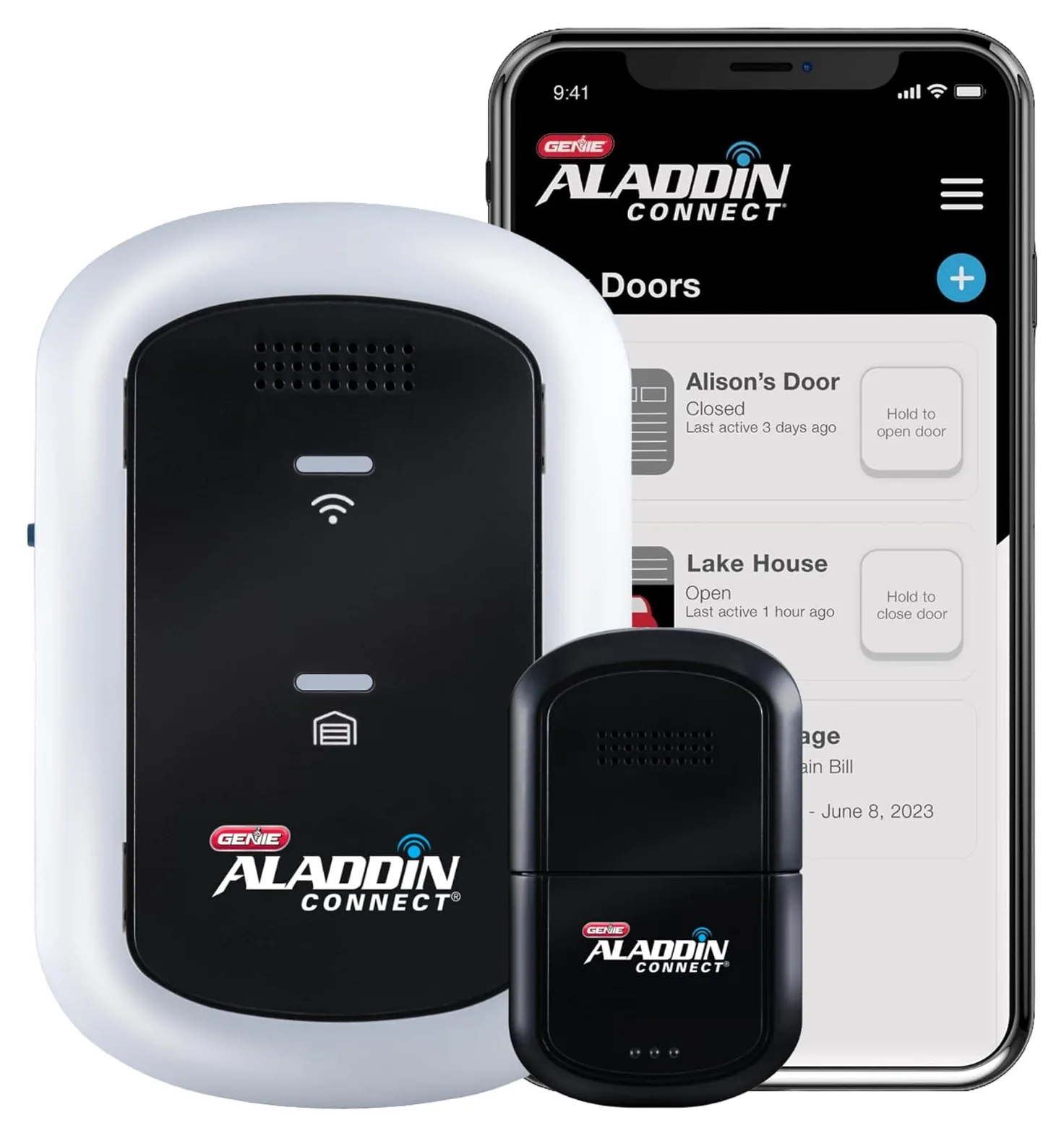
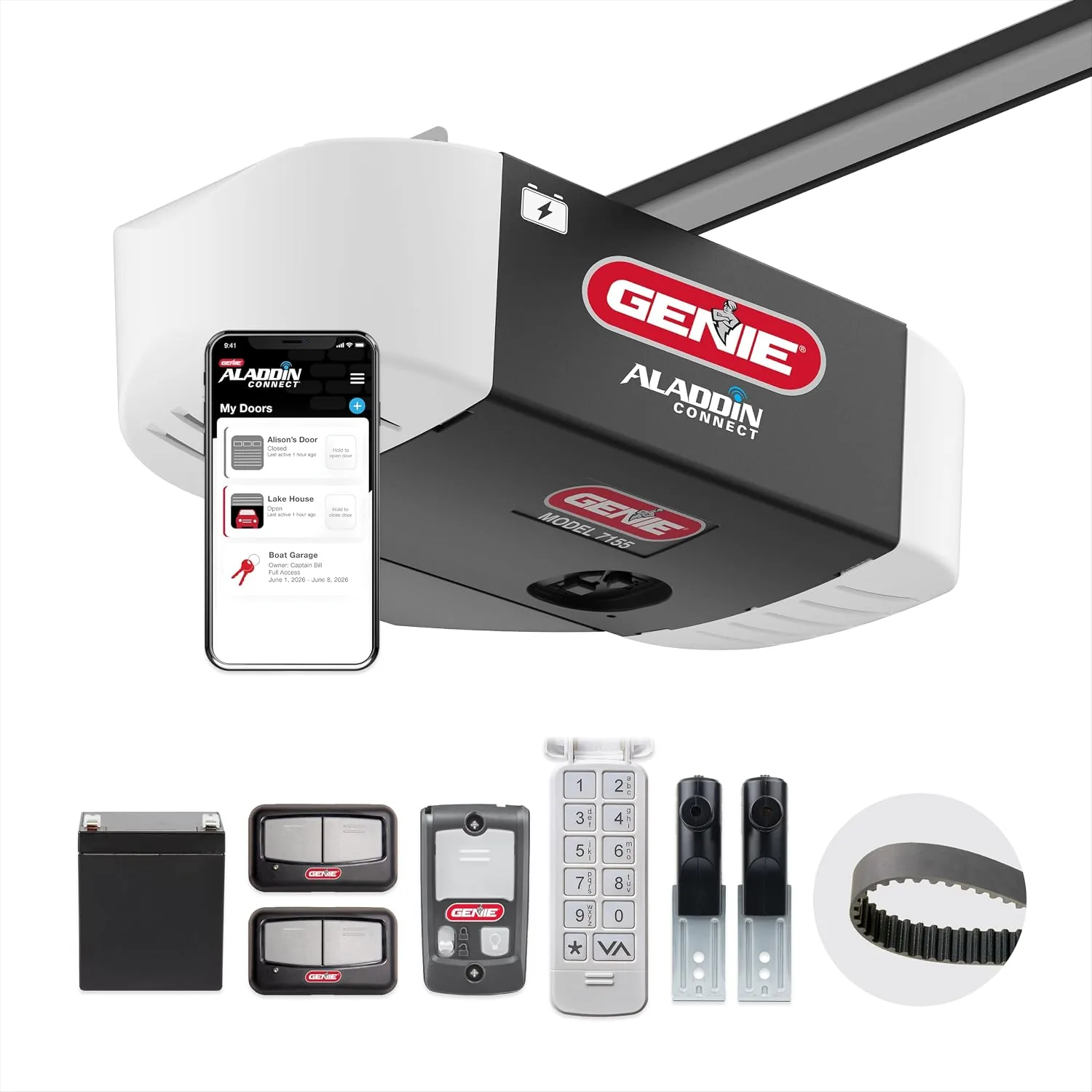
We also added two complete openers, the Genie StealthDrive Connect and the Chamberlain B3000, because plenty of readers are replacing a tired motor rather than adding a gadget.
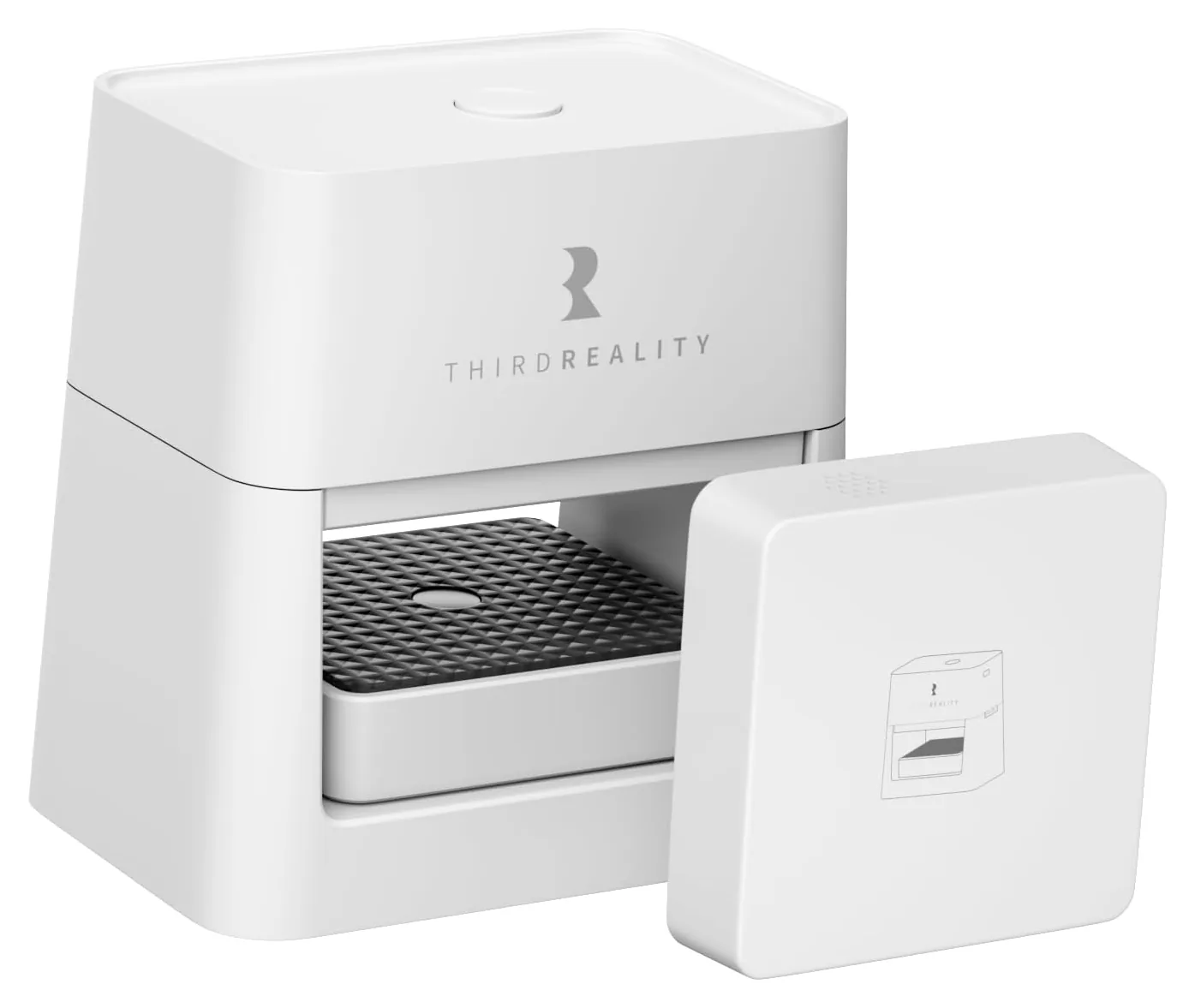
The big change since our last update is the opener itself. Newer Chamberlain and LiftMaster openers with a white learn button use Security+ 3.0, and most wired controllers can't talk to them yet. The ThirdReality 3RDO01058W gets around that by pressing a spare remote. Check your learn button before you buy anything.
September 21, 2020:
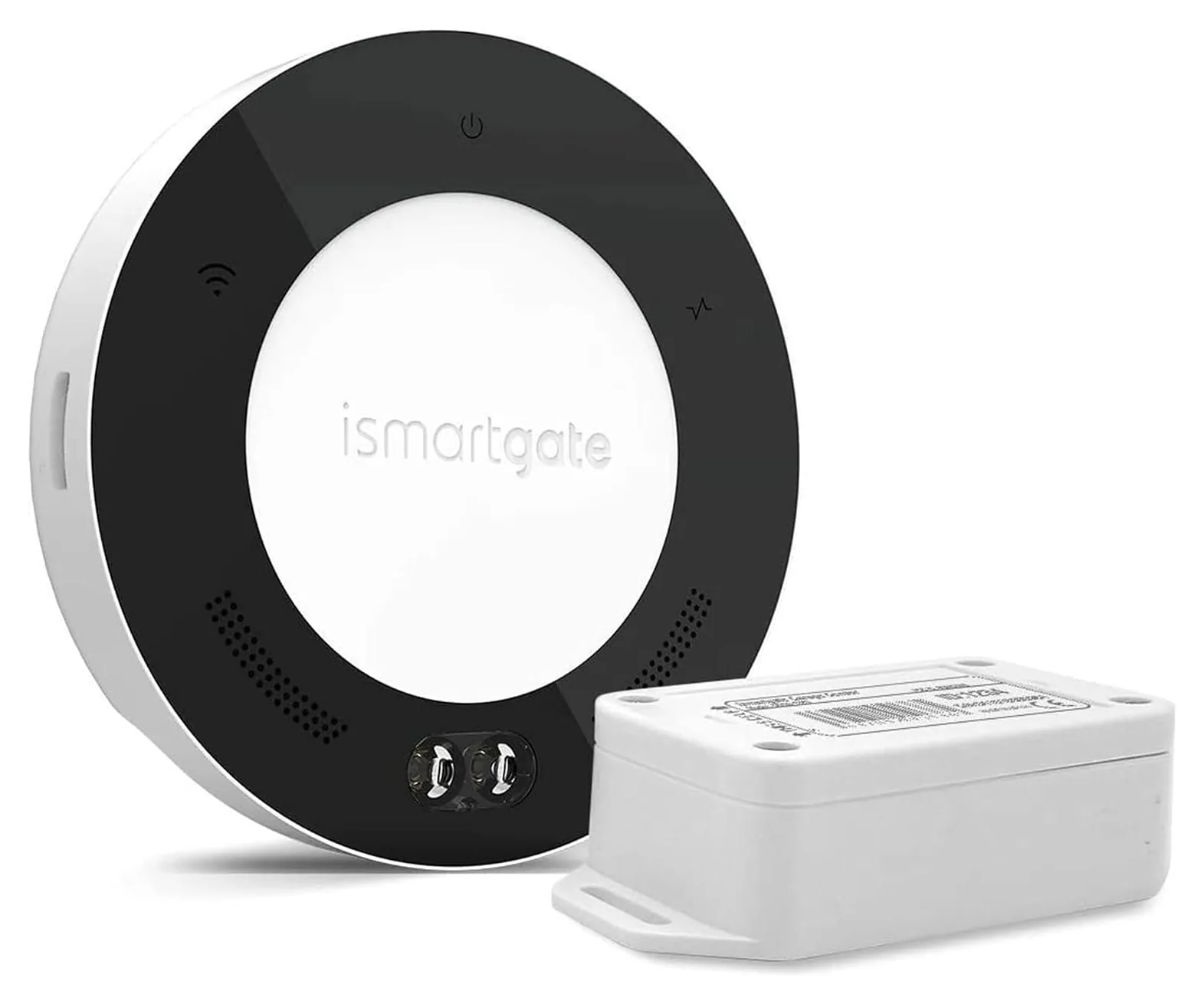
In today’s update, we moved the popular Chamberlain MyQ-G0301 into a more prominent position on the list. This simple device can be installed in just 15 minutes and, unlike most others, does not require any wiring. Once the app is on your smartphone, checking whether your garage door is open is as simple as looking at a graphic on your phone. In the app, it’s also easy to create daily schedules if you’d like the door to open or shut at set times. You can also view the full history of garage door activity, as well as add in control for additional doors. It works with Google Assistant, IFTTT, and other smart platforms. We still like the iSmartGate Pro for all it has to offer, including temperature sensing, integration with various IP security cameras, the ability to control automatic gates. The Tailwind IQ3 also remains a highly popular choice thanks, in part, to the ability to use it with vehicles that don’t have wireless connectivity. This is by way of a small sensor that can be placed inside the vehicle so that the device in the garage detects when you’re pulling into the driveway and opens the door. You can also set it to close the door automatically if it’s left open in the dark.
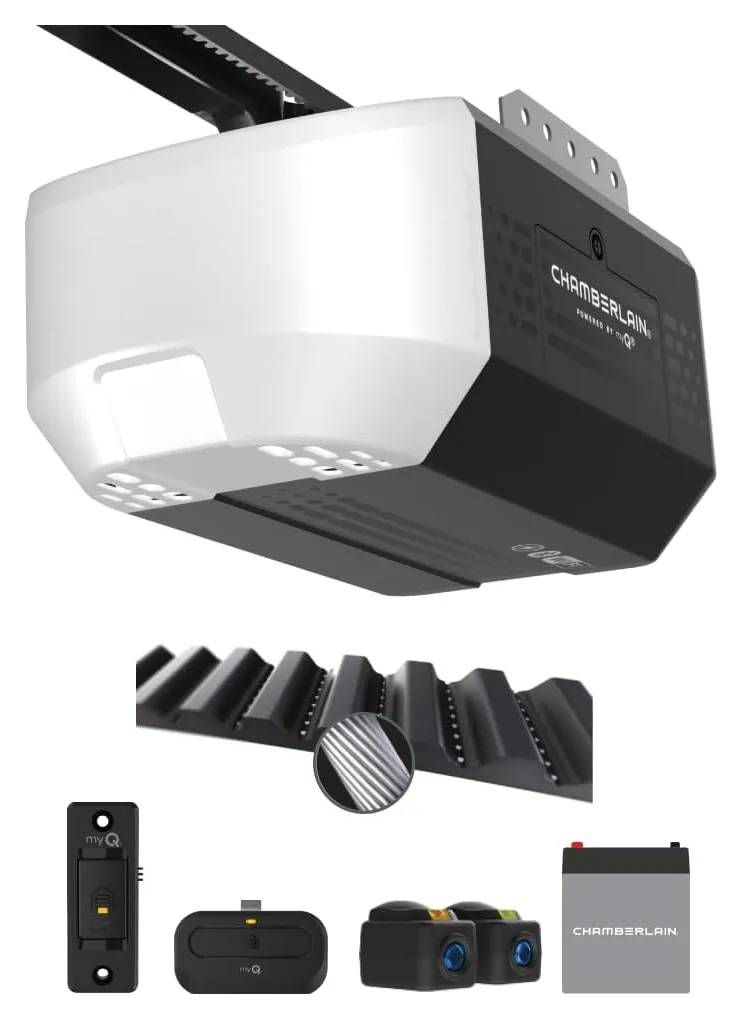
The Nexx NXG-100 is another choice that has a lot to offer, including built-in geofencing that allows it to know where you are based on your smartphone’s location, and to open or close the door automatically as you come and go. It also offers voice notifications through the app and can alert you in the event of high levels of carbon monoxide in your garage. It’s a good option as long as you don’t wish to use it with Apple HomeKit, with which is isn’t compatible. For a complete system that includes a belt drive garage door opener with battery backup, look to the Chamberlain B970. It comes with built-in Wi-Fi, an exterior keypad, two 3-button remote controls, a motion detecting control panel, and two safety sensors. It’s known for its quiet operation and its anti-vibration technology, and works well even in tough weather conditions like extreme temperatures and humidity. As stated in our previous Editor’s Note, be sure to check that any model you’re interested in is compatible with your model of garage door opener, as well as any smart home hub with which you wish to use it.
July 24, 2019:
Most smart garage door openers exist as wireless electronics controllers that are installed alongside one of the many physical appliances responsible for opening garage doors. Chamberlain is one of the few companies that makes all-in-one units including a motor and drive system, and the B970 is one of their best. If you're looking for a complete system overhaul, it's a great place to start looking, as it's also quieter than many dedicated openers that don't have automated functionality.
If you're happy with the mechanical unit powering your door, either iSmartGate can make a great companion to it. They're both among the easiest to use; the differences relate to how many doors they control and how many secondary advanced features they offer. The Meross and Genie are two of the least expensive, and the Meross even provides detailed instruction on how to install it alongside mechanical systems that many others claim to not be compatible with. It may take a little logic and tech know-how to get working, but quite a few users report success, even with "yellow" units, or those using the Security 2.0 protocol. The Digital Ant is another well-priced unit. Then there are the mid-range Tailwind, Nexx, and Garadget, which offer most of the functionality of more expensive units, and though they're twice the price of the entry-level models, they're still not terribly expensive. Whichever you've got your eye on, you will need to research your current setup and make sure that the gateway you're interested in is compatible with your model of opener. There are several different colors of "learn buttons" that denote different types of wireless security, and not every smart device is compatible with every form of encryption.
Special Honors
ratgdo This small Wi-Fi control board wires to the terminals of a Chamberlain or LiftMaster opener and works over your local network with ESPHome, Home Assistant, Apple Home or MQTT, with no cloud account. It reports the door's real position and, on yellow-button openers, can also control the light and lock. It suits tinkerers, and it's sold through its maker's own store. ratcloud.llc
Tailwind iQ3 Tailwind sells its iQ3 controllers mainly through its own store. They're known for opening the garage automatically as your car arrives home and closing it as you leave, and recent versions add gate control. Tailwind says the iQ3 doesn't work with white-button Security+ 3.0 openers, so check your learn button first. gotailwind.com
Check Your Opener First
Genie, Overhead Door and many other brands use simpler terminals that most controllers can switch.
Most compatibility problems come down to the learn button, the small button on the back or side of the motor unit, near the antenna wire. On Chamberlain, LiftMaster and Craftsman openers, its color tells you the security protocol. Yellow means Security+ 2.0, which sends a coded signal over the wall-button wires, so plain relay switches can't trigger the door without an adapter (ratgdo). Purple, red and orange buttons are older and simpler. White means Security+ 3.0, used on openers from about 2025. Meross says its controllers don't support it, and owners in the Konnected community report no confirmed wired controller for it yet (Konnected community). For a white-button opener, your choices are myQ itself or a device that presses a remote.
Genie, Overhead Door and many other brands use simpler terminals that most controllers can switch. Still, check the maker's compatibility list before you buy, since several makers ask for exactly that.
Safety comes first. Since 1993, U.S. automatic openers have had to include an entrapment-protection system, usually the photo eyes near the floor (CPSC). Closing a door from your phone is only sensible when those sensors work, so never bypass them. Most controllers here also require openers with standard safety sensors. Finally, check the Wi-Fi signal in the garage. Almost every controller needs a 2.4 GHz network, and a weak signal is a common cause of dropouts.
Add-On Controller Or New Opener
If your opener works, an add-on controller is the cheaper route. Most cost a fraction of a new opener, take under an hour to fit, and leave your remotes and wall button working. Wired models connect two thin wires to the opener's terminals, while wireless kits such as myQ's sit on the ceiling and learn the opener like a remote. A door sensor, either a tilt sensor on the door or a wired contact, tells the app whether the door is really closed.
A complete smart opener makes sense when the old motor is noisy, failing or older than the 1993 safety rules. Then the decision factors are motor power, drive type, door size and backup power. CNET suggests matching horsepower to door weight and looking at battery backup, lighting and smart-home support (CNET). For example, Genie rates its 1.25 HPc StealthDrive Connect for sectional doors up to 7 feet tall and 500 pounds, while Chamberlain pitches the 1/2 HP B3000 for standard doors. Belt drives run quieter than chain drives, which matters when a bedroom sits above the garage. DC motors also allow battery backup, which keeps the door usable in an outage. Installing a full opener means mounting a rail and motor head and adjusting the safety sensors, so many owners hire an installer.
Apps, Voice Assistants And Local Control
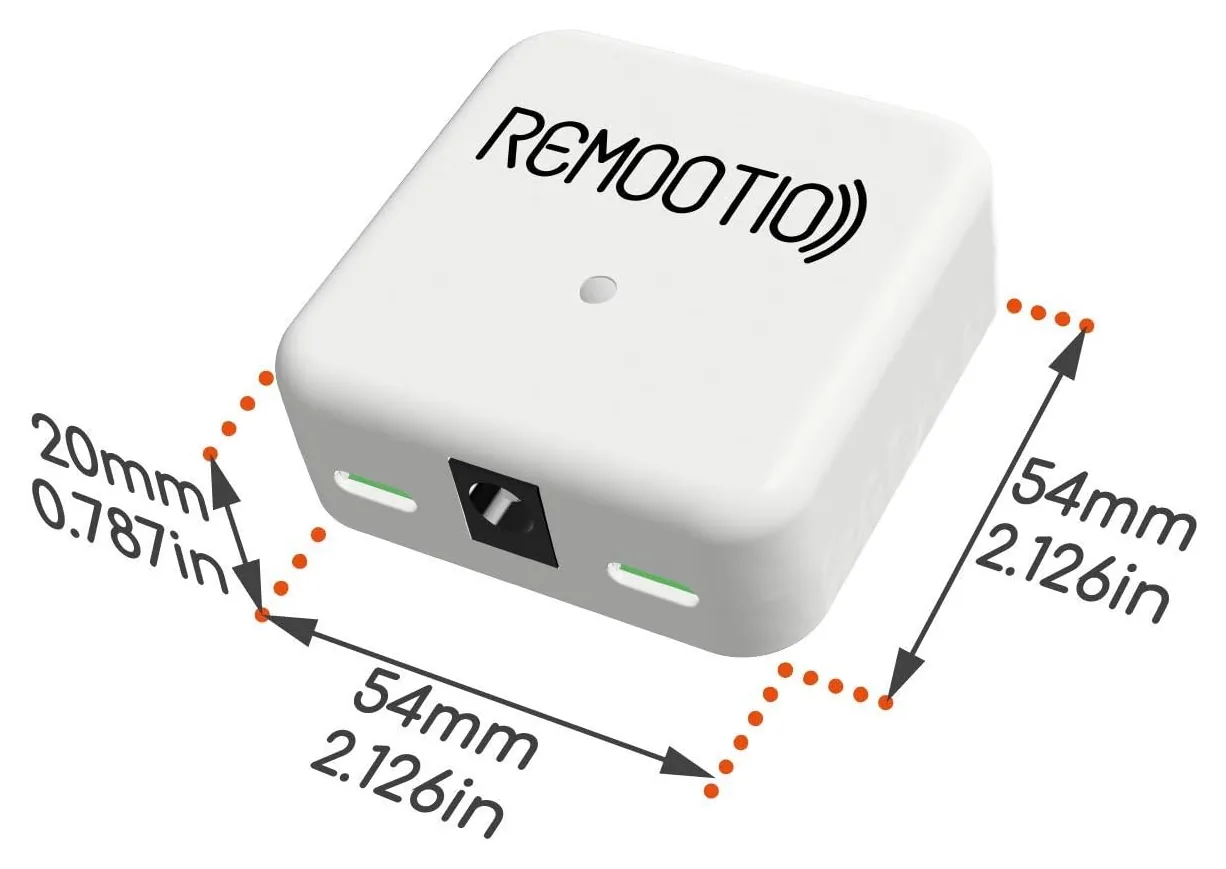
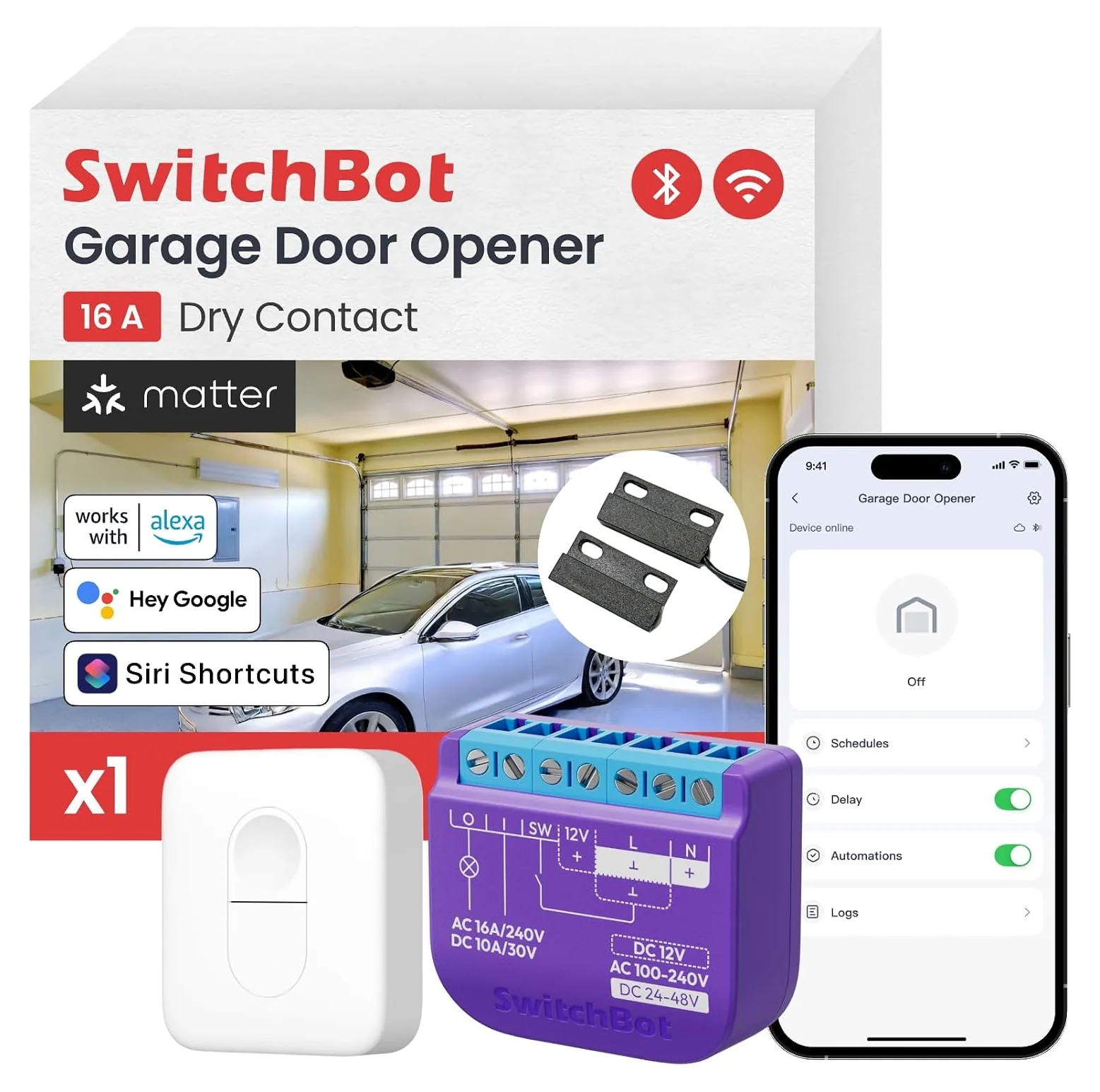
Decide which system you want to use before you buy. Chamberlain's myQ is a closed system. In 2023 the company said it would keep blocking unofficial third-party apps, and Home Assistant removed its myQ integration as a result (Home Assistant). myQ's official partners include Amazon Key, Vivint and IFTTT (myQ), but not Apple Home or Matter. Owners of Samsung SmartThings, Apple Home or Google Home are better served by Meross, SwitchBot, ThirdReality, Remootio or ismartgate. Matter certification, as on the SwitchBot and ThirdReality models, means one device can join any of the big platforms through a Matter controller such as a recent smart speaker or hub.
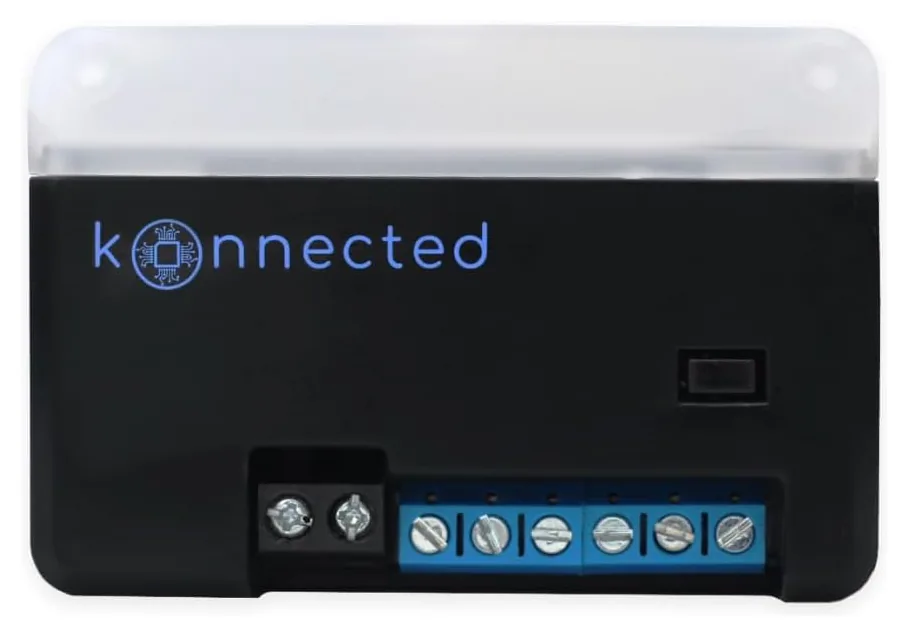
Local control matters if you dislike cloud services or run Home Assistant. Konnected's blaQ and the ratgdo board talk to Chamberlain-family openers directly over your own network, so they keep working when the maker's servers or your internet don't. Tom's Guide found the blaQ responsive (Tom's Guide). Bluetooth, on Remootio and SwitchBot, is another fallback when Wi-Fi fails.
Keep firmware current. A 2021 flaw let attackers replay commands to an older Meross garage controller until a firmware update fixed it (NVD). We also checked each brand in the Consumer Product Safety Commission's recall records. The one relevant recall, from 2023, covered LiftMaster myQ wall control panels made in 2022, not the Wi-Fi hubs on this list.