The 10 Best Grass Fed Whey Protein
Updated by · How we research

Ten grass-fed whey powders compared on lab testing, ingredients and cost per serving. Transparent Labs Whey Isolate leads for posting each lot's results. When users buy our independently chosen editorial picks, we may earn commissions to help fund the Wiki.
The USDA withdrew its grass-fed labeling standard in 2016, so on most U.S. tubs the term is the brand's own word unless an outside seal backs it. Whey also carries so little fat that the extra omega-3 in grass-fed milk barely reaches the scoop. What you gain is sourcing, animal welfare and a shorter label.


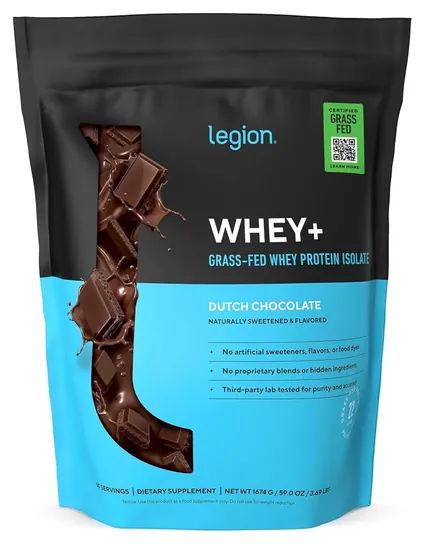
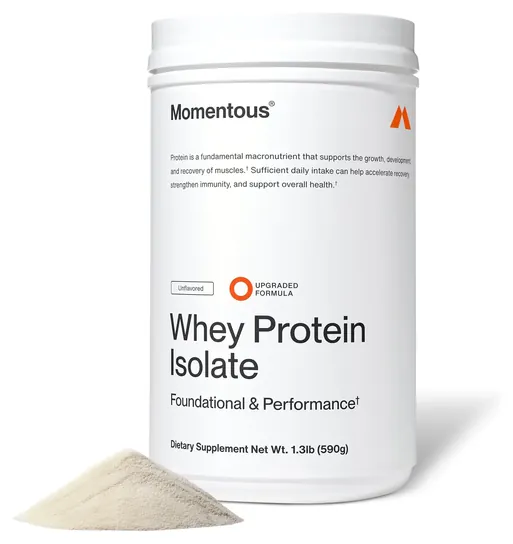
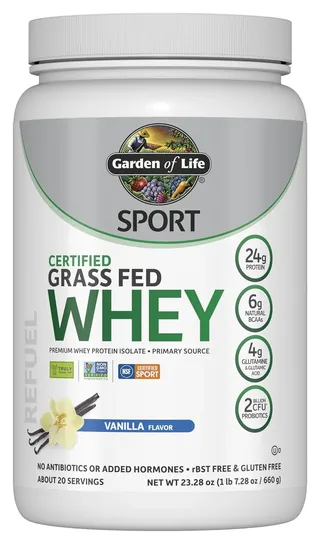
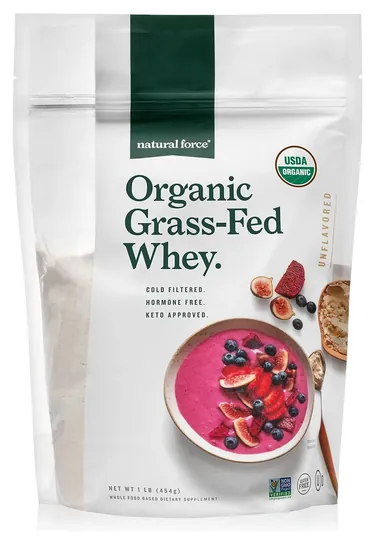
Editor's Notes
November 16, 2026, by Ezvid Wiki Editors:
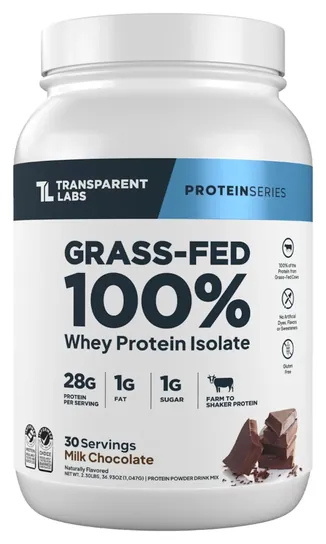
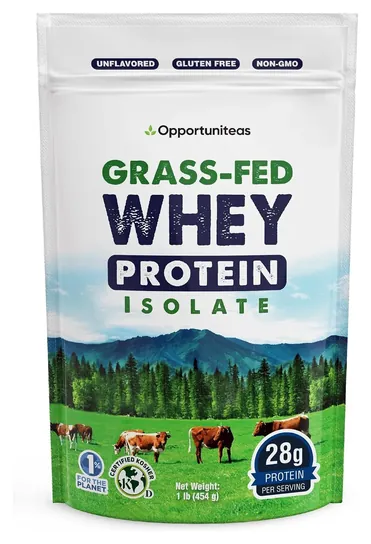
The Transparent Labs Whey Isolate moves from a side note to the top. It had the most outside checking we could find: an independent lab tests each lot, and the results are posted where you can match them to the tub in your hands. The Opportuniteas Isolate, the old leader, stays, now made with Irish milk from herds that meet a grass-fed standard.
We dropped the Jay Robb, whose label no longer claims grass-fed milk, and the Pure Label, which isn't for sale. Promix and BulkSupplements went because we found no published test results for them, and NorCal Organic overlapped the Natural Force Organic too closely. New picks add certified options for athletes who get drug tested and flavored isolates for lactose-sensitive drinkers.
The evidence here is mostly paper: posted lab certificates, sport-certification listings, the Truly Grass Fed rules for Irish herds and Consumer Reports' 2025 lead tests of protein powders. For powders of any kind, see our protein powders list, and for ready-to-drink bottles, our protein shakes list.
Earlier notes
October 10, 2019, by Gia Vescovi-Chiordi:
This list includes some of the best grass-fed whey protein powders out there, and although taste is a highly subjective, personal matter, we opted for selections with a wide variety of palatable flavors and some with no taste at all to suit everyone's needs.
We prioritized items that contain no fillers and additives and boast thoughtfully-sourced ingredients so that users don't experience undue bloating, gas, or stomachaches. Additionally, we selected products that are formulated to mix easily, especially via natural means, like by using sunflower lecithin. All of the selections on this list should break down well in water or other beverages, but for the best results, use a blender.
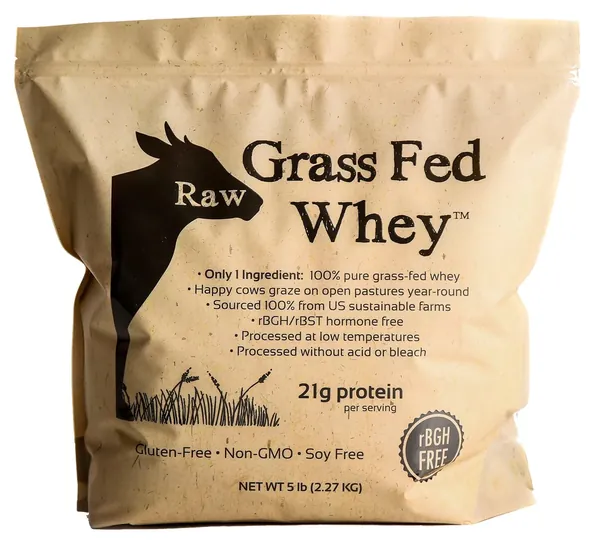
For baking, Raw Organic Unflavored and Opportuniteas Isolate are top choices, while those who can't stand aggressive aftertastes or super thick consistencies will appreciate BulkSupplements Pure, which mixes extremely well with almost anything. Naked Nutrition's Undenatured is good for serious athletes who know how to balance their supplements with diet to increase bulk, while Pure Label Natural represents a no-frills choice at a fair price. We removed Bodylogix Natural in favor of our new choice, Opportuniteas Isolate, which we feel is far superior.
Special Honors
NSF Certified for Sport Product Search NSF's free lookup lets you type in a brand or flavor and see whether that exact powder is certified for sport, which matters because a brand's other flavors or sizes may not be. Athletes in leagues that test for banned substances can check a tub before they buy, and anyone can use it to confirm a seal printed on a label. nsfsport.com
What Grass-Fed Means On A Whey Label
American Grassfed Association and A Greener World run U.S. programs.
Whey is the liquid left behind when milk becomes cheese. Dried, it's a complete protein with all nine essential amino acids. Grass-fed whey is the same protein from cows that ate mostly pasture and forage, so the label is a claim about the cow, not a different powder.
In the U.S. that claim is loosely policed. The USDA withdrew its grass-fed marketing standard in January 2016 (National Agricultural Law Center), so a brand can print the words on its own say-so. An outside seal is the real check. The Truly Grass Fed standard used for Irish milk asks for a diet that is at least 95% grass and about 250 days a year on pasture, averaged over three years (Truly Grass Fed standard). American Grassfed Association and A Greener World run U.S. programs.
Don't expect a health edge. Grass-fed milk has more omega-3 and CLA, but whey powder has almost no fat, so little of it survives (Legion Athletics). BarBend found no studies comparing grass-fed and regular whey for muscle or health (BarBend). You pay for sourcing, welfare and, often, a shorter ingredient list.
Isolate Or Concentrate, Plain Or Sweetened
Concentrate runs anywhere from about 25% to 89% protein and keeps more lactose and a little fat, which makes it creamier (Journal of Sports Science and Medicine). Isolate is filtered to 90% protein or more, with lactose around 1% or less (Science Insights). If regular milk bothers you, try an isolate first. If you have a milk allergy, no whey is safe.
Unflavored one-ingredient powders work in oatmeal, pancakes and coffee. Without sunflower lecithin, a mixing aid, they clump in a shaker, so use a blender. Flavored tubs add cocoa, salt and a sweetener such as stevia, monk fruit or erythritol. Erythritol upsets some stomachs.
Compare cost per serving, not per tub, and check grams of protein per scoop, which ranged from 20 to 28 on this list. Words like "undenatured" and "cold-processed" describe gentle handling, but no proven benefit comes with them. Watch for amino spiking, where cheap amino acids pad the protein number. Label-claim programs such as Informed Protein and NSF Contents Certified test for it (BSCG).
Lead, Seals And Who Should Be Careful
In October 2025, Consumer Reports tested 23 protein powders and shakes and found that most were above its level of concern for lead. Plant-based powders averaged about nine times the lead of dairy ones, and dairy powders generally tested lowest (Consumer Reports). The FDA has no lead limit for protein powder, so favor brands that post batch results, and don't make a shake your only protein source.
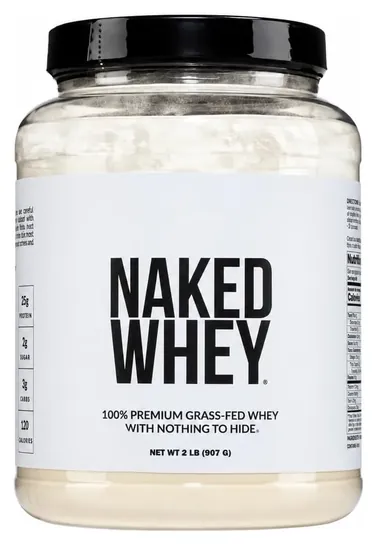
NSF Certified for Sport and Informed Choice screen for banned substances and contaminants, which matters if you're drug tested. California's Prop 65 notices are allegations, not findings, but they're public, and one names Naked Whey's chocolate powder (California Attorney General).
The International Society of Sports Nutrition calls 1.4 to 2.0 grams of protein per kilogram of body weight a day safe for active people (ISSN position stand). People with kidney disease should ask a doctor first. Some makers, Transparent Labs among them, label their powder for adults only, and pregnant or nursing readers should check with their doctor before using any supplement.
How we researched this
We compared 19 grass-fed whey powders and read the labels and nutrition panels of the 10 finalists. We checked each brand's third-party seals and any lab certificates it posts, read the Truly Grass Fed standard and Consumer Reports' 2025 lead tests of protein powders, weighed long-term owner feedback on mixing and taste, and searched FDA recall news and California Prop 65 notices for every brand.
Sources (17)
- Consumer Reports: protein powders and shakes contain high levels of lead (Oct 2025)
- National Agricultural Law Center: USDA AMS pulls grass-fed standard
- Truly Grass Fed standard document (2023)
- Legion Athletics: is grass-fed whey better than regular whey?
- BarBend: grass-fed whey protein
- Journal of Sports Science and Medicine: whey protein fractions table
- Science Insights: protein powder for lactose intolerance
- BSCG: amino spiking and protein claim verification
- ISSN position stand: protein and exercise (2007)
- California Attorney General: Prop 65 60-day notice 2025-03588
- Evident: Transparent Labs whey isolate
- Label Lookout: best whey protein without heavy metals
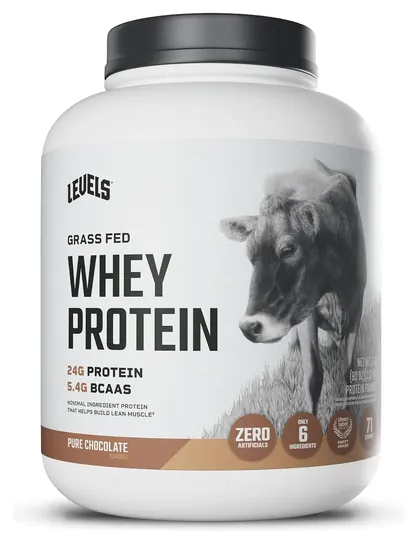
- Clean Protein List: Levels lead testing (2026)
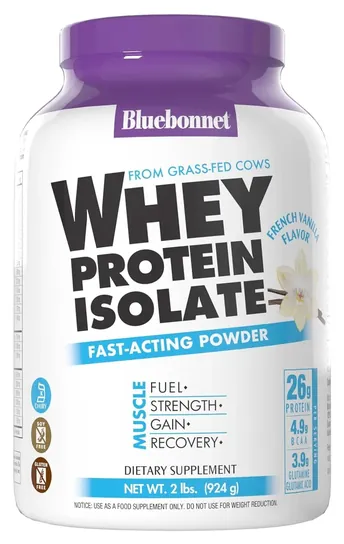
- Nutrasource certified products: Bluebonnet whey isolate
- Momentous: Essential whey protein
- Opportuniteas: unflavored whey isolate
- Naked Nutrition: grass-fed whey protein powder
Frequently asked questions
Is grass-fed whey healthier than regular whey?
Not in any proven way. Grass-fed milk has more omega-3 and CLA, but whey powder keeps almost none of the fat. The differences are sourcing, animal welfare and often a cleaner label.
What does grass-fed mean on a U.S. label?
It's mostly the brand's own claim, because the USDA withdrew its grass-fed standard in 2016. Look for an outside seal such as Truly Grass Fed, American Grassfed Association or A Greener World.
Is whey isolate lactose-free?
Not quite. Isolate usually has about 1% lactose or less, which many lactose-sensitive people handle well. Anyone with a milk allergy should avoid all whey.
How much whey protein should I take?
A serving of 20 to 30 grams is typical. Active adults can safely eat 1.4 to 2.0 grams of protein per kilogram of body weight a day from all foods, per the International Society of Sports Nutrition.
Does grass-fed whey contain heavy metals?
Trace lead turns up in most protein powders, though dairy powders tested lowest for Consumer Reports. Brands that post batch lab results let you check the tub you bought.
Is whey protein safe for your kidneys?
For healthy adults at normal intakes, research hasn't shown harm. People with kidney disease should ask their doctor before adding protein powder.