The 10 Best Insoles
Updated by · How we research

Ten insoles compared by arch height, firmness and job, from heel pain to hiking. The PowerStep Pinnacle leads for its firm arch shell and two-layer cushion. When users buy our independently chosen editorial picks, we may earn commissions to help fund the Wiki.
A soft insole and a supportive one solve different problems. Cushion eases sore feet on hard floors, while a firm arch shell steadies a foot that rolls inward, and a Cochrane review found custom-made orthoses no better than ready-made ones for heel pain. This list covers both kinds, for walkers, runners, workers and anyone nursing a sore heel.
At a Glance
-
1
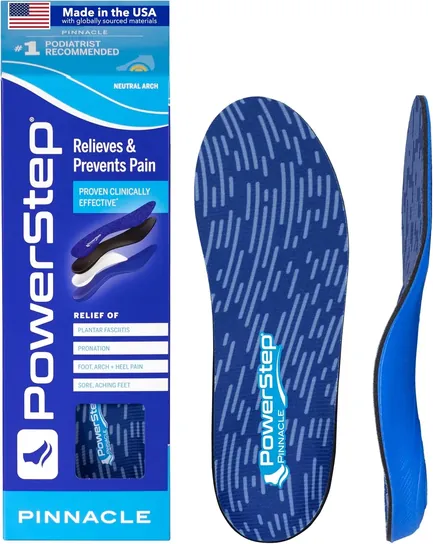
 PowerStep Pinnacle
$53
-
2
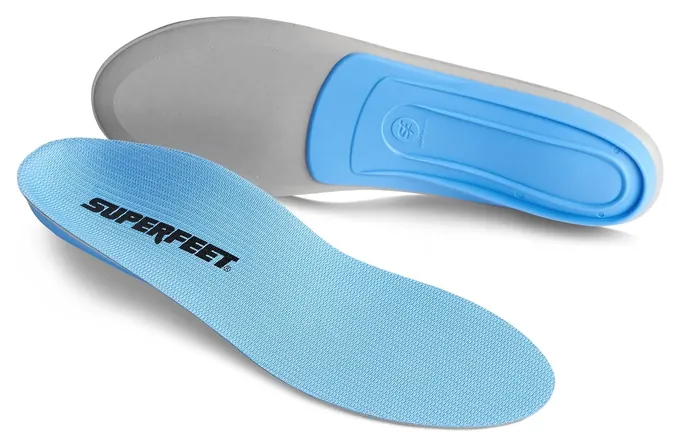
 Superfeet All-Purpose Medium Arch
$59
-
3
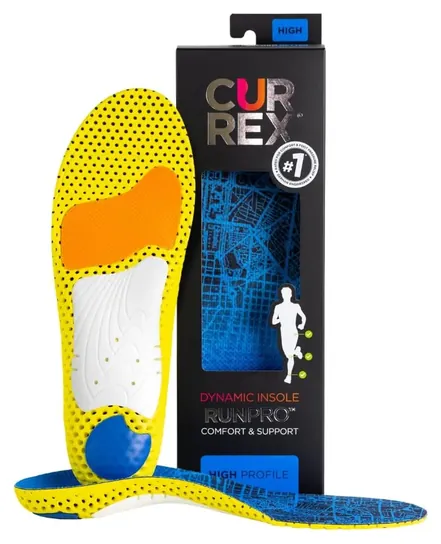
 Currex RunPro
$59
-
4
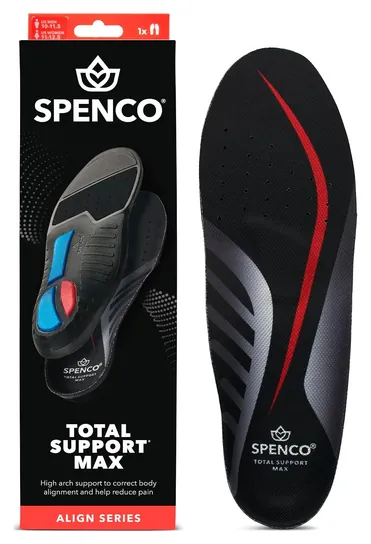
 Spenco Total Support Max
$36
-
5
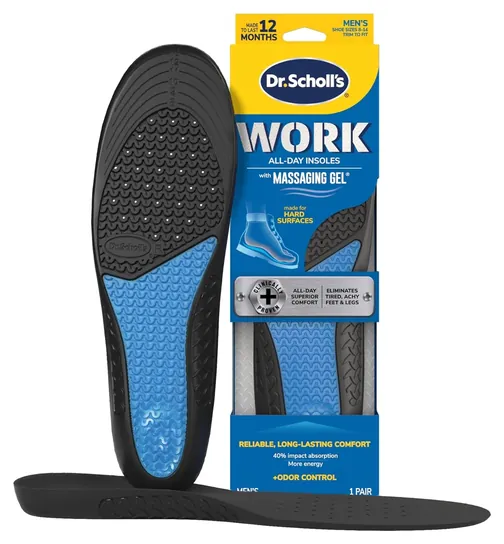
 Dr. Scholl's Work All-Day
$12
-
6
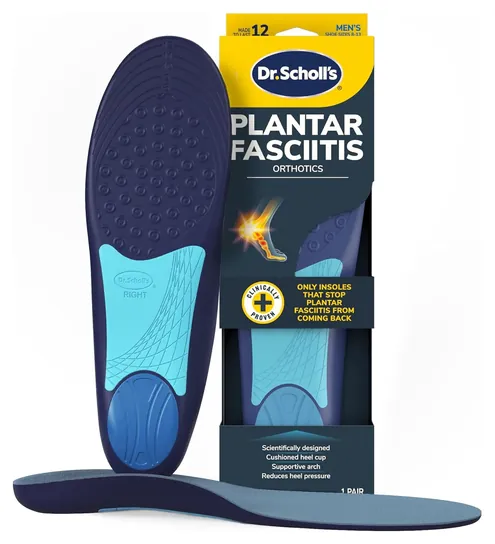
 Dr. Scholl's Plantar Fasciitis
$14
-
7
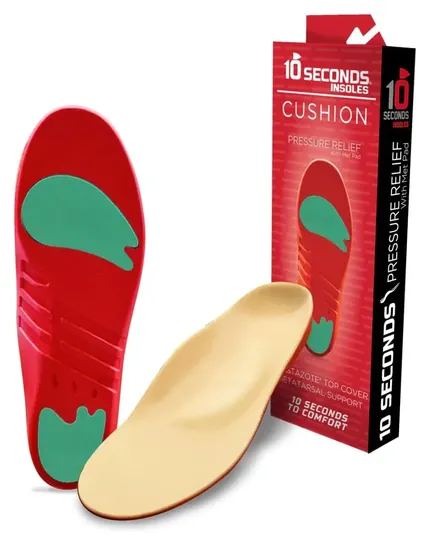
 10 Seconds Pressure Relief 3030
$39
-
8
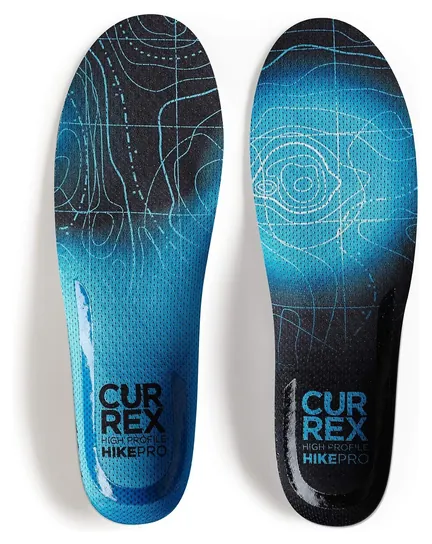
 Currex HikePro
$59
-
9
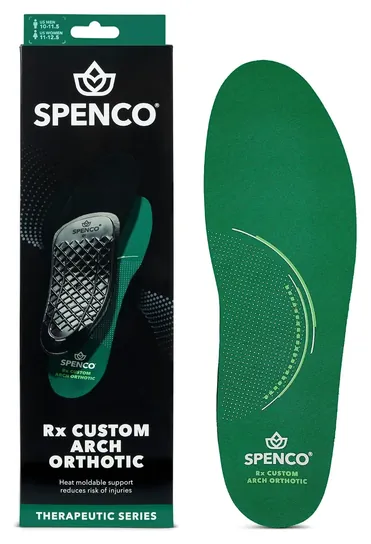
 Spenco Rx Custom Arch
$28
-
10
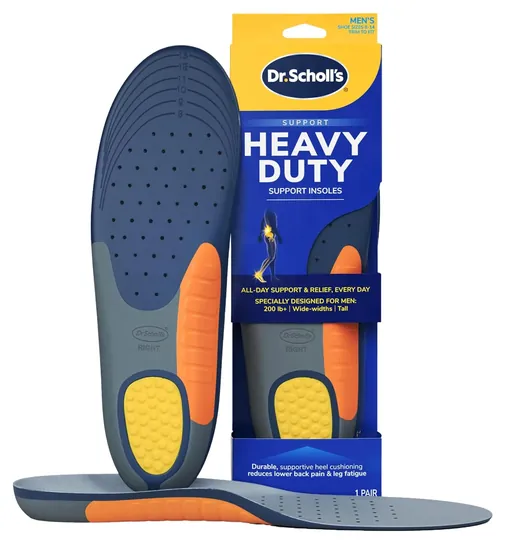
 Dr. Scholl's Heavy Duty
$14
Editor's Notes
October 26, 2026, by Ezvid Wiki Admin:
The PowerStep Pinnacle stays on top because it pairs a firm arch shell with real cushion and comes in arch heights for most feet, at a lower price than the premium brands. The Spenco Total Support Max and Currex HikePro stay as well.
Several old picks are gone or changed. The Superfeet Carbon and Sof Sole Men's Airr have left the market, and the 10 Seconds 3810 Ultra gave way to the 10 Seconds Pressure Relief 3030. The Spenco Rx Comfort and Dr. Scholl's Massaging Gel have successors, the Spenco Rx Custom Arch and the Dr. Scholl's Work All-Day. We dropped the Physix Gear Sport, a generic arch insole, and the Timberland Pro Anti-fatigue, a boot footbed with one low arch.
New picks cover running, flat feet, heel pain and heavier wearers: the Superfeet All-Purpose Medium Arch, the Currex RunPro, and two Dr. Scholl's models. Lab work on insoles is scarce, so we leaned on makers' fitting and break-in guides, the NHS advice on heel pain, a Cochrane review that compared custom and ready-made orthoses, and OutdoorGearLab's side-by-side insole scores.
October 30, 2020:
Manufacturers of insoles make many lofty claims about their products relieving back or knee pain, helping to correct overpronation, promoting a natural gait, and more. And while some of these claims may or may not be true, one thing is certain, insoles do offer some additional cushioning to your feet that many users find makes standing or walking for long periods of time more comfortable. We recommend that if you have a particular medical condition that you are looking to mitigate, you check with your doctor first before purchasing any insoles. For everyone else, who are just looking for some extra padding to make activities less stressful for their joints and perhaps add a bit of extra support to their heels and arches, you can find what you need on this list.
For sport use, the Spenco Total Support Max immediately stand out as a top choice. They offer very rigid support and a high level of motion control, which should keep your foot in proper alignment, even when making sudden stops and turns. The 10 Seconds 3810 Ultra are also good for high activity levels, with their deep stabilizing heel cups and biostatic antimicrobial top that helps prevent the build up of odors and moisture.
As their name implies, the Currex HikePro are purpose made insoles perfectly suited to the activity in their name. They come in high-, medium-, and low-profile options to suit every arch type, and are designed to make your gait more efficient, which might give you a little more energy on those extra long treks. The fact that they are eco-friendly and crafted from a recycled material is just an added bonus.
We appreciate the versatility of the Powerstep Pinnacle, which fit in most shoes types from athletic to dress, and are suited to everything from jogging to static standing all day during work. While they may not be as efficient as dedicated options, they are a good multi-purpose choice that can serve most wearers well as they go about their day.
June 19, 2019:
Much like when discussing mattresses, pillows, and the like, the "best" insole can be an incredibly user-specific choice, as different people favor different ways of providing comfort. Some of the models listed here, such as the Dr. Scholl's Massaging Gel, are extremely soft and cushy, as they're designed to provide your foot with a soft surface to land on with every step. However, many people prefer firmer support, especially around the arches, and for them something like the Superfeet Carbon would be a better choice.
The amount of cushioning also creates another issue: the more your insoles provide, the less room you'll have inside your shoes. Some of the thicker models will require you to remove the existing insole from your footwear, which may or may not damage them. You can potentially avoid this by using a thin option like the Spenco Rx Comfort, which can actually be paired with another pair of orthotics as well. The downside to thin models is they're more likely to move around while you walk, so trimming them accurately and lacing up your shoes tightly is essential.
You should also be aware that many insole manufacturers will make claims like their product can help relieve back and knee pain. This can potentially be true — but only if that pain is caused by problems with your gait or foot structure, and then only if you choose an insole specifically designed to target those issues. If you're hoping for something more specific than simply having your feet feel better at the end of the day, we'd recommend discussing your options with a podiatrist or other medical professional to ensure you find a proper solution.
Special Honors
SOLE Footbeds SOLE makes heat-moldable footbeds in foam and cork, and its site explains how to mold them at home for a closer fit. OutdoorGearLab picked the SOLE Active Medium as its choice for plantar fasciitis, and the company backs its footbeds with a 90-day guarantee. yoursole.com
UpStep Custom Orthotics UpStep mails a foot impression kit, and podiatrists design custom insoles from the imprint and a short questionnaire, so there's no clinic visit. It offers a 180-day money-back guarantee. Custom pairs cost far more than ready-made ones, and the evidence for heel pain doesn't favor them, so they suit unusual feet more than everyday aches. upstep.com
Match The Insole To Your Arch And Your Shoe
In dress shoes or snug sneakers, a slim insole like the Spenco Rx Custom Arch fits better.
Most good insoles come in more than one arch height, and picking the right one matters more than the brand. Superfeet sells its all-purpose model in low, medium and high arches, Currex offers low, medium and high profiles with a wet-footprint test to choose, and PowerStep splits its Pinnacle line into low, neutral, high and extra-firm versions for feet that roll inward. A flat print with little curve on the inside points to a low arch; a print where heel and toes barely connect points to a high one.
Then check the shoe. A full-length supportive insole replaces the factory liner, so the shoe needs a liner that pulls out. Thick, firm models such as the Spenco Total Support Max or the Currex HikePro want running shoes, boots or other roomy footwear. In dress shoes or snug sneakers, a slim insole like the Spenco Rx Custom Arch fits better. If the heel starts to slip, the insole is probably too thick for that shoe.
Cushion Or Support: Pick The Job
Cushion and support do different jobs. Soft foam and gel, as in the Dr. Scholl's Work All-Day, ease sore feet on hard floors but do little for a foot that collapses inward. A firm shell under the arch with a deep heel cup, as in the PowerStep Pinnacle, controls that motion, and it can feel hard for the first week. PowerStep's own guide makes the same point: cushion alone may not address the cause of foot pain.
For heel pain from plantar fasciitis, the NHS suggests cushioned shoes with good arch support, insoles or heel pads, plus rest and stretching, and says to see a doctor if it hasn't improved in two weeks. A Cochrane review found custom-made orthoses may not relieve heel pain any better than ready-made ones, though the evidence is limited. That makes an off-the-shelf pair the sensible first step for most people. Insoles are meant for foot pain; there's no good evidence that they fix back pain on their own.
Fitting, Break-In And Replacement
Lay the factory liner on top of the new insole, line up the heels and trim the toe end only, a little at a time. Never cut the heel or the arch. Break a firm insole in slowly: PowerStep suggests an hour on the first day and an extra hour each day after, and some feet need up to two weeks. Mild arch awareness is normal at first; sharp pain or blisters are not.
Replace a pair when the foam stays flat, the heel cup has spread or the top cover is worn through. Dr. Scholl's rates its plantar fasciitis orthotic for about a year, and a daily runner or worker can wear one out sooner. Return policies help with fit: Superfeet offers a 60-day comfort guarantee and SOLE a 90-day footbed guarantee. People with diabetes, numbness or poor circulation should see a doctor or podiatrist before using a firm orthotic, because a pressure spot can turn into a sore they can't feel.
How we researched this
We compared 16 current insoles from 11 brands, read the makers' fitting guides, break-in advice and guarantee terms, checked the NHS guidance on heel pain and a Cochrane review of custom and ready-made orthoses, read OutdoorGearLab's insole comparison, and checked every brand against U.S. Consumer Product Safety Commission recall records. We found no insole recalls for these brands.
Frequently asked questions
Are custom orthotics better than store-bought insoles?
For heel pain, the evidence says probably not. A Cochrane review found custom-made orthoses may not reduce pain any more than ready-made ones, though the studies were limited. Custom pairs can still help unusual foot shapes or conditions a podiatrist has diagnosed.
Can insoles help upper back pain?
We found no good evidence that insoles treat back pain. They can make standing and walking more comfortable, which some people notice in their legs and back, but ongoing back pain needs a doctor or physical therapist.
How long does it take to break in new insoles?
Usually one to two weeks for a firm, supportive pair. PowerStep suggests an hour on the first day, then an extra hour each day. Soft cushion insoles need little or no break-in.
Which insole brands offer different arch heights?
Superfeet, Currex and PowerStep all sell the same model in more than one arch height. Superfeet and Currex use low, medium and high; PowerStep adds wide and extra-firm versions.
Should I take out my shoe's original insole?
Yes, for a full-length insole. Leaving the factory liner in raises the foot, crowds the toes and can make the heel slip. Use the old liner as a template when trimming the new one.
What insoles work best for long-distance walking?
Look for a supportive arch plus forefoot cushion, sized to your arch height, in a shoe with a removable liner. For trails, a grippy heel helps keep the foot from sliding on descents.