The 10 Best Journalism Books
Updated by · How we research

For journalism students and new reporters, 10 books on news writing, style, ethics and reporting, led by The Elements of Journalism and what news owes readers. When users buy our independently chosen editorial recommendations, we may earn commissions to help fund the Wiki.
Most U.S. newsrooms follow one shared rulebook for spelling, titles and numbers, and it now comes out in a new edition every two years. The rest of a reporter's shelf ages far more slowly: books on ethics, plain writing and famous investigations stay useful for decades. This list serves journalism students, new reporters and curious news readers.
At a Glance


Editor's Notes
November 1, 2026, by Ezvid Wiki Admin:
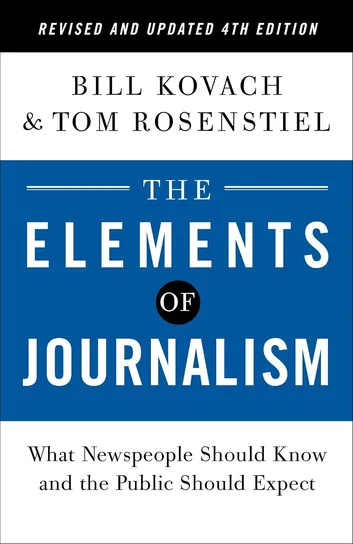
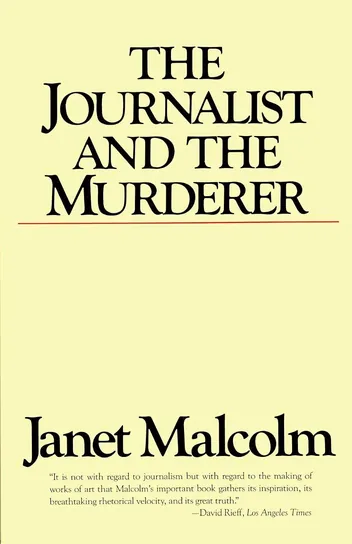
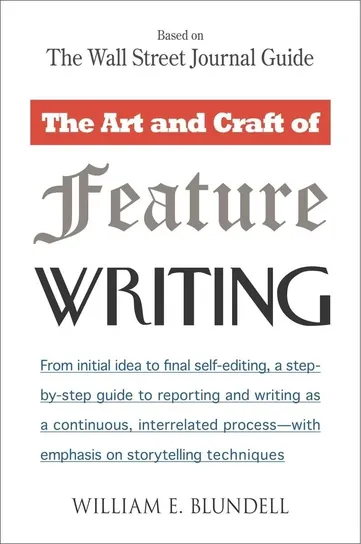
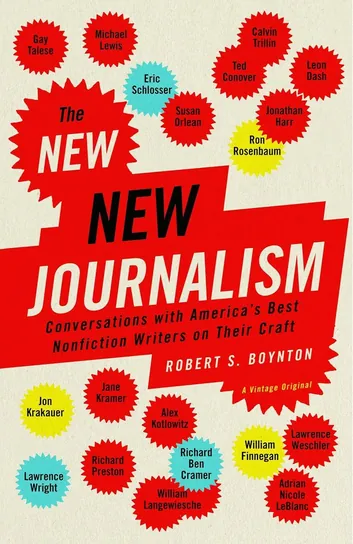
The Elements of Journalism stays on top, now in its fourth edition, because no other book states as plainly what reporters owe the public. The big change is balance. The old list had little on writing itself, so On Writing Well, Writing Tools, The Art and Craft of Feature Writing and The New New Journalism join it, along with Janet Malcolm's The Journalist and the Murderer for the ethics of dealing with sources.
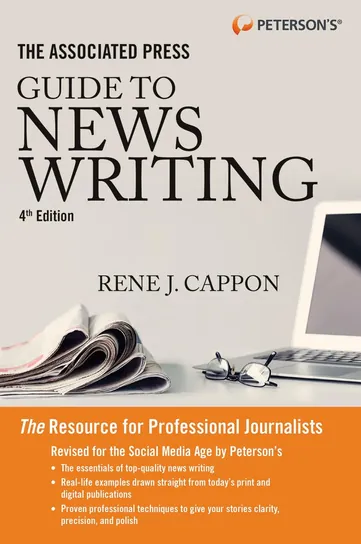
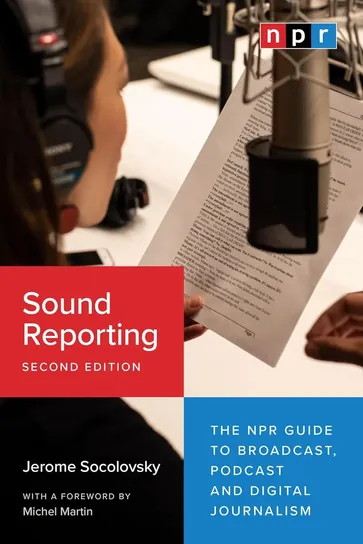
The AP Stylebook, The AP Guide to News Writing and Sound Reporting now point to their current editions. We dropped The Mammoth Book of Journalism and Beyond News, which have dated, The Subversive Copy Editor, which is about editing books, and The Best American Sports Writing, a yearly anthology rather than a book about the job. The Investigative Reporter's Handbook moves to the honors, because the edition we listed is old and the new one costs as much as a course text.
For evidence we read reading lists from Press Gazette, Five Books, the Vancouver Public Library and journalism teachers, checked each publisher's edition details, and used reader averages only as a cross-check.
March 16, 2020:
My earliest memory of training for a career in journalism is of my high school teacher Sister Jeremiah quoting Joe Friday from “Dragnet” with his commonly used, “All we want are the facts, ma’am.” She also made sure we students were well familiar with the inverted pyramid model, in which we inserted the most important details of a news story into the first paragraph – ensuring any busy subway rider could learn all the important details up front and move to the next story, if so desired. These days, journalism is unrecognizable from what it was back then, in many respects. As such, it’s important for any aspiring reporter -- as well as seasoned veterans -- to read up on the history of the profession and all the important ways it’s evolving today, not to mention the current standards and rules of the trade.
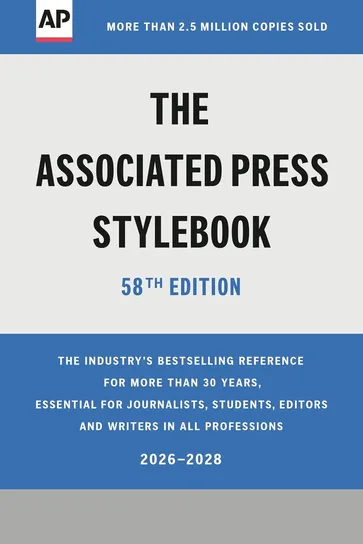
Although we already had the Associated Press’s informative Guide to News Writing on our list, in this update we felt it was important to add The Associated Press Stylebook, which is referred to daily by countless journalists. The latter is more of a hands-on resource, and its dictionary-style A to Z layout makes it quick and easy to find out about any term or topic at hand. This guide is updated annually, and all of the major changes are conveniently outlined toward the start. We linked to the spiral-bound copy; while a standard-bound copy is also available, the spiral binding makes it so much easier to keep it open flat on your desk as you type.
We also felt it was important to add a copy editing book to the selection, as many a reporter sooner or later may be tasked with editing the work of others. There is a much smaller selection of editing books available than books on writing, but you’ll appreciate The Subversive Copy Editor, which is an easy read with both strategies and support for keeping everyone happy with the changes you make: your writer and managing editor, as well as your readers.
To make room for these highly relevant books, we removed The New York Times: Complete Civil War 1861-1865 and The New New Journalism. While it didn’t make our list, anyone who wants to become a better writer would benefit from the renowned “The Elements of Style” by Strunk and White, which is as entertaining for many as it is thorough in explaining proper grammar and usage rules. My dog-eared copy with yellowed pages is always within reach.
Special Honors
Investigative Reporter's Handbook, 6th Edition Investigative Reporters and Editors, the nonprofit training group, publishes this guide to finding stories in documents, data and public records. The 2020 edition was rewritten with new chapters. It is the method book serious investigative reporters use, but its price puts it in course-textbook territory. ire.org
SPJ Code of Ethics The Society of Professional Journalists' code is free to read online and is a widely cited ethics standard for U.S. reporters. It is voluntary, not law, and fits on one page, which makes it a good companion to any book here. spj.org
Match The Book To What You Want To Learn
For what reporting looks like in practice, read an account of a real investigation.
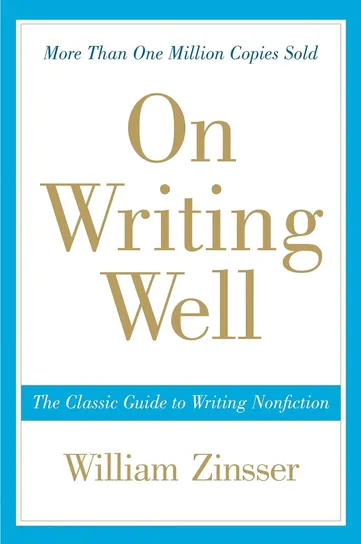
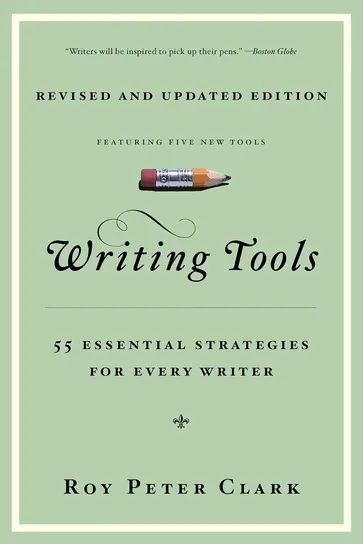
Journalism books fall into a few kinds, and most people need one of each rather than three of the same. For why the job exists and what it owes readers, The Elements of Journalism is the usual starting point; its central idea is a discipline of verification, checking a claim before passing it on. For the sentences themselves, Zinsser and Roy Peter Clark teach plain, active prose, and the AP's own news-writing guide covers the structure of a hard-news story: the lead, the quotes, the attribution.
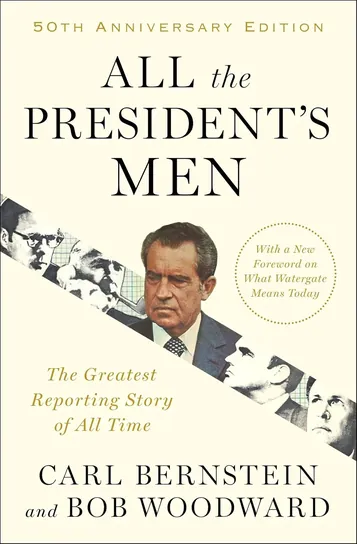
For what reporting looks like in practice, read an account of a real investigation. All the President's Men tops the Nick Davies's Five Books list on investigative journalism and appears in Press Gazette's roundup of the best books about journalism. For ethics, pair Janet Malcolm's short book with the SPJ Code of Ethics, which sums up a reporter's duties in four lines: seek truth and report it, minimize harm, act independently, and be accountable and transparent.
When The Edition Matters
Most books here don't go stale. Zinsser's advice on clutter or Malcolm's argument about sources reads the same in any printing, so a used or library copy is fine. Three are different. The AP Stylebook now comes out every two years, and the 2026-2028 book is the 58th edition. Its rules on titles, numbers and sensitive terms change between editions, so a class or newsroom will usually expect the current one. AP also sells a searchable online version by subscription at apstylebook.com.
The Elements of Journalism reached its fourth edition in 2021, and Sound Reporting its second at the end of 2024, with new material on audio for the web and on reporter safety. Older editions of both are still worth reading, but the new ones speak to how news works now. Before you buy for a course, check which style guide your outlet or teacher uses: most U.S. news outlets follow AP, while book publishers and many magazines use the Chicago Manual of Style.
What These Books Won't Cover
None of the books here is a legal guide. Reporters in the U.S. also need the basics of libel, privacy and public-records law, which vary by state; the Reporters Committee for Freedom of the Press publishes free state-by-state guides on open records and courts.
They also stop short of records and data work. The Investigative Reporter's Handbook, rewritten for its 2020 sixth edition, is the standard manual for digging through documents and databases, but it's priced like a textbook. Full journalism textbooks can cost as much as several of these books together, so try a library or a rental first. And no book replaces practice: a student paper, a local news site or a newsletter of your own teaches what reading can't.
How we researched this
We compared 18 books and editions about journalism, checked publishers' edition details for every pick, read reading lists from Press Gazette, Five Books, a public library and journalism teachers, and used reader averages only as a cross-check. Updated November 1, 2026 by Ezvid Wiki Admin.
Sources (10)
- Penguin Random House: The Elements of Journalism, 4th ed.
- Hachette Book Group: The Associated Press Stylebook 2026-2028
- University of Chicago Press: Sound Reporting, 2nd ed.
- Investigative Reporters and Editors: new Investigative Reporter's Handbook
- Society of Professional Journalists: Code of Ethics
- Press Gazette: best books about journalism
- Five Books: Nick Davies on investigative journalism
- Wikipedia: The Journalist and the Murderer
- Poynter: On Writing Well sales
- Reporters Committee for Freedom of the Press
Frequently asked questions
What is the best book for journalism students?
Start with The Elements of Journalism for what the job is for, add The AP Stylebook if your class uses AP style, and pick one writing book, such as On Writing Well or Writing Tools. Those three cover principles, style and prose.
Do I need the current AP Stylebook?
For a class or a newsroom, usually yes, because AP revises rules between editions, which now come out every two years. For learning the basics on your own, an older edition works.
Which book is best for learning to write news stories?
The AP Guide to News Writing is built around the hard-news story: leads, quotes and attribution. For broader writing habits, On Writing Well and Writing Tools are the standard picks.
What is the best book about investigative journalism?
All the President's Men shows how an investigation unfolds, step by step. For the methods themselves, such as records requests and data work, the Investigative Reporter's Handbook from IRE is the reference, though it costs as much as a textbook.
Are there good books on journalism ethics?
The Journalist and the Murderer is the classic short book on the reporter-source relationship, and The Elements of Journalism covers a reporter's broader duties. The free SPJ Code of Ethics is a useful one-page summary.