The 10 Best Kids Four Wheelers
Updated by · How we research

Ten electric quads and side-by-sides for toddlers to age 12, compared by speed, rider limit and battery. The Razor Dirt Quad leads for kids 8 and up. When users buy our independently chosen editorial recommendations, we may earn commissions to help fund the Wiki.
Nearly every kids' four-wheeler sold online is a battery-powered toy, not an ATV, and most top out at a jogging pace or slower. That suits toddlers through about age eight. Real gas youth ATVs are a separate, dealer-sold class with federal safety rules, and pediatricians advise no one under 16 ride them. This list covers the electric kind, by age.
At a Glance


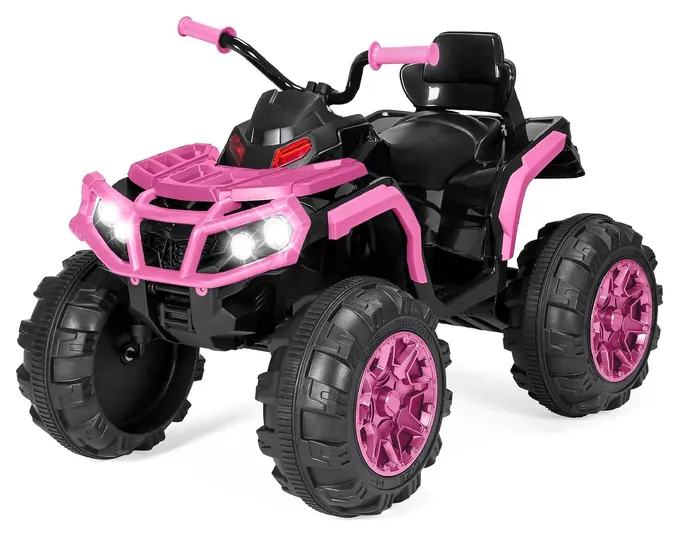
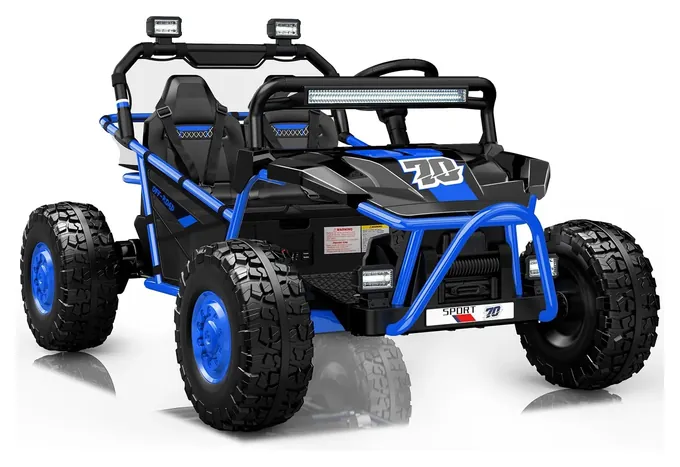
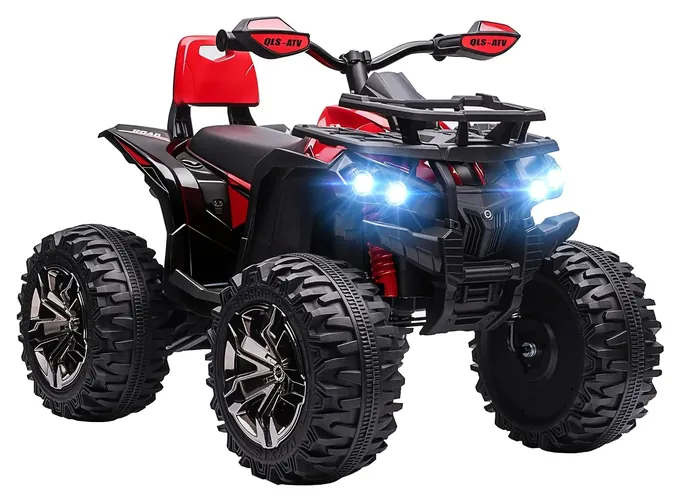
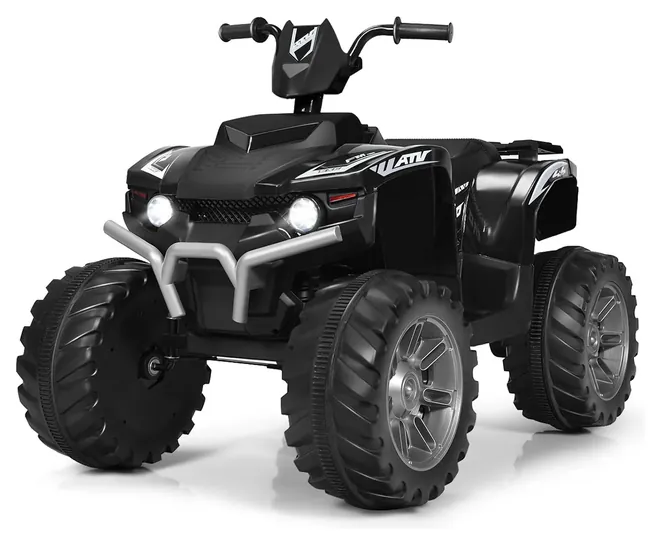
Editor's Notes
October 26, 2026, by Ezvid Wiki Admin:
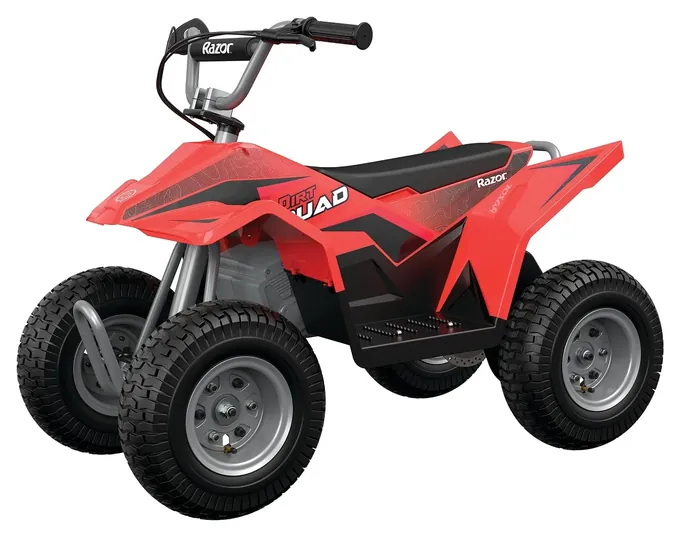
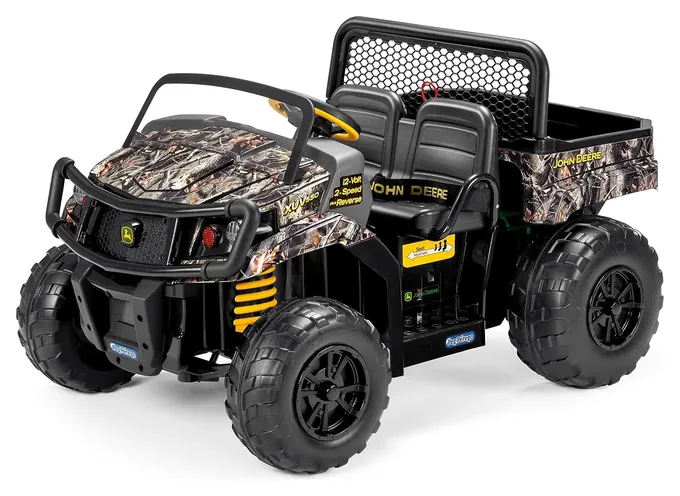
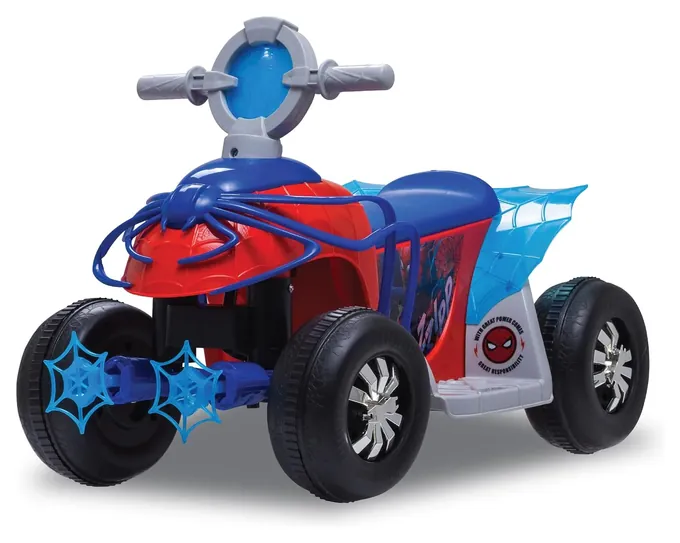
Power Wheels has no ATV on sale right now, which knocked three old picks off this list: the Dune Racer, the Racing ATV and the Jurassic World Dino Racer. The Razor Dirt Quad keeps the lead for kids 8 and up because it's the one electric quad here with a twist throttle, a disc brake and air-filled tires. The Peg Perego Gator XUV and the Kid Trax Spider-Man Quad stay too.
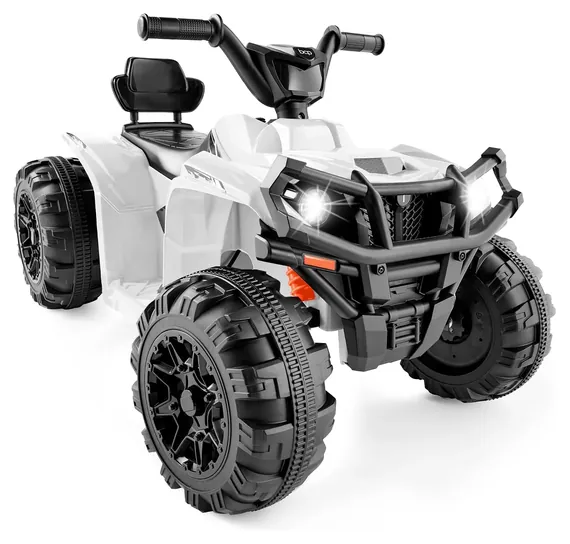
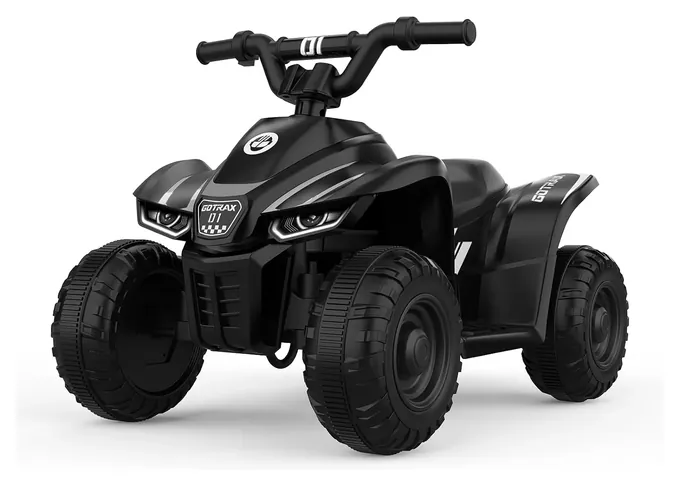
We dropped the X-Pro Bolt, a 110cc gas machine that's no longer sold and has an engine Penn State Extension's guidance reserves for riders 16 and older. The Best Choice Products SKY5609 is gone, so its 12-volt sibling, the Best Choice Products SKY5607, takes its place. New picks fill each age group: the First Ride On 36V UTV for grade-schoolers, the Aosom Dual-Motor ATV and Costzon 12V Kids ATV for preschoolers, and the Gotrax RT1 for toddlers.
Nobody publishes lab tests of toy quads, so the deciding evidence was Razor's and Peg Perego's own spec pages, the federal recall records, and a clear pattern in owner feedback: the battery, not the motor or the plastic, is what usually gives out first. We also left out a 36-volt youth ATV that was recalled in 2024 for failing federal ATV rules.
April 30, 2021:
Safety is the first and foremost priority when it comes to kids' toys, especially powered kids' toys. For that reason, we axed a couple gas-powered models that had troubling rates of failure soon after purchase. We feel pretty strongly that unless you and your family have plenty of experience riding four-wheelers, an electric model is almost certainly the way to go for most young ones. Of course, it is possible to practice safe habits with gas-powered models, so we do recommend the X-Pro Bolt.
For most kids, though, the electric Razor Dirt Quad is easily fast enough, and it's designed much like a traditional quad. The two-seated Power Wheels Dune Racer is ideal for siblings, while options like the Kid Trax Quad and Power Wheels Jurassic World Dino Racer are great for younger kids and toddlers. The only completely new model we've added this time around is the Peg Perego John Deere Gator XUV, which is modeled after a real-life utility quad and has interesting features like a tilting dump bed. Its only major issue is that it's a bit of a pain to set up and charge, but its battery does last for a couple hours, so we think it's generally worth it.
January 04, 2020:
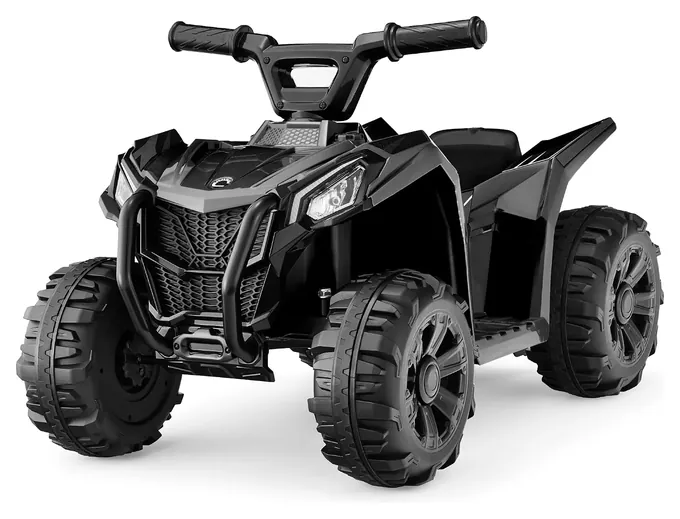
Four wheelers are just as fun for kids as they are for adults. And, they come in options perfectly suited to most age ranges. For example, the Kid Trax Quad is ideal for toddlers, as it tops out at just 1.5 miles per hour and offers a simple push-button acceleration that doesn't require a lot of fine motor skills. Also, since kids will outgrow it quickly, it comes for a budget-friendly price.
On the opposite end of the spectrum we have gas-powered models like the X-Pro 125, TaoTao ATA-125D, and X-Pro 110. Reaching speeds in excess of 25 miles per hour, these cannot be considered toys and are best-suited for experienced riders. Additionally, they should never be ridden without proper safety gear, which includes a helmet and knee and elbow pads. Though intended for responsible users, these three models still have safety features like remote kill switches and speed limiters.
We also have a lot of options for children between three and eight years of age that go fast enough to be exciting, but not so fast that they will give parents a heart attack every time their child fires them up. These include the Peg Perego Polaris Outlaw, Power Wheels Dune Racer, Power Wheels Jurassic World Dino Racer, Best Choice Products SKY5609, Power Wheels Racing ATV. These models all top out between five and six miles per hour, and most have two gears, so true beginners can learn on the lower speed setting.
The Razor Dirt Quad is an interesting option in that it straddles the line between toy and real vehicle. It is a perfect ride for kids who have outgrown the slow models, but who aren't yet ready for a gas-powered ATV. It features a twist-grip throttle, just like you find on full-sized four-wheelers; large pneumatic tires; and strong coil shocks to provide a smooth ride over rough terrain.
Special Honors
Polaris Outlaw 70 EFI For families ready for a real gas youth ATV, Polaris aims the Outlaw 70 EFI at riders about 6 to 10. It has a 70cc engine and a speed limiter parents can adjust, and it's sold through dealers at a far higher price than any toy quad. It falls under federal ATV rules, so pair it with a full-face helmet, eye protection and a rider training course. polaris.com
Toy Quad Or Real Youth ATV
Some states add training or engine-size rules, so check yours before you shop.
Most of what's sold as a kids' four-wheeler is a ride-on toy. Even the biggest of them, the Razor Dirt Quad, comes with a warning from Razor that it isn't an ATV and should stay on flat, smooth ground. Toy quads fall under toy safety rules, not the federal ATV standard, and they top out somewhere between a walk and a run.
A real youth ATV is a gas machine sold through dealers. The Polaris Outlaw 70 EFI is a typical example: a 70cc engine, aimed at riders about 6 to 10, with a speed limiter parents can set. Penn State Extension sums up the usual guidance: no ATV for children under 6, under 70cc for ages 6 to 11, 70cc to 90cc for ages 12 to 15, and adult machines only from 16. The U.S. Consumer Product Safety Commission says riders under 16 should use only youth-model ATVs, and the American Academy of Pediatrics goes further and advises that no child under 16 ride one at all. Some states add training or engine-size rules, so check yours before you shop.
Matching Speed, Age And Rider Limit
Battery voltage roughly sets the speed. A 6-volt toddler quad moves at about 1.5 to 2 mph, slower than an adult walks. Most 12-volt models run about 2 to 5 mph, 24-volt models about 3 to 5, and 36-volt machines like the First Ride On UTV reach 5 to 8 mph. Faster isn't better for a small child: the right pick is the one the child can steer and stop calmly.
The age range and rider limit printed by the maker are safety limits, not suggestions. Overloading a ride-on raises the tip-over risk, and the toy safety standard ASTM F963 sets its own rules for riding toys. Toddlers do best with one push button they can let go of to stop. From about age 3, a foot pedal works the same way: lift the foot and it stops. Look for a low-speed setting or lockout for beginners, a soft start that doesn't jerk, and belts on any two-seater.
Batteries, Charging And Safe Riding
Battery trouble is the most common complaint about ride-on toys, so treat the battery as the part that needs care. Use only the supplied charger, charge in a dry, ventilated spot away from anything flammable, and don't leave it charging unattended for days. The CPSC tracks battery hazards across consumer goods, including overheating chargers. Sealed lead-acid batteries, used in the Razor Dirt Quad and many toddler quads, can take up to 12 hours to recharge and lose capacity if they sit flat, so top them up every few weeks in the off-season.
On the ground, a helmet is worth the fuss even at low speed, and kids should ride away from streets, driveways with traffic, pools and steep slopes. Before buying any youth machine, search the CPSC recall list: in 2024 the Droyd Fury youth ATV was recalled for failing federal ATV rules after being sold online.
How we researched this
We compared 22 kids' ride-on quads and side-by-sides, read the makers' spec pages and seller spec sheets for the 10 finalists, analyzed owner feedback patterns, reviewed youth ATV guidance from the CPSC, the American Academy of Pediatrics and Penn State Extension, and checked every brand against CPSC recall records.
Sources (10)
- Razor: Dirt Quad
- Polaris: Outlaw 70 EFI
- Penn State Extension: ATVs and youth
- CPSC: ATV Safety Information Center
- American Academy of Pediatrics: report on ATVs
- CPSC: Droyd Fury youth ATV recall
- CPSC: 2008 Razor ride-on recall
- CPSC: batteries
- ASTM F963 toy safety standard
- rcrideoncars.com: Razor Dirt Quad review
Frequently asked questions
What age is right for a kids' four-wheeler?
Push-button toy quads start at about 18 months, foot-pedal 12-volt quads suit ages 3 to 6, and the Razor Dirt Quad is rated for 8 and up. Gas youth ATVs start at about age 6 with a 70cc engine, but pediatricians advise against any ATV riding under 16.
What's a good four-wheeler for an 8-year-old?
The Razor Dirt Quad, rated for ages 8 and up and riders up to 120 pounds, or the First Ride On 36V UTV, rated for 6 to 12. Most 12-volt toy quads are too slow and too small by age 8.
How fast do kids' electric quads go?
From about 1.5 mph for toddler models to 8 mph for the Razor Dirt Quad and 36-volt UTVs on their high setting. Most 12-volt quads run 2 to 5 mph.
How long does the battery last?
Most run 40 minutes to 2 hours per charge, depending on speed, rider weight and terrain. Expect 8 to 12 hours to recharge, and keep lead-acid batteries topped up in storage.
Can two kids ride together?
Only on a two-seater built for it, like the Peg Perego Gator XUV or the First Ride On 36V UTV, and only within the combined rider limit. Never carry a passenger on a one-seat quad.
Can they ride on hills, sand or pavement?
Most toy quads handle grass, dirt paths and sidewalks. Razor says the Dirt Quad belongs on flat, smooth ground, not sand, mud or steep slopes, and no ride-on toy should go near a street.