The 10 Best Kitchen Knives
Updated by · How we research

Chef's, bread and paring knives from Victorinox, Wusthof, Shun, Mac and Mercer, compared on steel, grip and edge. The Victorinox Fibrox Pro leads for value. When users buy our independently chosen editorial choices, we may earn commissions to help fund the Wiki.
Most home cooks do nearly all their cutting with three blades: a chef's knife, a paring knife and a serrated bread knife. A big block set mostly adds knives that sit unused. Spending more buys heft and polish, yet inexpensive stamped knives keep placing near the top of independent cutting tests. Start here if you are stocking a first kitchen.





Editor's Notes
November 1, 2026, by Ezvid Wiki Admin:
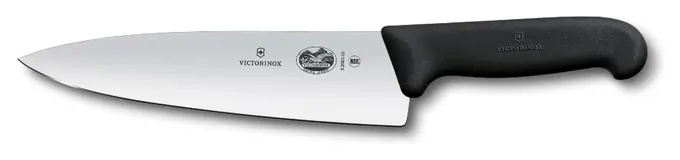
The Victorinox Fibrox Pro leads this restored page because it cuts about as well as knives costing several times more, and it keeps winning comparisons of affordable chef's knives. The list now covers the three knives a home kitchen actually uses: chef's knives at several prices and weights, two bread knives for different loaves, and a pair of paring knives. Sets and blocks are left out, and our knife sharpener guide covers keeping these edges keen.
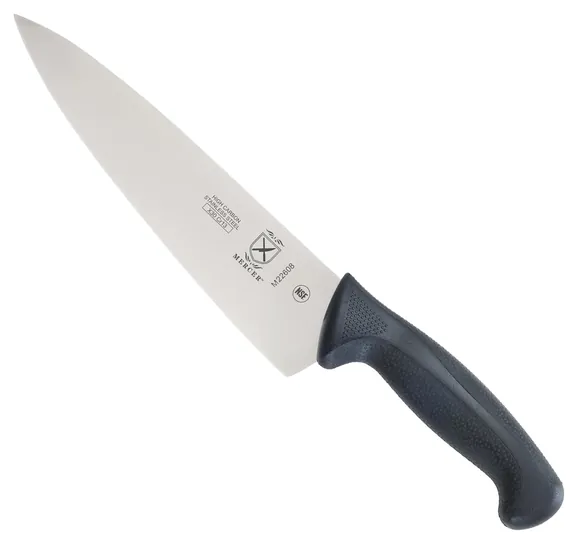
The evidence came from two large side-by-side chef's knife comparisons, roundups of bread and paring knives, the makers' specs and warranty terms, and a check of U.S. recall records that turned up nothing for any of these brands' knives. Those reviewers disagree sharply about the Mercer Millennia chef's knife, so it sits low with the conflict spelled out.
Three Knives Do Almost Every Job
Buying three good knives usually costs less than a mediocre 15-piece block.
A chef's knife handles most of the work: chopping onions, slicing meat, mincing herbs and smashing garlic. About 8 inches is the all-round length for home cooks. America's Test Kitchen looks for a gently curved edge that rocks smoothly, a heel about 2 inches tall so your knuckles clear the board, and a spine around 2 to 2.3 millimeters thick, and its testers found that budget knives with those traits cut as well as many costly ones.
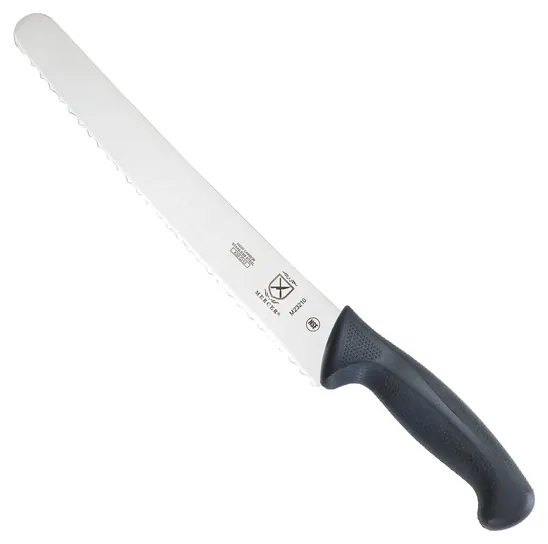
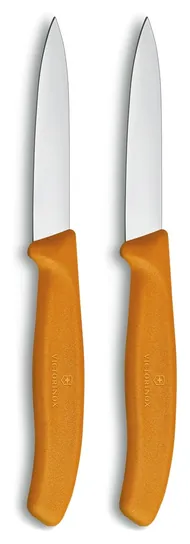
A paring knife takes over for small work in your hand, such as peeling, coring and trimming. Reviewed suggests a blade of about 3.25 to 3.5 inches. A serrated bread knife saws through hard crusts without squashing the soft crumb, and it also cuts tomatoes and cakes cleanly. Look for 8 to 10 inches: the longer blade spans a wide loaf in one pass, and Reviewed's bread knife roundup found wavy, scalloped teeth gave the cleanest slices of soft sandwich bread.
Most of the other knives in a block set, from a utility knife to a boning knife, are nice to have but rarely needed. Buying three good knives usually costs less than a mediocre 15-piece block.
German Or Japanese, Forged Or Stamped
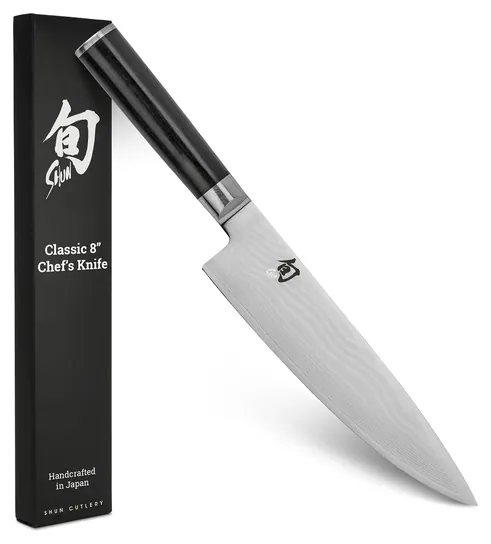
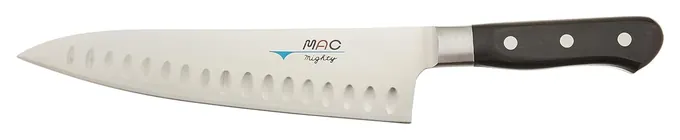
German-style knives such as the Wusthof Classic use softer steel, a thicker spine and often a full bolster, the thick collar where blade meets handle. That makes them heavy and forgiving: the edge rolls rather than chips, and a few strokes on a honing steel bring it back. The Wusthof Classic is rated 58 on the Rockwell hardness scale. Japanese-style knives such as the Shun Classic and Mac MTH-80 use harder steel ground thinner; Shun sharpens its Classic to 16 degrees per side. They feel lighter and cut with less force, and they hold an edge longer, but the hard edge can chip on bones, frozen food or a twisting cut. Tech Gear Lab found the Shun held its edge best in its test and also noted that it chips under heavy use.
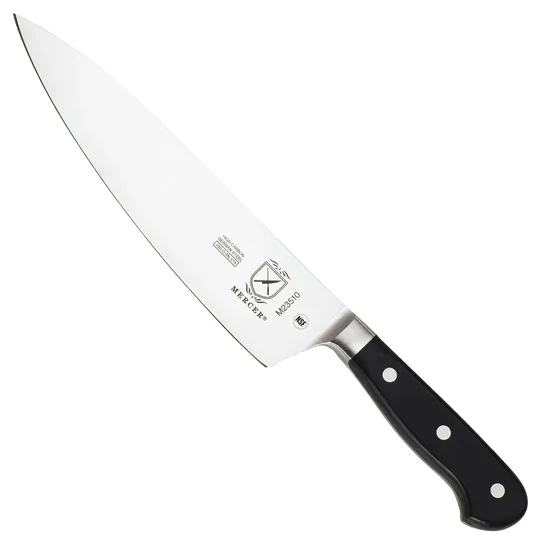
Forged knives are hammered or pressed from one thick piece of steel, so they're heavier and usually carry a bolster. Stamped knives are cut from a sheet, which keeps them light and cheap. A full bolster protects your fingers but makes the back of the edge harder to sharpen over the years; the Mac MTH-80 and Mercer Renaissance use a short bolster that stops before the heel. Stamped knives like the Victorinox Fibrox Pro give up a little heft and nothing in sharpness.
Keeping An Edge, And Your Fingers
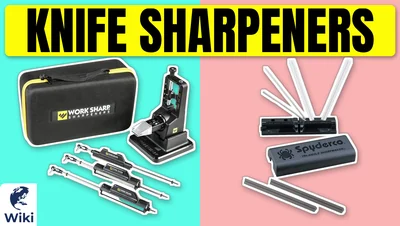
A sharp knife is safer than a dull one, because a dull edge slips off an onion skin instead of biting in. Honing and sharpening are different jobs. A honing steel straightens an edge that has bent over in use, and a few strokes before cooking keep a knife cutting well. Sharpening grinds away metal to form a new edge, and you need it when honing no longer helps. Our knife sharpener guide compares pull-through and electric sharpeners and whetstones.
Wash good knives by hand and dry them right away. Dishwasher detergent and rattling against other dishes dull an edge, and they can crack wooden handles, even when a maker such as Victorinox calls a knife dishwasher safe. Store knives in a block, on a magnetic strip or with a blade guard, never loose in a drawer. Set your cutting board on a damp towel so it can't slide, curl the fingertips of your guiding hand under, and if a knife falls, step back and let it drop. Keep knives out of children's reach.
How we researched this
We compared 20 kitchen knives and screened 10 finalists, read the makers' specs and warranty terms, drew on two independent side-by-side chef's knife comparisons and roundups of bread and paring knives, and checked every brand against the U.S. Consumer Product Safety Commission's recall database. Updated November 1, 2026 by Ezvid Wiki Admin.
Sources (8)
Frequently asked questions
Which knives does a home cook really need?
Three cover nearly everything: an 8-inch chef's knife, a paring knife of about 3 to 3.5 inches and a serrated bread knife of 8 to 10 inches. A utility or santoku knife is a nice extra, not a must.
Is an 8-inch or a 10-inch chef's knife better?
For most home cooks, 8 inches. It's long enough for a melon or a pile of herbs and short enough to control on a typical cutting board. A 10-inch blade suits big hands, big boards and big batches.
Should I buy a German or a Japanese knife?
Pick German if you want a heavy, forgiving knife that shrugs off rough use and is quick to hone. Pick Japanese if you want a lighter, thinner blade that cuts with less effort and stays sharp longer, and you don't mind treating the edge gently to avoid chips.
Can good knives go in the dishwasher?
It's best not to. Detergent and knocks against other dishes dull the edge and can crack wooden handles. Wash by hand with warm, soapy water and dry right away.
What's the difference between honing and sharpening?
Honing on a steel pushes a bent edge back into line and removes almost no metal, so you can do it often. Sharpening grinds a new edge and is needed only when honing stops working.
Do expensive knives cut better?
Not always. In independent tests, stamped knives that cost a fraction as much cut nearly as well as forged ones. More money mostly buys weight, harder steel, a nicer handle and a longer-lasting edge.