The 9 Best Level 2 EV Chargers
Updated by · How we research

Nine home Level 2 EV chargers compared on charging speed, plug type, weather sealing and apps. The Emporia Classic is our pick for most single-car homes. When users buy our independently chosen editorial picks, we may earn commissions to help fund the Wiki.
A Level 2 charger runs only as fast as the circuit behind it and the car plugged into it. On a 50-amp outlet, any plug-in unit tops out at 40 amps, and many cars accept no more than that. For homeowners adding 240-volt charging, the electrician's bill often tops the charger's, and the federal tax credit ended in June 2026.


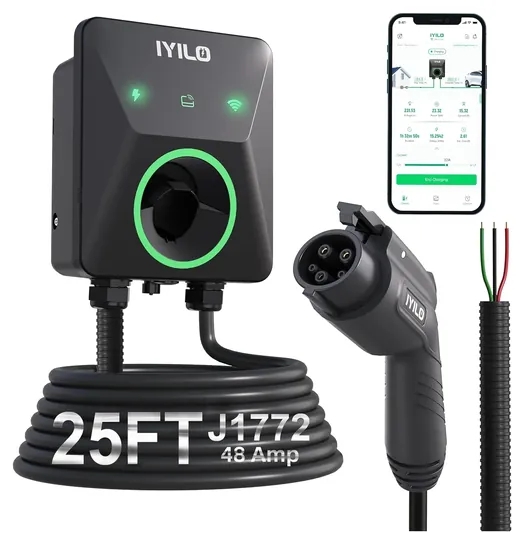
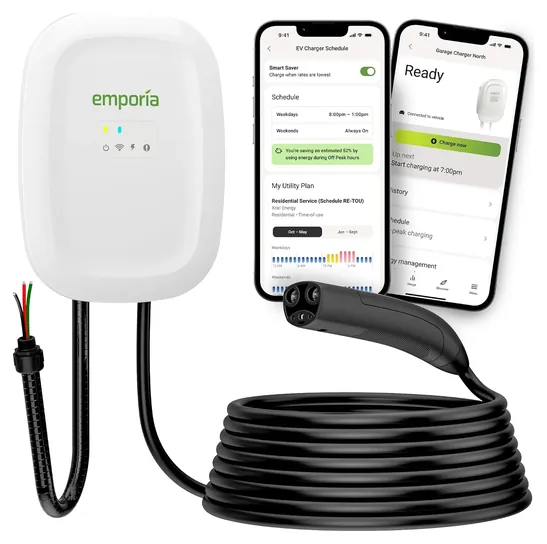
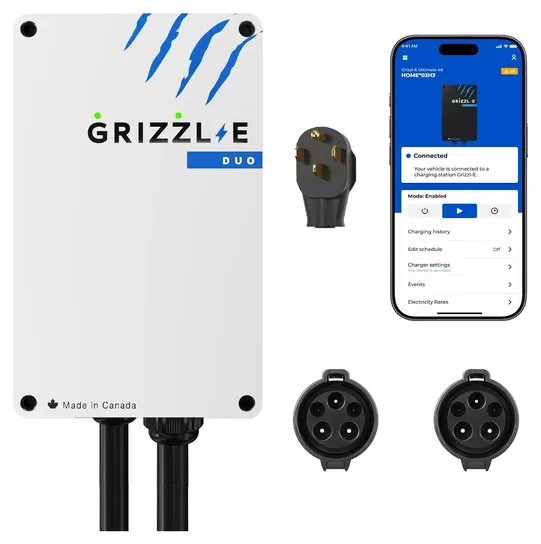
Editor's Notes
November 16, 2026, by Ezvid Wiki Editors:
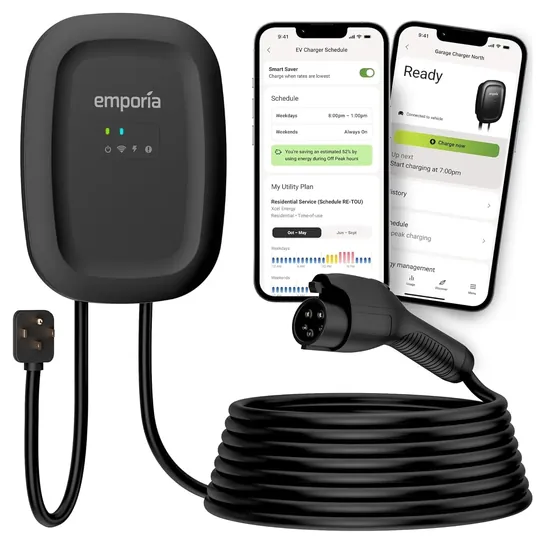
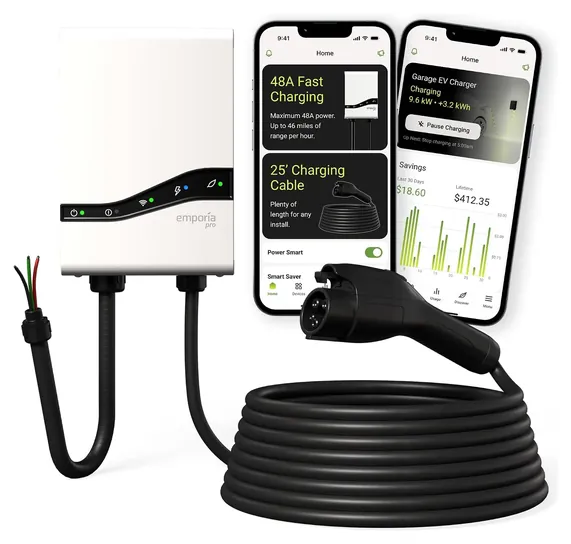
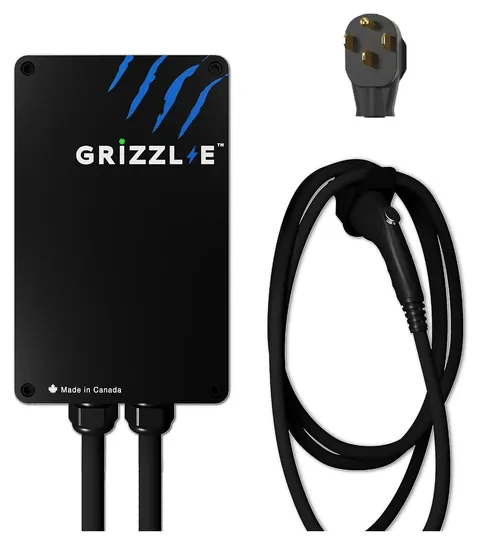
The Emporia Classic leads this list because it gets the basics right for one car: it plugs in or hardwires, handles weather, and has an app that schedules charging for cheap overnight rates. If your panel is already crowded, the Emporia Pro and its home energy monitor can save a costly upgrade. On a budget, or for a wall outside, the metal-cased Grizzl-E Classic is built to take abuse, though it has no app.
This page is back after a break, rebuilt around home Level 2 charging for cars with either the round J1772 port or Tesla's NACS port. We leaned on long-term charger tests from Wirecutter and Car and Driver, State of Charge's charger scores, electricians' guidance on breaker sizing and GFCI trips, and owner threads on Volkswagen, Kia, Hyundai and Subaru forums.
We left out JuiceBox, whose maker has left the market and whose chargers drew a federal safety review over overheating, and Autel's chargers, whose cable stiffened more in the cold than any other in State of Charge's checks. Tesla's own Universal Wall Connector is a strong choice, but it's sold mainly by Tesla, so it sits under special honors. One more thing: the federal tax credit for home chargers has ended, so look for utility rebates instead.
Special Honors
Tesla Universal Wall Connector Tesla's Universal Wall Connector ends in a Tesla-style plug with a built-in adapter for round-port cars, so one charger serves both kinds. It's hardwired and charges at up to 48 amps. Car and Driver calls it the most future-proof home charger it tested. Tesla sells it directly, and it needs a 60-amp circuit for full speed. tesla.com
Amps, Breakers And What Your Car Can Accept
That means a 40-amp charger needs a 50-amp circuit and a 48-amp charger needs a 60-amp circuit, which must be hardwired.
A Level 2 charger doesn't make the car charge faster by itself. The car's onboard charger does the real work, and the wall box only tells it how much current the circuit can safely give. Level 2 runs on 240 volts and refills most electric cars from low to 80 percent in about 4 to 10 hours, against 40 to 50 hours on a household outlet, according to Transportation Department figures cited by Wirecutter.
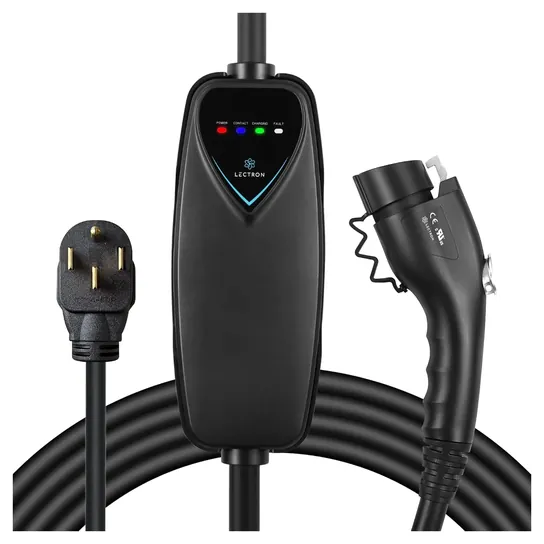
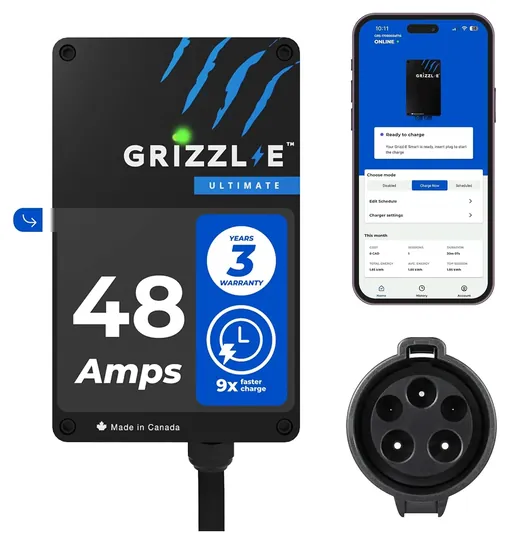
Electricians size the breaker at 125 percent of the charging current, because charging counts as a continuous load. That means a 40-amp charger needs a 50-amp circuit and a 48-amp charger needs a 60-amp circuit, which must be hardwired. A plug-in charger on a NEMA 14-50 outlet is limited to 40 amps (Snapper Electric). Check your car's specs first: many cars accept 32 to 40 amps at home, so a 48-amp charger adds nothing for them.
If the panel has no room, a charger with load management can watch the whole house and slow down when the oven and dryer run. Car and Driver singled out this approach as a way to skip a panel upgrade.
J1772 Or NACS, Plug-In Or Hardwired
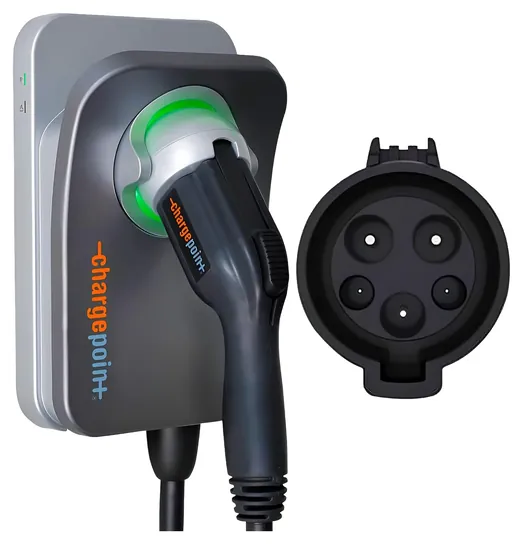
Every non-Tesla electric car sold in North America used the round J1772 port until recently. Tesla's NACS port, now standardized as SAE J3400, is spreading to many new models from other brands. A J1772 charger works with a Tesla through an adapter, and a NACS charger needs an adapter for a J1772 car, so buy for the cars you expect to own over the charger's life.
Plug-in chargers are cheaper to install and can move with you, but the 2023 National Electrical Code requires GFCI protection on the outlet, and a GFCI breaker plus the charger's own ground-fault circuit can trip each other for no clear reason (Snapper Electric). Hardwiring allows more current and removes the plug as a point where heat can build up.
The electrical code caps charging cords at 25 feet, and a single-car garage is about 16 feet wide, so plan where the car's port will sit (Wirecutter). For outdoor mounting, a NEMA 4X or IP67 rating means the box is sealed against hose spray and dust, while NEMA 3R means rain-resistant only (Car and Driver).
Install Costs, Permits And Incentives
For many homes the electrician's bill is larger than the charger's price, and a panel upgrade can multiply it. Get at least two quotes, and ask each electrician for a load calculation, which shows whether your panel can carry the new circuit. A permit is usually required for a new 240-volt circuit.
The federal credit for home chargers, the Alternative Fuel Vehicle Refueling Property Credit, covered equipment placed in service through June 30, 2026, and has ended (IRS). Many utilities and some states still offer rebates or cheaper overnight rates for EV charging, so check your utility's site before you buy. Some states also give renters and condo owners a right to install a charger.
Buy only chargers listed by a recognized testing lab, such as UL, ETL or CSA, under the UL 2594 standard; Wirecutter limited its picks to such models. A safety mark printed in a seller's title isn't proof, so look the model up on the lab's own directory. Enel X's JuiceBox chargers were the subject of a federal safety review over overheating, and the company has left the U.S. market.
How we researched this
We compared 22 Level 2 chargers, read makers' spec sheets and install requirements, weighed long-term charger tests from Wirecutter, Car and Driver and Electrek plus State of Charge's ChargerRater scores, studied owner reports on EV forums, and checked every brand against U.S. Consumer Product Safety Commission recalls and NHTSA investigations.
Sources (12)
- Wirecutter: The Best Electric Vehicle Chargers for Home
- Car and Driver: We Test the Top EV Chargers to Find the Best for Your Home
- Qmerit: IYILO Level 2 EV charger review (State of Charge ChargerRater)
- Qmerit: Grizzl-E charger review
- Qmerit: Emporia EV charger review
- Qmerit: ChargePoint Home Flex review
- Electrek: Emporia Pro Level 2 EV charger tested
- TorqueNews: two-year update on the Emporia Level 2 charger
- Snapper Electric: NEMA 14-50 vs hardwired EV charger
- IRS: Alternative Fuel Vehicle Refueling Property Credit
- Solterra Forum: ChargePoint Home Flex Wi-Fi connection issues
- CPSC: Emporia smart plug recall (2023)
Frequently asked questions
What is the 80 percent rule for EV charging?
It has two meanings. Most electric cars charge more slowly past about 80 percent, and many makers suggest stopping there for daily driving to ease battery wear. For electricians, it means a charger may draw only 80 percent of its circuit's rating, so a 50-amp circuit supports a 40-amp charger.
Does a Level 2 charger work with a Tesla?
Yes. A NACS charger plugs straight into a Tesla. A J1772 charger works through a J1772-to-Tesla adapter, which Tesla has included with many U.S. cars; check that yours came with one.
How much faster is Level 2 than a regular outlet?
Much faster. Transportation Department figures put a typical car at about 4 to 10 hours from low to 80 percent on Level 2, against 40 to 50 hours on a standard household outlet.
Should I hardwire my charger or plug it in?
Hardwiring allows up to 48 amps on a 60-amp circuit and avoids GFCI nuisance trips. A plug-in charger on a NEMA 14-50 outlet is limited to 40 amps but can move with you. Many cars can't use more than 40 amps anyway.
Do I need an electrician to install a Level 2 charger?
Yes, in nearly all cases. It needs a dedicated 240-volt circuit, and most towns require a permit and an inspection. Even a plug-in charger needs a properly rated outlet with GFCI protection.
Can a Level 2 charger be mounted outside?
Yes, if it's rated for outdoor use. NEMA 4X or IP66 and IP67 units are sealed against hose spray and dust, and NEMA 3R units resist rain. An outdoor outlet also needs a weatherproof in-use cover.