The 10 Best Mechanical Pencils
Updated by · How we research

Rotating, drafting, no-break and lead-holder pencils compared on lead size, metal build and grip. The Uni Kuru Toga Roulette leads for its always-sharp point. When users buy our independently chosen editorial choices, we may earn commissions to help fund the Wiki.
Most mechanical pencil trouble starts with the lead, not the pencil. Fine 0.5 mm lead suits neat notes but snaps under a heavy hand, while 0.7 or 0.9 mm lead takes pressure and draws a bolder line. This list covers students and note-takers, sketchers who want a soft, thick line, and drafters who need a tip that follows a ruler.



Editor's Notes
October 23, 2026, by Ezvid Wiki Editors:
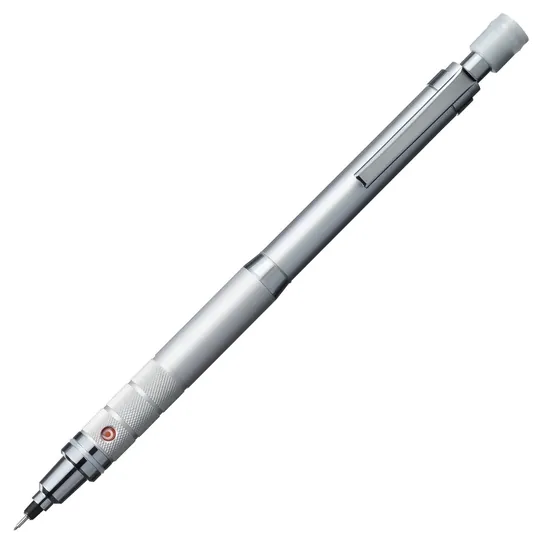
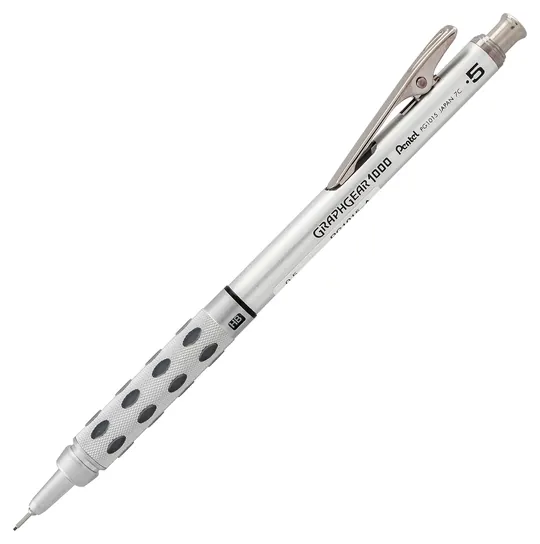
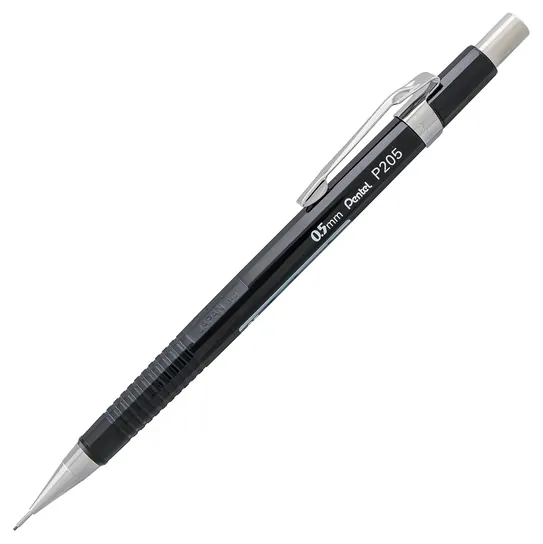
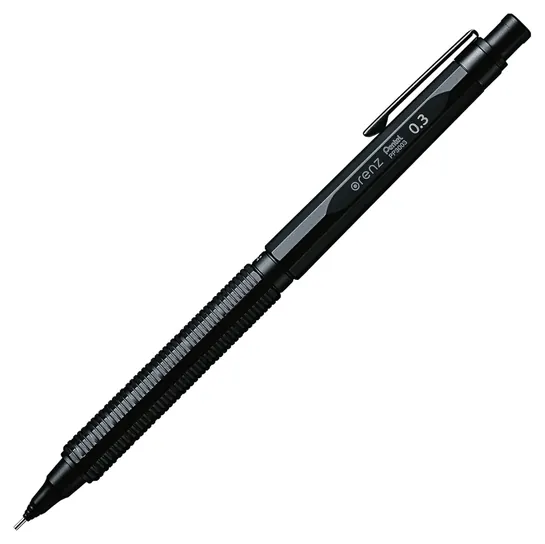
The Uni Kuru Toga Roulette stays our first pick. Its turning lead fixes the most common gripe about mechanical pencils, a point that wears flat and leaves fat, uneven lines, and it does that at a modest price. The Pentel GraphGear 1000, Pentel Sharp P205, Pentel Orenz Nero and Staedtler Mars Technico 780 stay too, and the Zebra Steel M-301 is the current version of the steel Zebra we listed before. We also corrected the old description of the Pentel Orenz Nero: it protects the lead with a sliding sleeve rather than turning it.
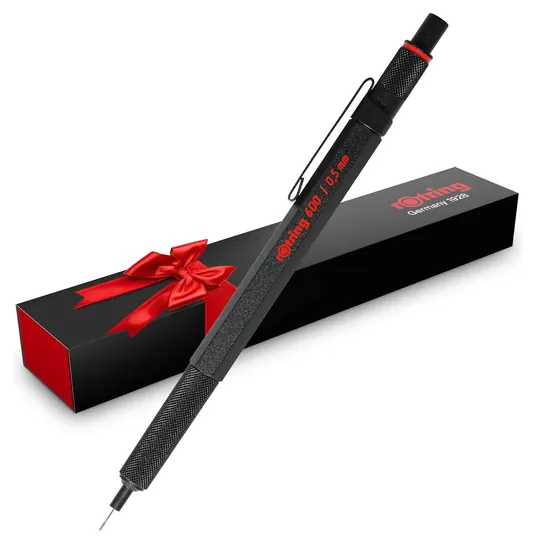
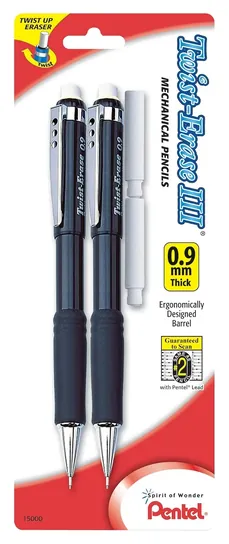
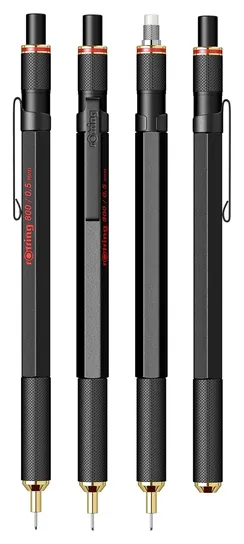
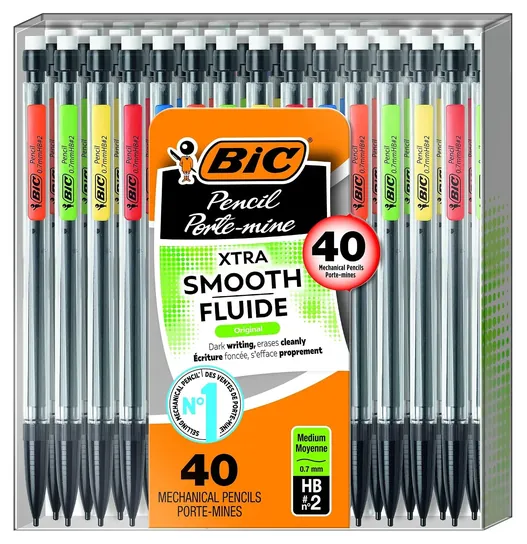
New this time are the Rotring 600 and Rotring 800 for drafting, the Pentel Twist-Erase III for people who erase a lot and the Bic Xtra Smooth for classrooms. The Rotring Rapid Pro left because the Rotring 600 does the same job for less, and the original Uni-Ball Kuru Toga overlapped the Roulette. We dropped the Autopoint Twin, which we couldn't find for sale, and the FastCap Fatboy, a carpenter's pencil that belongs on another list.
Pencil makers publish little beyond lead sizes and materials, so we leaned on a pen shop's long buying guide, a sketch artist's notes on lead grades, the JIS lead standard and years of owner comments about bent tips, snapping clips and tiny erasers.
Earlier notes
February 15, 2021, by Brett Dvoretz:
Though some may be surprised to learn this, the first mechanical pencil was actually developed nearly 200 hundred years ago. In that time, a lot of different designs and mechanisms have come and gone though the basic principle has remained mostly the same. These days, nearly all of the models on the market utilize a rotating or spring-based action to send lead out through the tip.
We believe that anyone who finds themselves on this list isn't looking for the basic Bic or Papermate model found in pretty much every every middle or high school kid's backpack, which is why you won't find anything like that here. Instead, we have focused on high-quality options that have slightly more refined designs, and often additional features that make them more efficient to use. For example, we have the Rotring Rapid Pro and Zebra Stainless Steel, both of which have metallic bodies worthy of professionals. And while the former might be a bit expensive for some, the latter certainly comes for a reasonable price.
At this time, we have chosen not to replace any of our currently recommended models, as we feel they still represent the best options on the market, without getting into the exorbitantly priced pencils that would only appeal to connoisseurs. That being said, we have decided to add a couple of those kinds to our special honors section, just in case you fall into this category and came here hoping to find a new one for your growing collection.
October 4, 2019, by Christopher Thomas:
You might be surprised at how enthusiastic some people are about their pencils, and no matter what you're using it for, there's probably one that will get you at least a little excited. If you're working on a DIY project you'll want something like the FastCap, though for more precise or technical projects you might want to go with the Staedtler, a longtime beloved manufacturer of writing utensils. The Autopoint Twin is another relatively specialized model that's ideal for anyone grading papers or making notes on their own rough draft.
If you're going for an inexpensive and lightweight option that's comfortable for all-day use, the Pentel Sharp is one of the most well-known such choices around. The Zebra is a little less popular but you may actually prefer how it feels in the hand. For a little more money you can move to an innovative rotating model like the Uni-Ball Kuru Toga or the slightly upgraded Roulette, both of which keep your writing a consistent width while making it less likely you'll poke holes in the paper. For serious drafting, many engineers really like the Graph Gear 1000 thanks in part to its hefty metal barrel. The Rotring is a good compromise between a heavy drafting pencil and a lightweight note-taking utensil. If you really want to get fancy, check out the Pentel Orenz Nero, which combines some of the best parts of all the options into one luxurious, albeit expensive device.
Special Honors
Graf von Faber-Castell Guilloche Propelling Pencil For a pencil meant as a gift or a keepsake, Graf von Faber-Castell makes its Guilloche propelling pencil with a finely engraved, lacquered barrel in several colors, including black, cognac brown and rhodium. It's a luxury writing instrument priced like jewelry, sold through the maker and fine pen shops. graf-von-faber-castell.com
Tactile Turn Pencil Tactile Turn, a small maker known for machined metal pens, sells an all-metal mechanical pencil with a bolt on the side that advances and retracts the lead. It comes in 0.5 and 0.7 mm, takes a friction-fit eraser in the back, and can be ordered with an engraved clip. tactileturn.com
Pick The Lead Before The Pencil
For scanned answer sheets, use a #2, which is the same as HB.
Lead size shapes everything else. Fine 0.3 mm lead suits tiny handwriting and detail, 0.5 mm is the common middle ground for notes and drawing, and 0.7 or 0.9 mm lead takes heavy pressure and draws a bolder line (TT Pen). Sketchers often move up to a 2 mm lead holder, which you sharpen like a wooden pencil. The sizes are nominal: Japan's JIS standard, for example, sets real 0.5 mm lead at 0.55 to 0.58 millimeters wide, and you should always buy the size printed on the pencil, since a lead that's too thin slips and snaps (Wikipedia).
Hardness matters as much as width. Mechanical pencil leads come in about 10 grades, from 4H (hard and light) to 4B (soft and dark). HB or F is the usual choice for writing because it smudges less. Artists tend to prefer 2B for sketching: one sketch artist avoids HB and harder grades because they can dent the paper and are hard to erase (The Fabulous Scientist). For scanned answer sheets, use a #2, which is the same as HB.
Rotating, No-Break, Fixed Or Retractable Tips
Most of the differences that matter sit at the tip. A rotating pencil, such as Uni's Kuru Toga line, turns the lead a little each time you lift it, so the point wears evenly instead of forming a flat chisel. The design was first patented in Germany and developed by Mitsubishi Pencil in Japan, and it shines in writing with many short strokes (Wikipedia). A no-break pencil, such as Pentel's Orenz line, takes a different route: a thin sleeve rides on the paper and slides back as the lead wears, so very fine lead never sticks out far enough to snap (Pentel). If your lines look uneven, choose rotation. If your lead keeps breaking, choose the sleeve.
Drafting pencils have a long, fixed metal tube at the tip so the pencil can run along a ruler or template. That tube is also the weak spot, since a drop can bend it. Retractable designs pull the tube inside the body for a pocket or a bag. For dedicated technical drawing tools, see our drafting pencils list.
Metal Or Plastic, And Keeping It Working
Metal bodies, in steel, aluminum or brass, last for years and add weight that some writers find steadying, but they can tire a hand over a long exam. Plastic pencils are light, cheap and easy to replace, and a fat rubber grip helps people who squeeze hard. If you aren't sure, a steel-barreled pencil with a plastic grip is a low-cost middle ground. Many enthusiasts also like the Tombow Mono Graph, a shaker pencil with a big eraser, and the lighter Kuru Toga Advance (The Fabulous Scientist).
Most jams come from the wrong lead size or from a broken stub stuck in the tip. Load only the size printed on the barrel, don't stuff the tube with more leads than it holds, and clear a stub by holding the button down and gently pushing it back out with a fresh lead. Refill leads and erasers are cheap and sold by most makers, so a good pencil should outlast many boxes of lead. None of the brands on this list has a recall on record with the U.S. Consumer Product Safety Commission (SaferProducts.gov).
How we researched this
We compared about 20 mechanical pencils and lead holders from eight brands, read makers' specifications, a pen retailer's buying guide, a sketch artist's notes on lead grades and the JIS lead standard, studied owner feedback on tips, clips and erasers, and checked every brand with the U.S. Consumer Product Safety Commission's recall database. Updated October 23, 2026 by Ezvid Wiki Editors.
Frequently asked questions
Is the Kuru Toga or the Orenz Nero better?
They solve different problems. The Kuru Toga turns the lead so the point stays sharp and lines stay even. The Orenz Nero shields the lead with a sliding sleeve so fine lead doesn't break, and one click keeps it feeding. Pick the Kuru Toga for even lines and the Orenz Nero for thin, fragile lead.
What is the best mechanical pencil for drawing?
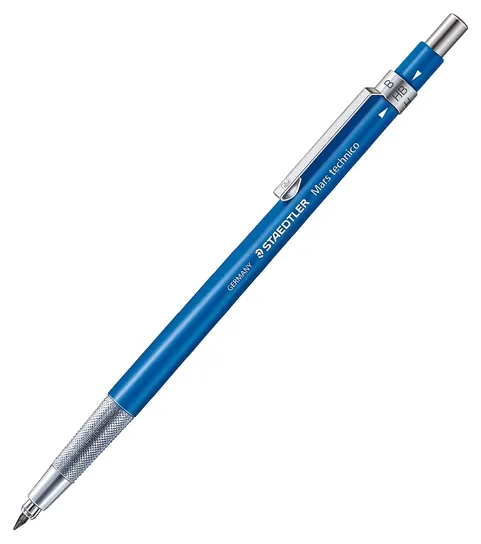
For sketching, a 2 mm lead holder such as the Staedtler Mars Technico 780 with a soft 2B lead gives the thickest, darkest line. For detailed drawing, a 0.5 mm pencil such as the Uni Kuru Toga Roulette keeps an even point.
What lead size is best for everyday writing?
0.5 mm is the most common size for notes. If you press hard and snap leads, try 0.7 or 0.9 mm. HB or F lead smudges less than softer grades.
Are metal mechanical pencils better than plastic ones?
Metal pencils last longer and feel steadier, but they're heavier and cost more. Plastic pencils are light and cheap, which makes them good for long writing sessions and for classrooms.
Which mechanical pencil do architects use?
Drafting pencils with a fixed or retractable metal tip, such as the Rotring 600, Rotring 800 and Pentel GraphGear 1000, are common in architecture and engineering because the tip follows a ruler cleanly.