The 10 Best Men's Belts
Updated by · How we research

Ten everyday leather, ratchet and stretch belts for jeans, work and dress wear, compared on leather, buckle and fit. The Dockers Leather Casual Belt leads. When users buy our independently chosen editorial recommendations, we may earn commissions to help fund the Wiki.
A belt stamped "genuine leather" is often cut from the lower, weaker layer of the hide, so that label alone says little about how long it will last. Full-grain straps cost more and age well, but cheaper ones can still give years of daily wear. This list is for men who want one or two belts for jeans, work or the office.
At a Glance
-
1
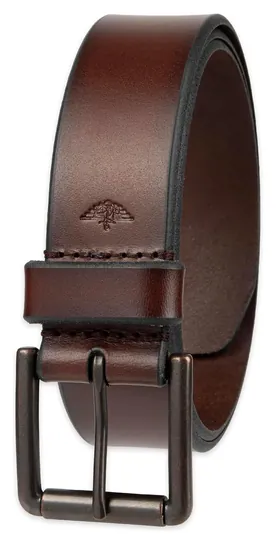
 Dockers Leather Casual Belt
$18
-
2
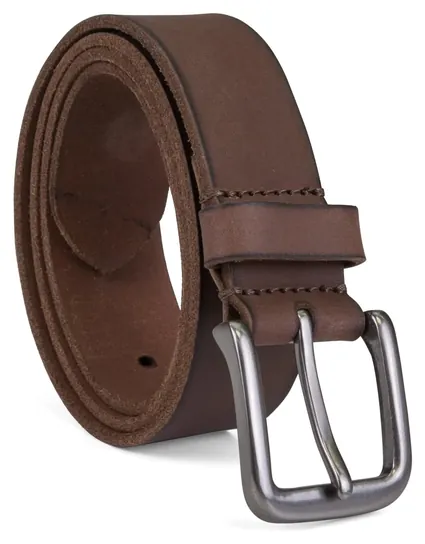
 Timberland Classic Leather Jean Belt
$19
-
3
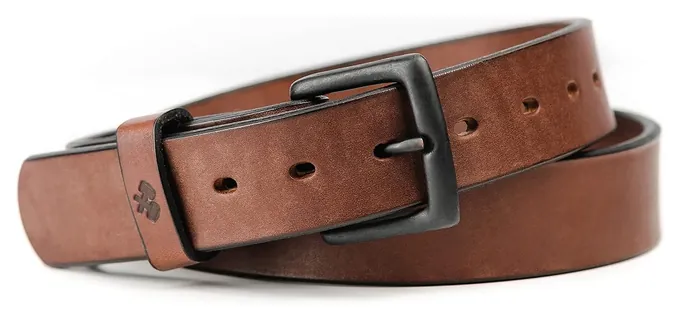
 Main Street Forge All American
$74
-
4
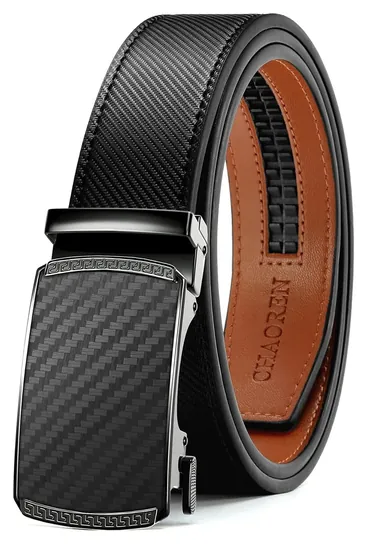
 CHAOREN Leather Ratchet Belt
$14
-
5
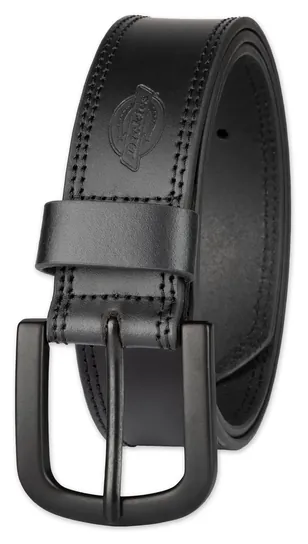
 Dickies Work Casual Belt
$16
-
6
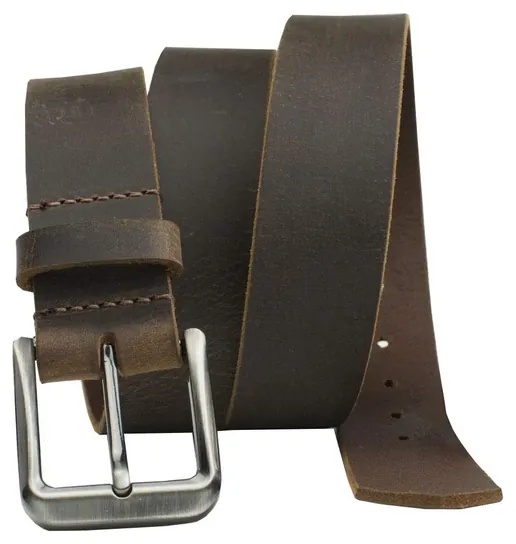
 Roan Mountain Nickel Smart
$59
-
7
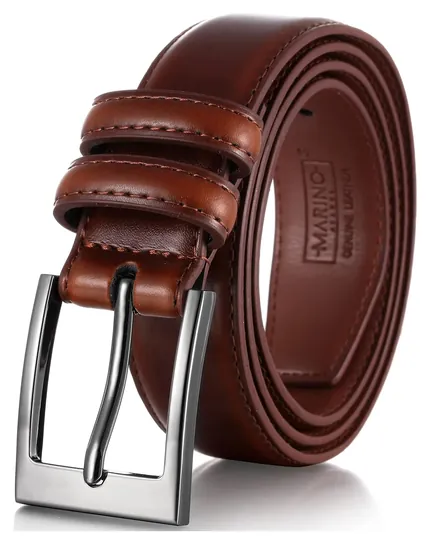
 Marino Avenue Dress Belt
$17
-
8
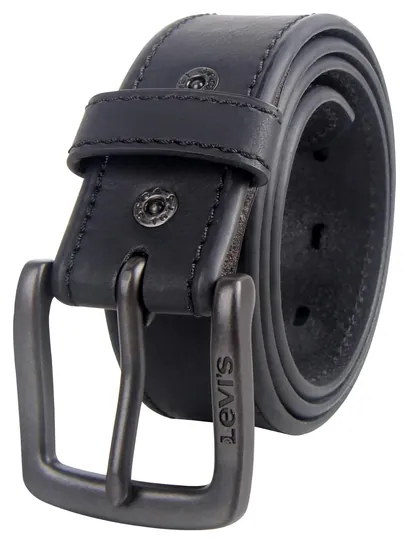
 Levi's Double Rivet Belt
$25
-
9
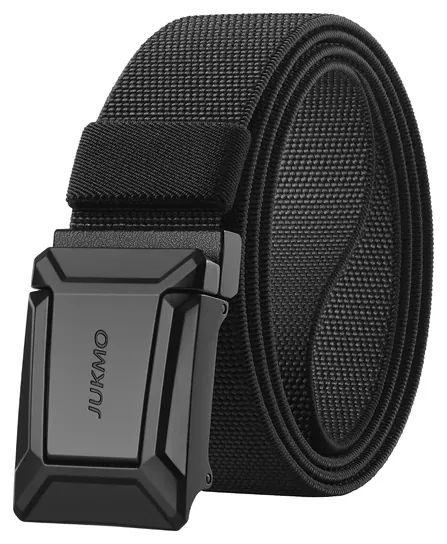
 JUKMO Stretch Tactical Belt
$14
-
10
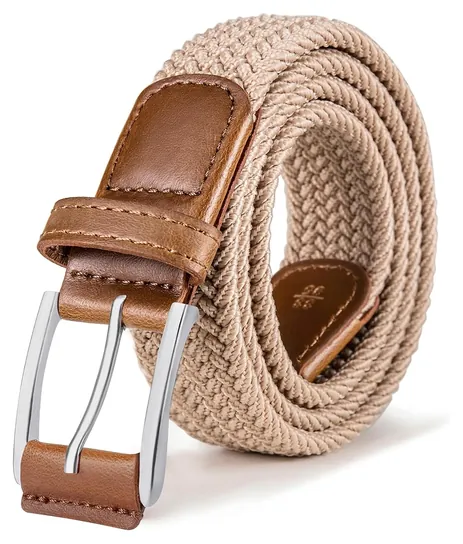
 BULLIANT Woven Stretch Belt
$14
Editor's Notes
October 26, 2026, by Ezvid Wiki Editors:
The Dockers Leather Casual Belt now leads. It's a single-piece strap with a roller buckle, sold in a wide run of sizes, and it costs little, which is what most men need from an everyday belt. This page sticks to everyday leather, work, ratchet and stretch belts; logo belts from fashion houses live on our designer belt list, and no belt appears on both.
Eight of the ten earlier picks are out. The SlideBelts ratchet is now made of faux leather, the Allen Edmonds Manistee was down to its last few in stock at a high price, and we couldn't confirm the Nike and Weifert belts are still sold. We moved the John Varvatos, Tommy Hilfiger and Fossil belts out because they fit the designer list, and dropped the Wyuze web belt as a near-twin of the stretch picks. The Roan Mountain Nickel Smart and the Marino Avenue Dress Belt stay.
New are the Timberland Classic Leather Jean Belt for denim, the Main Street Forge All American for anyone who wants one belt for many years, the CHAOREN Leather Ratchet Belt, the Dickies Work Casual Belt, the Levi's Double Rivet Belt and two stretch belts from JUKMO and BULLIANT.
Nobody publishes lab tests of cheap belts, so the order leans on what each maker states about the leather and buckle, belt-fitting advice from menswear guides, and patterns in owner complaints, mostly buckles that break and straps that run short.
Earlier notes
February 24, 2020, by Daniel Imperiale:
Without a ton of movement in this sector, we only found it necessary to remove the Tommy Hilfiger Reversible Leather, particularly due to weaknesses in the quality of the leather that made themselves apparent around the belt's holes over time. Whether this is an issue with the labor quality operating the awl in the workshop or with the leather production itself is a moot point, but there' no denying that if you spend enough time wearing the belt on one hole, you'll soon begin to see unattractive fraying and compressions.
We replaced that model with a far nicer one in the John Varvatos Dress Casual, which is as close as we get to the designer sector outside our current designer belts list. We chose this option for its versatility, as the model included has a casual flair that could be dressed up if you wanted it to, and that comes in slightly more conservative buckle styles if you're worried this big, loopy version might be a little over the top for your personal tastes.
Leather Grades And What "Genuine Leather" Means
It often means split leather, cut from the weaker lower layer of the hide and finished with a coating, and on some labels it means only that leather is in there somewhere.
Belt labels use leather words loosely. Full-grain leather keeps the whole outer surface of the hide, with its tight fibers intact, so it's the strongest grade and it darkens and softens with wear. Top-grain leather has that surface sanded or buffed to hide flaws, and corrected-grain leather is buffed further and stamped with a fake grain.
"Genuine leather" is not a grade at all. It often means split leather, cut from the weaker lower layer of the hide and finished with a coating, and on some labels it means only that leather is in there somewhere. Bonded leather is the cheapest trap: shredded scraps held together with polyurethane or latex, with anywhere from about 10% to 90% actual leather. It peels and cracks along the edges.
Tanning matters too. Vegetable tanning is the older method; it gives a firm strap that starts stiff, shapes itself to you and darkens over time, but it can shrink and harden if it gets soaked and dried. Chrome tanning is faster and more common and holds its shape better in water. Most budget belts name no grade, so a one-piece strap and a well-reviewed buckle are the best signs you have.
Getting The Size And Width Right
Belts are sized from the fold at the buckle to the hole you use, not by your waist, so most makers tell you to order one or two inches above your pant size. Dockers and Levi's say two inches; Timberland and Dickies say one size up. The surest method is to measure a belt that already fits, from the buckle fold to the hole you use most. FashionBeans suggests a belt that closes on the middle hole, with the tip passing the first belt loop and stopping before the next.
Width follows the outfit. Dress belts run about 30 to 32 millimeters (about 1.25 inches) and casual and work belts about 35 to 38 millimeters (1.4 to 1.5 inches). Check your belt loops before buying: a 1.5-inch work belt won't fit through the slim loops on many dress trousers.
For color, match the belt to your shoes and the buckle metal to your watch. One brown and one black belt cover most of a wardrobe. If you want a logo buckle or a reversible fashion-house belt, see our designer belt list.
Holes, Ratchets, Stretch And Nickel-Free Buckles
A classic prong buckle with holes is simple and repairable, but you only get the fit the holes allow, and a favorite hole stretches over time. Ratchet belts swap holes for a toothed track on the back of the strap: the buckle clicks in small steps, and you trim the strap to length once. The trade-off is the buckle itself, which is a small mechanism, and buckle breakage is the most common complaint about cheap ratchet belts.
Stretch belts are the comfort pick. Elastic nylon webs and braided stretch belts give a little when you sit, bend or eat, and braided ones take the buckle tongue anywhere along the weave. They look casual, so they're for work, travel, golf and weekends, not suits.
If belt buckles leave you with a red, itchy patch at the waist, nickel may be the cause. Nickel allergy is a common form of contact dermatitis, and belt buckles are one of its classic sources because they sit against skin for hours. A buckle sold as nickel-free, or one made of solid brass or titanium, avoids the problem; a doctor can confirm the allergy with a patch test.
How we researched this
We compared 20 current belts and screened 10 finalists in depth. We read each maker's and seller's stated materials, buckle design, sizing advice and warranty, belt-fitting guidance from FashionBeans, a GearJunkie roundup, background on leather grades and nickel allergy, and patterns in owner feedback. We checked every brand for recalls with the U.S. Consumer Product Safety Commission and found none for belts. No independent lab tests of these belts exist, so where a claim comes only from the maker or seller, the entry says so.
Frequently asked questions
Is "genuine leather" real leather?
Yes, but it's not a quality grade. It often means split leather from the lower layer of the hide, finished with a coating. Full-grain leather is the strongest and ages best. Avoid bonded leather, which is shredded scraps glued together.
What size belt should I buy?
Usually one or two inches above your pant size, because belts are measured from the buckle fold to the hole you use. Check the maker's chart, since some brands run small, or measure a belt that fits you now.
How wide should a men's belt be?
Dress belts are about 1.25 inches wide, and casual, jeans and work belts about 1.4 to 1.5 inches. Make sure the belt fits your pant loops.
Should I get a brown or black belt?
Match the belt to your shoes. Brown goes with brown or tan shoes and most casual wear, and black goes with black shoes and dark suits. Owning one of each covers most outfits.
Do ratchet belts hold up?
They give a finer fit than holes, and you trim them to length once. The buckle is the weak point, and some owners report it breaking, so treat a ratchet belt as a comfort choice rather than a heavy-duty one.
Can a belt buckle cause a rash?
Yes. Nickel in buckles is a common cause of allergic contact dermatitis around the waist. A nickel-free buckle avoids it.