The 7 Best Mini Scuba Tanks
Updated by · How we research

Seven mini scuba tanks, from palm-size snorkel bottles to a belt-mounted pony bottle, compared by air per fill, depth limit and refills. The SMACO S400 leads. When users buy our independently chosen editorial choices, we may earn commissions to help fund the Wiki.
A mini scuba tank holds a few minutes of air, not the 20 minutes many ads promise: one maker rates its half-liter tank at about 35 breaths. These small cylinders suit snorkelers, boat owners cleaning a hull and certified divers who want an emergency reserve. None of them makes deep diving safe, and most makers cap the small ones at 16 feet.


Editor's Notes
October 23, 2026, by Ezvid Wiki Admin:
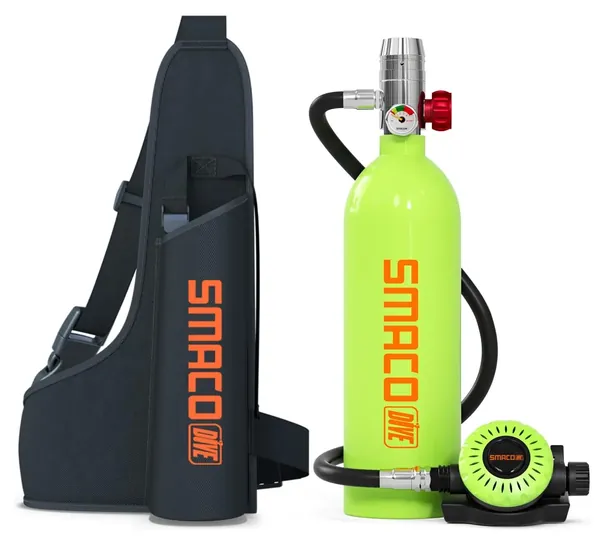
Start with the SMACO S400, our new first choice. Its one-liter tank gives a snorkeler enough air for a proper look around without the bulk of a pony bottle, and SMACO publishes a real safety manual with depth limits. Five old entries can no longer be bought: the Byoxo Smaco, GDRasuya10 Dideep E-S400B and Karbones Mini Refillable listings are gone, and the Spare Air Extreme Watersports Rescue Kit and XS Scuba Aluminum can't be bought. We also dropped the Dedepu S5000, which is now sold as a generic tank with little history.
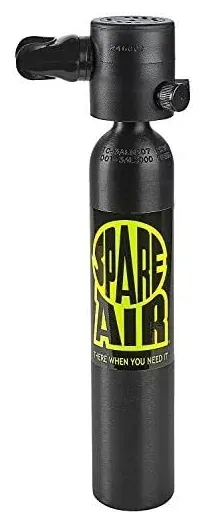
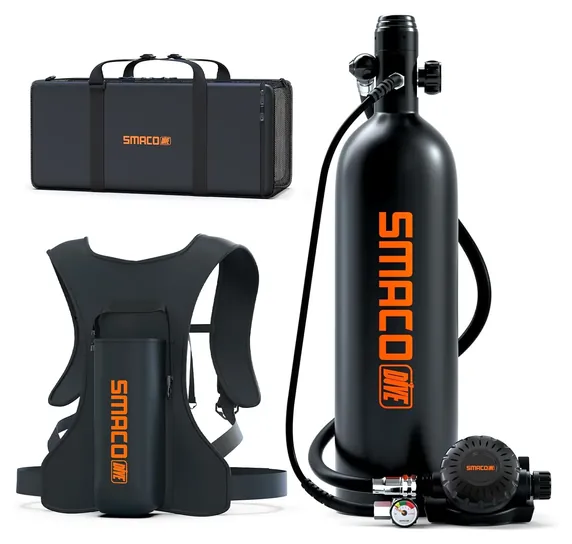
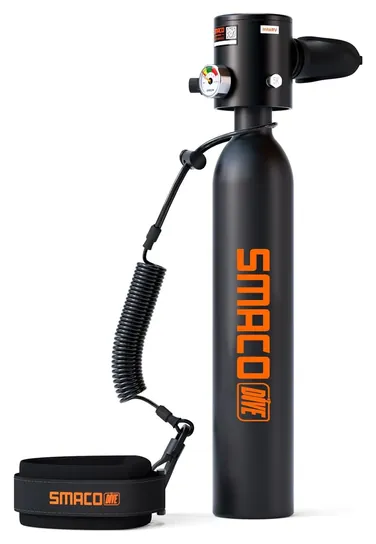
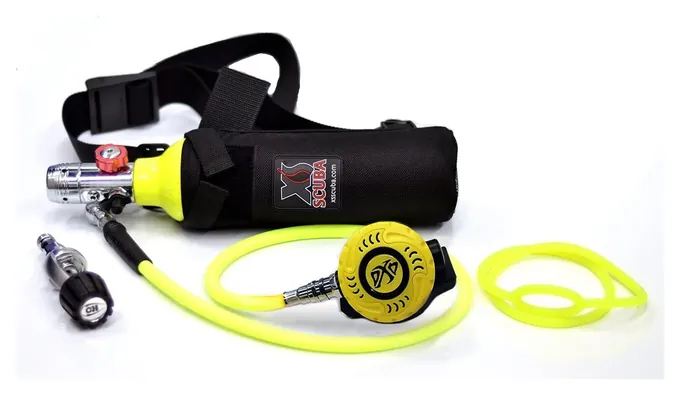
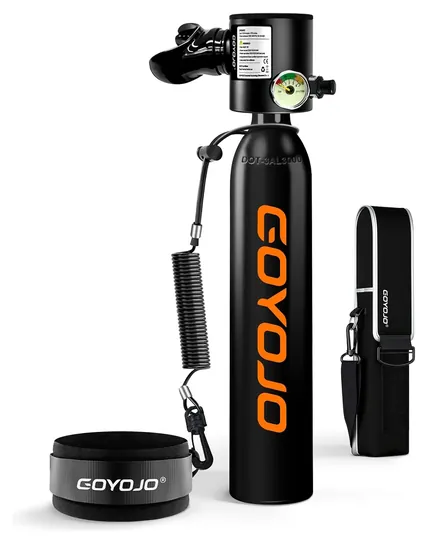
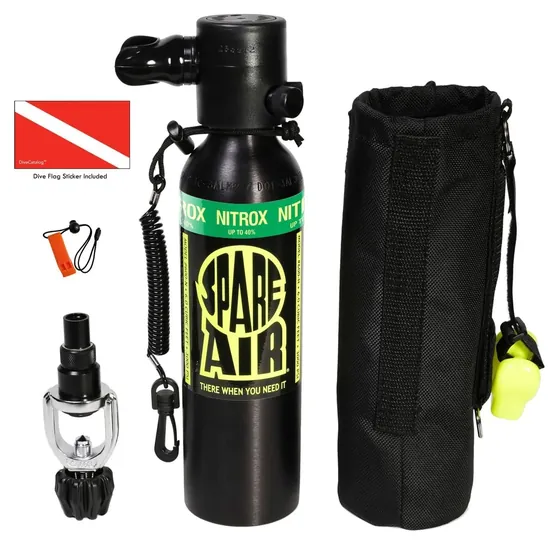
The Spare Air 3.0, the Spare Air 6.0 Nitrox and the DXDivers 13 cf bailout kit stay, and the old Smaco Dive Cylinder entry becomes the current SMACO S300. New picks are the SMACO S700 Plus for longer shallow sessions and the GOYOJO 0.5L.
The most useful evidence was SMACO's own manual, which caps its small tanks at 16 feet and lists the lung injuries that follow a held breath on the way up. Several cheaper tanks we passed over advertise depths far beyond that. The old warning still stands: get trained, stay shallow and keep breathing.
November 04, 2020:
Since our last update, these mini tanks are gaining popularity, especially amongst recreational users. So much so in fact, that many experienced scuba divers are calling for tighter regulations on their sale and use. Originally they were designed as a safety precaution for use in an emergency, however, more recently they are being marketed as a fun gadget that can be used by anyone. The dangers of using compressed air underwater, at any depth, cannot be overstated, therefore, anyone using a mini tank, either recreationally or as a safety device, should do so only after adequate training and certification.
In this update, we have included several new models that have very recently come on to the market, and removed a few older models that are no longer available. Since using a tank and regulator to breathe compressed air has been possible since the 1940s, the design of this equipment has been perfected over time, therefore, when choosing the best setup for you, the accessories and the filling method will likely play the biggest role in your decision. We added the Byoxo Smaco, the Gdrasuya10 Dideep E-S400B, and the Dedepu S5000, which are all high-quality kits that include useful extras such as masks, hand pumps, and carrying cases, and all allow for around 20 minutes underwater. The Spare Air New 3.0CF is similar to the Spare Air Extreme Watersports Rescue Kit, in that it is a very small tank, which will only really allow you to resurface in an emergency. Similar again is the Spare Air Mini Scuba Nitrox which is specifically designed for deep divers using enriched air.
The Karbones Mini Refillable is aimed more at the recreational market, and although more pricy than most others in the ranking, it utilizes a lightweight carbon cylinder rather than an aluminum one, and comes with an electric pump that can re-pressurize the tank in a few minutes, as opposed to roughly 15 minutes with a hand pump. The XS Scuba Aluminum was added to the list to replace the Sherwood High-Pressure Pony Bottle, as an affordable, no-frills, tank only option, and it's available in a range of sizes up to 30 cubic feet.
September 04, 2019:
Sometimes called pony bottles, divers often carry a mini scuba tank with them as a safety precaution, to act as a redundant air source underwater in case of an emergency. While many users also report having great success using these devices in shallow water, exploring while snorkeling or cleaning a boat or swimming pool, the dangers involved with swimming in deep water without training can’t be stressed enough.
Unsafe diving practices can result in barotrauma or even death by suffocation. Make sure you receive proper training and certification from an accredited instructor before attempting any sort of serious scuba diving. While offerings in this category are commonly rated for depths of 50 meters, a safe depth to dive at without training is something closer to three meters.
Options in this category tend to be quite similar in their design and functionality, but you'll want to keep an eye out for their tank volume/capacity – as it speaks directly to the weight of the unit and the length of time it can keep you underwater for, and whether or not they include a regulator – as it’ll amount to an additional cost to you if not. Also, unless you've already got a wetsuit and harness ready to go, you might want to pay special attention to options like the Spare Air Extreme Watersports Rescue Kit, which comes with a black neoprene vest that can accommodate your new gear.
Special Honors
Brownie's Egressor Brownie's, a hookah and dive gear maker in Pompano Beach, Florida, sells the Egressor, a pony bottle with its own regulator and a weighted belt that holds the cylinder at your back. It comes in larger sizes than the palm-size tanks, and Brownie's sells it with training in mind rather than as a beach toy. browniedive.com
How Long The Air Lasts, And Why Depth Matters
Ads for these tanks often promise 10 to 20 minutes underwater.
Ads for these tanks often promise 10 to 20 minutes underwater. The makers' own breath counts tell a plainer story. SMACO's manual rates its half-liter tank at about 35 breaths and its one-liter tank at about 75, both measured at 16 feet, and its 1.9-liter tank at about 115 breaths at 33 feet. Spare Air's standard 3.0-cubic-foot bottle gives about 57 breaths at the surface (Dip 'N Dive spec page).
Depth eats into that. Every 33 feet of seawater adds one atmosphere of pressure, and each breath takes air in proportion, so a tank that lasts five minutes in a pool can run out in a minute or two farther down, and much faster if you're breathing hard. Dressel Divers, a dive operator that also sells these tanks, puts a half-liter tank at about five to eight minutes and a one-liter tank at about 10 to 15 minutes in calm, shallow use. Treat every time on a box as a best case.
Snorkel Tank, Emergency Bottle Or Pony Bottle
Three different things share the name. Snorkel or "lung" tanks, such as SMACO's line, are half-liter to two-liter aluminum cylinders with a mouthpiece regulator. They're sold for a few minutes at a reef, cleaning a boat hull or retrieving something from a pool, and their makers cap them at shallow depths.
Emergency bottles such as Spare Air are made for certified divers who lose their main air. The regulator sits right on the bottle, and the air is meant for getting to the surface safely, not for exploring.
Pony bottles hold more air, often 6 to 19 cubic feet, and carry a full regulator on a hose. They clip to a dive harness or a belt, like Brownie's Egressor, and they assume you already know how to dive. If you're not certified, a snorkel tank used in shallow water is the only type on this page that's meant for you, and training is still the safest start.
Filling And Safety Rules To Know First
There are three ways to fill a mini tank. A dive shop can fill it from a breathing-air compressor, or you can decant from a full scuba tank with an adapter, which takes seconds. A small electric compressor takes about 10 to 45 minutes depending on tank size. A hand pump works, but SMACO calls it an emergency method: pump in short sessions, let it cool, and change the filter every five fills. Never go past the tank's 3,000 psi rating, and remember the person filling is responsible for clean, dry air. Many shops won't fill a cylinder without a current inspection sticker, so ask before you buy.
The breathing rules matter more than the gear. Never hold your breath while rising, because air in the lungs expands on the way up and can tear lung tissue even from shallow water. Rise slowly, head back up when the gauge hits the red zone, and stay within the maker's depth limit. SMACO sets a minimum age of 18. Its FAQ says to wait 24 hours after using the tank before flying, and to fly with it empty and the valve removed. Check with your airline too.
How we researched this
We compared 16 mini scuba tanks and pony bottles, read SMACO's safety manual and FAQ and Spare Air's published specs, reviewed a dive operator's guide and owner feedback patterns, and checked every brand against the U.S. Consumer Product Safety Commission's recall database. Breath counts and air times are the makers' figures; we found no independent lab timing of these tanks.
Frequently asked questions
How long does a mini scuba tank last?
Makers rate a half-liter tank at about 35 breaths and a one-liter tank at about 75. In calm, shallow water that's roughly five to 15 minutes. Deeper water and hard breathing use it up much faster.
Do I need a certification to use a mini scuba tank?
In most places no law requires one for shallow use, but every maker recommends training, and some countries require certification. Emergency bottles and pony bottles are meant for certified divers.
How deep can I go with a mini scuba tank?
SMACO limits its half-liter and one-liter tanks to 16 feet and its 1.9-liter tank to 33 feet. Treat listings that promise far deeper dives with suspicion.
Can I fill a mini scuba tank with a hand pump?
Yes, with a compatible pump, but it's slow, from about 15 minutes for a half-liter tank to close to an hour for a one-liter tank. SMACO treats it as a backup method. A dive shop fill is faster and cleaner.
Can I take a mini scuba tank on a plane?
SMACO says to fly with the tank empty and the valve removed, and to wait 24 hours after using it before you fly. Check your airline's rules before you pack it.
What is a good alternative to Spare Air?
For shallow snorkeling, a one-liter SMACO tank gives more air for the money. For certified divers who want a bigger reserve, a 13-cubic-foot pony bottle on a belt does the same job with more air.