The 10 Best Miter Saw Blades
Updated by · How we research

Ten 10- and 12-inch miter saw blades compared by tooth count, kerf and finish, from trim work to aluminum. The Diablo D1280X leads for clean crosscuts. When users buy our independently chosen editorial choices, we may earn commissions to help fund the Wiki.
The blade that ships with most miter saws is a general-purpose one, and swapping it is the cheapest way to cleaner miters. Tooth count sets the finish: about 60 for general work, 80 for trim and 100 for veneer and melamine. These picks suit DIYers, trim carpenters and furniture makers, plus anyone cutting aluminum on the same saw.


Editor's Notes
November 1, 2026, by Ezvid Wiki Admin:
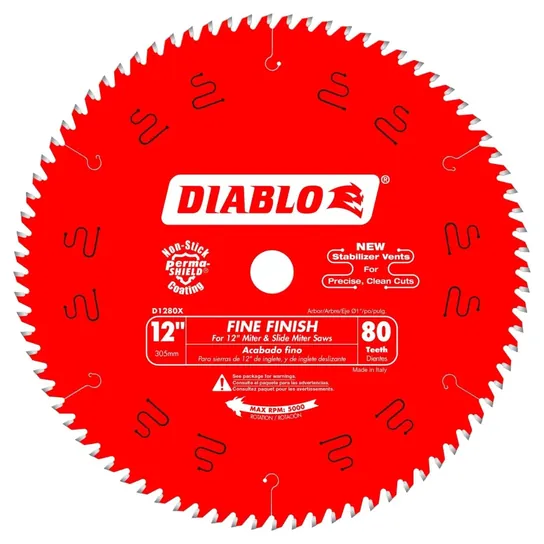
The Diablo D1280X now leads this list. Its 80 thin, sharp teeth cut trim and molding clean enough to glue straight off the saw, it fits most 12-inch saws, and it costs a fraction of the premium blades.
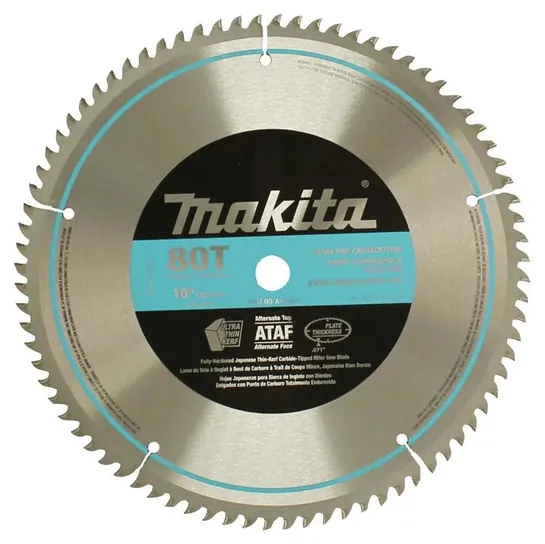
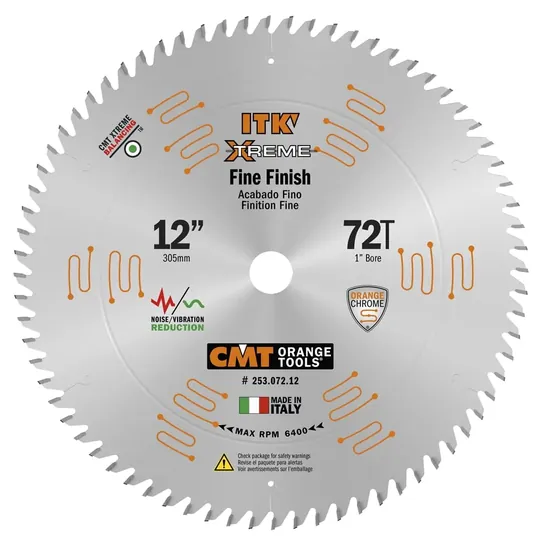
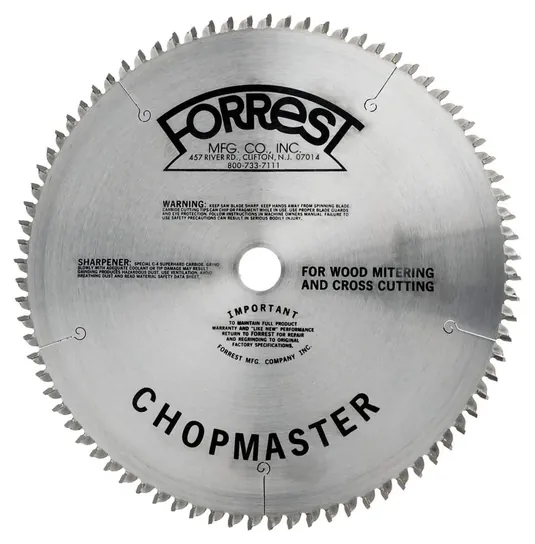
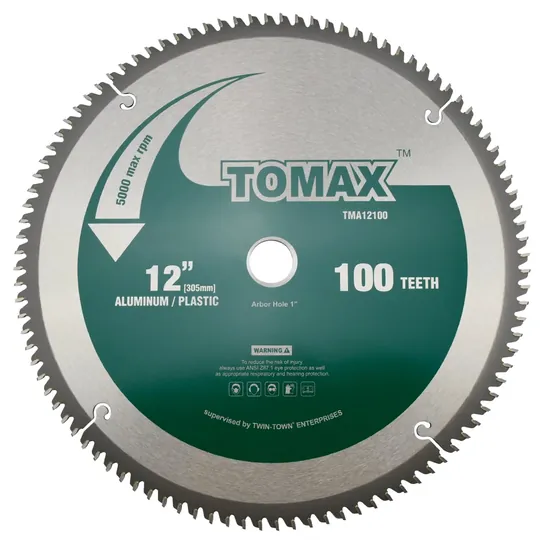
Three blades from the old list stay: the CMT 253.072.12 for hardwood, the Forrest Chopmaster as the splurge, and the Makita A-93681 for 10-inch saws. The DeWalt DW3128 and Neiko 10768A are no longer sold. We dropped the Makita A-94817 for its price, the DeWalt DW3106P5 pack and Freud LU85R010 because stock was thin or unpriced, and the Diablo D1080X in favor of its 12-inch twin. The Freud LU89M0 aluminum blade gave way to the TOMAX TMA12100.
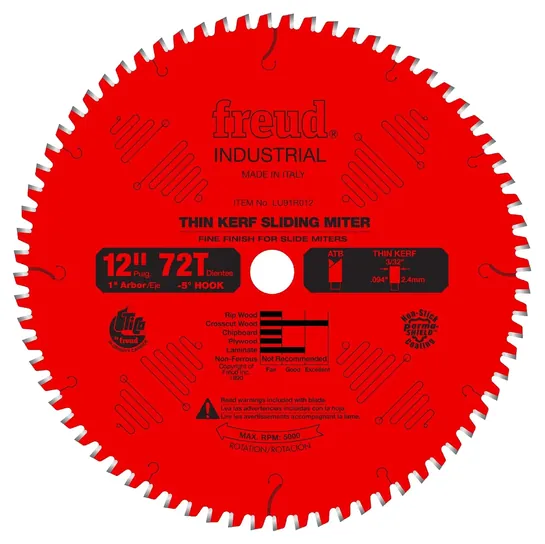
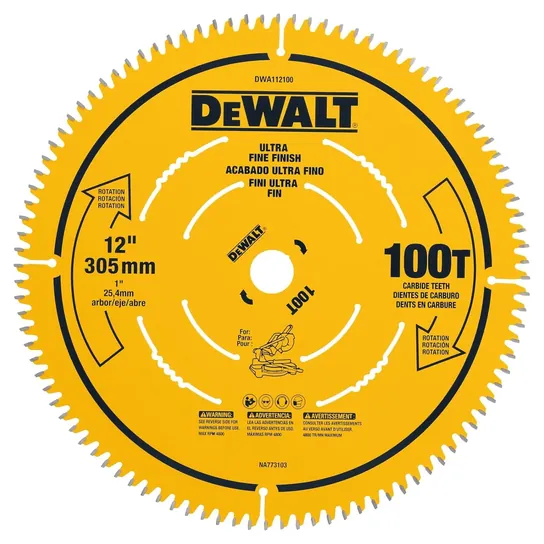
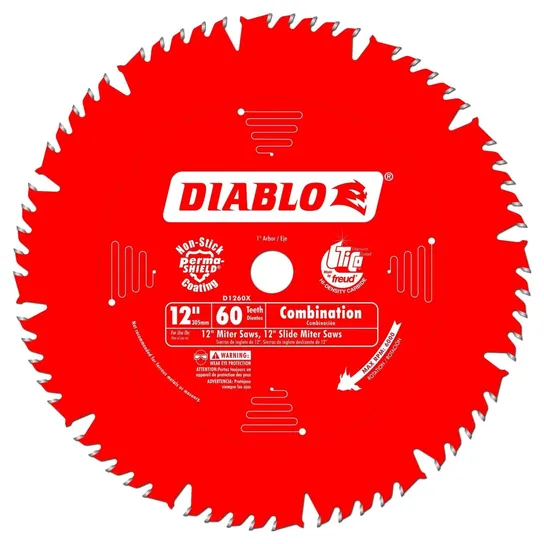
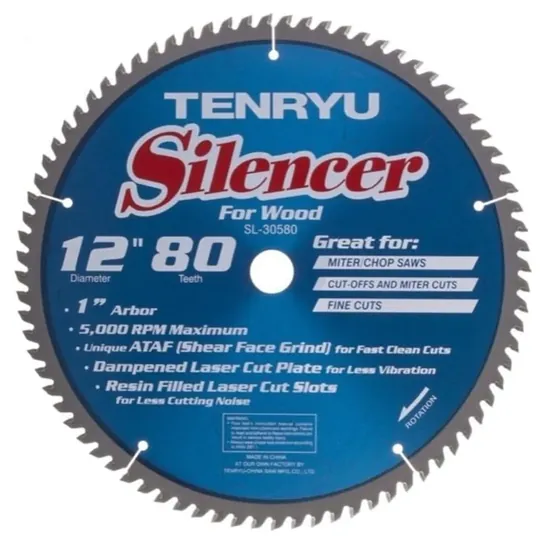
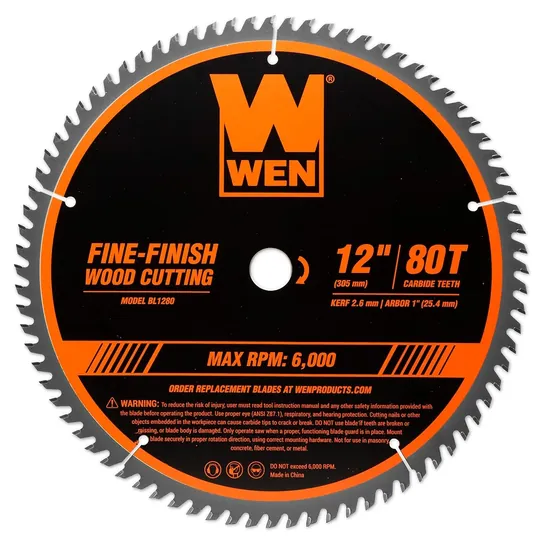
Six blades join, each for a job readers search for: the Freud LU91R012 for sliding saws, the DeWalt DWA112100 for the finest finish, the Diablo D1260X as a one-blade setup, the quiet Tenryu Silencer SL-30580 and the low-cost WEN BL1280. We weighed tooth count, hook angle and kerf from each maker's printed specs against Fine Woodworking forum threads where trim carpenters compared blades side by side.
February 06, 2021:
When it comes to miter saw blades, it is important that you use the correct one for the type of material you will be cutting. Blades designed for metal have different properties that those intended for wood. After that, you'll have to look at the other features, like thickness of the kerf, number and angle of teeth, any coating the blade may or may not have, and more. All of these things will affect performance, longevity, and, or course, price. During this update, we compared our current recommendations with other models on the market and considered how their performance, cost, and versatility in application compared. Based on this research, we have concluded that our current lineup still recommends the best on offer and the widest variety when it comes to having blades suited to different uses. As such, we have not added or removed any items.
February 04, 2019:
We wanted to make sure that we included models intended for metal, as well as wood, since we don't know what medium our readers will be working with. It was also important to us to select consumer level items, as well as premium options that can retain their edge well when they are subjected to daily use by professional contractors.
Tooth Count: 60, 80 Or 100
Step up to 80 teeth for trim, baseboard and picture frames, where a clean face matters more than speed.
Tooth count decides how smooth a cut is and how fast the blade clears sawdust. A miter saw mostly crosscuts, so it can carry more teeth than a table saw blade built for ripping. As a rule of thumb (Wikipedia: Miter saw), framing blades run 24 to 40 teeth, combination blades about 50 to 60, finish blades about 80, and ultra-fine blades 100 or more.
A 60-tooth blade is the do-it-all choice for a DIYer who cuts studs one day and shelving the next. Step up to 80 teeth for trim, baseboard and picture frames, where a clean face matters more than speed. A 100-tooth blade is for veneered plywood, melamine and crown molding that chips easily, but it cuts slower and can scorch thick hardwood if you feed too gently.
Price buys carbide quality, plate flatness and the option to resharpen. In a long Fine Woodworking forum thread, trim carpenters put the Forrest Chopmaster at the top and found a good Freud 80-tooth blade close behind, and several said a name-brand blade is the real upgrade over the one that came with the saw (Fine Woodworking).
Match The Saw: Size, Arbor, Kerf And Hook Angle
A blade must match the saw's diameter, arbor hole and top speed. Most 10-inch saws use a 5/8-inch arbor and most 12-inch saws use a 1-inch arbor. Every blade prints its maximum speed; the Makita A-93681 is rated to 5,870 rpm, and your saw's no-load speed must sit below the blade's number. Never force a blade onto the wrong arbor or run it without the right bushing.
Kerf is the width of the cut. Thin-kerf blades, about 0.09 inch, take less power and waste less wood, which helps smaller and cordless saws. Full-kerf blades, about 1/8 inch, have a stiffer plate that wanders less in dense boards.
Hook angle is how far the teeth lean into the cut. On a sliding miter saw, a low or negative hook keeps the blade from climbing the work and lunging toward you, so blades like the Freud LU91R012 use a negative 5 degrees. Fixed chop-style miter saws are more forgiving, and most finish blades for them use a small positive hook (Fine Woodworking forum).
Metal, Safety And Blade Care
Aluminum, brass, copper and plastic need a triple-chip grind blade with many teeth, such as the TOMAX TMA12100. Clamp the stock, lubricate the teeth with wax or spray every few cuts, and wear safety glasses and hearing protection. Steel is different: it needs a dedicated dry-cut blade on a saw rated for it, or an abrasive chop saw. Never run a wood blade on steel. Some people call any miter saw a chop saw, but a true abrasive chop saw takes grinding wheels, not toothed blades (Wikipedia: Miter saw).
For safety, keep the blade guard working, unplug the saw before a blade change, let the blade reach full speed before it touches wood, and clamp short pieces instead of holding them near the blade. U.S. workplace rules require guards on swing and sliding cutoff saws (OSHA 1910.213). We found no recalls of the blades on this list in the CPSC recall database.
Pitch and resin build up on the teeth and make any blade cut rough and hot. Soak it in a blade cleaner now and then, dry it, and store it flat or hung. Check for chipped teeth before each job. Premium blades from Forrest, Freud, CMT and Tenryu can go to a sharpening service several times, while low-cost blades are usually replaced.
How we researched this
We compared 26 miter saw blades and blade packs from 10 brands, read the makers' specs and the speed ratings printed on each blade, studied Fine Woodworking forum threads where woodworkers compared finish blades, analyzed owner feedback on dulling, wobble and chipped teeth, and checked every brand against U.S. Consumer Product Safety Commission recalls.
Frequently asked questions
Should I buy a 10-inch or a 12-inch miter saw blade?
Buy the size your saw is built for. The diameter and arbor hole must match, and the blade's speed rating must be at or above the saw's speed. Most 10-inch saws use a 5/8-inch arbor and most 12-inch saws a 1-inch arbor.
How many teeth should a miter saw blade have?
About 60 teeth for general carpentry, 80 for trim and finish work, and 100 or more for veneered plywood, melamine and crown molding. Framing blades with 24 to 40 teeth cut fast but rough.
Is a thin-kerf blade better for a miter saw?
A thin-kerf blade takes less power and wastes less wood, which suits smaller and cordless saws. A full-kerf blade is stiffer and steadier in dense hardwood. Both cut well on a sound saw.
Can I cut aluminum with a miter saw?
Yes, with a non-ferrous blade that has a triple-chip grind, such as the TOMAX TMA12100. Clamp the work, lubricate the teeth and wear eye and ear protection. Steel needs a dedicated metal-cutting blade or saw.
Does hook angle matter on a sliding miter saw?
Yes. A negative hook angle keeps the blade from climbing the work and pulling toward you, which is why makers sell negative-hook blades like the Freud LU91R012 for sliding saws.
Can miter saw blades be sharpened?
Carbide blades can be resharpened by a sharpening service, and premium blades from makers such as Forrest are built for many sharpenings. Low-cost blades usually cost less to replace.