The 10 Best Multitrack Recorders
Updated by · How we research

Ten multitrack recorders compared by how many tracks they capture at once, power and computer use. The Zoom R4 MultiTrak is the best value for songwriters. When users buy our independently chosen editorial recommendations, we may earn commissions to help fund the Wiki.
The track count printed on the box is not the number that matters most. Many recorders hold eight or more tracks but capture only two at a time, which suits a songwriter layering parts and frustrates a band that wants to play live. This list covers pocket units for solo writers, desk mixers that record every channel, and a handheld.


Editor's Notes
October 26, 2026, by Ezvid Wiki Admin:
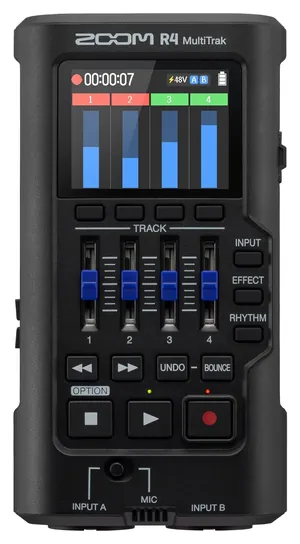
The Zoom R4 MultiTrak now leads the list. It does the core job, recording and layering parts with no computer, for a fraction of what a desk unit costs, and its recording format can't clip. The old version of this page leaned on film and podcast gear, so the Sound Devices MixPre-10 II, Zoom F6, Zoom H8, Zoom PodTrak P4 and Marantz Professional PMD-706 are gone. The Zoom H4N Pro and Tascam DP-008EX 8-Track have been discontinued, and the Zoom LiveTrak L-12 has given way to a newer model.
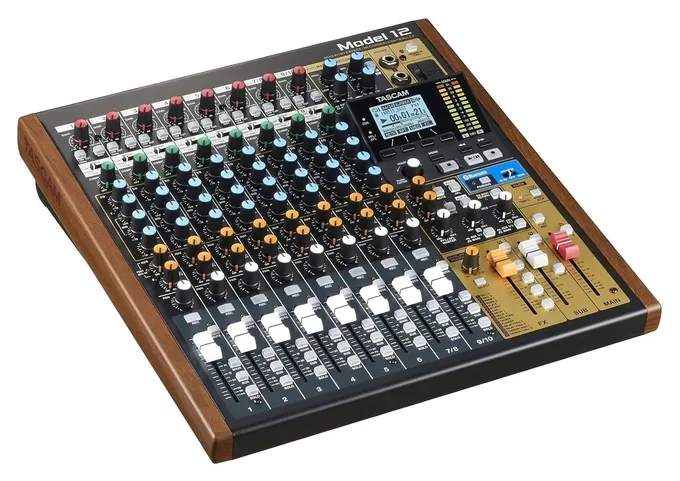
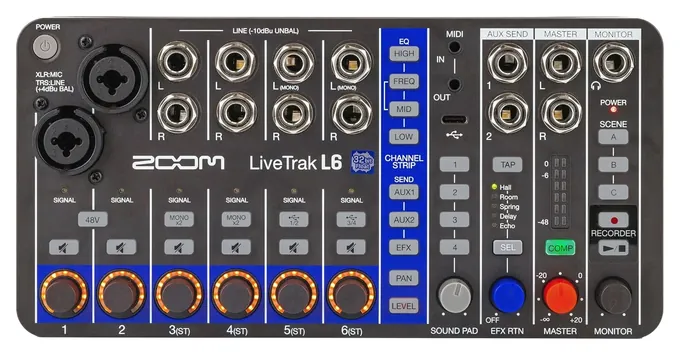
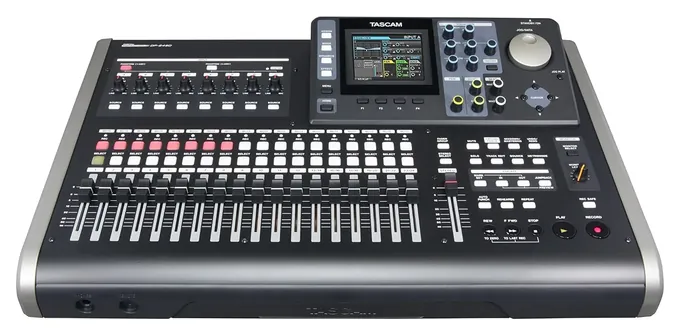
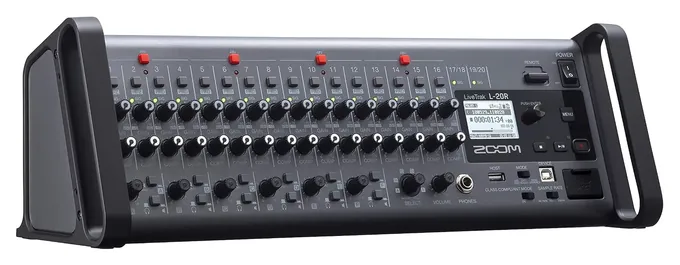
The Tascam Model 24 and Zoom LiveTrak L-20R stay, joined by the Tascam Model 12, the Zoom LiveTrak L6 and the Tascam DP-24SD. Most of the ranking came down to one spec buyers tend to miss: how many sources each unit records at the same moment, which we checked against Zoom's and Tascam's spec sheets before weighing Sound On Sound's reviews and owner feedback.
December 11, 2020:
This time around we were able to refresh our list with several new options, and further diversify our selections in order to better suit different groups of users. For instance, podcasters have become one of the main consumers of standalone multitrack recorders over the past several years, however it was only recently that devices that cater directly to them, such as the Zoom PodTrak P4, have been released. It was not uncommon at one time for people to use the Zoom H4N Pro for such an application, and the Zoom PodTrak P4 basically builds off of the features that made that device well suited to that use while ditching things podcasters probably don't need, such as a built-in omnidirectional microphone. One of its most convenient additions is the integrated headphone mixer, which gives hosts and guests the ability to set the volume of their own pair of headphones to their liking. Other specialized abilities that make it particularly useful for this type of recording are programmable pads that can be used to trigger intros or sound effects, and an automatic mix-minus function which will help to reduce feedback and echo during call-in interviews.
The Zoom H8 also provides similar dedicated podcasting controls, however it is not as explicitly geared towards that situation. The beauty of a handheld recorder like this is its versatility, as it is equally at home on a film set as it is on a music stage or in a podcasting studio. The major benefits of this device compared to a simpler model like the Zoom H4N Pro are its touchscreen interface, which provides distinct modes for each of the aforementioned use cases, and a far larger amount of inputs. It comes with 6 microphone inputs in its default configuration, but you can actually expand this number to 10 inputs by swapping out the included stereo microphone attachment with the company's Zoom EXH-8 XLR module. While 4 of the integrated inputs are XLR only, 2 of them are actually XLR/TRS combo jacks that feature Hi-Z, meaning this device can even support direct input from instruments like electric guitars. All in all it's shockingly capable for something that fits in your hand.
We replaced the Sound Devices MixPre-10 with the Sound Devices MixPre-10 II, which is its direct successor, and this is still one of the best options for recording audio on a professional film set from sources like shotgun or lavalier microphones. It's hard to beat the quality of its preamps and overall build, however the Zoom F6 is a close second that offers many of the same capabilities at a reduced price. Both can record 32-bit float audio files, which has become the new standard in this arena due do its superior handling of volume and dynamic range, and the Zoom F6 also boasts dual analog-to-digital converters that further improve its performance in these areas.
Despite being a bit older we decided to keep devices like the Tascam DP-008EX 8-Track and the Marantz Professional PMD-706 on the list since they are still some of the best choices in their price range, so budget conscious readers will definitely want to give these options a look. The Zoom H4N Pro has also kept its spot on our list, not only because of its price, but also because it remains immensely popular for the simple fact that it adequately meets the needs of many users. If you're just recording audio for a DSLR or otherwise only need two microphone inputs it's hard to go wrong with this model.
After selecting the best recorder for your needs check out our articles on high-capacity SD cards and SD card readers, as all of the entries on our list use this type of media for standalone recording.
March 08, 2019:
While the sheer number of channels and effects was a primary factor in the initial layout of this selection, certain models rose above their mere capacity by offering things like portability and a high signal to noise ratio. Both of those things are what skyrocketed the Zoom H4N toward the top of the list, in addition to the fact that it's one of the most commonly used audio recorders on low budget film sets. Our top pick is also oriented toward film and field applications, and it offers the best sound quality of the bunch. Among console-style options, Tascam creates a lot of great devices, but their Model 24 marries a deep, hands-on interface with vintage styling and incredible flexibility.
Special Honors
Tascam Model 16 The Tascam Model 16 sits between the Model 12 and Model 24: a 16-track mixer-recorder with the same analog-style layout, USB interface and SD recording. It suits a band that has outgrown eight mic inputs but doesn't need a full-size console. tascam.com
Tracks At Once Versus Tracks In Total
The other is how many it can record at the same moment, and that decides whether you can capture a band live or must build a song one part at a time.
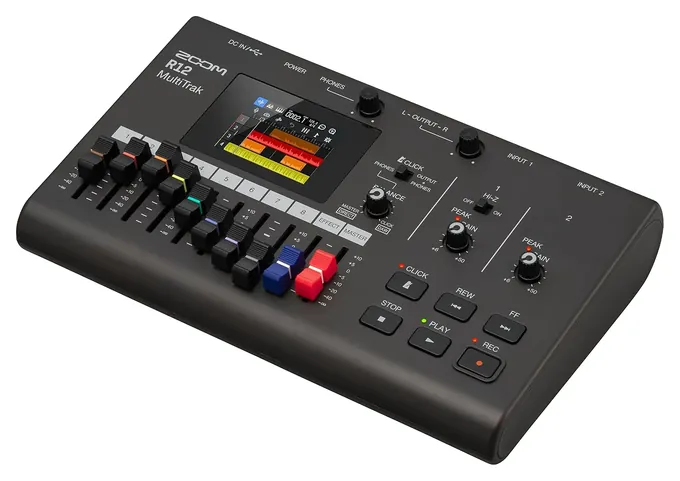
Every multitrack recorder advertises a track count, but two numbers hide behind it. One is how many tracks it can play back. The other is how many it can record at the same moment, and that decides whether you can capture a band live or must build a song one part at a time. The Zoom R12 plays eight tracks but records two at once. The Tascam DP-24SD records eight at once and plays back 24.
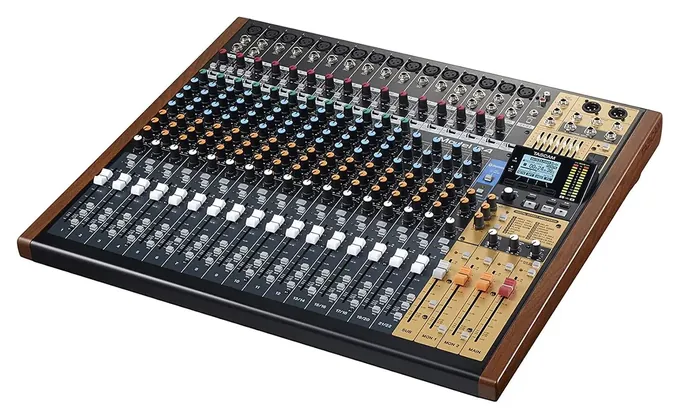
Mixer-recorders work differently. The Tascam Model 12 writes all ten input channels plus a stereo mix to an SD card, so a rehearsal lands on separate tracks with no extra steps. Zoom's LiveTrak line, from the L6 to the L-20R, works the same way. If you write alone and add parts one by one, two inputs are enough. If a drummer, a bassist and two singers play together, count their mics and buy at least that many inputs.
With A Computer Or Without One
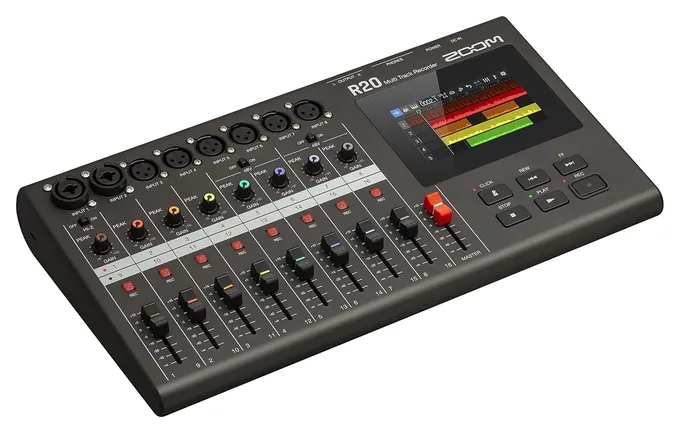
Some people want a box so they never open recording software. Others want to start a song on the couch and finish it on a laptop. Most current units do both: the Model 12 works as a 12-in, 10-out USB audio interface and can control programs such as Pro Tools, Logic and Reaper, per Tascam's spec sheet. The Zoom R20 is an 8-in, 4-out interface. The DP-24SD has no USB audio at all; its USB port only copies files, as Gearank notes.
Cards matter too. Tascam asks for Class 10 or faster SD cards in the Model 12, up to 512 GB, while the DP-24SD stops at 32 GB, which Tascam rates at about 50 hours of music. Format a new card in the recorder before the first session, not on a computer.
Batteries, Clipping And Sample Rates
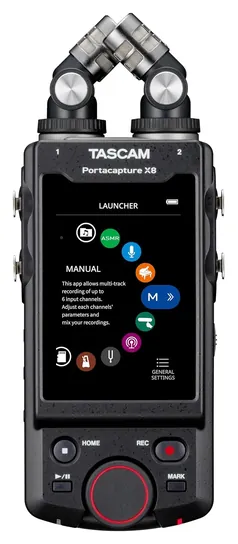
Three picks record in 32-bit float: the Zoom R4, the LiveTrak L6 and the Tascam Portacapture X8. The format keeps so much headroom that a recording won't distort even when the level is set badly, and you fix the volume afterward. It's a real help for beginners and for loud, unpredictable sources such as drums.
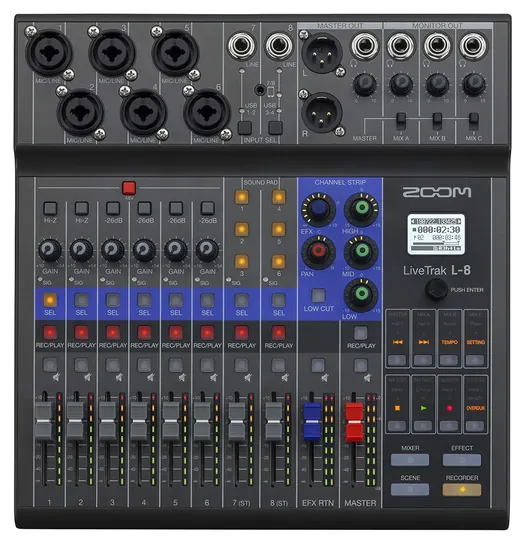
Battery power varies a lot. Zoom rates the R4 at about seven hours on alkaline AAs and about 14 on lithium cells, while the LiveTrak L-8 gets as little as an hour and a half on alkalines, so use rechargeables or the adapter. Sample rates of 44.1 or 48 kHz are standard for music releases, and most listeners can't hear a difference above that. Phantom power is for condenser mics; switch it off before plugging in ribbon mics. If you want the sound of tape rather than a digital box, our cassette recorder list covers the cassette side.
How we researched this
We compared 20 multitrack recorders, mixer-recorders and field recorders, read Zoom's and Tascam's spec sheets and manuals for the 10 finalists, read independent reviews from Sound On Sound and roundups from Gearank and Equipboard, analyzed owner feedback, and searched the U.S. Consumer Product Safety Commission's recall database for each brand. Updated October 26, 2026 by Ezvid Wiki Admin.
Sources (17)
- Zoom: R4 MultiTrak
- Zoom: R12 MultiTrak
- Zoom: R20 MultiTrak
- Zoom: LiveTrak L6
- Zoom: LiveTrak L-8
- Zoom: LiveTrak L-20R
- Tascam: Model 12 specifications
- Tascam: Model 24 specifications
- Tascam: DP-24SD specifications
- Tascam: Portacapture X8 specifications
- Sound On Sound: Tascam Model 12 review
- Sound On Sound: Tascam Model 24 review
- Sound On Sound: Zoom LiveTrak L-20 review
- Sound On Sound: Zoom LiveTrak L6 review
- Gearank: best multitrack recorders
- Equipboard: best multi-track recorders
- CPSC recalls
Frequently asked questions
Is Zoom or Tascam better for multitrack recording?
Neither wins across the board. Zoom's units tend to be smaller and cheaper, often run on batteries and include touchscreens or 32-bit float recording. Tascam's Model consoles have a knob for every function and full-size faders, which many bands find faster to work with.
What is the easiest multitrack recorder to use?
Units with a control for every job are easiest to learn. The Zoom R4 MultiTrak has four faders and big transport buttons, and the Tascam Model 12 puts each channel's settings on its own knobs. Menu-heavy units such as the Tascam DP-24SD take longer to learn.
Is an 8-track recorder enough?
For one person layering vocals, guitar, bass and a drum loop, eight tracks is plenty, and bouncing frees up more. A band recording live needs as many inputs recording at once as it has mics, which an 8-track unit with two inputs can't provide.
Do I need a computer to use a multitrack recorder?
No. Every pick here records, mixes and saves files on its own. Most also connect to a computer over USB as an audio interface, but the Tascam DP-24SD only transfers files that way.
Can I still buy an analog multitrack tape recorder?
Mostly on the used market: reel-to-reel and cassette multitrack machines from the 1980s and 1990s still change hands, though they need regular upkeep. For simple tape recording, see our cassette recorder list.