The 9 Best Orion Telescopes
Updated by · How we research

Orion closed in 2024. Nine current telescopes that fill its SkyQuest, StarBlast and SpaceProbe roles, led by the Celestron StarSense Explorer 8-Inch Dobsonian. When users buy our independently chosen editorial choices, we may earn commissions to help fund the Wiki.
Orion Telescopes & Binoculars shut down in 2024, so new Orion scopes are gone and the used ones left on the market carry no warranty. The factory behind most of them still builds similar designs for other brands. This list matches each popular Orion style, from tabletop reflectors to big Dobsonians, with a current model you can buy new.
At a Glance
-
1
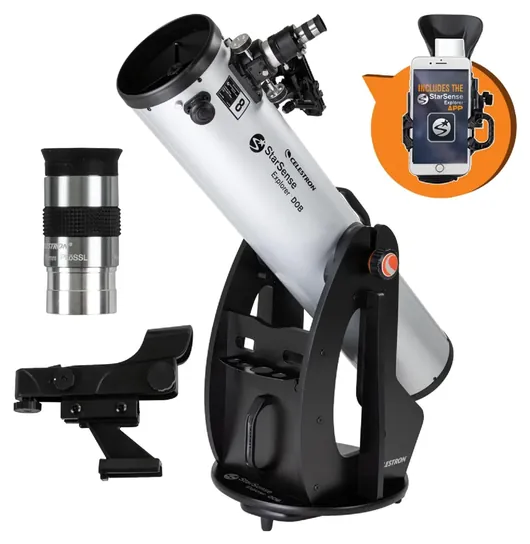
 StarSense Explorer 8-Inch Dobsonian
$879
-
2
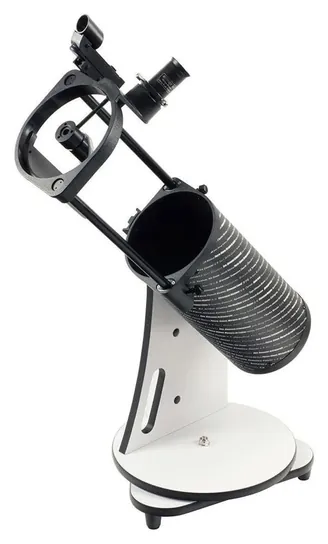
 Sky-Watcher Heritage 130
$269
-
3
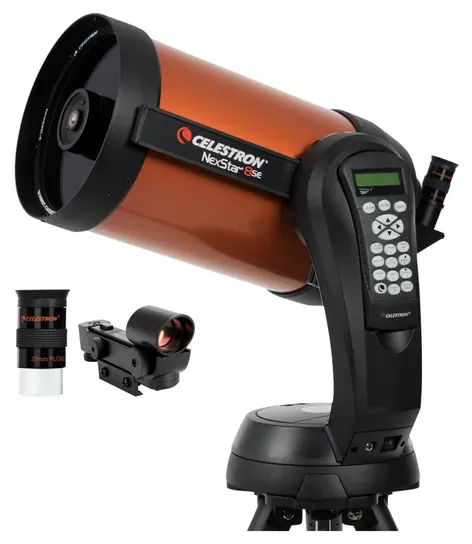
 Celestron NexStar 8SE
$1699
-
4
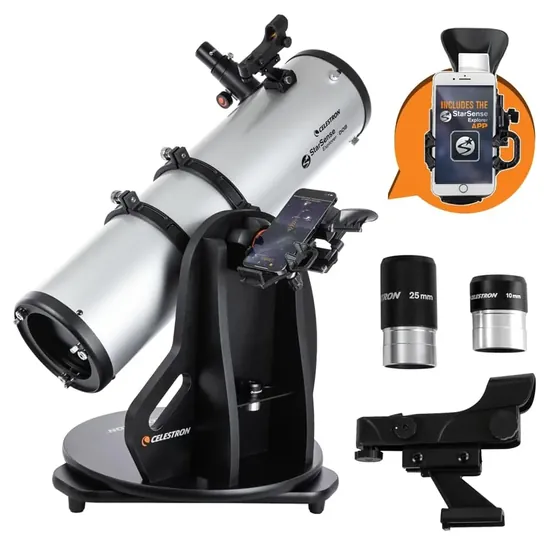
 StarSense Explorer 150mm Tabletop
$509
-
5
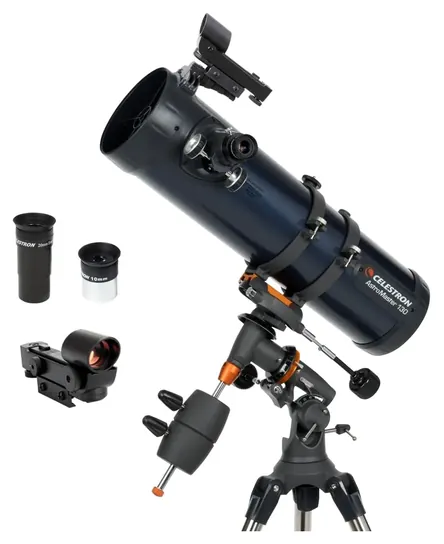
 Celestron AstroMaster 130EQ
$289
-
6
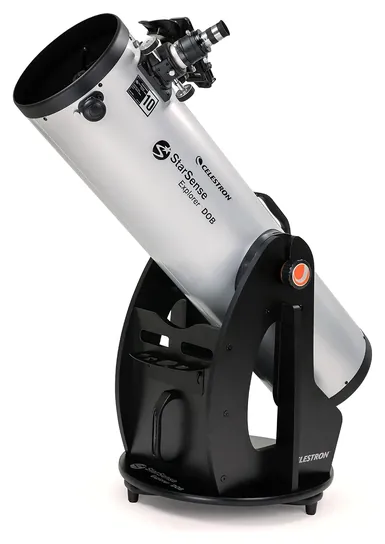
 StarSense Explorer 10-Inch Dobsonian
$1199
-
7
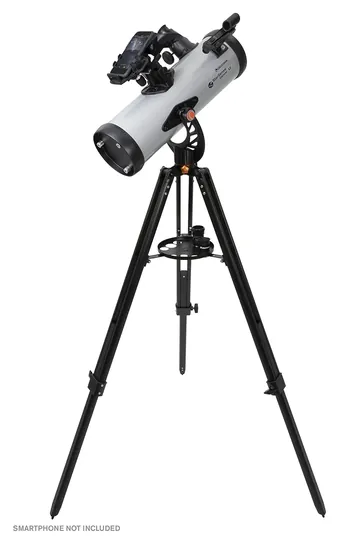
 StarSense Explorer LT 114AZ
$239
-
8
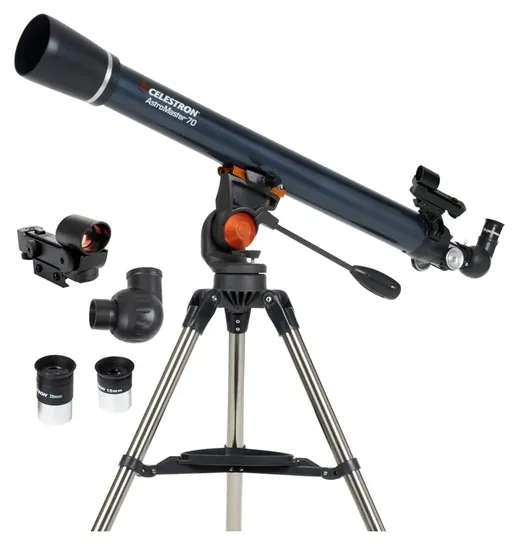
 Celestron AstroMaster 70AZ
$179
-
9
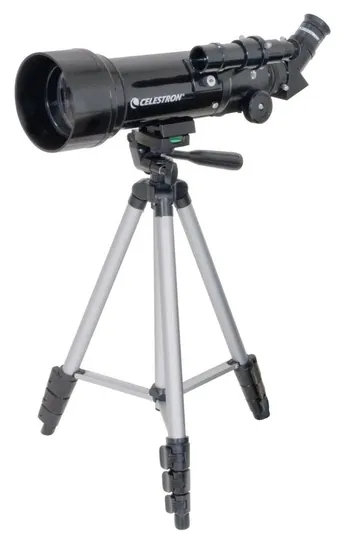
 Celestron Travel Scope 70
$89
Editor's Notes
October 26, 2026, by Ezvid Wiki Admin:
Orion is gone, so this page now covers what to buy in its place. Its parent company let staff go in July 2024 and its assets went to auction in January 2025, and none of the 10 Orion scopes on the old list can be bought new. We matched each Orion style to a current model: the StarSense Explorer 8-Inch Dobsonian stands in for the SkyQuest XT8, the Sky-Watcher Heritage 130 for the StarBlast 4.5, the Celestron AstroMaster 130EQ for the SpaceProbe 130ST, and so on down the line. The giant truss-tube SkyQuest models and the astrograph have no close match at a sensible price, so they're simply gone.
The evidence was Celestron's and Sky-Watcher's spec pages, Sky & Telescope's reporting on the shutdown and a repair guide for orphaned Orion owners. If you already own an Orion, keep using it: eyepieces are a standard size, and many mechanical parts match Sky-Watcher's.
August 18, 2020:
While many of the models included on our previous ranking have remained, it's worth noting where we saw the opportunity for upgrades, as we did with both the SkyQuest XX14I and the SkyQuest XX16G. At first glance, these two models might seem extraordinarily similar, but the 16G's light collecting area is significantly larger, and combined with a larger mirror, allows for greater magnification and enhanced clarity, especially when observing distant objects like nebulae.
Those are extremely pricy options, however, and most of the rest of our list contains options for astronomers who are just starting out, or who have been at it for a while and want to make a serious investment. Models like the Observer II 70mm and the SkyScanner 100mm TableTop don't boast the best optical quality, but their relative simplicity and low price points makes them ideal for beginners, where something like the StarBlast 6 Astro Reflector is a nice step up when it's time to graduate past those models.
Star photographers are going to want to take a serious look at the Newtonian Astrograph Reflector, which boasts an ideal focal ratio for hooking up a DSLR to capture images bouncing off its secondary mirror, but it is important to remember that any adapter is going to be sold separately.
February 14, 2019:
Orion offers a lot of subtle differences among many of their models, especially among their most expensive offerings. Two scopes that appear identical at first might have slight differences in aperture size or the particular guidance system used for object tracking. This list intends to find the products that offer the best combination of size, features, and price, so instead of putting three 12-inch Dobsonian models in the top spots, we narrowed those down to the best of the trio. Still, those premiere scopes are on the gigantic side, and it was important to include high-performance models that could still fit inside a sedan, like the StarSeeker IV or the StarMax 127mm. From there, it was a matter of balancing the list to let people with less money or experience find effective choices for their lives.
Special Honors
Sky-Watcher Classic Dobsonians Sky-Watcher's Classic 200P is the plainest modern twin of the Orion SkyQuest XT8: an 8-inch parabolic mirror on a simple push-to base, with two eyepieces and a finder. Sky-Watcher USA sells it and the 10-inch Classic 250P directly, and the 8-inch costs less than app-guided models of the same size. skywatcherusa.com
What Happened To Orion, And Buying One Used
Price a used scope well below a new one with a warranty, because that's what you're giving up.
Orion's parent company, Optronic Technologies, closed its Watsonville, California, offices and let staff go on July 9, 2024, and Orion's website went dark at the end of that month. The assets of Orion, Meade and Coronado were listed for auction in December 2024, with the sale set for January 9, 2025 (Sky & Telescope). A repair guide for orphaned owners reports that Orion filed for Chapter 7 bankruptcy and that no Orion telescopes are being made, so there's no maker left to honor a warranty (Telescope Advisor).
That leaves the used market. A used SkyQuest or StarBlast can still be a good buy, but check it the way you would a used car. Look down the tube for a scratched or hazy mirror, rack the focuser all the way in and out, make sure the finder and at least one eyepiece are included, and ask whether the mirrors have been collimated. Orion's scopes were built by Synta, the same group that makes Sky-Watcher, so focusers, tube rings and finder shoes often swap with Sky-Watcher parts. Shops such as Oceanside Photo & Telescope and High Point Scientific still service them (Telescope Advisor). Price a used scope well below a new one with a warranty, because that's what you're giving up.
Matching Each Orion Style To A Current Scope
Orion's best sellers were Dobsonians: a Newtonian tube on a simple base that you push to aim. They give the most mirror for the money, which is what shows faint galaxies and nebulas. Retailers that sold Orion now point StarBlast buyers to tabletop models like the Sky-Watcher Heritage and SkyQuest buyers to full-size Dobsonians (All-Star Telescope). An 8-inch is the sweet spot for most people, and astrophotographer Trevor Jones puts 8 to 10 inches near the practical limit for carrying one out each night (AstroBackyard). Sky-Watcher sells its Classic 200P, the plainest XT8 equivalent, directly (Sky-Watcher USA).
Equatorial mounts, like the old SpaceProbe and AstroView, tilt toward the North Star so one knob follows a planet as the Earth turns. They teach how the sky moves, but setting one up takes practice. Computerized mounts aim themselves after a short alignment and need batteries or a power supply. Small lens telescopes (refractors) need no mirror alignment, show land views right side up, and suit kids and daytime use, but their small aperture limits what you'll see at night.
Phone Finders, Eyepieces And Sun Safety
Celestron's StarSense Explorer scopes use your phone's camera to recognize the stars overhead and then show arrows to each target. It's the biggest help for beginners, who usually struggle more with finding things than with seeing them. Check your phone first: Celestron lists Android 12 or later and iOS 18 or later for the 8-inch model's app (Celestron).
Eyepieces are the easy upgrade. Nearly every scope here takes the standard 1.25-inch size, so Orion eyepieces, Barlow lenses and filters you already own will fit. Add a mid-power eyepiece before buying anything else; kits often skip it.
Never point any telescope, finder or binocular at the Sun without a certified solar filter that covers the front of the scope. NASA warns that eclipse glasses held behind an eyepiece aren't safe, because concentrated sunlight can burn through them (NASA). Keep the finder capped in daylight, and watch children closely when a scope is out during the day.
How we researched this
We compared 14 current telescopes against the 10 Orion models on the old list, read Celestron's and Sky-Watcher's spec pages for the finalists, followed Sky & Telescope's reporting on Orion's closure, analyzed owner feedback, and checked every brand against U.S. Consumer Product Safety Commission recall records. No telescope recalls turned up. Updated October 26, 2026 by Ezvid Wiki Admin.
Sources (12)
- Sky & Telescope: Meade and Orion cease operations (maybe)
- Telescope Advisor: Orion and Meade orphan owner hub
- ScopeTrader: Orion telescope is closed, so now what?
- All-Star Telescope: Orion's out of business, the best alternative
- AstroBackyard: Orion SkyQuest telescope
- Celestron: StarSense Explorer 8-inch Dobsonian
- Celestron: StarSense Explorer 150mm Tabletop Dobsonian
- Celestron: NexStar 8SE
- Sky-Watcher USA: Heritage 130 Tabletop Dobsonian
- Sky-Watcher USA: Dobsonian telescopes
- NASA: Eclipse safety
- CPSC recalls
Frequently asked questions
When did Orion Telescopes go out of business?
Orion's parent company closed its California offices and let staff go on July 9, 2024, and Orion's website went offline at the end of that month. Its assets were set for auction on January 9, 2025.
Can you still buy Orion telescopes?
Not new. Orion no longer makes telescopes, so what's left is used gear and the odd leftover in a store. Buy used only at a price that reflects no warranty.
Is my Orion warranty still valid, and where can I get repairs?
No company is left to honor Orion warranties. Independent shops such as Oceanside Photo & Telescope and High Point Scientific service Orion scopes, and many parts match Sky-Watcher's.
What is the best replacement for the Orion SkyQuest XT8?
The StarSense Explorer 8-Inch Dobsonian is the closest new model with phone-guided finding. For a plain version without the app, look at Sky-Watcher's Classic 200P.
Do Orion eyepieces fit other telescopes?
Yes. Orion used the standard 1.25-inch and 2-inch barrel sizes, so its eyepieces, Barlows and filters fit any Celestron or Sky-Watcher scope with a focuser of the same size.