The 10 Best Outdoor Cat Enclosures
Updated by · How we research

Ten pop-up mesh tents and walk-in wooden catios compared on safety, setup and space; the Outback Jack Kitty Compound leads for supervised outdoor time. When users buy our independently chosen editorial selections, we may earn commissions to help fund the Wiki.
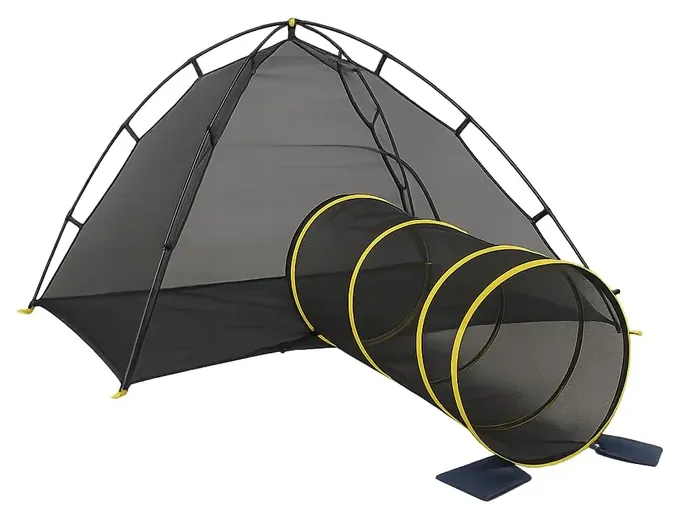
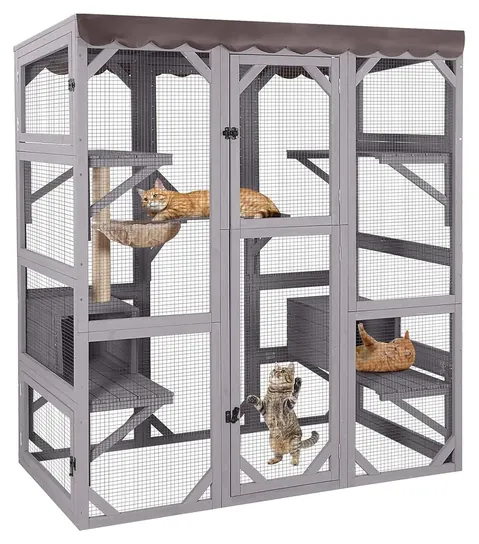
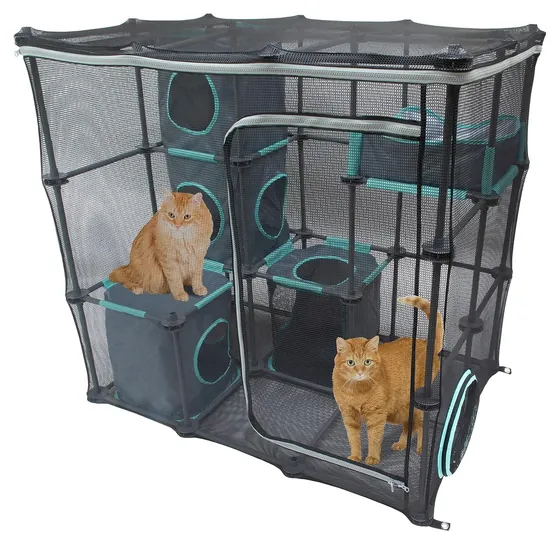
Most outdoor cat enclosures fall into two camps, and only one is built to hold a cat when nobody is watching. Soft mesh tents pop up in seconds for supervised afternoons on the lawn, while wood-and-wire catios with a roof and latched doors can stay out all year. This list covers both, for indoor cats who want fresh air without roaming.


Editor's Notes
November 16, 2026, by Ezvid Wiki Editors:
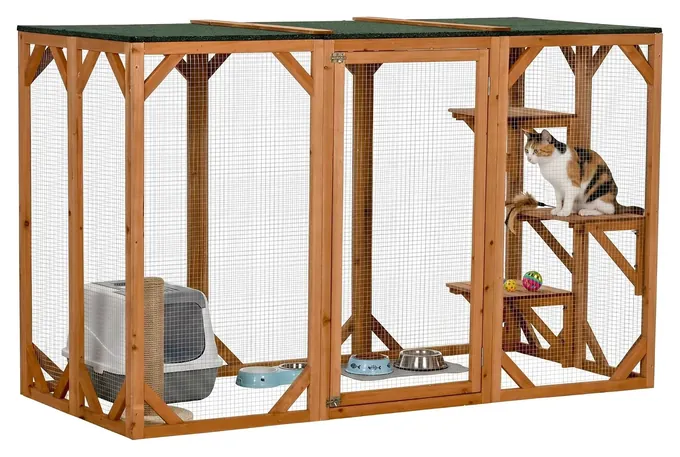
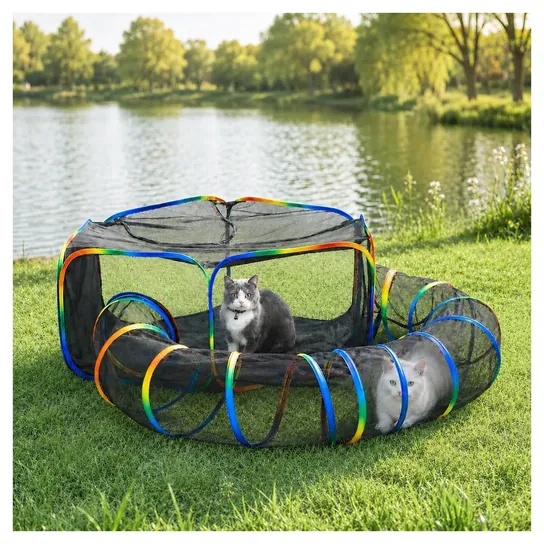
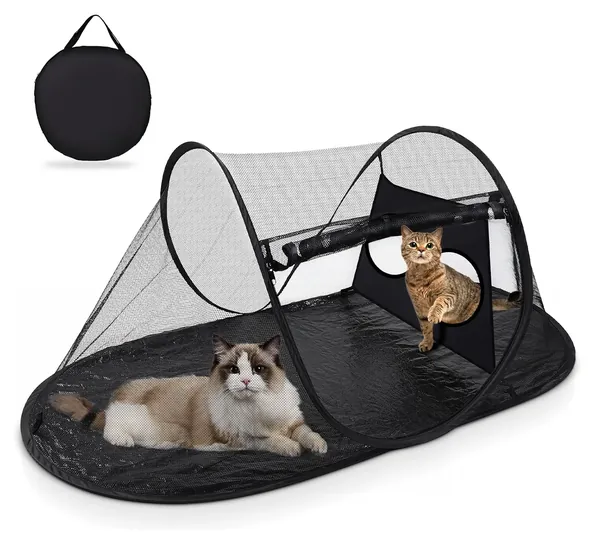
The Outback Jack Kitty Compound moves to the top. Two catio reviews that set up several enclosures side by side both named it their favorite pop-up, and it's still the simplest way to give an indoor cat supervised time outside. For a catio you can leave out and leave cats in, the Aivituvin AIR37-M walk-in is the pick, with honest notes about its soft wood.
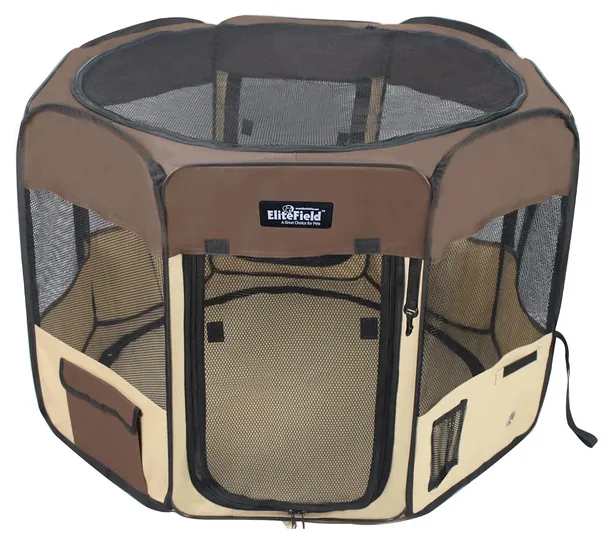
The PawHut D32-002, the Gutinneen Wheeled Catio and the EliteField Soft Playpen stay. We dropped the Outing Man Playhouse, the Outing Man Tunnel Habitat, the Ruff'n Ruffus Playpen and the Nala and Company CT2.0 because of availability concerns. The Sportpet Kennel went too, since it's a travel kennel rather than an enclosure, and so did the Kittywalk KW100P, which was nearly out of stock and thinly reviewed.
What shaped the order most was a warning from wildlife educators that some kits use mesh no stronger than a window screen, which raccoons and rats can get through. That's why every zippered tent here is marked for supervised use, and why the wooden catios carry notes on wood, latches and sealing.
Earlier notes
September 24, 2020:
Cats derive many benefits from being outside and most of them love an opportunity to sniff the fresh air. That being said, responsible pet owners know that there are many potential dangers for felines who spend time outdoors, such as busy streets and predators. These cat enclosures remove some of the safety issues and can put your mind at ease. However, it should be noted that they are for temporary use only and cats should never live in them full time or spend extensive hours in them unsupervised.
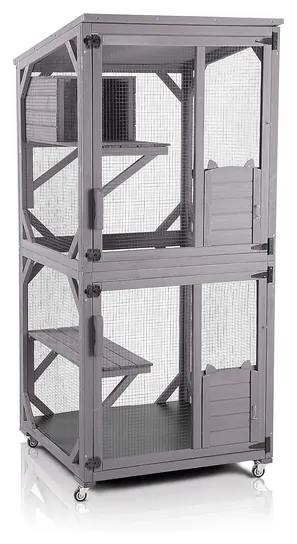
If you’re concerned about your cat getting out, it’s best to choose sturdy enclosures, like the Gutinneen Condo and the Pawhut Catio D32-002. These options feature tough metal screens and wood construction. Even so, if your cat has been known to escape on occasion, it’s a good idea to test your catio indoors first. Once you’re certain your cat can’t find a way out, then you can move it outdoors.
If you’ll be traveling, you may want a portable option that is convenient to set up. The Sportpet Kennel is lightweight and includes seatbelt loops for safe transport, while the Ruff'n Ruffus Playpen offers an easy, pop-up design. Both take minimal time to set up, don’t come with any hardware, and do not require assembly.
If you do not have the luxury of space or plan to use your enclosure on a balcony, the Nala and Company CT2.0 is the best space-saving option. Its small size makes it easy to move around, and its ability to collapse flat makes it convenient to store in a cabinet when not in use. There is no exercise space, but it does have room for a cat bed, which is good for lazy cats who love napping in the sun. On the other hand, if you have limited square footage, but ample vertical space, consider the Gutinneen Condo, which is taller than it is wide. Your cat can climb to high levels and won’t miss the extra floor space.
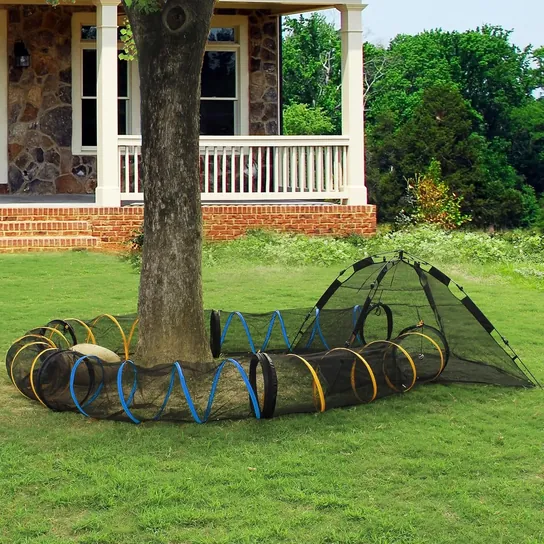
If you have an active kitty who loves to play and explore, the Outing Man Tunnel Habitat is a good choice. It has several compartments to check out, and the tunnel is split in three directions, which limits visibility and increases the fun of a surprise pounce during group play. Plus, it has plenty of room for cat toys.
Special Honors
Easy Pet Fence Catio Kits Business Insider's top catio overall came from this maker. Its fully enclosed catio kits stand about seven and a half feet tall, include a roof and a gate, and come in poly mesh or steel welded wire, so you can size a real backyard enclosure instead of a prefab box. easypetfence.com
VistaGato Freedom A window catio that fits into an open window rather than standing in the yard, made for window openings roughly 26 to 32 inches wide. It suits apartments and homes with no yard, and it comes out when the weather turns. vistagato.com
Supervised Or Unattended: Decide First
Every enclosure here falls on one side of a simple line: can you walk away from it?
Every enclosure here falls on one side of a simple line: can you walk away from it? Soft pop-up tents and mesh kits are for time when you're nearby. Their zippers don't lock, and a pushy cat or a curious raccoon can work them open. VettedFur calls the popular pop-ups neither predator-proof nor weatherproof (VettedFur). Business Insider's reviewer has used the same brand of tent for about a decade, and every replacement was for a failed zipper, not torn mesh (Business Insider).
A catio you can leave cats in needs a solid frame, a roof, latching doors and real wire. Wildlife educators told The Columbian that some prebuilt kits use mesh much like window screen, which rats, mice, raccoons and opossums can get through, and they recommend coated welded wire with openings of one or two inches (The Columbian). Fear Free Happy Homes adds that the structure has to stand up to coyotes, hawks and owls, not just keep your cat in (Fear Free Happy Homes).
If you live where coyotes dig, a catio builder interviewed by Consumer Reports suggests fencing that runs below ground (Consumer Reports).
Space, Window Hookups And Setup
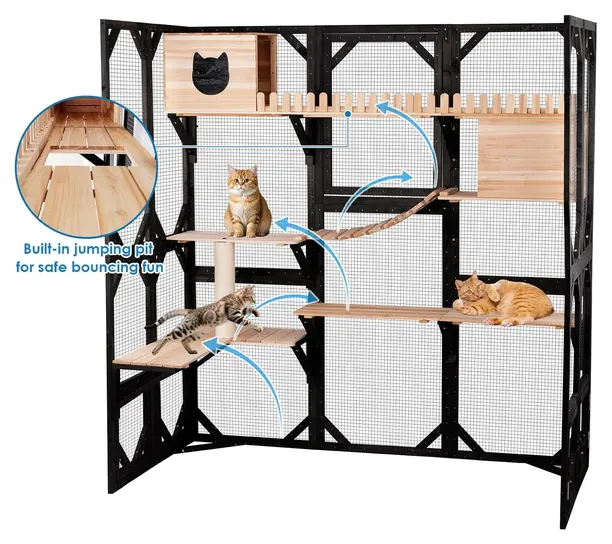
Size matters less than you might think. Bruce Kornreich, director of the Cornell Feline Health Center, told Consumer Reports that a catio only has to let your cat move around comfortably, and that larger ones should hold a litter box and water (Consumer Reports). Height helps more than floor space: shelves and bridges let a cat cross the whole space without touching the ground, and homes with several cats need separate routes so nobody has to climb over anybody else.
Several wooden kits have a back panel that comes off so you can butt the catio against an open window or a pet door. That lets your cat choose when to go out. Hardware for sealing the gap usually isn't included, so plan on weatherstripping or a simple frame. Expect a long build: Business Insider's reviewer needed about four hours alone for one walk-in, and Cats.com found that the wood on another model splits easily (Cats.com).
Before you buy, check your HOA rules and any local permits, and ask your landlord if you rent. Consumer Reports also notes that a window catio on a high floor isn't a good idea.
Keeping It Safe Through The Seasons
Sun is the hidden risk. Mesh tents trap heat, and a catio in full afternoon sun needs shade and fresh water, and your cat should come inside in extreme heat (SpectrumCare). A litter box in a shaded corner keeps longer visits comfortable (Fear Free Happy Homes).
Budget wooden catios are usually soft fir. Seal the wood before it goes out, or it will gray, warp and rot, and set the frame on level, firm ground so doors close true (The Columbian). Walk the panels for loose staples and sharp wire ends after assembly and again each spring. Business Insider recommends adding an inside latch to a walk-in so the door stays shut while you're inside with your cat (Business Insider).
Store tents dry and out of the sun between uses, since sunlight weakens mesh and zippers. And a catio doesn't stop fleas, ticks or disease spread by visiting wildlife, so keep up with the parasite control and vaccines your vet recommends.
How we researched this
We compared 19 outdoor cat enclosures, from pop-up mesh tents and soft playpens to walk-in wooden catios. We read two published side-by-side catio reviews from Business Insider and Cats.com, Consumer Reports' catio guide with input from a Cornell feline veterinarian, and advice from wildlife educators and Fear Free Happy Homes. We checked makers' specs, current prices and stock, and recurring owner feedback, and searched the CPSC recall database, which lists no recalls for any brand here. Most of the wooden kits and smaller tents have no independent test, so their entries lean on specs and owner reports.
Sources (10)
- Business Insider: tested catios
- Cats.com: we tested 5 catios
- Consumer Reports: before installing a catio
- The Columbian: catios keep felines and wildlife safe
- Fear Free Happy Homes: catio life
- VettedFur: best outdoor cat enclosures
- SpectrumCare: catio guide
- Easy Pet Fence: catio kits
- VistaGato: FAQ
- CPSC SaferProducts.gov
Frequently asked questions
Can I leave my cat alone in a pop-up cat tent?
No. Pop-up tents close with zippers that don't lock, and the mesh won't keep out a determined raccoon or dog. Use them while you're nearby, and choose a wood-and-wire catio with a roof and latching doors if your cat will be outside unattended.
Is it cheaper to build a catio or buy one?
Buying a prefab kit is far cheaper than hiring a builder for a custom catio. Building your own can save money on a small window unit, but lumber, welded wire, roofing and latches add up quickly for a full-size enclosure.
Can I attach a catio to a window?
Yes, with the right model. Several wooden catios have a back panel that comes off so the catio can sit against an open window or pet door. You'll usually need to seal the gap yourself, and a window catio on an upper floor isn't recommended.
What kind of mesh keeps predators out?
Coated welded wire with openings of one to two inches is the common advice from wildlife educators. Thin insect-screen mesh can be torn or chewed through by raccoons, opossums and rats.
How do I get my cat to use a new catio?
Go slowly. Prop the door open for a few minutes a day, use treats and a favorite toy, and let your cat come out at its own pace. For a catio that isn't attached to the house, carry your cat out in its carrier and open it once you're inside with the door shut.
Do I need permission to put up a catio?
Possibly. Check your HOA rules and any local permits before building a permanent structure, and ask your landlord first if you rent.