The 9 Best Pipe Vises
Updated by · How we research

Bench chain, yoke, tripod, combination and welding pipe vises compared on capacity, grip and warranty. The Ridgid BC410 chain vise leads for most shops. When users buy our independently chosen editorial picks, we may earn commissions to help fund the Wiki.
A regular bench vise grabs round pipe at two points, so it slips or squashes it. A pipe vise cradles the pipe in a V-shaped jaw, then a chain or a screw-down yoke closes over the top. Chains wrap the whole pipe and take odd fittings; yokes center it fast. These picks suit plumbers, welders and home shops that cut or thread pipe.


Editor's Notes
October 27, 2026, by Ezvid Wiki Editors:
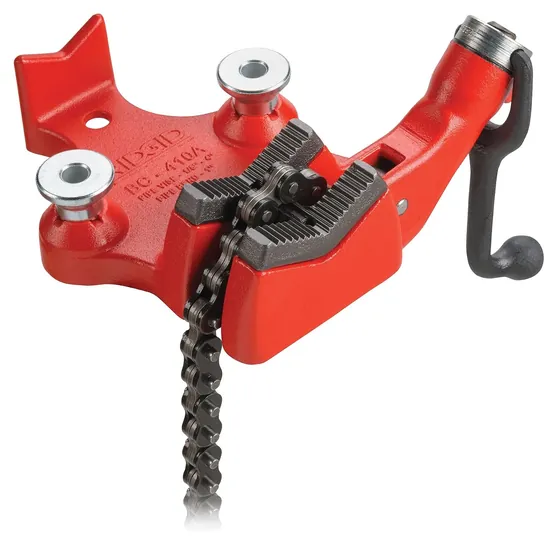
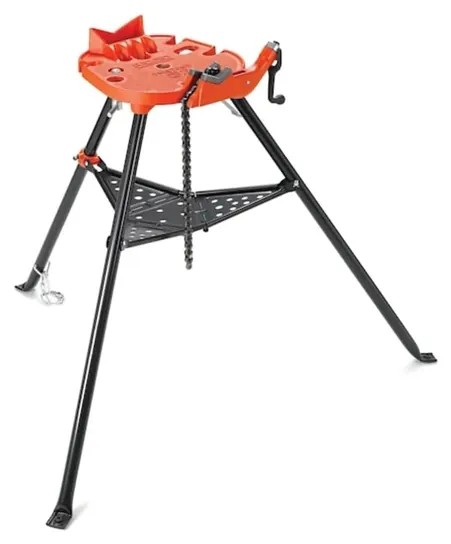
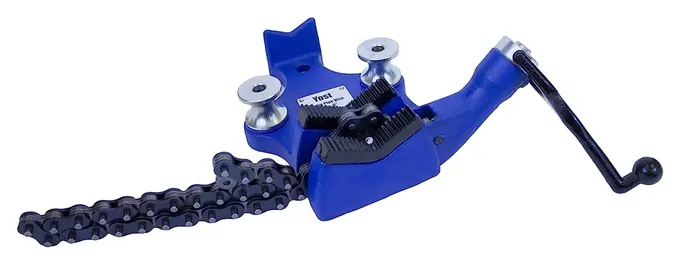
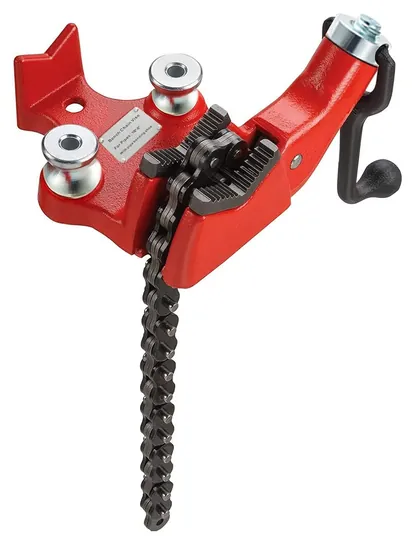
Our new first choice is the Ridgid BC410. A bench chain vise suits more jobs than any other style, since the chain wraps pipe and fittings alike, and this one has replaceable jaws and a lifetime warranty. The Ridgid 460-6 Tristand, Yost BC-6, Yost 750-DI and Ridgid 461 welding vise stay.
Several old picks are gone. The HFS Forged, the Caidu Combination Home Vise and the Tri Vise Plate can't be bought now, and the Tri Vise was a plate vise anyway. The Mission Automotive Soft Pads are jaw covers, not a vise. The Reed Tool CV2 is down to its last unit with almost no owner feedback. The Ridgid Bench Yoke has no current offer, which stings, because it's a good yoke vise. We'll bring it back if it returns.
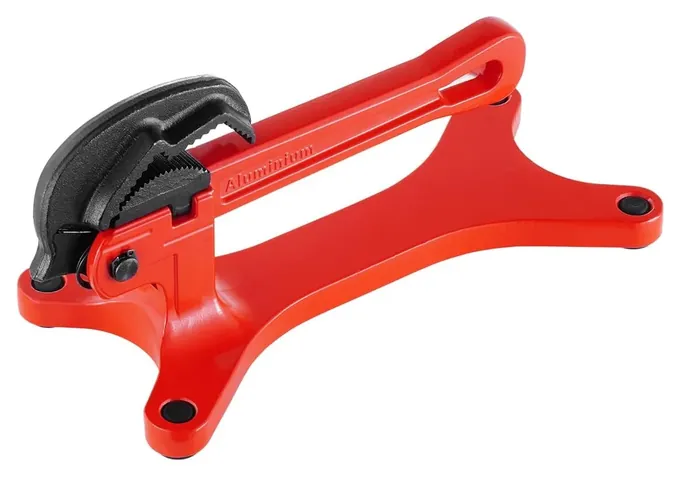
New are a budget chain vise from Mophorn, the Steel Dragon 72037 tripod stand, a small aluminum clamp from Vevor and a cheap forged yoke from Muklei.
Readers search for small vises and welding vises as often as the big ones, so the list covers every common style. The best evidence for this category was a plumbing-trade roundup, McMaster-Carr's notes on which vise style suits which pipe, and dealer spec sheets for Ridgid and Yost.
Earlier notes
June 12, 2020, by Chris Gillespie:
A vise works as a second pair of hands and is used to clamp objects securely while work is being carried out. A pipe vise has specially shaped jaws that are designed to grip tubular materials such as copper, iron, or steel pipes. They are especially useful when cutting, bending, threading or welding.
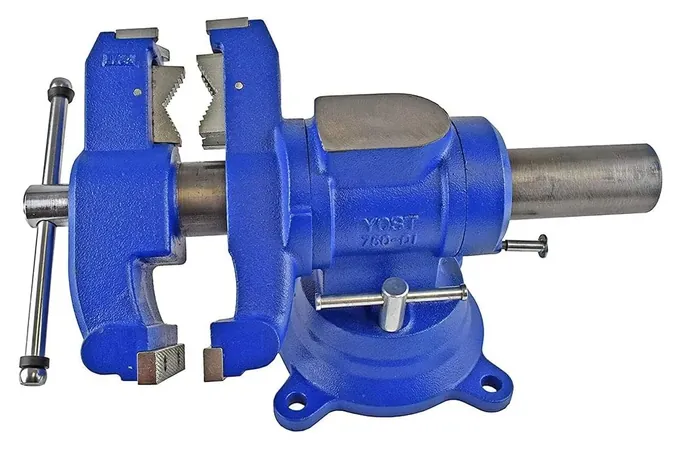
There are several different types available. The most common is a bench mounted engineers vice with a V-shaped aperture, such as the Yost Tools 750-DI Extreme-Duty or the Caidu Combination Home Vise. Their versatile design makes them useful for a variety of awkwardly shaped items, while the rotating headstock allows the work piece to be positioned at any angle. These types of vices are better suited to smaller diameter and shorter length pipes. The Mission Automotive Soft Pads are designed to convert the jaws of a regular vice, making them capable of holding small diameter tubing in place without damaging it.
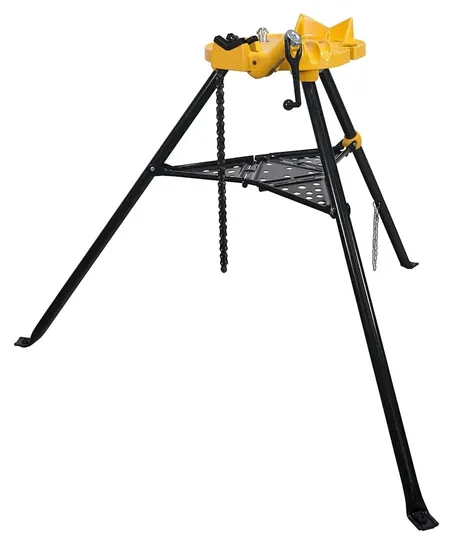
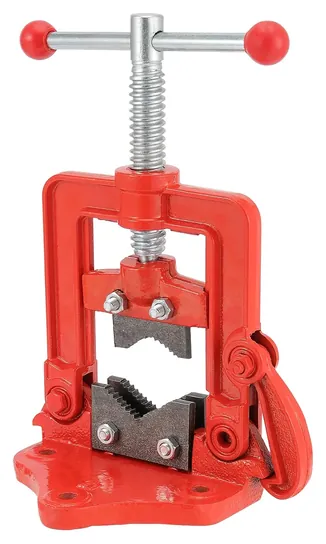
Chain vises, such as the Ridgid Straight Welding Vise, the Yost Tools BC-6, and the Reed Tool CV2 are a much better choice for larger diameter materials, and use a length of chain and a crank to clamp objects securely. They are heavy-duty pieces of equipment and work well on Iron or steel, however, softer metals may be compressed or scratched. The Ridgid Portable Tristand is ideal for moving around the job site and features tool hangers, a workbench, and integrated pipe benders. Yoke vises such as the Ridgid Bench Yoke and the HFS Forged have a hinged opening and use a threaded shaft to compress the pipe between two sets of V-shaped jaws. Their fold-over mechanism makes for easy insertion and removal of long lengths of tube.
Special Honors
Reed Manufacturing Reed, a plumbers' tool maker in Erie, Pennsylvania, builds bench chain, yoke and tripod pipe vises along with cutters and wrenches. Its vises are sold through plumbing supply houses and industrial distributors, so they're worth asking for at the counter. reedmfgco.com
Chain Or Yoke: The Two Main Jaw Styles
It centers the pipe on its own and loads quickly, which is why plumbers like it for 1/8- to 2-inch steel and copper.
Every pipe vise starts with a V-shaped lower jaw that cradles the pipe. What closes over the top decides how it grips. A chain vise wraps a chain around the pipe and pulls it tight with a top screw, so it grips the full circumference. That makes it the safer choice under a power saw or threader, and it can hold fittings, valves and other odd shapes. The Ridgid BC410 covers 1/8 to 4 inches this way, and the Yost BC-6 reaches 6 inches.
A yoke vise screws a toothed upper jaw straight down onto the pipe. It centers the pipe on its own and loads quickly, which is why plumbers like it for 1/8- to 2-inch steel and copper. It grips at fewer points, though, and McMaster-Carr notes that yoke vises aren't recommended for plastic pipe (McMaster-Carr). A plumbing-trade roundup from JourneymanHQ calls the chain style the better all-rounder and the yoke the quicker, gentler choice for copper.
Bench, Tripod, Clamp Or Combination
A bench vise needs a permanent home. Bolt it through the bench top with carriage bolts, not wood screws, because threading pipe puts a lot of twisting force on the mount. A long pipe also needs a pipe stand at its far end, or its weight will tip the bench or pull the pipe out of the jaws.
A tripod stand, which Ridgid calls a Tristand, carries the same jaw on folding legs for job sites. The Ridgid 460-6 takes 1/8- to 6-inch pipe, weighs about 43 pounds and adds a tool tray, pipe rests, a weld ground lug and a ceiling brace that locks it between floor and joist.
A combination vise such as the Yost 750-DI is a machinist's vise with pipe jaws built in. It's handy if you only have room for one vise, but its pipe capacity stops at about 3-1/2 inches. Small clamp-style vises are the light end of the range: easy to carry, fine for cutting copper or PVC, and too light for heavy threading.
Holding Pipe Without Damaging It
Buy for the pipe you actually work on. A vise rated to 2 inches covers most home copper and galvanized repairs, and a 4- to 6-inch chain vise covers nearly all residential and light commercial work. Paying for 8-inch capacity only makes sense for large steel pipe.
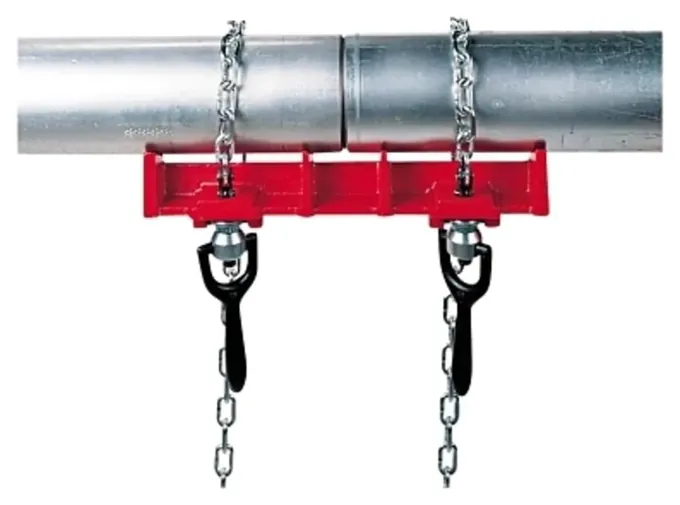
Serrated jaws are made to bite steel, so go easy on thin-wall copper, brass and plastic. Tighten only until the pipe stops turning under the cutter or die. For finished or soft tube, wrap the pipe in a scrap of rubber or use a chain vise, which spreads the load. A straight pipe welding vise such as the Ridgid 461 is a different tool altogether: it aligns two pipe ends for tacking and isn't meant to hold work for threading.
We found no recalls of pipe vises from Ridgid, Yost, Reed, Vevor, Mophorn or Steel Dragon in the U.S. Consumer Product Safety Commission's database (SaferProducts.gov). The real hazards are pinch points at the chain and jaws and a light stand tipping under a long wrench.
How we researched this
We compared 20 pipe vises from 11 brands and screened 10 in depth. We read Ridgid and Yost dealer spec sheets, Yost's own catalog, a hands-on plumbing roundup from JourneymanHQ, McMaster-Carr's notes on vise styles and patterns in owner feedback, and we checked every brand for recalls with the U.S. Consumer Product Safety Commission. We found no independent lab tests of pipe vises.
Frequently asked questions
What is a pipe vise?
It's a vise built to hold round pipe or tube so it can't spin while you cut, ream, thread or weld it. Instead of flat jaws it uses a V-shaped lower jaw plus either a chain or a screw-down yoke on top.
Is a chain vise or a yoke vise better?
A chain vise is the better all-rounder: it grips the whole pipe, holds fittings and covers a wider size range. A yoke vise centers pipe faster and suits copper and small steel pipe up to about 2 inches, but it isn't recommended for plastic pipe.
Can a regular bench vise hold pipe?
Only poorly. Flat jaws touch a pipe at two lines, so it can slip or flatten. A combination vise adds pipe jaws below the main jaws, which works for occasional pipe jobs.
Do I need a tripod stand?
Only for job sites or places without a sturdy bench. A tripod stand folds for transport and can brace against a ceiling joist, but it costs much more than a bench vise with the same jaws.
What is a pipe welding vise?
It's a clamp, usually a bar with two chains, that holds two pipe ends in a straight line so a welder can set the gap and tack the joint. It doesn't hold pipe for cutting or threading.
Have any pipe vises been recalled?
We found no pipe vise recalls in the U.S. Consumer Product Safety Commission's database for the brands on this list, as of October 2026.