The 10 Best Political Science Textbooks
Updated by · How we research

Ten political science textbooks compared, from intro surveys to methods and writing guides. Political Science Today leads for its tour of every subfield. When users buy our independently chosen editorial selections, we may earn commissions to help fund the Wiki.
Political science professors assign one specific edition, and publishers revise the big intro texts every few years, so the syllabus ISBN should decide what you buy. For self-study, an earlier edition or a free open text often does the job for far less. These picks suit new majors, students in a required course and curious readers who want structure.
At a Glance
-
1
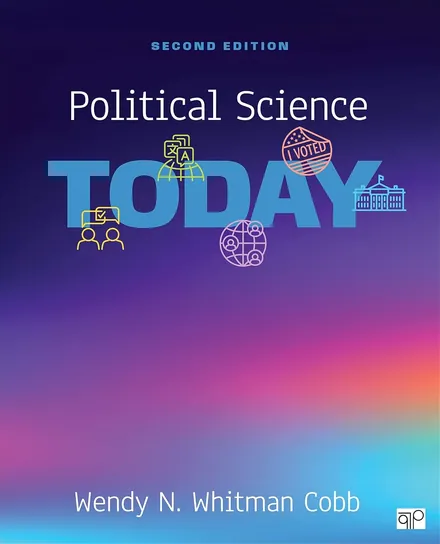
 Political Science Today
$115
-
2
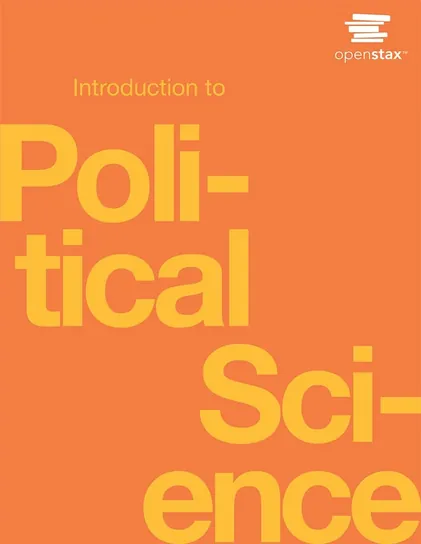
 OpenStax Introduction to Political Science
$42
-
3
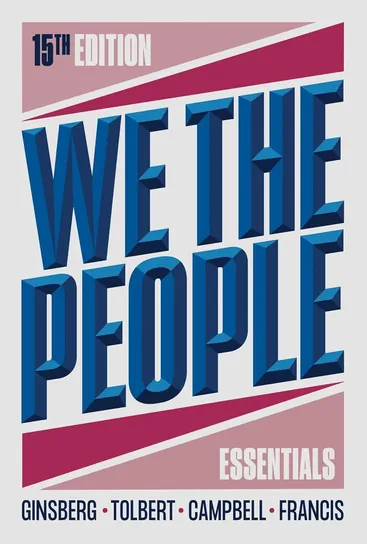
 We the People
$95
-
4
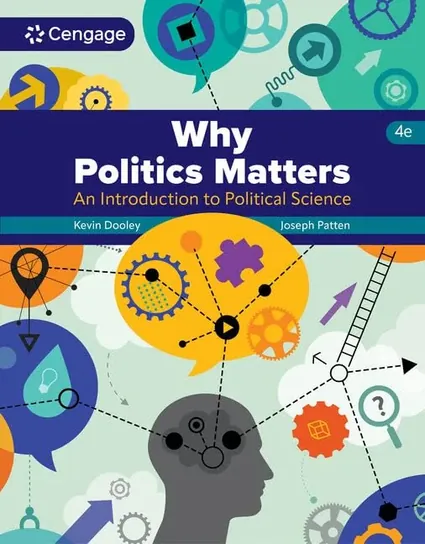
 Why Politics Matters
$86
-
5
 Essentials of Comparative Politics
$76
-
6
 Policy Paradox
$71
-
7
 The Fundamentals of Political Science Research
$49
-
8
 Political Science Research in Practice
$58
-
9
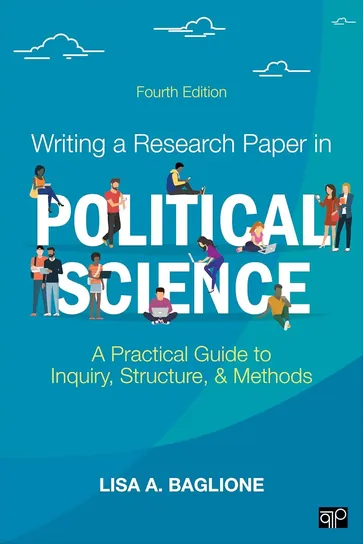
 Writing a Research Paper in Political Science
$43
-
10
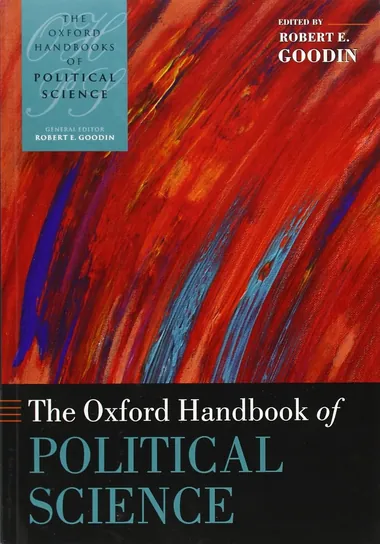
 The Oxford Handbook of Political Science
$54
Editor's Notes
November 1, 2026, by Ezvid Wiki Admin:
Political Science Today now leads this list. Wendy Whitman Cobb gives every subfield of the major its own chapter, which is what a new student choosing a path needs most. The OpenStax Introduction to Political Science joins it as the free option, along with Why Politics Matters for current events and The Fundamentals of Political Science Research for students heading into a methods course. We the People and Essentials of Comparative Politics stay, now in their current editions. Policy Paradox, Political Science Research in Practice, Writing a Research Paper in Political Science and The Oxford Handbook of Political Science stay as well. We dropped Keeping the Republic, whose older edition now costs more than its replacement, Political Science: A Global Perspective and Analyzing Politics, both dated and expensive, and American Government: Stories of a Nation, which a fuller American government text covers.
Textbooks don't get lab tests, so we read each publisher's description and table of contents, checked edition dates in library catalog records, and weighed reader feedback across several editions of each title, because a brand-new edition rarely has much.
February 05, 2020:
Political science is a broad social science that encompasses myriad governing systems and the analyses of thoughts, behavior, and activities as related to politics. Because of this expansive nature, students and teachers require everything from solid introductions to laser-focused volumes.
For those who need assistance writing and researching, there's Political Science Research in Practice and Writing a Research Paper in Political Science, while Policy Paradox explores the balance between rational thinking and personal values. For an American perspective, there's We the People and American Government: Stories of a Nation. The latter was recently added at the expense of Understanding the Political World, which we felt was a bit soft as far as introductions go. American Government takes a personal approach to link the material to real scenarios for the student's benefit, with plenty of information on political activism thrown in as well.
Also joining the ranks today is Political Science: A Global Perspective, which, as the title suggests, takes an international viewpoint to explore issues comparatively and relate them to different cultural and historical contexts. This selection is meant as an introduction, but for the student with prior knowledge, applying mainly to postgraduates and upper-level undergrads.
For a magisterial reference to take from school through to your career, The Oxford Handbook of Political Science can't be beaten. If you're looking for something to spark meaningful discussions, check out Analyzing Politics.
Special Honors
OpenStax American Government OpenStax, the nonprofit textbook publisher at Rice University, also offers a free, openly licensed American Government text that can be read online or downloaded. It's a useful free alternative for an intro American government course when the syllabus doesn't require a specific commercial book. openstax.org
Start With The Syllabus, Then Pick A Format
For self-study, an older edition is usually fine and often costs 30 to 70 percent less.
If the book is for a class, the course syllabus decides. Professors assign one edition, and the big publishers revise intro texts every two to four years. We the People is in its 15th edition, and Essentials of Comparative Politics is in its eighth. A new edition moves chapters, updates data and changes page numbers, so a reading assignment like "pages 112 to 140" won't line up in an older copy. Match the ISBN on the syllabus when the course grades you on specific pages or problems.
For self-study, an older edition is usually fine and often costs 30 to 70 percent less. The core ideas of a subfield don't change every few years; the examples do. The third edition of Why Politics Matters, for instance, sells for a small share of the fourth.
Watch the format. Loose-leaf versions are cheaper but can't be resold, rentals end at the term, and ebooks can't be lent. Many new texts are sold alongside an online platform, such as Cengage's homework system for Why Politics Matters or Norton's interactive ebook. Those need a separate access code. Only buy one if your course requires it. Finally, buy from the bookseller or the publisher where you can: counterfeit and unauthorized international copies circulate through marketplace sellers, and they can be missing pages or color.
Intro Survey Or Subfield Text
An intro survey samples the whole discipline. Political Science Today starts with what political science is and how research works, then gives one chapter each to comparative politics, international relations, American government, political economy, and public policy and administration. That shape suits a student deciding which part of the major to follow. The free OpenStax Introduction to Political Science covers similar ground and can be read online at no cost.
Subfield texts go deeper on one area. American government courses lean on books like We the People, which Norton built around the citizen's role and why participation matters. Comparative courses often use O'Neil's Essentials of Comparative Politics, which teaches concepts and leaves country studies to a companion casebook. Policy courses tend to add an argument rather than a survey: Policy Paradox makes the case that policy is a struggle over values that can't be settled by pure rationality.
Classics are a different thing. Search results for this topic mix textbooks with reading lists of Machiavelli, Hobbes and Tocqueville. Those are primary sources worth reading, but they don't explain the modern discipline. Robert Goodin's reading list at Five Books is a good bridge between the two.
Methods And Writing: Which Book For Which Assignment
Most majors take a research methods course, and it's the class students dread most. Three kinds of books help, and the assignment tells you which one you need.
For the logic of quantitative research, The Fundamentals of Political Science Research by Kellstedt and Whitten starts with causal theories and the hurdles between correlation and cause before it reaches statistics. For seeing methods in use, Political Science Research in Practice, edited by Furman University professors Akan Malici and Elizabeth Smith, walks through real projects, from the research question to the method chosen and the problems along the way. Its second edition added field experiments and textual methods.
For the paper itself, Lisa Baglione's Writing a Research Paper in Political Science lays out the sequence most instructors expect: question, literature review, hypotheses, research design, analysis and conclusion. None of these replaces a statistics text if your project runs regressions on a large data set, and a free guide like OpenStax's chapter on what political science is helps with the difference between normative and empirical questions before you start.
How we researched this
We compared 29 political science textbooks and editions, from intro surveys and subfield texts to methods guides and reference works. We read each publisher's description and table of contents where available, checked edition and publication dates in catalog records, and compared current prices for each edition. Textbooks aren't lab tested, and independent reviews are rare, so we weighed reader feedback across several editions of each title, since a new edition rarely has much. We ruled out study guides, popular books and self-published summaries, and preferred current editions unless an older one remains the standard.
Sources (10)
- SAGE: Political Science Today, 2nd edition
- OpenStax: Introduction to Political Science
- OpenStax: Introduction to Political Science, chapter 1
- W. W. Norton: We the People, 15th edition
- W. W. Norton: Essentials of Comparative Politics, 8th edition
- W. W. Norton: Policy Paradox
- Cengage: Why Politics Matters, 4th edition
- Furman University: Political Science Research in Practice
- Five Books: Robert E. Goodin on political science books
- Oxford University Press: The Oxford Handbook of Political Science
Frequently asked questions
What is the best textbook for an introduction to political science?
If your course names a book, use that edition. For self-study or a choice of your own, Political Science Today samples every subfield, Why Politics Matters ties ideas to current events, and the OpenStax Introduction to Political Science is free to read online.
Can I use an older edition of a political science textbook?
For self-study, usually yes. The core ideas change slowly, and older editions often cost far less. For a class with page-based readings or graded problems, buy the edition on the syllabus, because chapters and page numbers move between editions.
Is the OpenStax political science textbook really free?
Yes. OpenStax, a nonprofit at Rice University, publishes Introduction to Political Science under an open license, and the full text is free to read online. The printed paperback is a paid copy of the same book for readers who prefer paper.
Do I need the access code that comes with a new textbook?
Only if your instructor uses the publisher's online platform for homework or quizzes. The printed book reads fine without it, and plain paperbacks usually don't include a code.
Are classics like The Prince or Leviathan political science textbooks?
No. They're primary sources that political scientists study, not textbooks that explain the discipline. Many intro courses assign excerpts alongside a textbook.