The 8 Best Portable Ice Makers
Updated by · How we research

Eight countertop ice makers compared on real output, cleaning and ice type, bullet or nugget. The Igloo Handled Stainless is the pick for most kitchens. When users buy our independently chosen editorial choices, we may earn commissions to help fund the Wiki.
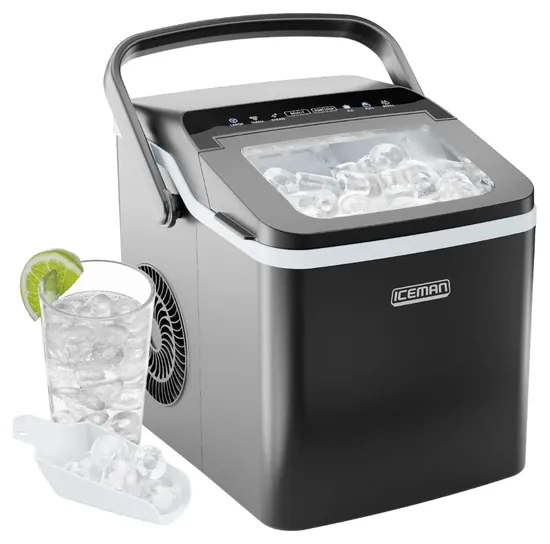
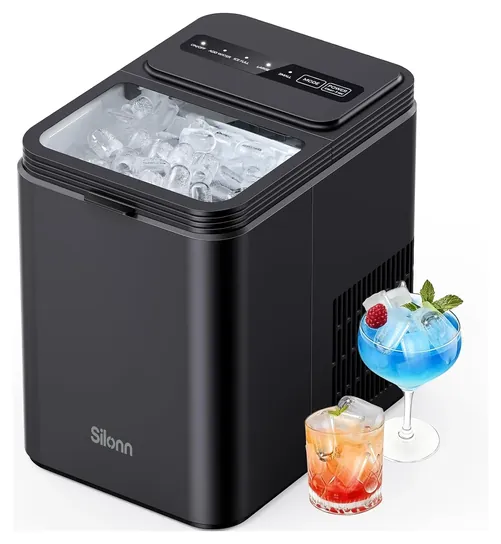
Almost every countertop ice maker promises about 26 pounds a day, but kitchen tests measure closer to a pound an hour, and the basket holds only a small batch that slowly melts back into the tank. These machines suit home bars, dorms, boats, RVs and party prep, anywhere you want fresh ice without a freezer tray or a water line.


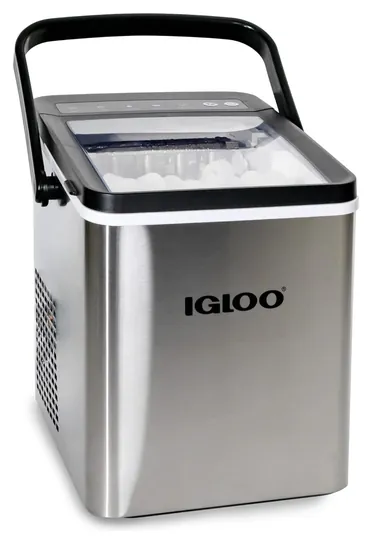
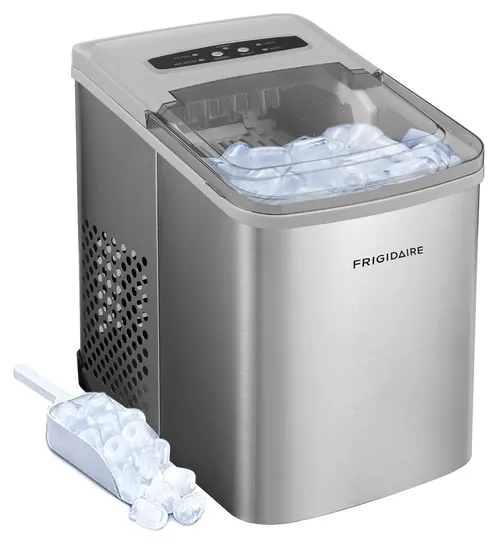
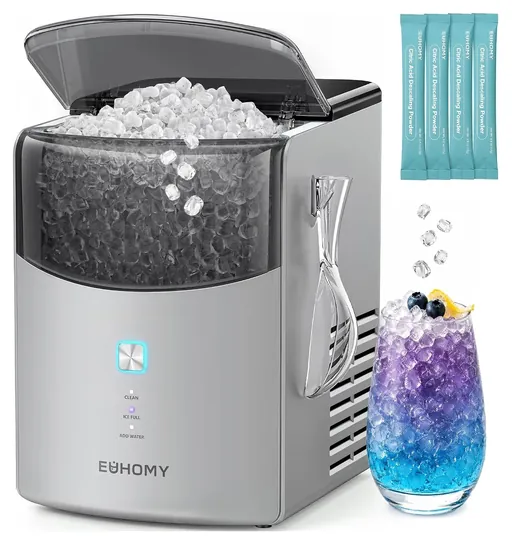
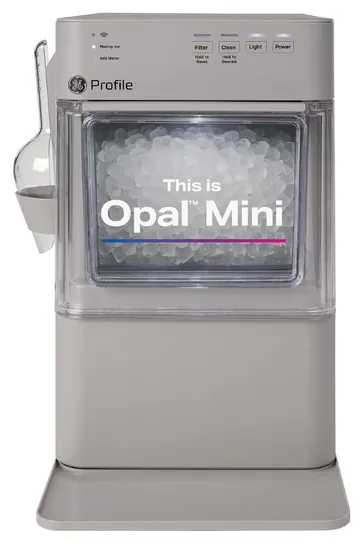
Editor's Notes
October 23, 2026, by Ezvid Wiki Editors:
A quick first batch and a self-cleaning cycle that works put the Igloo Handled Stainless first, because those matter more than any daily-output number on the box. Six of the ten machines we used to recommend are gone or can no longer be found: the Dreamiracle Bullet, Kealive Clear, Euhomy Kitchen, Ikich USAS4, Della Clear Lip Top and VPCOK Spoon. The original GE Profile Opal and the Frigidaire Black have newer replacements. We also let the Crownful Ready go, since newer budget machines cover its role.
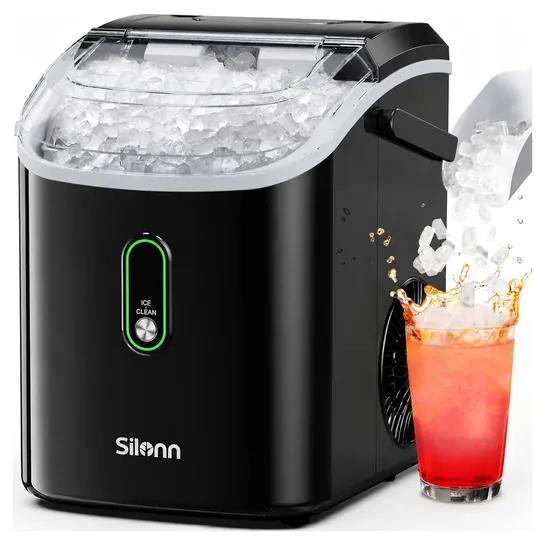
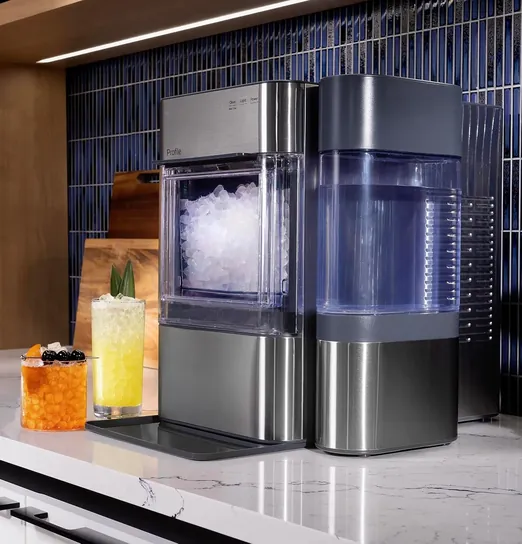
Readers kept asking about chewable nugget ice, so the new list has nugget machines from Euhomy, Silonn and GE's Opal line, along with a cheap bullet machine and a big-tank model for large households. Countertop clear-ice makers have mostly vanished, and both on the old list are gone.
What settled the order was America's Test Kitchen measuring each machine's ice by the hour, which ran far below the labels, plus the makers' cleaning instructions and a federal recall of nugget machines whose auger blades could snap. The Kold Draft KD-50 left the honors because it's a commercial machine that needs plumbing.
Earlier notes
December 6, 2020, by Gregg Parker:
One important thing to note about these portable ice makers is that they all need to be plugged in, so you'll have to have a generator or wall outlet if you're planning to use them outdoors. Another thing to note is that these are ice makers, not freezers. They're designed for those who want to use the ice right away, and if you don't, you'll need to transfer it to a colder container to keep it from melting. That's true of all these models, and is inherent in the category.
There's generally a tradeoff between the size (and therefore the portability) of the machine and its capacity. The Kealive Clear is a big machine that can make a lot of ice, while the Igloo Automatic and Crownful Ready take up less space and are easier to carry, but fill up quickly.
The Dreamiracle Bullet tops the list this time around because it looks great, it's quiet, and it has competitive features: it can make a batch in seven minutes, boasts a 2.8-liter reservoir, can store 3.3 pounds, and can make 33 pounds in a day. Any machine with better specs in one of those areas likely has a deficiency in another. Best of all, the Dreamiracle Bullet isn't too heavy, making it the all-around best choice.
November 30, 2019, by Brett Dvoretz:
During this update, we had to remove a lot of previously recommended models due to longevity issues. For example, there were many complaints of the Think Gizmos TG22, Avalon Bay AB-ICE26S, and Ivation IVA-ICEM25WH dying in less than a year with just periodic use.
Another thing we noticed about our previous selection is that they all had pretty much the same ice-producing capabilities — 26 or 27 pounds in a 24-hour period. While this is probably more than enough for the average consumer, we realize that some people may have a need for more ice than that, especially those who often throw parties. To suit those individuals, we have included the Gladwell Countertop, NewAir ClearIce40,Costway 23346, and Northair HZB-18F/S, which make 50, 40, and 48 pounds, respectively.
Another thing we noticed about our previous selections is that nearly every one made opaque, bullet-shaped cubes with a hole in the center, usually in at least two different sizes. To ensure there was a cube type to meet every preference, we made sure to include models like the NewAir ClearIce40 and Northair HZB-18F/S, both of which makes clear, square cubes; and the Opal Nugget, which makes small chunks of ice like you might get from some commercial machines.
Special Honors
Newair AI-100 America's Test Kitchen measured the Newair AI-100 as the fastest countertop bullet machine it tried, at close to 2 pounds of ice an hour. It's bigger and heavier than most counter models, and its drain plug is awkward. Newair also makes clear-ice machines and built-in units for bars and outdoor kitchens. newair.com
Bullet Or Nugget: Pick The Ice First
Nugget machines cost two to five times as much, run hotter and louder, and have more moving parts to wear out.
Most countertop machines make bullet ice. Metal prongs dip into chilled water, ice forms around them, and the hollow, rounded cubes drop into a basket within about 10 minutes. Bullet ice is soft and cloudy, and it melts faster than a freezer cube, which is fine for a glass of soda but weak in a cooler. These machines are the cheapest and fastest to start (America's Test Kitchen).
Nugget ice, the chewable kind some restaurants serve, is made by freezing thin flakes and pressing them together with a metal auger. Fans love the crunch, and it soaks up the flavor of a drink. Nugget machines cost two to five times as much, run hotter and louder, and have more moving parts to wear out. A few machines make solid square cubes, but they work slowly and the cubes often come out fused in sheets, so they aren't on this list.
Then think about where it lives. If you'll carry it to a patio, boat or RV, a handle and a light body matter. If it stays put, a bigger tank and a front drain save you trips to the sink. Food Network's roundup of 13 machines (Food Network) favored models with a handle, two cube sizes and a cleaning cycle, the same traits that set the best bullet machines apart.
What 26 Pounds A Day Really Means
Nearly every bullet machine claims about 26 pounds a day. That's a best-case figure, and it assumes the basket is emptied the moment it fills. America's Test Kitchen weighed real output and found roughly 12 ounces to just under 2 pounds an hour, depending on the machine (America's Test Kitchen). An earlier lab-style roundup also could not confirm the daily claims (Shouldit).
The bigger surprise for first-time owners: these machines don't keep ice frozen. The basket isn't refrigerated, so ice slowly melts and the water runs back into the tank to be frozen again. Most baskets hold one to two pounds, and the machine pauses when the basket is full. For a party, start a few hours early and move each batch to a freezer or a cooler.
Power use is modest. Bullet machines draw about 100 to 150 watts while running, and nugget machines draw up to about 300. Euhomy rates one of its bullet machines at about 4 kilowatt-hours a day running flat out, which works out to roughly 60 cents a day at 15 cents per kilowatt-hour. Real use is usually lower, because the compressor rests whenever the basket is full.
Cleaning, Descaling And Safety
Cleaning is the real cost of owning one. Standing water and minerals build up as scale and slime in the tank, and the ice starts to taste off. America's Test Kitchen favored machines with a working self-clean cycle and an easy drain, because a drain plug tucked under the base is a pain to reach. Run a cleaning cycle before first use, follow the maker's descaling schedule (more often with hard water), and drain and dry the machine before storing it so mold doesn't grow.
Nugget machines deserve an extra check. In 2023, the U.S. Consumer Product Safety Commission announced a recall of about 8,800 Gevi countertop nugget ice makers because the auger blades could break and leave metal pieces in the ice (CPSC). None of the machines on this list is under a recall, but register any nugget machine with its maker so you hear about one.
Plug the machine straight into a grounded outlet, not an extension cord, and leave room around the vents so the compressor can shed heat. Keep it level, or water can spill and the ice may not drop cleanly.
How we researched this
We compared 13 current countertop ice makers, read the makers' specifications and cleaning instructions for the 8 finalists, weighed hour-by-hour output measurements from America's Test Kitchen and a 13-machine roundup from Food Network against the makers' daily claims, analyzed patterns in owner feedback, and checked every brand against the U.S. Consumer Product Safety Commission's recall database.
Frequently asked questions
Does a portable ice maker keep ice frozen?
No. The basket isn't a freezer, so ice slowly melts and the water drains back into the tank to be refrozen. Move ice to a freezer or cooler if you want to stockpile it.
Do ice makers use a lot of electricity?
Not much. Bullet machines draw about 100 to 150 watts while running and nugget machines up to about 300. Running flat out all day, a bullet machine costs roughly 60 cents a day at typical U.S. rates, and less in normal use.
How does a countertop ice maker work?
A small compressor chills metal prongs that dip into water from the tank. Ice forms around them, a brief warm cycle releases the cubes, and they drop into the basket. Nugget machines instead scrape thin flakes off a frozen cylinder and press them together.
Why do I get less ice than the box says?
Daily figures are best-case numbers. America's Test Kitchen measured about 12 ounces to just under 2 pounds an hour, and the machine pauses whenever the small basket fills.
Do I need a water line?
No. You fill a tank by hand. Some larger models add a side tank so you refill less often.
Is a portable ice maker the same as a commercial ice machine?
No. Commercial machines are plumbed in, store many pounds of ice in an insulated bin and cost far more. Countertop models are for homes, offices and small gatherings.