The 8 Best Portable Monitors
Updated by · How we research

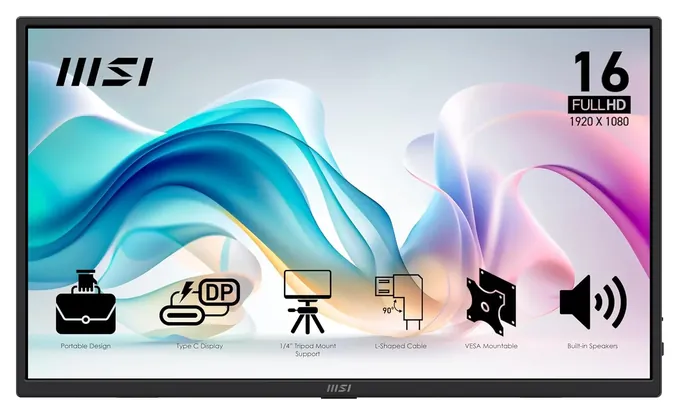
Eight portable monitors compared on brightness, sharpness, touch, dual screens and ports. The MSI Pro MP165 E6 is the best-value second screen for most laptops. When users buy our independently chosen editorial selections, we may earn commissions to help fund the Wiki.
A carry-along screen can run from one USB-C cable, but only if that port carries video, and some laptop ports, mostly on older or cheaper machines, don't. Look for a DisplayPort or Thunderbolt symbol first. These screens suit remote workers, students and travelers, plus gamers with a handheld or console who want a bigger picture than the built-in one.


Editor's Notes
October 23, 2026, by Ezvid Wiki Editors:
A cheap screen with lab-checked brightness took first place this time: the MSI Pro MP165 E6. It costs about what a nice keyboard does, and an independent lab found it brighter than its rating, which is rare among budget screens. None of the earlier picks made the cut. They dated from 2019 and 2020, and most, such as the EleDuino, G-Story and Lepow screens, aren't sold anymore. The Lenovo ThinkVision M14, Asus Zenscreen MB16AMT and Mobile Pixels Trio Max are still around, but newer screens are brighter, sharper or cheaper.
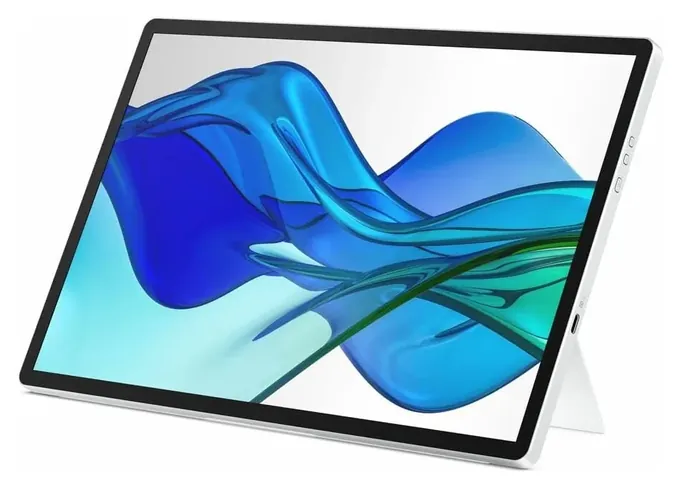
The new list adds a touchscreen with a pen, two dual-screen designs, a 17-inch gaming screen and the HP Series 5 Pro 514pn, whose mini-LED backlight gives the best picture here. PCMag's lab readings of brightness, color and input lag cover six of the eight picks, and we checked them against makers' spec sheets and warranty terms. Owner feedback ruled out several popular budget brands whose screens flicker, drop the signal or crack within weeks.
Earlier notes
September 15, 2020, by Daniel Imperiale:
A few of the models included on our previous ranking have been upgraded to offer 4K resolution in lieu of 1080p, which is a nice thing to have if you're going to be right on top of your screen, but viewing from any kind of distance would make that increase in resolution hard to notice. That's why the Lenovo ThinkVision M14 was able to not only make its way into our ranking, but to take one of the top spots, as a whole host of features — from a simplified and dedicated connection base to a Kensington lock slot for added security — elevate it above much of the competition.
A lot of what will inform a given user as to which model is right for them will come from their particular needs, as offerings like the Johnwill Mobile IPS boast 16:9 aspect ratios that are ideal for watching most contemporary films and TV shows, or models like the Lepow Gaming Z1-Silver deliver a protective cover with an integrated stand and a reliable portrait mode that's preferred by coders.
One of the most interesting designs comes in the form of the Mobile Pixels Trio Max, however, which employs a kind of housing that attaches to the back of your laptop screen and holds one or two monitors in place until you need them, at which point you can simply slide them out and plug them in. It's a really convenient design, and the housing mounts with the help of four adhesive magnets, but those magnets suffer from practical limits to their strength that are put in place to keep them from damaging your laptop's native display.
May 7, 2019, by Christopher Thomas:
Portable monitors can increase the amount of workspace you have or make it possible to use your high-end console when you're far from home. If you're intent on gaming, check out anything from G-Story. They offer a handful of fantastic monitors ranging from FHD to 4K, with HDR support, AMD FreeSync, and in one case an impressive 120-hertz refresh rate. They're not the cheapest, but they are excellent pieces of equipment, and happen to be among the most reliable. Johnwill also sells a range of excellent displays that are built with attractive metal bodies and, although it's a relatively new company, they appear to make great-quality equipment. Similarly, UPerfect gets high marks from PC as well as Raspberry Pi users as to the consistency and reliability of their portable monitors. GeChic seems to have gotten their act together and released a pretty well-refined model, as well, though it does cost more than similar options. If you're looking for a more well-know brand to buy from, Asus' ZenScreen is a good choice. Though it's not their very newest model, it actually appears to be more reliable than the 2018 model, however we are still waiting on the public release of the model they showcased at CES 2019. If you're interested in a USB capable touchscreen, UPerfect has one that works well, though the MageDok is the most popular and will likely serve you the best.
When making your decision, be certain that the device you'll be using it with supports the proper output protocol. If you're connecting it from an actual HDMI port located on your laptop or your dekstop's video card, and it's going straight into an HDMI port on the monitor, you should be okay. If you're transmitting from a micro USB, type C, or Lightning port, pay special attention to what kind of protocols your phone/tablet/laptop supports, as not all standards are the same: MHL, DisplayPort over USB-C, and USB-C Alt Mode aren't necessarily interchangeable.
Special Honors
Lenovo ThinkVision Portable Monitors Lenovo sells its ThinkVision portable monitors, including the M14t touchscreen model that PCMag has reviewed, from its own store. They're a good fit for people who already use a ThinkPad and want matching ports and support. lenovo.com
Espresso Displays Espresso Displays makes thin aluminum touchscreen displays with magnetic mounts, designed with Mac users in mind and sold mainly from its own store. They cost more than most screens on this list. espres.so
Check The Port Before You Pick A Screen
When the laptop can't supply enough power, cheap screens tend to flicker, dim or restart.
A one-cable setup depends on the laptop, not the monitor. The USB-C port has to carry video, which the standard calls DisplayPort Alt Mode, and it has to supply enough power to run the screen. Thunderbolt and USB4 ports do both. Many USB-C ports on older or budget laptops carry data and charging only, and a monitor plugged into one shows nothing. Look for a small DisplayPort or lightning-bolt symbol beside the port, or check the laptop's spec sheet.
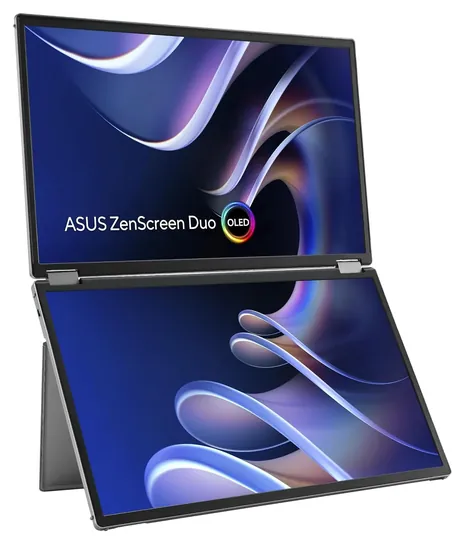
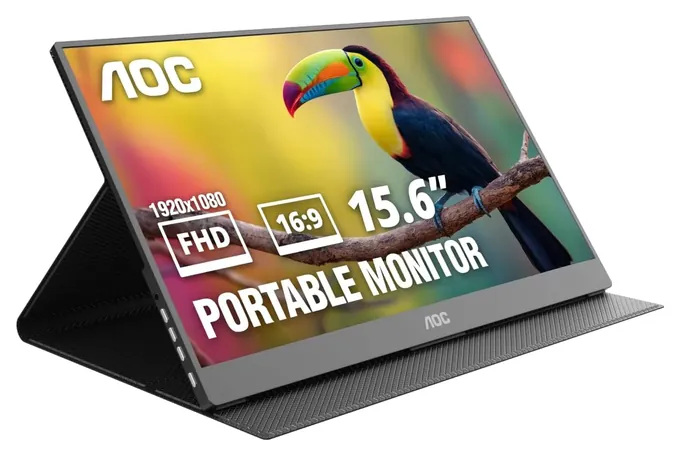
When the laptop can't supply enough power, cheap screens tend to flicker, dim or restart. The fix is to plug the monitor's second USB-C port into a wall charger. That's also the rule for phones, tablets and handheld game consoles, which can send video over USB-C on many models but rarely have power to spare. An HDMI port is the backup for laptops without video over USB-C and for game consoles. The MSI Pro MP165 E6 has a full-size HDMI port, the AOC 16T20 and Asus ZenScreen Duo OLED use mini HDMI, and the HP Series 5 Pro 514pn has no HDMI input at all.
On a Mac, MacBooks with a base M1 or M2 chip drive only one external display, so a dual-screen monitor or a second portable screen may not work as expected. Touch on a Mac also depends on the maker's software.
Brightness, Panels And Screen Shape
Rated brightness and real brightness often differ. PCMag has found that many portable screens measure well below their 250 to 300 nit ratings, which is fine indoors but dim near a window. Screens with mini-LED backlights or OLED panels, like the HP Series 5 Pro 514pn and Asus ZenScreen Duo OLED, are the brightest and show the deepest blacks.
Panel type sets contrast. A standard IPS panel manages roughly 1,000 to 1 between its brightest white and darkest black, a high-contrast IPS panel about twice that, and OLED far more because each pixel switches off. Older budget panels covered only about two-thirds of the standard web color range, so reds and greens looked washed out. Newer budget screens do better, but a wide color range still costs more.
Match the screen's shape to your laptop. Many newer laptops use a taller 16:10 screen, and a 16:10 monitor lines up with it neatly. At 15.6 inches, 1080p resolution is sharp enough for documents; a 16-inch 2560 x 1600 screen fits more text and looks crisper, and it needs a laptop that can drive it.
Stands, Touch, Two Screens And Gaming
Stands come in two styles. A magnetic cover that folds into a wedge protects the screen in a bag but sets only a few angles and can slide on smooth tables. A built-in kickstand or hinged leg holds firmer and often allows portrait use, which suits long documents and code. Windows can rotate the picture in display settings, and some screens rotate it automatically. A quarter-inch tripod socket, as on the MSI, adds a third option.
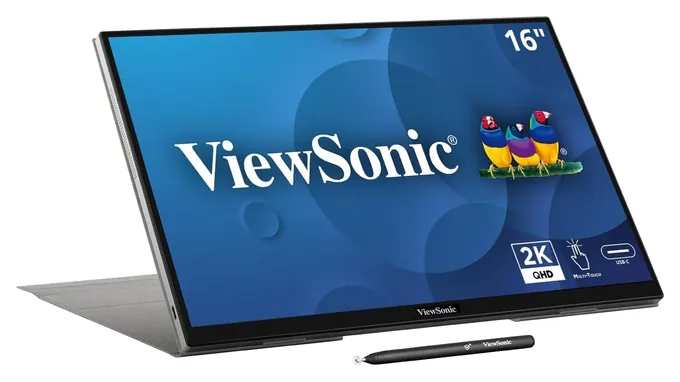
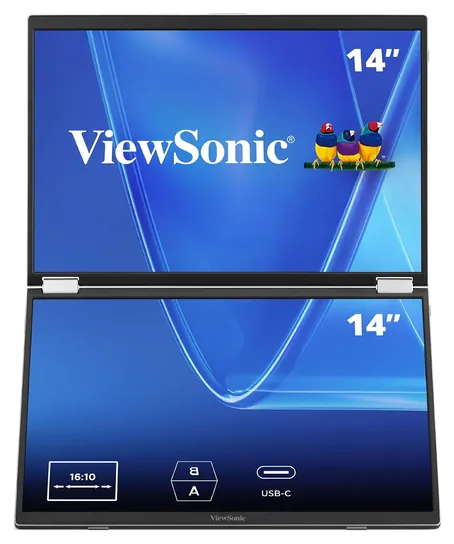
Touchscreens like the ViewSonic TD1656-2K suit drawing, note-taking and presentations, and they cost more. Dual-screen models stack two panels in one case: the ViewSonic VG1457 is the practical choice for office work, and the Asus ZenScreen Duo OLED is the premium one for creative work. Both need a laptop that can drive two extra displays.
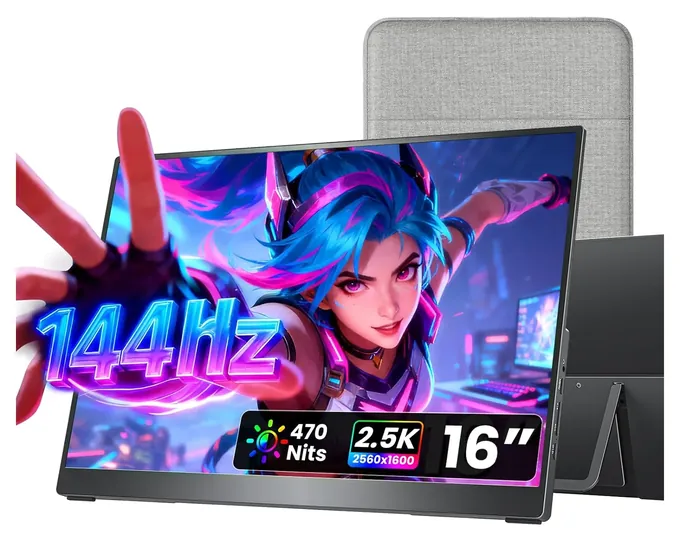
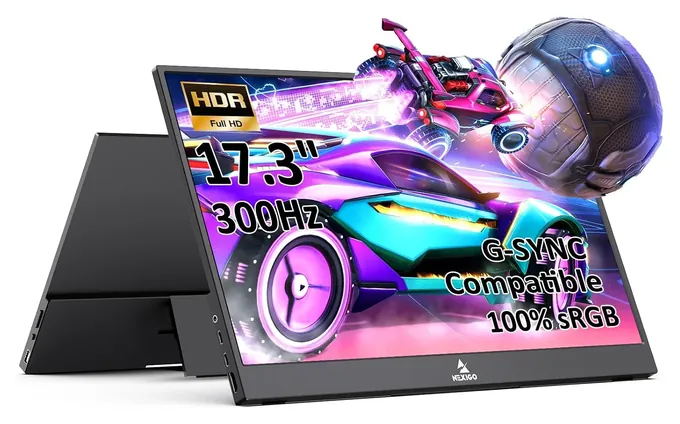
For games, refresh rate matters most. A standard screen refreshes 60 times a second; the NexiGo NG17FGQ-S runs up to 300 over USB-C and 240 over HDMI, and the Cocopar Y16QLH runs up to 144. Consoles like the PlayStation 5 and Switch output 60 or 120, so very high rates mostly help PC gamers. Warranties also vary widely, from one year on some budget brands to three years from Asus, AOC, HP and ViewSonic.
How we researched this
We compared 24 portable monitors, read the makers' spec sheets and warranty terms for the 10 finalists, drew on PCMag's lab measurements for six of the eight picks, analyzed owner feedback for reliability patterns, and checked each brand against U.S. Consumer Product Safety Commission recall records. Updated October 23, 2026 by Ezvid Wiki Editors.
Frequently asked questions
Will a portable monitor work with my laptop over one cable?
Only if the laptop's USB-C port carries video (DisplayPort Alt Mode, Thunderbolt or USB4) and supplies enough power. If the screen stays dark, use HDMI; if it flickers, plug the monitor into a wall charger.
Does a portable monitor need its own power?
Most draw power from the laptop over USB-C. Connected over HDMI, or to a phone or weak port, they need a wall charger plugged into their second USB-C port.
Can I use a portable monitor with my phone?
Yes, if the phone sends video over USB-C, as many recent Android phones and USB-C iPhones do. Plug the monitor into wall power too, since phones can't run a screen for long.
Do portable monitors work with a Mac?
Yes, over USB-C or HDMI. MacBooks with a base M1 or M2 chip support only one external display, and touch input on a Mac needs the maker's own software, where offered.
Can I play a PlayStation, Xbox or Switch on a portable monitor?
Yes, through HDMI, with the monitor on its own power supply. Consoles top out at 60 or 120 frames a second, so a very high refresh rate mainly helps PC games.
What is the biggest portable monitor?
Most top out around 17 inches, like the NexiGo NG17FGQ-S. Larger screens exist but stop being easy to carry in a laptop bag.