The 10 Best Postnatal Vitamins
Updated by · How we research

Nine postnatal multis and an omega-3 add-on compared on iodine, choline, iron, DHA and pill count. New Chapter Perfect Postnatal leads for balanced coverage. When users buy our independently chosen editorial selections, we may earn commissions to help fund the Wiki.
Nursing raises a mother's daily iodine and choline needs above pregnancy levels, and choline is the nutrient most postnatal pills shortchange, so food still does much of the work. These picks suit breastfeeding mothers, and those who aren't nursing, who want one daily supplement to cover the gaps. A doctor or midwife should weigh in, especially on iron and vitamin D.
At a Glance
-
1
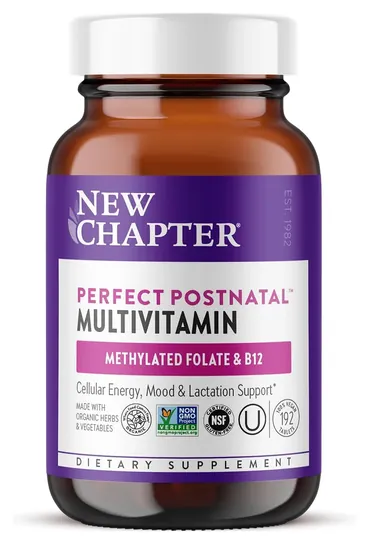
 New Chapter Perfect Postnatal
$54
-
2
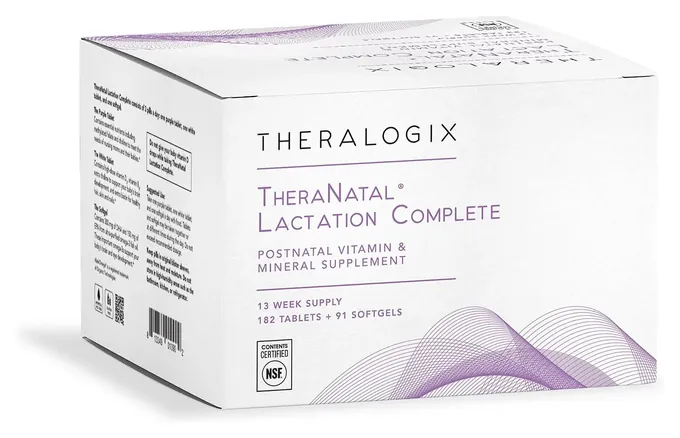
 Theralogix TheraNatal Lactation Complete
$88
-
3
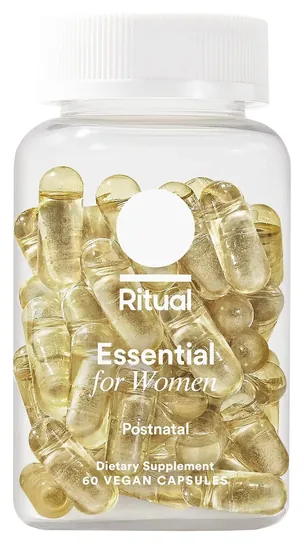
 Ritual Essential Postnatal
$42
-
4
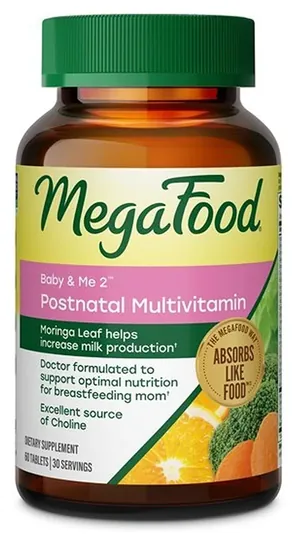
 MegaFood Baby & Me 2
$29
-
5
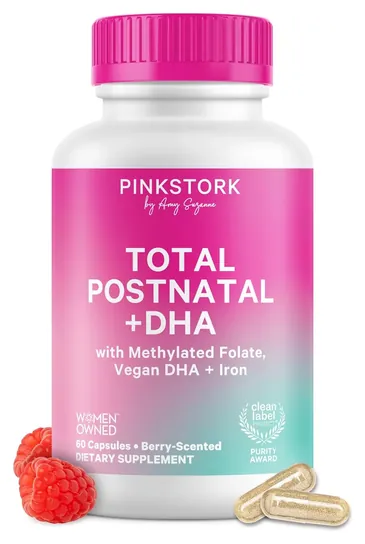
 Pink Stork Total Postnatal
$35
-
6
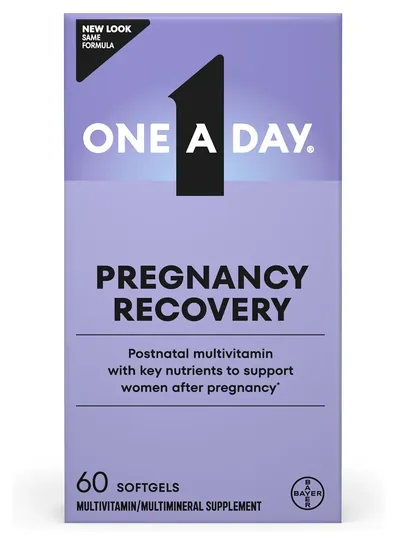
 One A Day Pregnancy Recovery
$29
-
7
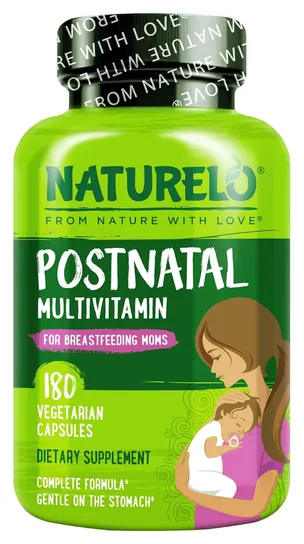
 Naturelo Postnatal Multivitamin
$39
-
8
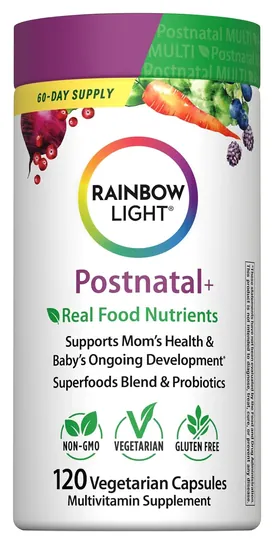
 Rainbow Light Postnatal+
$39
-
9
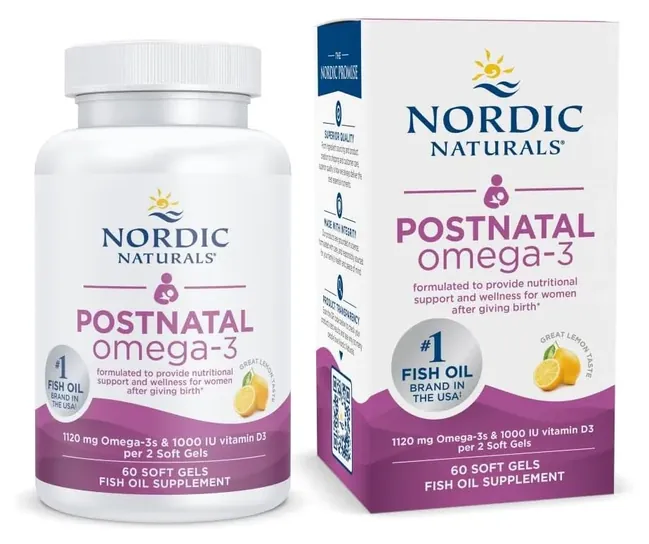
 Nordic Naturals Postnatal Omega-3
$31
-
10
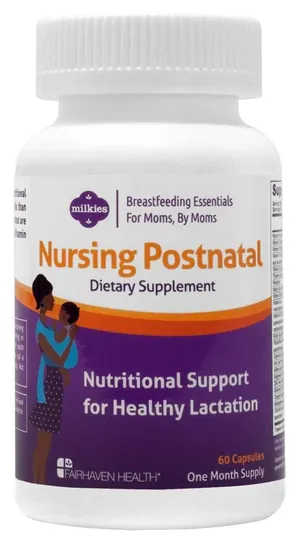
 Milkies Nursing Postnatal
$19
Editor's Notes
October 23, 2026, by Ezvid Wiki Admin:
New Chapter Perfect Postnatal keeps the top spot, now sold under that name, because it covers iron, iodine and active folate in a gentle tablet at a fair daily cost. Close behind is Theralogix TheraNatal Lactation Complete, the one pick whose contents an outside lab certifies, held back only by a vitamin D dose that's a doctor's call.
We read each supplement-facts panel line by line against the CDC's nursing targets for iodine and choline, and that changed the list. Actif Organic is out for its thin doses, and New Chapter Prenatal DHA is a pregnancy formula. Pure Co Pure Mom, The Honest Company Lactation Plus, Mother's Select Plus and Pure Essence Mother And Child no longer turn up for sale. MegaFood Baby & Me 2 stays in its new formula, Milkies Nursing stays as the budget pick, and the Nordic Naturals pick is now its Postnatal Omega-3.
The additions answer common requests: a vegan option with DHA in Ritual Essential Postnatal, a one-softgel choice in One A Day Pregnancy Recovery, a high-iron pick, and formulas with herbs or probiotics. No vitamin treats postpartum depression, so the old guide on that topic now points to real help.
November 20, 2020:
Depending on the one you choose, postnatal vitamins can help with mood regulation, milk production, increasing energy, boosting the immune system, and more. And, since it is just as vital to be healthy after giving birth as before, you should put just as much care into selecting the right postpartum vitamin as you do a prenatal one, perhaps doubly so if you plan on breast feeding. As with any kind of supplement though, it is important you check with your doctor before taking them.
Those who aren't taking a separate multivitamin should consider an option that contains a good variety of ingredients to support your mental and physical health, such as New Chapter Perfect Whole Food, MegaFood Baby & Me 2, Actif Organic, Mother's Select Plus, Milkies Nursing, and Pure Essence Mother And Child. All of these contains most of the vitamins the body needs, such as vitamin A, C, D, and E, as well as a range of other beneficial supplements. For example, New Chapter Perfect Whole Food contains superfoods like turmeric and red marine algae, and both MegaFood Baby & Me 2 and Mother's Select Plus are made with niacin to help increase milk production. Actif Organic can also increase lactation and it has the added benefit of choline, which can aid in infant memory and brain development. Despite the name, Milkies Nursing isn't intended to boost milk production, but rather, it should improve the nutritional content of your milk.
If you already have a multivitamin that is well tolerated by your body, it can often be best to simply choose a postnatal supplement to target certain needs. For example, you could take Pure Co Pure Mom Breastfeeding Supplement or The Honest Company Lactation Plus to help boost lactation, The former contains just three herbal ingredients, and the latter five. Another option is to take New Chapter Prenatal DHA or Nordic Naturals Omega-3 to provide your body with more DHA and omegas. Both should offer mood support too, helping to combat or even prevent postpartum depression.
Once you have decided on the right postnatal vitamin for you, it is time to start looking at some fun stuff to buy for your new child, like cute onesies and baby sunglasses, or other things that can help support your body after giving birth, such as postpartum belly bands and nursing bras.
May 22, 2019:
Postnatal vitamins are just as important as prenatal ones, for both the health of the mother and baby. In addition to replenishing your body with much needed nutrients, most are designed to either increase the amount of nutrients in your breast milk, increase the amount of milk you produce, or both. While most health specialists generally agree that nursing is beneficial for babies, not every mom wants to do this. If you are part of this group, then you'll want to steer clear of vitamins that are designed to increase lactation, while still ensuring you choose one that contains the necessary vitamins, minerals, and/or supplements to support your mental and physical health. MegaFood Baby & Me, Nordic Naturals Optimal, and New Chapter Prenatal DHA are such options. Nordic Naturals Optimal simply contain omega-3s, and New Chapter Prenatal DHA contains a combination of omegas, plus naturally occurring vitamin D3 and astaxanthin. Omegas are very important before and after giving birth as they have been shown to help reduce post-partum depression. Both of these options are best used as supplements along with multivitamins and can be taken all through the pregnancy, as well, to aid in a baby's fetal brain, eye, immune, and nervous system development. MegaFood Baby & Me already contains most of vitamins a new mother needs to improve her mood and energy levels, and if you won't be breastfeeding, then its lack of DHA shouldn't be a concern. New Chapter Perfect, Pure Co Pure Mom Breastfeeding Supplement, Actif Organic, Mother's Select Plus, Promise Stage Three + DHA, Milkies Nursing, and Pure Essence Mother And Child should all help increase both milk production and the amount of nutrients in it. For those with sensitivities, we recommend New Chapter Perfect, Promise Stage Three + DHA, Actif Organic, all of which are gluten free.
Special Honors
Postpartum Support International Postpartum Support International is a nonprofit that connects new parents with trained volunteers, free online support groups and a directory of providers who treat postpartum depression and anxiety. Its helpline answers calls and texts in English and Spanish. It's the place to start when the problem is mood rather than nutrition. postpartum.net
The Nutrients That Matter While Nursing
If you rarely eat fish, pick a multi with DHA or add an omega-3 softgel.
The CDC sets a breastfeeding mother's iodine target at 290 micrograms a day and choline at 550 milligrams, both higher than in pregnancy. Iodine is easy to find in a multivitamin. Choline is not: most postnatal pills carry somewhere between none and a quarter of the target, so eggs, meat, fish and soy have to carry the rest. Read the supplement-facts panel, not the front of the box.
Vitamin D works a little differently. The CDC says breast milk alone doesn't give a baby enough, so breastfed babies should get 400 IU of vitamin D drops a day starting in the first few days of life (CDC). A few formulas pack a high maternal dose meant to cover the baby through the milk instead; the CDC says to weigh that choice with a health care provider, so don't skip the baby's drops on your own.
Two more gaps are worth a look. Mothers who eat no animal foods can make milk that's very low in vitamin B12, which can harm a baby's nervous system, so a vegan mother needs B12 from a supplement (CDC). And DHA, an omega-3 fat that passes into breast milk, comes mostly from seafood; the FDA's fish advice lists the low-mercury choices. If you rarely eat fish, pick a multi with DHA or add an omega-3 softgel.
Iron, Herbs And The Extras On The Label
Iron needs usually drop after birth, because periods often stay away while you breastfeed. The exceptions are mothers who lost a lot of blood or were anemic, and they should follow their doctor's dose. More iron means more constipation for many people. Chelated or bisglycinate iron tends to be gentler, and taking iron with food helps. Every iron-containing supplement carries a warning that an accidental overdose is a leading cause of fatal poisoning in children under 6, so keep the bottle closed and out of reach.
Many postnatal formulas add herbs sold to raise milk supply: fenugreek, blessed thistle, fennel and moringa. Treat them as a bonus, not a reason to buy. The National Center for Complementary and Integrative Health says studies of fenugreek for milk supply have mixed results, and it can cause digestive upset and lower blood sugar. If you take diabetes medicine or have a low supply, talk to a lactation consultant before relying on herbs.
Watch the extras, too. Biotin, common in hair and nail claims, can throw off some lab tests, including thyroid and heart tests, so mention it before blood work. Probiotics, fruit powders and collagen add cost but no proven benefit for nursing.
Prenatal Or Postnatal, Seals And Safety
You don't need a special postnatal pill. Many doctors simply tell mothers to keep taking their prenatal, and a Dietary Guidelines advisory report found that more than half of breastfeeding women who took supplements kept using prenatals. A postnatal formula mostly trims iron and adds DHA, choline or herbs. The CDC's answer to whether a nursing mother needs a multivitamin is a cautious maybe: diet alone may fall short, and the choice belongs to you and your provider.
Supplements aren't approved by the FDA before they're sold, and labels can't promise to treat or prevent anything. The only independent check is a third-party seal. NSF and USP certify that a supplement contains what its label says and isn't contaminated; many makers say they test in-house, which isn't the same thing.
Finally, a vitamin won't fix low mood. If sadness, anxiety or intrusive thoughts last more than two weeks after birth, call your doctor or Postpartum Support International, which runs a free helpline in English and Spanish.
How we researched this
We compared 14 postnatal supplements, read the supplement-facts panels of the 10 picks against the CDC's breastfeeding targets for iodine, choline, vitamin D and B12, checked makers' pages and certification claims, screened owner feedback for recurring problems, and checked every brand against U.S. Consumer Product Safety Commission recall records. We found no independent lab comparison of postnatal vitamins. Nothing here is medical advice; ask your doctor or midwife before starting a supplement.
Sources (10)
- CDC: Maternal diet and breastfeeding
- CDC: Vitamin D and breastfeeding
- NCCIH: Fenugreek
- FDA: Advice about eating fish
- Dietary Guidelines Advisory Committee: Lactation chapter
- New Chapter: Perfect Postnatal Multivitamin
- Ritual: Essential Postnatal Multivitamin
- MegaFood: Baby & Me 2 Postnatal Multi
- Naturelo: Postnatal Multivitamin
- Postpartum Support International
Frequently asked questions
Do I need a postnatal vitamin?
Not always. The CDC says diet alone may not cover a breastfeeding mother's needs, so a supplement can help, but the choice is yours and your provider's. Iodine, choline, vitamin D and, for vegans, B12 are the usual gaps.
Can I keep taking my prenatal vitamin after birth?
Usually, yes. Many doctors suggest it, and it covers most of the same nutrients. Prenatals often carry more iron than you need after birth, so ask whether a lower-iron formula makes sense.
What's the best postnatal vitamin if I'm not breastfeeding?
Any balanced multi with moderate iron works; you don't need the herbs or extra iodine sold for nursing. New Chapter Perfect Postnatal or One A Day Pregnancy Recovery fit, and many women simply return to a regular women's multi.
When and how long should I take a postnatal vitamin?
Take it with a meal if pills upset your stomach. Most makers suggest continuing for as long as you breastfeed or pump; Ritual names six months after birth as a minimum.
Do postnatal vitamins increase milk supply?
There's no good proof. Herbs like fenugreek and moringa are sold for it, but studies are mixed. Frequent feeding or pumping matters far more, and a lactation consultant can help.
Can vitamins help with postpartum depression?
No supplement treats it. If low mood or anxiety lasts more than two weeks, call your doctor or Postpartum Support International.