The 8 Best Pregnancy Support Bands
Updated by · How we research

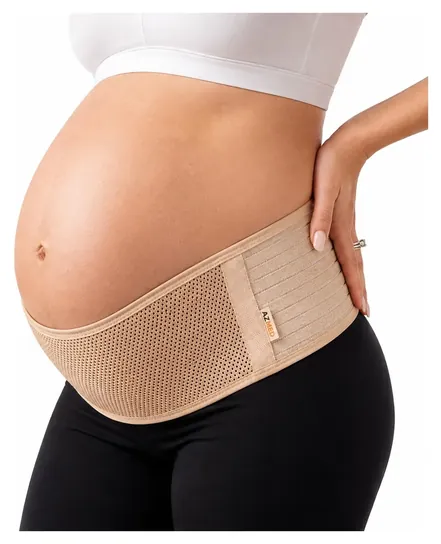
Belly belts, hip belts and soft bands for back and pelvic pain in pregnancy, compared by fit and support type. The AZMED Maternity Belt is our top pick. When users buy our independently chosen editorial choices, we may earn commissions to help fund the Wiki.
Studies of pregnancy belts are small and mixed, so think of one as a comfort aid for the heavy months, not a cure. The bigger choice is where the pain sits: an ache across the lower back, a sharp pain at the back of the pelvis and pressure at the pubic bone each call for a different design. Ask your care provider first.


Editor's Notes
November 1, 2026, by Ezvid Wiki Admin:
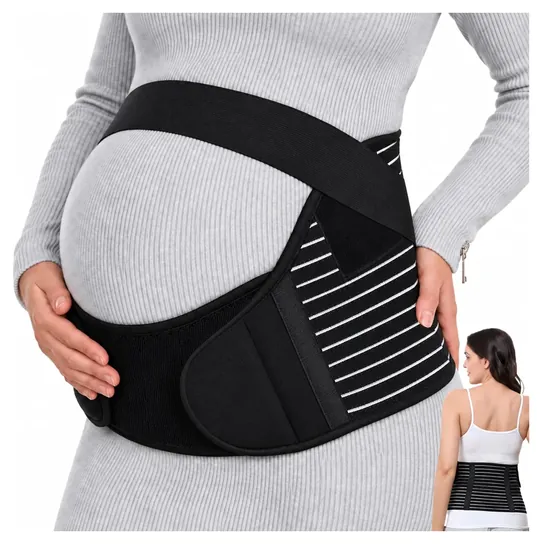
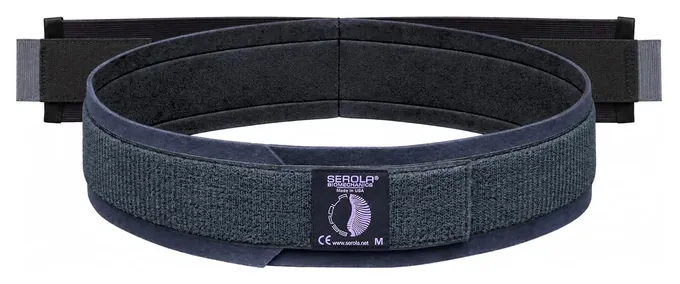
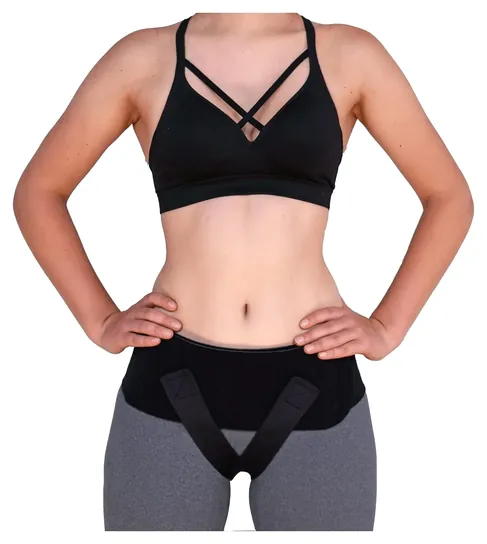
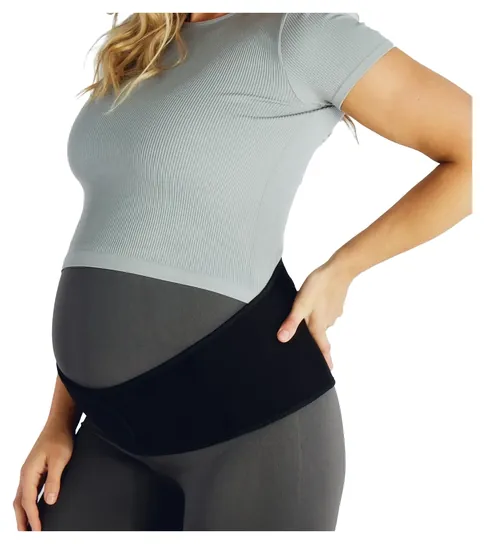
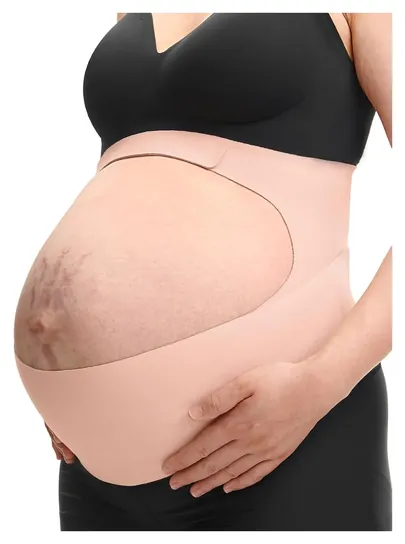
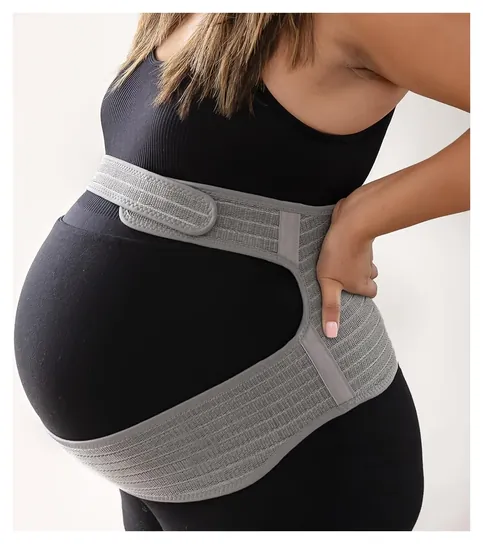
The AZMED Maternity Belt now leads. It's light, simple and inexpensive, which makes it the sensible first try when a growing bump starts pulling on your back. We sorted the rest by where the pain sits: the NeoTech Care Belly Band for the lower back, the Serola Sacroiliac Belt for the back of the pelvis and the Cabea Babybellyband for pressure at the pubic bone.
We couldn't find the DonnaElite Secure, Belevation Pettipant or M Like Mama belts for sale anywhere, so they're out, as is the Bracoo, whose link now points to a different belt. New here are the Momcozy Ergonest and the haakaa Belly Band, two softer designs that hide under clothes.
Nobody has run lab tests on maternity belts, and the clinical trials are small, so we leaned on obstetricians' guidance on back pain, two research reviews of support garments and a chiropractor's fitting advice, and we looked up each brand in the federal recall database. A belt can make the last months easier, but new or sharp pain is a call to your care provider, not a reason to tighten the straps.
July 02, 2020:
Having the proper support throughout your pregnancy is paramount to keeping yourself comfortable and mobile, and pregnancy bands can help with everything from joint and lower back pain and improving posture and muscle strength to relieving soreness and minimizing pain from hernias, sciatica, and other issues. Many of the selections on our list also double as postpartum belly bands, helping to reposition organs and hold everything together in those weeks after birth.
Be aware, though, that using a belly band can create an overdependence if worn for too long. And if you have compromised circulation or abnormal blood pressure your doctor may advise against wearing one of these, so be sure to ask your physician before buying one.
Today we said goodbye to the DivaDio Relief, Gabrialla Medium Strength, and Babo Care. The first became unavailable, and we felt the latter two were inferior to the new models we wanted to bring on, like the Serola Belt. This unit is made for both men and women and uses a patented design to compress and support sacroiliac joints, making it a boon for pregnant women as well as anyone experience soreness and pain in that targeted area. We also decided to swap the old Cabea model for the Cabea Baby Belly, a version that comes with additional straps to provide compression therapy to the groin.
When updating this list, we noticed there weren't a ton of selections that offered complete coverage or provided a light lift without straps and hook and loop closures, and so we added the Ingrid & Isabel Bellaband, Belevation Pettipant, and M Like Mama Maternity to balance things out. The Pettipant acts as shapewear to help smooth your silhouette beneath dresses and skirts while providing support, while the M Like Mama and Bellaband each allow you to wear your jeans longer than usual before turning to maternity pants while simultaneously adding compression and support to your belly and lower back.
Special Honors
The Baby Belly Pelvic Support Designed by physiotherapist Diane Lee, who teaches pelvic health, this belt uses adjustable elastic side straps so the support can be moved to the spot that needs it, whether that's the lower back, the pubic bone or the tailbone. It's sold through the maker's site and clinic distributors rather than big retailers, so it's worth asking a pelvic health physical therapist about a fitting. babybellypelvicsupport.com
Match The Belt To Where It Hurts
Belts with straps that run between the legs, like the Cabea, push up from below.
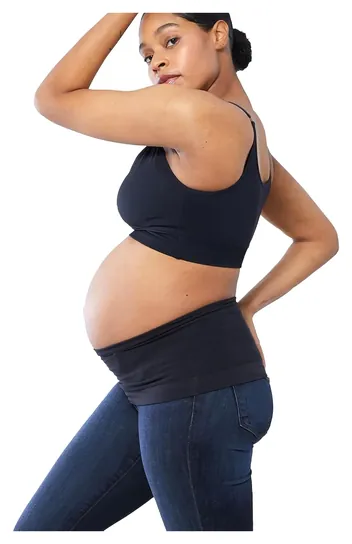
Most belts on sale are belly belts: a wide band that slips under the bump and wraps around the lower back, sometimes with a second strap over the top. They take some of the bump's weight off the lower back, which is where most pregnancy aches start. The American College of Obstetricians and Gynecologists lists an abdominal support garment among the simple things to try for back pain, along with low-heeled shoes and back exercises.
Pain at the back of the pelvis is different. Pregnancy hormones loosen the sacroiliac joints, and the pain is often sharp and on one side, worse when you climb stairs or roll over in bed. A sacroiliac belt such as the Serola sits low across the hips, below the bump, and squeezes the pelvis together rather than lifting the belly. A chiropractic clinic's fitting guide explains the difference in placement: the hip belt sits across the top of the tailbone, while a belly band sits just under the bump with a slight scoop.
Pressure at the pubic bone, or swollen veins in the groin, is the third pattern. Belts with straps that run between the legs, like the Cabea, push up from below. If your discomfort is mild, or you mostly need your old jeans to stay up, a soft knit band or a pants extender is enough.
What A Belt Can And Can't Do
The research on belts is thin. A 2019 systematic review of maternity support garments found that most trials used belts alongside other care, such as exercise, so it's hard to tell how much the belt itself did. An earlier review from Hong Kong Polytechnic University concluded there wasn't enough evidence to say belts reduce pregnancy back or pelvic pain. Expect modest relief at best, and treat the belt as one tool among several.
Healthline's overview adds sensible limits: wear a belt for two or three hours at a time, because leaning on it all day can let the core muscles slack off, and don't cinch it tight, since too much squeeze can affect circulation and make heartburn worse. Pair it with the deep core and hip exercises a physical therapist can show you.
A belt is never the answer to warning signs. ACOG says to call your ob-gyn if back pain comes with fever, burning when you urinate or vaginal bleeding, and back pain itself can be a sign of preterm labor.
Sizing And Wearing It Right
Sizing differs by type, so read each maker's chart. Belly belts usually go by belly measurement at the navel or by your pre-pregnancy pants size, and some, like the AZMED, come in one adjustable size. The Serola goes by hip measurement, and Belly Bandit publishes its own measuring guide for the Upsie. Between sizes, pick the larger one if you're early on, since the bump has room to grow.
Put the belt on standing up, and set the straps fresh each time rather than leaving them fastened. A belly band should sit under the bump and lift it, not press on top of it. Loosen it or take it off when you sit for long stretches. A thin cotton layer under the belt cuts skin rubbing, and most of these can go in a laundry bag on a gentle cycle; check the care tag first.
Several of these belts are also sold for use after the birth, including the Serola, AZMED and Cabea. A postpartum binder is a separate kind of garment, though, built to compress the belly rather than lift it.
How we researched this
We compared 16 pregnancy belts and bands, read the makers' sizing charts and fit instructions, the American College of Obstetricians and Gynecologists' advice on back pain, two research reviews of maternity support garments and a chiropractic fitting guide, looked at long-term owner feedback, and checked every brand for recalls with the U.S. Consumer Product Safety Commission.
Sources (13)
- ACOG: Back pain during pregnancy
- Systematic review of maternity support garments (2019)
- Hong Kong Polytechnic University: maternity support belts review
- Healthline: belly band benefits
- Wellspine Family Chiropractic: how to wear pregnancy belts
- Serola Biomechanics
- Babybellyband by Cabea
- Belly Bandit
- NeoTech Care
- Momcozy
- haakaa
- Ingrid & Isabel
- U.S. Consumer Product Safety Commission recalls
Frequently asked questions
When should I start wearing a pregnancy support band?
Most people find one useful in the second and third trimesters, when the bump's weight starts to pull on the back and pelvis. A soft band or pants extender can help earlier, mostly for comfort and clothes.
Are pregnancy support belts worth it?
They can bring modest relief, but research reviews find the evidence weak. A belt works best alongside exercise and, for ongoing pain, a physical therapist's advice.
How long can I wear a belly band each day?
Health guidance suggests two to three hours at a time, so your core muscles keep working. Take it off when you sit for long periods and never wear it tight.
Can I sleep in a maternity belt?
These belts are made for standing and walking. Take it off to rest or sleep, and use a pregnancy pillow for support in bed instead.
What's the difference between a belly band and a sacroiliac belt?
A belly band sits under the bump and lifts it, easing lower back strain. A sacroiliac belt sits low on the hips and steadies the pelvic joints, which helps with sharp pain at the back of the pelvis.
Can I use a pregnancy belt after giving birth?
Some, including the Serola, AZMED and Cabea, are also sold for postpartum use. Check with your care provider first, especially after a cesarean birth.