The 10 Best Putty Knives
Updated by · How we research

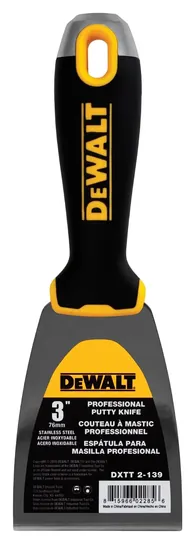
Flexible, stiff, wide and plastic putty knives, plus sets and a 6-in-1, compared on steel, build and warranty. The DeWalt DXTT-2-139 leads for patching. When users buy our independently chosen editorial recommendations, we may earn commissions to help fund the Wiki.
Most putty knife trouble comes from asking one blade to do two jobs. A thin, flexible blade spreads and feathers filler, a stiff one scrapes and pries, and neither does the other well. This list is for homeowners patching walls, prepping trim for paint or reglazing a window, and for painters who want a spare in a back pocket.


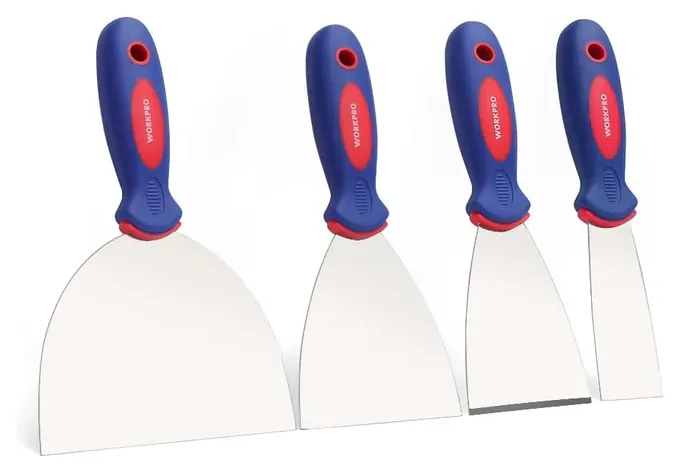
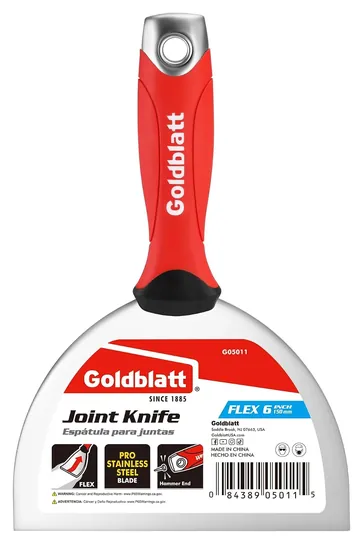
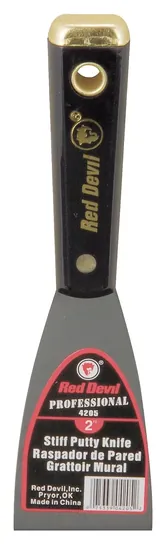
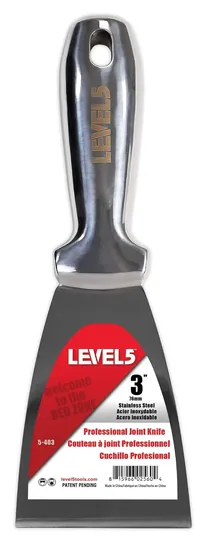
Editor's Notes
October 27, 2026, by Ezvid Wiki Admin:
The DeWalt DXTT-2-139 now leads, because a stainless, hollow-ground three-inch blade handles both filling and light scraping, and DeWalt puts a lifetime limited warranty behind it. Five of the earlier picks have disappeared from sale: the Tarvol, Qualihome, Stanley, Nisaku and older Goldblatt knives. We also let the Titan set, Habco and two older Hyde models go.
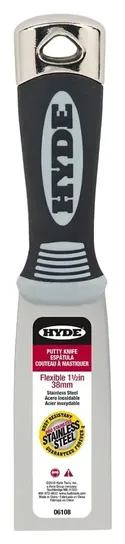
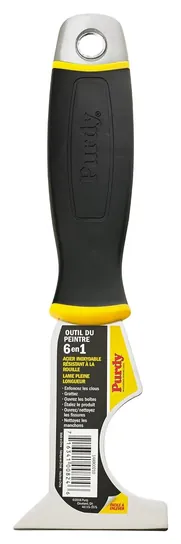
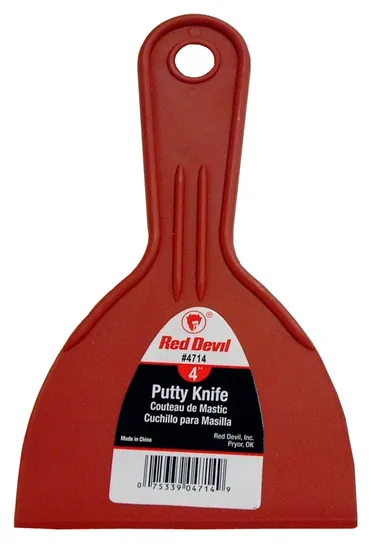
The Red Devil 4714 stays, since a plastic knife is still the right call on tile and tubs. The new picks are arranged by job: the Red Devil 4205 for scraping, the Goldblatt G05011 for wide patches, the Hyde 06108 for nail holes, the Level5 5-403 for drywall work, and the Purdy 14A900210 for painters.
The deciding evidence was owner feedback on rust and flex, which split cleanly between stainless and bare carbon steel, plus the makers' grind and warranty details and one independent test that favored a stiff blade for scraping.
July 31, 2019:
There are two main uses for putty knives: applying and removing putty. This fact is important, as it can help you choose the right tool for your needs. If you're primarily going to be filling in holes, a narrow, flexible blade will make a good choice, as it allows for more precision. If you're going to be scraping with your knife, go for a wide blade that does not bend and can stand up well to the pressure of constant pushing. We've made sure to include products that fall in both categories, so no matter what project you're working on, you'll be able to find a suitable knife here.
The Tekton 69271 was taken off the list due to availability concerns, while the Tarvol 1040016 has been added because of its quality construction, comfortable grip, and popularity among amateurs and professionals alike.
Flexible Or Stiff: Pick The Blade For The Job
A thin, flexible blade presses filler into holes and cracks and then feathers the edge so the patch disappears.
A putty knife does two opposite jobs, and the blade decides which one it does well. A thin, flexible blade presses filler into holes and cracks and then feathers the edge so the patch disappears. A stiff blade slides under loose paint, dried putty and old caulk without bending back. Hardware trade magazine Hardware Retailing puts it simply: scrapers are too stiff for spreading, and flexible putty knives are too soft for scraping.
That's why many people end up with two knives, or a set with both kinds. If you buy only one, a hollow-ground stainless blade in the middle widths is a fair compromise, firm near the handle and softer at the tip. When Bob Vila ran five putty knives through spackling and paint-scraping jobs, the winner had a stiffer blade and a thick handle, which helped it scrape well while still spreading a smooth layer over small holes.
Plastic knives are a third type. They won't scratch tile, tubs or finished floors, so they suit caulk and adhesive work, but they bend too much for real scraping.
Width, Steel And Handles
Width follows the size of the repair. A blade around an inch and a half reaches nail holes and the gaps along trim. Three to four inches handles most patches and general scraping. Six inches is the usual choice for skimming and feathering drywall patches, as the trade site JourneymanHQ notes; much wider than that and you're into taping knives, a separate tool for finishing seams.
Stainless steel resists rust, which matters because joint compound and water-based fillers are wet. Bare carbon steel costs less and holds a sharp edge, but it rusts if you put it away damp. Even polished stainless can spot if it sits dirty, so rinse every knife and dry it before storing it.
Look at how the blade meets the handle. A full tang, where the steel runs through the grip, or a one-piece welded knife stands up better to prying than a blade glued into plastic. Soft grips are easier on the hand during long jobs, while all-metal handles clean up fastest. A metal cap on the end lets you tap popped nails back in.
Old Paint, Lead And Safe Scraping
If your home was built before 1978, test old paint before you scrape or sand it, because it may contain lead. Under the EPA's Renovation, Repair and Painting rule, contractors, landlords and other paid workers who disturb paint in older homes or child-care spaces must be certified and follow lead-safe practices. Homeowners working on their own homes are generally not covered by the rule, but the EPA still urges the same care.
Scraping is also where most putty knife cuts happen. Push the blade away from your body, keep your free hand out of its path, and wear safety glasses when prying or chipping hard material.
We checked each brand on this list against the U.S. Consumer Product Safety Commission's recall records and found no putty knife recalls. Purdy did recall a small four-edge scraper back in 2009, a different tool from the one listed here.
How we researched this
We compared 24 putty knives and sets, read the makers' specifications and warranty terms for the 10 finalists, analyzed owner feedback for patterns such as rust and blade flex, reviewed the one independent putty knife test we found, and checked each brand against U.S. Consumer Product Safety Commission recall records. Updated October 27, 2026 by Ezvid Wiki Admin.
Frequently asked questions
What is the difference between a putty knife and a taping knife?
They're close cousins. Putty knives are usually up to about six inches wide and handle filling, spreading and scraping. Taping knives are wider and thinner, made for smoothing joint compound over long drywall seams.
Should I get a flexible or a stiff putty knife?
Get a flexible blade for spreading spackle, wood filler and joint compound, and a stiff one for scraping paint, caulk and dried putty. If you can own only one, a hollow-ground stainless knife around three inches wide does a fair job at both.
Is stainless steel better than carbon steel for a putty knife?
For most people, yes. Stainless resists rust from wet fillers and washing. Carbon steel is cheaper and holds a sharp edge, but it needs to be wiped dry after every use.
When should I use a plastic putty knife?
Use plastic on surfaces you don't want to scratch, like tile, tubs, finished floors and cars, and for spreading caulk or adhesive. It's too soft for scraping hard paint or dried filler.
Can I scrape old paint with a putty knife?
Yes, but test it first if the house was built before 1978, because the paint may contain lead. If it does, follow the EPA's lead-safe practices or hire a certified firm.