The 10 Best Sledgehammers
Updated by · How we research

Weight decides most of it: ten sledgehammers from 3 to 16 pounds compared on handle, head and shock. The Fiskars Pro IsoCore 10 lb leads. When users buy our independently chosen editorial selections, we may earn commissions to help fund the Wiki.
For most home demolition, an 8- to 10-pound head is the sweet spot: heavy enough to crack concrete and knock out a wall, light enough to aim for an afternoon. Heavier ones tire you fast and miss more. This list is for homeowners and builders who break up tile, block and old walls or drive stakes and posts.
At a Glance


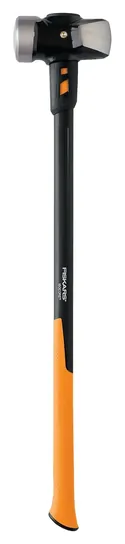
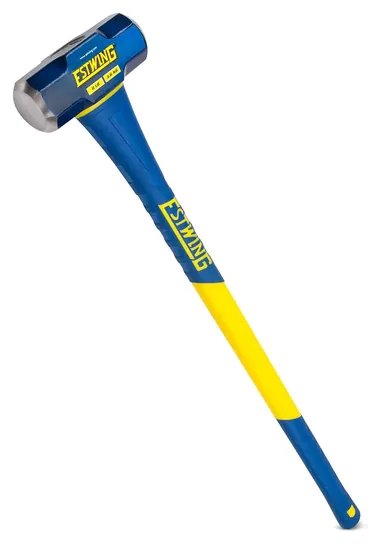
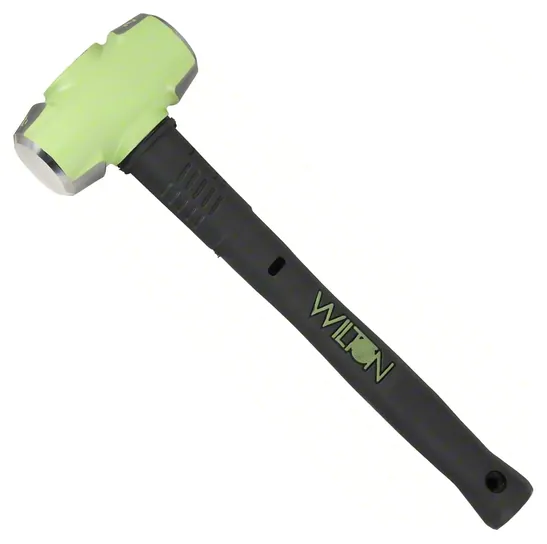
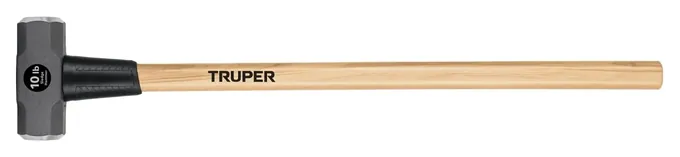
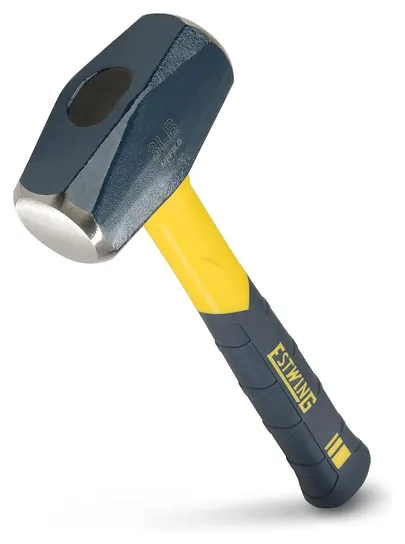
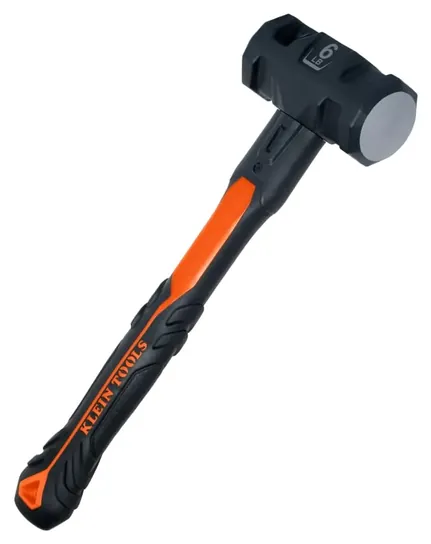
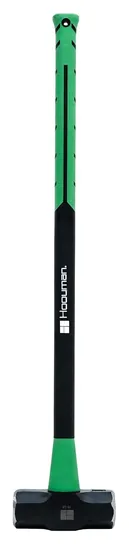
Editor's Notes
November 1, 2026, by Ezvid Wiki Admin:
The Fiskars Pro IsoCore 10 lb now leads, because its wedge face breaks and its flat face drives, and it showed up well in two separate sledgehammer roundups. All nine earlier picks are gone. The Stanley FMHT56019 Fatmax went first: Stanley's fiberglass sledges were recalled in 2023 because heads can come loose. The Ames Companies Jackson 1199900 is unavailable, and the Groz 34520, Wilton 20412, Graintex SH1612, Collins MD-4FD-C, Neiko 02867A, Ludell 11306 and Performance Tool 1935 gave way to newer, better-documented models.
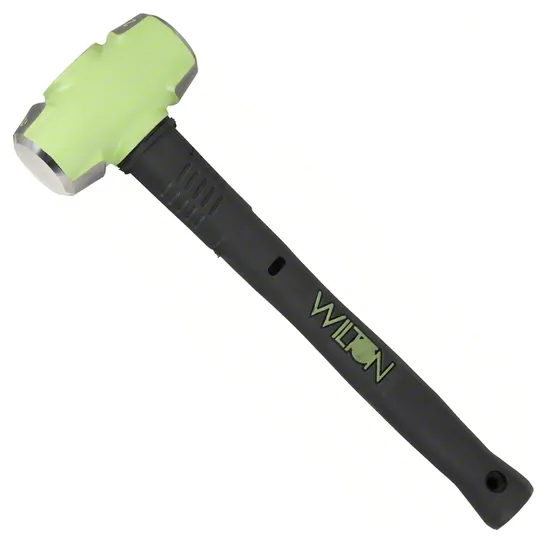
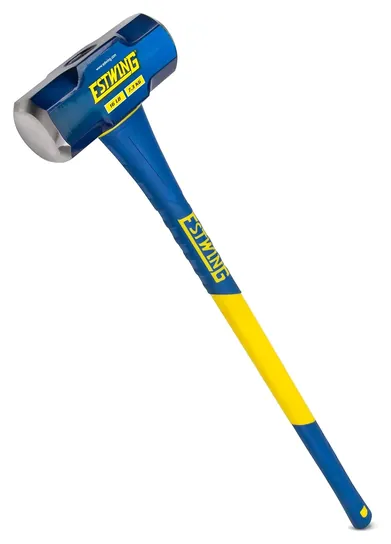
The new list runs from the Estwing Sure Strike 3 lb for one-hand work up to the Estwing 16 lb Hard Face for slabs, with three handle types in between: fiberglass, hickory and the steel core of the Wilton B.A.S.H. 10 lb. Our evidence was Bob Vila's swing tests on pavers and stone, This Old House's roundup, which disagrees with it on how heavy to go, makers' warranty terms and the federal recall notice.
August 07, 2019:
Sledgehammers are massively helpful for many tasks ranging from metal and concrete work to demolition. Personal preference should always inform your decision but there are certain facts to know before committing to a particular model. Perhaps most importantly, in most cases of sledgehammer use, the speed at which the tool is swung is more important to the potential of the tool to transfer energy than its mass. Within certain parameters, a lighter sledgehammer can strike with greater force than a heavier hammer since it will almost certainly be swung at higher speeds. Knowing this can help you choose the right tool to increase productivity and preserve the health of your tendons and joints.
Concrete framing involves using stakes to hold forms in place. This will require holding the stakes with one hand and hammering them with the other. For this task a lighter sledge with a smaller handle like the Wilton 20412 is ideal. If the purpose of the tool is demolition, then a longer handle with a medium-sized head is preferable. The Groz 34520 and the Jackson 1199900 will offer the greatest destructive power along with a handle of a comfortable length that allows you to put a good arc to it.
Working with sledgehammers is dangerous and should only be done by trained professionals to avoid personal injury or damage to property.
Pick The Weight For The Job
A 36-inch handle gives the longest swing and the most speed.
Weight is the first and biggest choice. This Old House sorts sledges into three bands: 3 to 6 pounds for small demolition like tile and tub surrounds, 8 to 12 pounds for household walls and concrete, and 20 pounds and up for professional work (This Old House). Bob Vila's testers used 8-pound models for their general picks and found the heaviest ones hard to swing accurately (Bob Vila). A farm-focused comparison calls a 16-pound sledge very tiring and says 8 to 10 pounds handles most jobs (Thomas Acres).
Heavier isn't automatically stronger in practice. The force of a blow depends on how fast the head is moving as well as its mass, and most people swing a lighter sledge faster and land it where they meant to. A missed blow wastes energy and can break the handle.
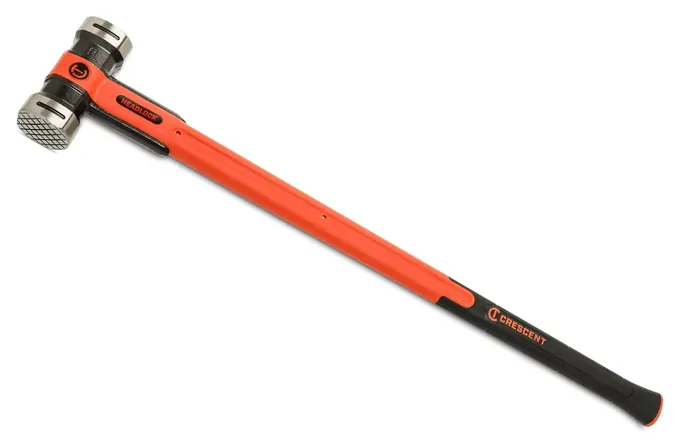
Handle length matters too. A 36-inch handle gives the longest swing and the most speed. A 16- or 24-inch handle gives up some power for control, which helps inside closets, under decks and on ladders. Hand sledges of 2 to 4 pounds are one-hand tools for driving masonry chisels, splitting pavers and setting small stakes.
Handles, Heads And Missed Swings
Fiberglass is the most common handle. It's light, shrugs off weather and damps some shock, though cheap ones can be fragile. Hickory absorbs shock well but can crack and splinter, and it needs dry storage and regular checks. Steel-core handles, like Wilton's B.A.S.H. line, are the most durable and also the heaviest and priciest (This Old House).
The usual way a handle dies is an overstrike: you miss the target and hit the neck just below the head. Bob Vila's testers found that hard guards protect the neck better than rubber cuffs, which tore after repeated misses (Bob Vila). If you're new to swinging a sledge, a hard guard or a steel core is worth paying for.
Look for a forged steel head, not a cast one; This Old House notes that cast heads can shed bits of metal on impact. Most sledges have two flat faces. Some, like the Fiskars Pro IsoCore 10 lb, swap one for a wedge that splits block and concrete. Harder faces resist chipping and mushrooming, the flattened, flared edge that forms on a worn face.
Safety, Care And The 2023 Recall
Wear safety glasses or goggles, since chips fly off concrete and stone. Gloves help with blisters and shock, hearing protection helps on metal and masonry, and a respirator matters for drywall, brick and concrete dust (Bob Vila). Stand with your feet about shoulder width apart, let your top hand slide down the handle as you swing, and stop when you feel your control slipping. Before tearing into a wall, check for pipes and wiring, and test older homes for asbestos and lead paint.
Never strike a sledge with another hammer or slam two hardened faces together, since the steel can chip and throw shards (This Old House). Check the head for wobble before each use, and retire a face that has mushroomed badly (Thomas Acres). Keep wood handles out of the rain.
In April 2023, Stanley Black & Decker recalled about 2.2 million DeWalt, Stanley Fatmax and Craftsman fiberglass sledgehammers, from 2 to 12 pounds and 14 to 36 inches, because the head can come loose and fly off. The company had 192 reports and two injuries to the face or head, and it offers a refund (CPSC). If you own one of these, stop using it and check the notice. None of the hammers on this list is part of that recall.
How we researched this
We compared 21 current sledgehammers and hand sledges, read makers' specs and warranty terms for the 10 picks, weighed Bob Vila's hands-on swing tests, This Old House's review-based roundup and a spec comparison from Thomas Acres, looked at owner feedback patterns, and checked every brand against U.S. Consumer Product Safety Commission recalls.
Frequently asked questions
What weight sledgehammer do I need to break concrete or knock down a wall?
For most household walls and patio-thickness concrete, 8 to 12 pounds is enough. Go lighter, 3 to 6 pounds, for tile and small demolition. Thick slabs and footings may call for 16 pounds or more, or a rented demolition hammer.
Is a fiberglass or wood handle better on a sledgehammer?
Fiberglass is lighter, ignores weather and needs little care. Hickory absorbs shock a bit better but can crack or loosen if it gets wet. A steel-core handle is the hardest to break, at a higher price.
Is a heavier sledgehammer always better?
No. A lighter sledge swung faster and more accurately often does more work, and it tires you less. Very heavy sledges are hard to aim, and missed swings are what break handles.
Can I hit a sledgehammer with another hammer?
No. Striking two hardened steel faces together can chip them and throw sharp fragments. A hand sledge is meant to drive masonry chisels and stakes, not to be struck itself.
What safety gear should I wear when swinging a sledgehammer?
Safety glasses or goggles at a minimum, plus gloves and sturdy boots. Add hearing protection for metal and masonry, and a respirator for drywall, brick or concrete dust.
Was my sledgehammer recalled?
If it's a DeWalt, Stanley or Craftsman fiberglass sledgehammer, check the April 2023 recall notice from the Consumer Product Safety Commission. About 2.2 million were recalled because the head can come loose.