The 10 Best Snorkeling Fins
Updated by · How we research

Full-foot and open-heel fins for reef trips and travel, compared by fit, blade length and warranty. The Cressi Agua leads for comfort in warm water. When users buy our independently chosen editorial selections, we may earn commissions to help fund the Wiki.
Fit matters more than any blade design: a fin that pinches leads to sore feet and cramps, and a loose one can slide off in a current. Full-foot fins slip on like shoes for warm water, while open-heel fins strap over booties for rocky entries. This list is for snorkelers buying a first pair or replacing worn rentals.


Editor's Notes
November 1, 2026, by Ezvid Wiki Admin:
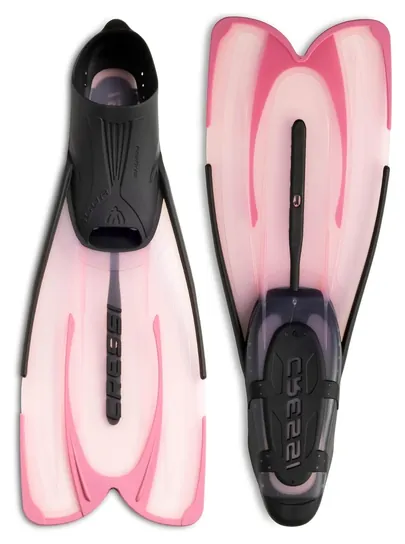
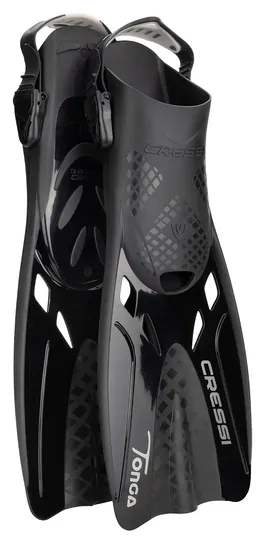
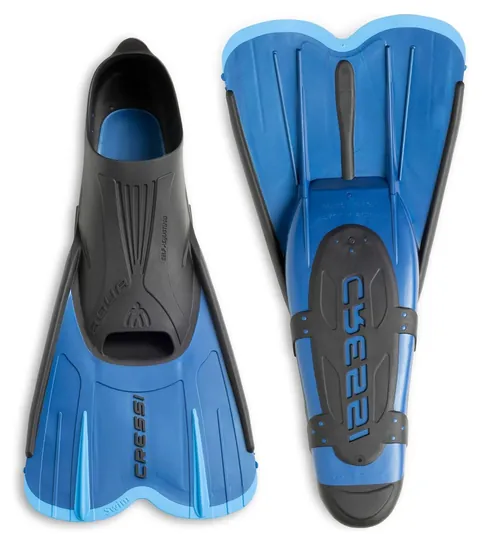
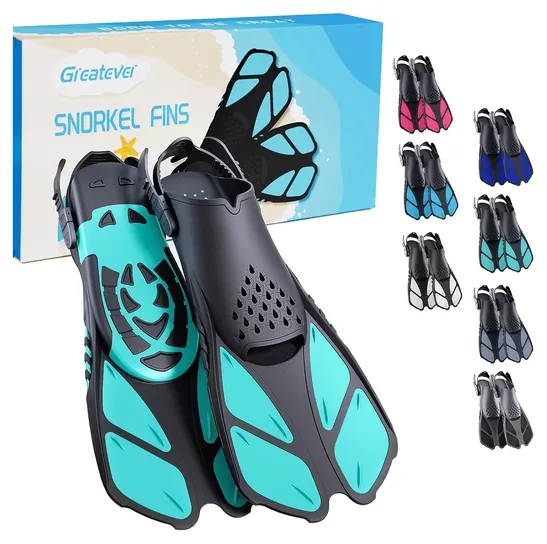
The Cressi Agua now leads the list: a soft, closed-heel fin that suits most warm-water snorkelers, made in Italy and covered for two years. The Cressi Tonga, Cressi Agua Short and Greatever GRESF9 join it, filling gaps for shared adjustable fins, short barefoot fins and tight budgets.
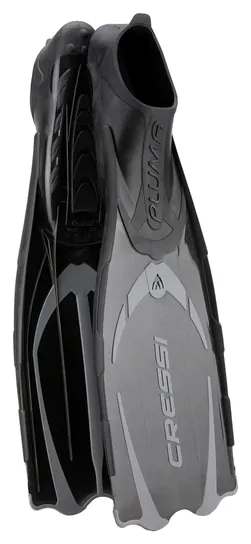
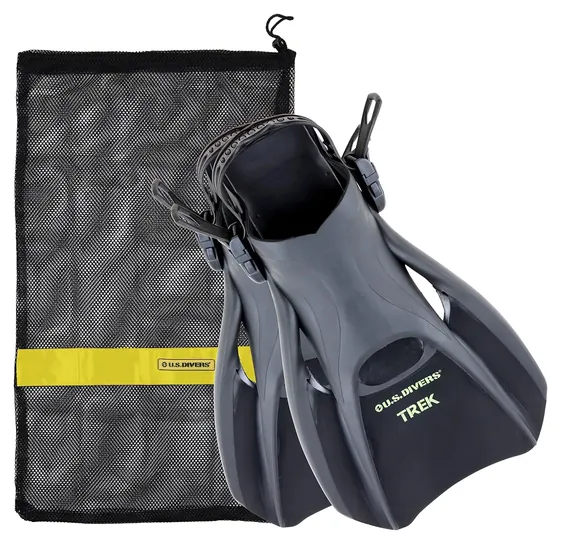
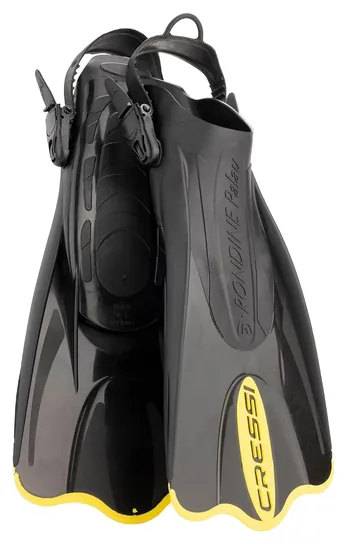
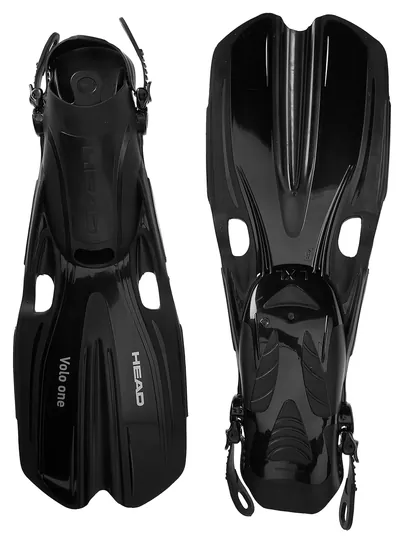
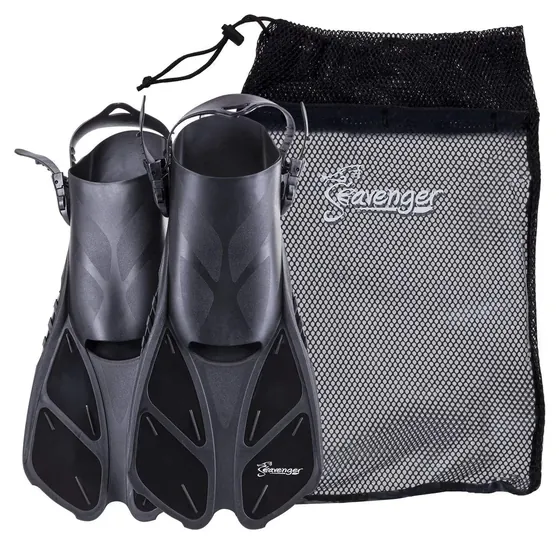
The Wildhorn Topside, now sold as the Seaview 180 Topside, and the U.S. Divers Proflex FX are currently unavailable, and neither the Aqua Lung Stratos 3 nor the SEAC Speed turned up for sale anywhere, so all four are gone. The Cressi Palau SAF, Cressi Pluma, Scubapro Go Travel, U.S. Divers Trek, Mares Volo One and Seavenger Torpedo stay.
Fin makers publish little beyond materials, size charts and warranty terms, so the order leans on pocket and heel design, blade length, a snorkeling couple's long-running fin reviews from their own trips and a dive-medicine article on what poorly fitting fins do to feet. Buy for fit first. A pair that pinches ruins a trip faster than a weak blade.
March 02, 2020:
Thanks to the relatively limited equipment needed for snorkeling, the entry cost is quite low and the activity can be enjoyed by almost anyone who knows how to swim. Of course, you'll still want a decent mask that seals to your face and a pair of comfortable fins if you want to have a hassle-free experience.
If you travel often and like to snorkel in exotic locations on your vacations, then you will probably be best served by flippers with a short blade, such as the Cressi Palau SAF, Seavenger Toprpedo, Wildhorn Outfitters Topside, Head Mares Volo One, and US Divers Trek. You shouldn't have any trouble fitting any of these into a carry-on or backpack, while still leaving yourself plenty of space for clothes and other necessities. Except for the Wildhorn Outfitters Topside, all the rest of these have an open-heel design that allows them to conform to a range of foot sizes and still get a secure fit. It also allows them to be used with dive booties if you'll be swimming in temperate water. The Wildhorn Outfitters Topside have an innovative design with an incorporated neoprene boot that most will find makes them extremely comfortable. Additionally, the blade extends from the top of the foot, which not only helps maximize the surface area of their short blade, but also makes them easy to walk with on dry land.
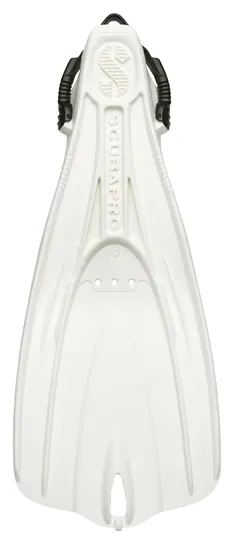
One of the biggest downsides to short-blade fins is that they can't create as much thrust as longer flippers, so if your goal is to move as quickly as possible through the water, they may not be the best choice. If you don't travel to faraway locations for your snorkeling trips, you will probably be better suited with full-length fins, such as the Cressi Pluma, Scubapro Go Travel, Aqua Lung Stratos 3, SEAC Speed, and U.S. Divers Proflex FX. The Scubapro Go Travel are a versatile option that can actually be used for some recreation diving as well, so if you often take part in both activities and want one pair of fins to use for both, they are a smart choice. Plus, they have a stackable design that helps them pack down compactly for travel or storage.
Special Honors
NOAA Blue Star Operators The Florida Keys National Marine Sanctuary runs Blue Star, a voluntary program for dive and snorkel operators who teach their customers reef etiquette and how to lower their impact on the Keys' coral. It was built with local dive shop owners and the REEF Environmental Education Foundation. If you're booking a snorkel trip in the Keys, the sanctuary's list is a simple way to pick a reef-friendly boat. floridakeys.noaa.gov
Full Foot Or Open Heel
Most makers tell you to size up a step when you wear booties.
Full-foot fins have a closed, shoe-like pocket and are worn barefoot. They're lighter, have no strap to fail, and pack well, which is why they dominate warm-water snorkeling. The snorkelers behind Tropical Snorkeling's fin tests note the catch: you need separate shoes to walk over rocks or past urchins to the water. They also say a full-foot pocket should be snug, since feet shrink a little in cool water, and that women usually go down about one and a half to two U.S. sizes on unisex European charts.
Open-heel fins have a strap or bungee at the back and are meant to go over neoprene socks or booties. That makes them the choice for rocky shore entries, cooler water and families who swap gear, since one pair covers neighboring sizes. Most makers tell you to size up a step when you wear booties. Don't crank the strap down hard: the Divers Alert Network describes "fin foot", bruised and painful toes caused by straps that are too tight or pockets that squeeze, made worse by cold water.
Short Or Long Blades
Short travel fins fit in a carry-on and feel quick and light, so they suit calm bays, swimming and a casual reef float. The trade-off is power. Tropical Snorkeling warns that very short fins lack push and can be risky in current, where a longer blade moves you with fewer, slower kicks. If you snorkel off boats over open reef, or anywhere with tidal flow, a long full-foot fin or a mid-length open-heel fin is the safer bet.
Stiffer isn't better for most people. A stiff scuba or freediving blade needs strong legs to bend it, and the same reviewers found overly stiff fins inefficient for snorkelers without big leg muscles. A blade that's too stiff or a pocket that's too tight is also a common trigger for calf and arch cramps. Vents and pivoting blades are there to make each kick gentler; they don't add speed. For a first pair, pick a flexible blade in a length that fits how and where you travel.
Fins, Coral And Care
Fins cause much of the accidental damage on shallow reefs. The Florida Keys National Marine Sanctuary's reef etiquette guide asks snorkelers never to stand or rest on coral, and points out that even a light brush from a fin can hurt coral animals, while stray kicks stir up sand that settles on and smothers them. Keep your body flat on the surface, kick from the hips with fins below you rather than down toward the bottom, and practice over sand before swimming out over coral.
Fins last for years with simple care. Rinse them in fresh water after every swim, especially after salt water or a chlorinated pool, and let them dry out of direct sun, which can fade and harden rubber. Store them flat or standing on their heels rather than with weight on the blade tips, so the blades keep their shape. Check straps and buckles before each trip: a cracked strap is cheap to replace, and many makers sell spares.
How we researched this
We compared 15 current snorkeling fins, read the makers' descriptions, size charts and warranty terms for the 10 picks, drew on a snorkeling couple's long-running fin reviews from their own trips, a Divers Alert Network article on fin fit and NOAA's reef etiquette guidance, and checked every brand for recalls with the U.S. Consumer Product Safety Commission. No fin recalls turned up.
Frequently asked questions
Are flippers and snorkeling fins the same thing?
Yes. Flippers, swim fins and snorkeling fins all mean the same gear: a foot pocket with a blade that turns each kick into forward push. Dive or scuba fins are usually longer and stiffer, built for a diver carrying a tank.
Should I get short or long fins for snorkeling?
Short fins pack easily and are fine for calm, shallow water. Long fins move you with less effort and handle current better, so they suit boat trips and longer swims. If you travel light and stay near shore, short fins work.
How should snorkeling fins fit?
Snug, with no pinching and your toes lying flat, not curled. A loose fin can slide off and rub blisters, and one that's too tight can bruise toes. Try open-heel fins with the socks or booties you plan to wear.
Can I wear socks with full-foot fins?
Thin fin socks can stop rubbing in a full-foot pocket that's slightly big, but full-foot fins are sized for bare feet. If you want booties for rocky entries or cool water, get open-heel fins and size up.
Can I use scuba fins for snorkeling?
Yes, but many scuba fins are heavy and stiff, which tires the legs of a snorkeler kicking at the surface. Open-heel scuba fins also need boots. A flexible snorkeling fin is the better fit for most people.