The 10 Best Splash Blocks
Updated by · How we research

Plastic, rubber, concrete and metal splash blocks compared on staying power, durability and looks. The Master Mark 30924 pair is our pick for most downspouts. When users buy our independently chosen editorial recommendations, we may earn commissions to help fund the Wiki.
A splash block spreads roof water at the spout, but it doesn't carry it far. That only protects a foundation when the ground already slopes away from the house; on flat ground it just makes a puddle. The block's real job is to stop heavy rain from digging a hole. Here are trays for every budget, plus a few decorative covers.


Editor's Notes
October 26, 2026, by Ezvid Wiki Admin:
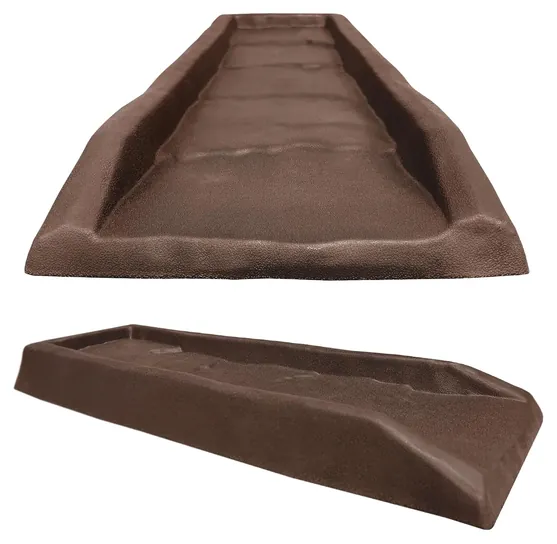
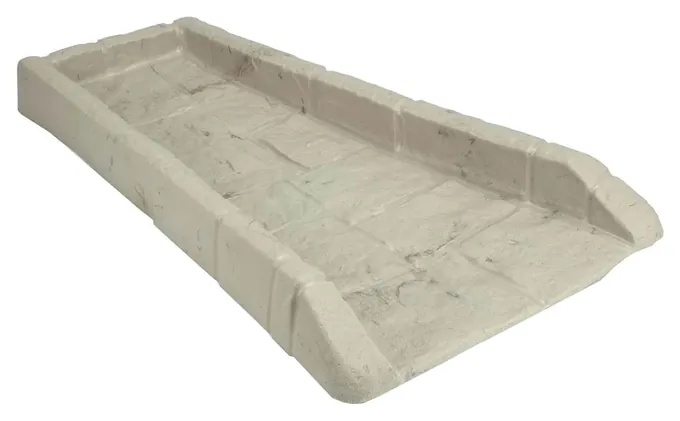
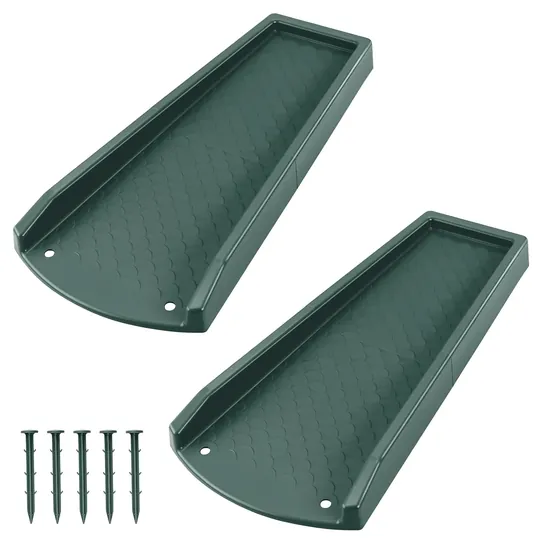
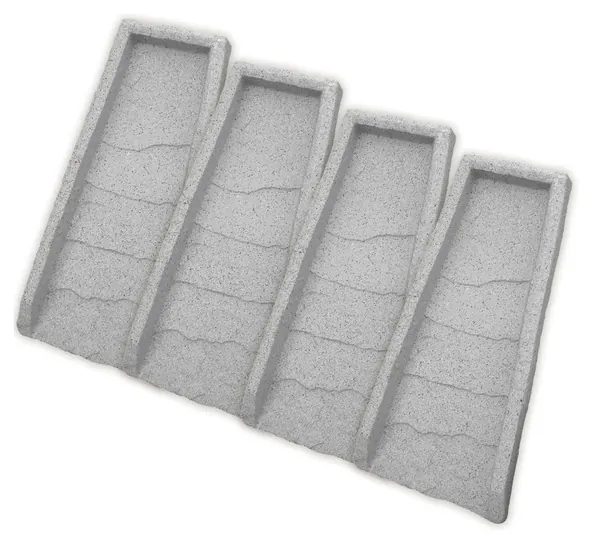
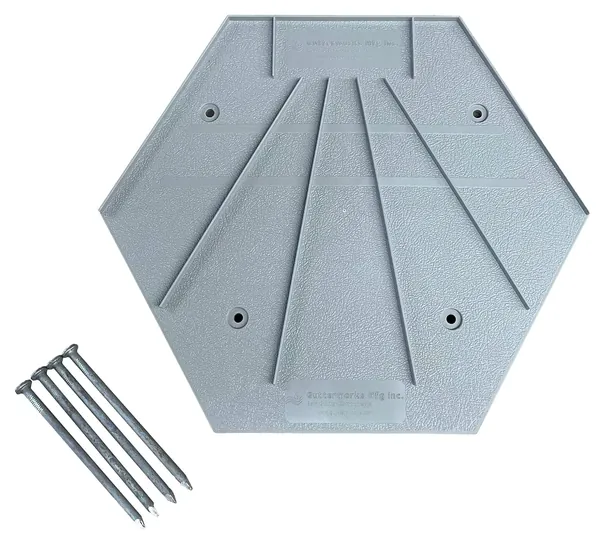
The Master Mark 30924 now leads. It's a cheap pair of stone-look trays from a maker that has molded plastic since the 1960s, and it does what most downspouts need. The bigger change is weight. Light plastic blocks tend to wander off in a storm, so the Rubberific Premium Rubber and the NuCast Precast Concrete join, along with a stake-down pair and a flat pad you can mow over.
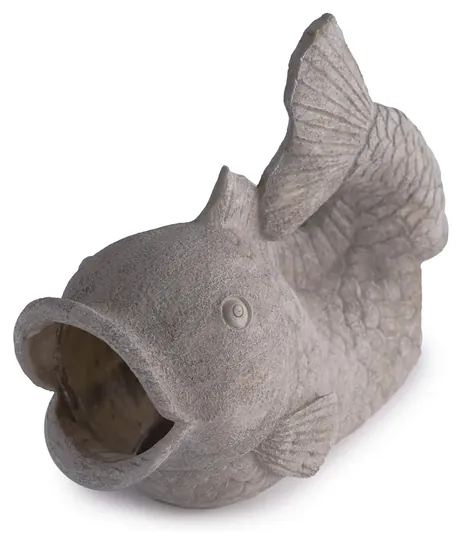
The Lake Lite Rain-Run is gone, the Palos Designs tray has disappeared, and the Flex-Drain 3002-12 asked a lot for thin vinyl. Design Toscano sells its log-style spout cover in several animals, so we kept Stormy the Gnome and dropped the gargoyle and the cat. The Oakland Living Antique Bronze, the Suncast SB24 and the Wind & Weather Friendly Fish stay.
No lab has put splash blocks through a test, so the order rests on what each is made of, how heavy it is, gutter installers' guides on materials, a county conservation district's advice on grading, and long-run owner feedback on blocks that crack, fade or slide.
August 05, 2020:
Whether you prefer a basic, no-nonsense model or one that doubles as attractive backyard decor, our list contains several splash blocks that are well suited to your taste. If you’re looking for one that embodies the proverbial more matter and less art, it’s hard to go wrong with the two-foot-long Lake Lite Rain-Run, which is made of molded plastic that will stand up to the elements like a champ. As such, you won’t need to bring it in during the winter months if you choose not to do so. It does feature an attractive diamond textured pattern and is available in your choice of four colors.
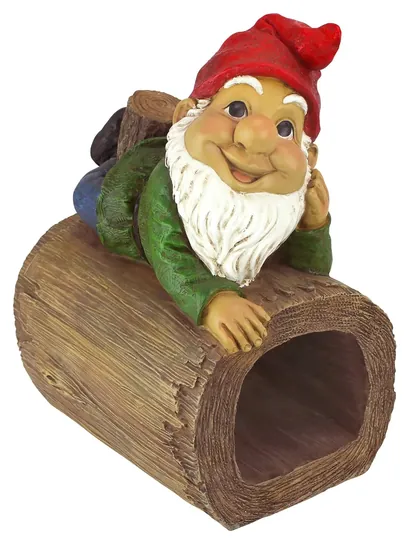
In today’s update, we added in several models that, like an attractive bird feeder, not only serve a practical purpose, but also can be enjoyed as fun and whimsical outdoor decorations. The Design Toscano Garden Gnome is a colorful choice that incorporates bright shades of red, white, and green, and this friendly garden gnome does a good job of helping protect your home by accommodating spouts of up to three inches in width. Its weather-resistant resin material stands up to the elements well. For another sturdy choice from the same manufacturer, look to the Design Toscano Gargoyle, which is playfully sculpted with scaly skin and wide eyes. It’s available in additional fun themes such as a dragon, a bulldog, and a frog. If you’re less into mythical creatures and more into the real ones, check out the Design Toscano Gutter Guardian, which can be purchased in a version featuring a tabby cat, a golden retriever, a turtle, a raccoon, and more.
For yet another decorative option, look to the newly added Wind & Weather Friendly Fish which, like the gargoyle selection, is made of durable polyresin that resembles real stoneware. This one features a length of 15 inches and has been crafted with much attention to detail. Today, the CTD Store Playful makes its departure from the list, since it only fits a limited selection of downspouts. In addition, the Genova 19581 and the Wind & Weather Whimsical also were removed, due to issues with availability.
August 23, 2019:
There aren't very many features to distinguish one splash block from another, so our rankings are mainly based on factors like durability, effectiveness, and ability to stay in place.
We also valued attractiveness, which is why you'll see options like the Design Toscano Gutter Guardian ranking above plain plastic models. The decorative units are more expensive, though, so it's a question of how much you value having a block that isn't an eyesore.
Most of the options listed here can be used with any downspout, but if you find one you love that isn't a universal fit, you may need to invest in a new gutter elbow. As a general rule, it's only the splash blocks with tops on them that you need to worry about, as the open models should be compatible with any spout.
A Block Spreads Water; It Doesn't Move It Far
It also suggests fist-sized stones along the path past the block if the soil keeps washing out.
A splash block sits under the downspout's outlet and turns a hard stream into a wide, slow sheet. That stops the hole a hard rain digs and keeps mud off the siding. It does not carry water any real distance, so the ground around it does most of the work. The Northern Virginia Soil and Water Conservation District notes that an average house can shed hundreds of gallons of roof water in a hard rain, and it asks for a 5 percent grade, about 6 inches of drop over the first 10 feet from the walls (Fairfax County). It also suggests fist-sized stones along the path past the block if the soil keeps washing out.
If water still pools near the foundation, a bigger block won't fix it. Add an extension instead. This Old House says to choose one that reaches at least 4 feet from the foundation (This Old House), and for wet basements or flat lots it suggests a pipe buried just below the surface that releases water 10 feet or more away. A splash block still helps at the far end of that pipe, where the water comes out.
Concrete, Plastic, Rubber Or Metal
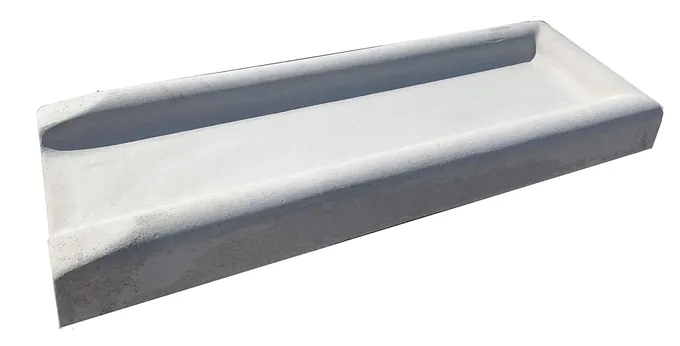
Concrete is the heavy, permanent choice. LeafFilter, a gutter company, says concrete blocks stay put and can last for decades, which makes them the pick for places with a lot of rain or snow, though they are hard to move (LeafFilter). The NuCast Precast Concrete block is one of the few sold online.
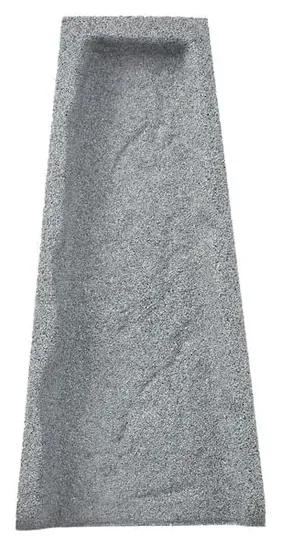
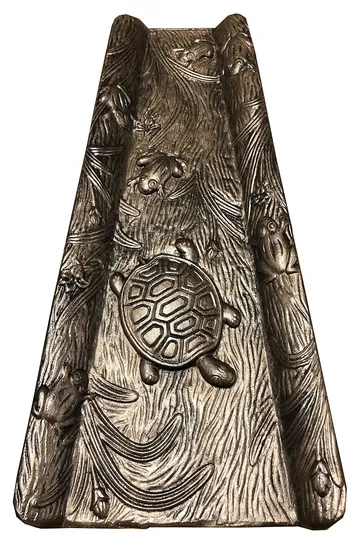
Plastic is cheap, light and comes in more colors and textures. The same guide says strong flows can push plastic blocks around and that they often last only a few years. Pin them with stakes where the ground is bare, or set a stone at the open end. Recycled rubber sits in between: heavier than plastic and flexible in freezing weather. Cast aluminum costs the most and is mostly about looks, but it can't rust.
Size matters as much as material. A two-foot block is the usual size, and LeafFilter suggests three or four feet for big gutters or frequent downpours. Decorative covers, like the gnome and the fish here, are a different thing: they slip over the spout's end and pour water at one spot. Check the maker's fit limit before you buy. Design Toscano's gnome takes rectangular spouts only, up to 4 by 5 inches.
Setting One Down So It Works
Start by clearing gravel, sod and loose soil under the spout so the block sits flat and firm. Put the closed end under the spout and point the open end away from the house. Turning it the other way is the classic mistake: water fills the tray and spills back toward the wall. Tilt the block slightly downhill if your yard is flat, push in any stakes it came with, then run a hose down the spout to watch where the water goes (LeafFilter).
Check each block after a big storm and at least once a season. Plastic ones drift, soil settles under all of them, and a block that has tipped can send water back where it came from. Aim the flow at your own lawn or a planting bed, never across a walk or driveway, where it can freeze in winter, and not into a neighbor's yard. Many towns have rules on where roof water may go, so check yours if you're unsure.
How we researched this
We compared 20 splash blocks, spout covers and extensions, looked closely at the 10 picks' materials and maker details, and read installation and grading advice from a gutter company, a county soil and water conservation district and This Old House. We weighed patterns in owner feedback, such as blocks that slide, crack or fade, and checked every brand for recalls with the U.S. Consumer Product Safety Commission.
Frequently asked questions
Do splash blocks work?
Yes, for what they're meant to do: they stop a downspout from digging a hole and spread the water out. They don't move water far, so the ground has to slope away from the house. If water still pools near the foundation, add an extension.
What size splash block do I need?
A two-foot block is the usual size and suits most homes. For big gutters, long roof runs or very heavy rain, look for a block three or four feet long, or add an extension.
Is a plastic or concrete splash block better?
Concrete stays put and can last for decades, but it's heavy and costs more. Plastic is cheap and light but can slide in a hard flow and may need replacing after a few years. Rubber is a middle ground.
How far should downspout water go from the house?
Advice varies. This Old House suggests at least 4 feet, and 10 feet or more through a buried pipe for wet basements or flat lots. The ground should also drop about 6 inches over the first 10 feet.
Can I mow over a splash block?
Most trays are too tall, so you have to move them or mow around them. A flat pad pinned down with spikes, like the Gutterworks Spiked Pad, sits low enough to mow over.
Do splash blocks need to be anchored?
Concrete and rubber blocks usually stay put on their own. Light plastic ones can shift in a storm, so use the stakes if they came with them, or set a rock at the open end.