The 10 Best Typography Books
Updated by · How we research

Ten typography books for beginners, designers, web designers and font makers, from references to histories. Ellen Lupton's Thinking with Type ranks first. When users buy our independently chosen editorial recommendations, we may earn commissions to help fund the Wiki.
The most praised classic in typography is also the hardest place to start: dense prose, few pictures and advice written for print. Most people learn faster from a visual primer first and add the reference later. These picks serve design students, working designers, web designers, people who want to draw their own fonts, and readers who simply enjoy the stories behind letters.


Editor's Notes
November 1, 2026, by Ezvid Wiki Admin:
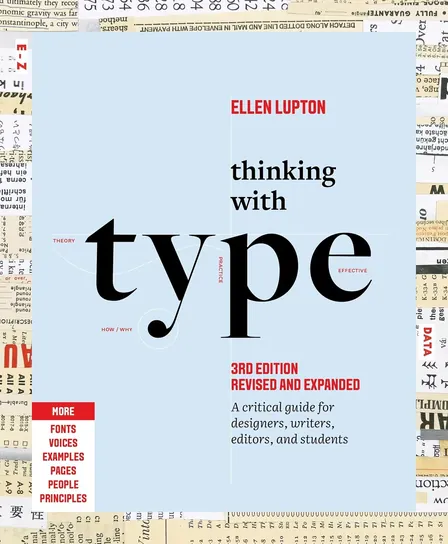
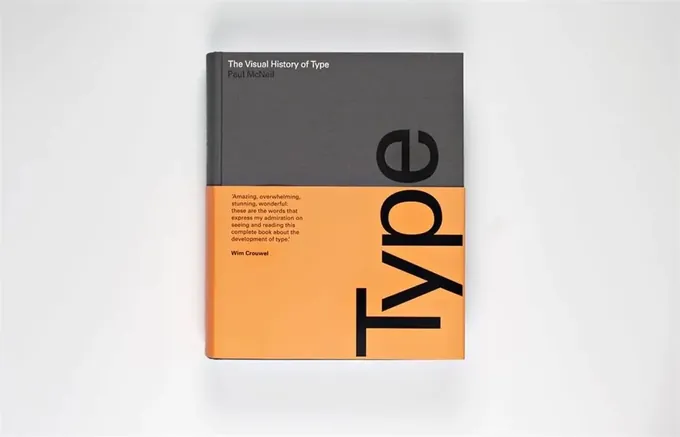
Thinking with Type now leads the list, in its 2024 third edition, because it teaches more people more quickly than any classic. The Elements of Typographic Style stays close behind as the reference to grow into, with The Visual History of Type for anyone drawn to where letters came from.
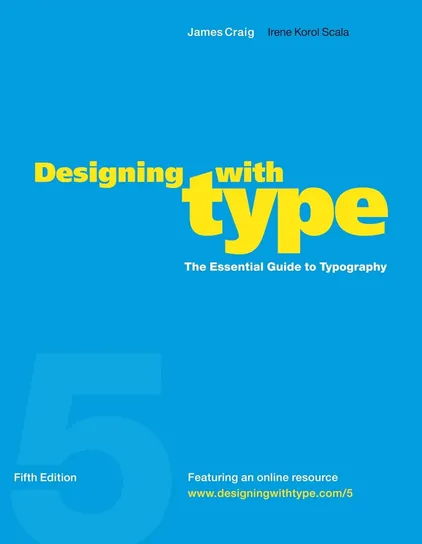
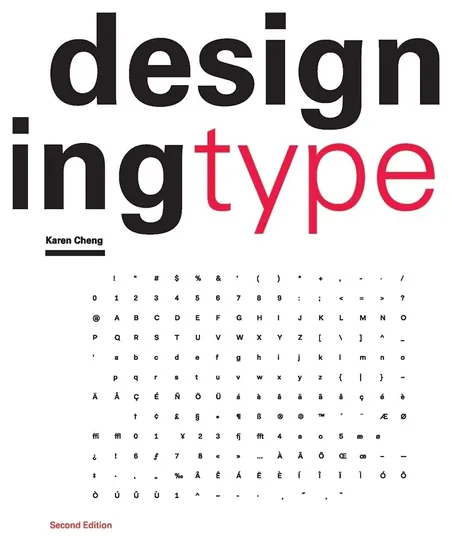
We weighed the reading lists of practicing type designers, a long recommendations thread among type professionals, publishers' own edition details and the patterns in readers' feedback. That pushed in two new titles: Designing with Type, the gentlest start for beginners, and Designing Type, for people who want to draw letters rather than set them.
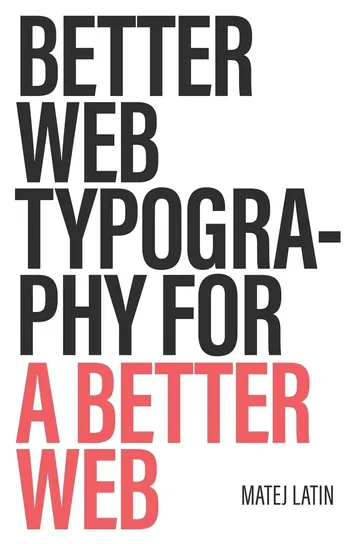
Typography Essentials left because its printing has been superseded and the beginner picks do its job better. Never Use Futura also went: it's a fine read, but it studies one typeface. Better Web Typography for a Better Web stays as the screen-first pick, since most of the classics were written with paper in mind.
May 13, 2020:
Typography has been relevant for hundreds of years, and as we move into a digital age, it has become even more important, whether you're a marketing professional or web developer. It's a vital component of graphic design, which is why you'll see elements of it explained in graphic design books, but it's also a fascinating subject for anyone who loves the written word and the psychology that goes into advertising.
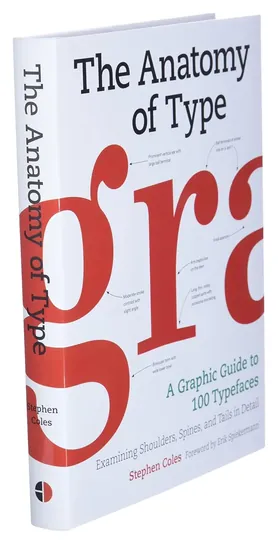
We wanted this list to provide a healthy sampling of what the art has to offer, so you'll find comprehensive manuals like Typographie: A Manual of Design and Thinking with Type, compelling histories like The Visual History of Type, Just My Type, and Never Use Futura, and volumes of particular interest like Why Fonts Matter and The Anatomy of Type.
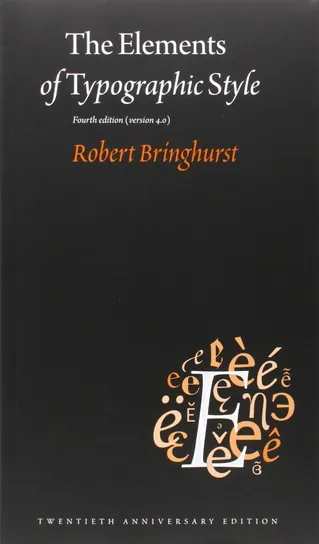
When updating our selection we removed Scripts: Elegant Lettering and Type Rules. We said goodbye to the latter because we felt it covered many of the same elements as other books on our list, and removed the former to make room for The Elements of Typographic Style, a book known and beloved to many. This 20th-anniversary edition contains a thorough revision of the chapter, "Prowling the Specimen Books," and many other small but important updates based on things that are continually changing in the field.
Despite these revisions, Elements hasn't yet been revised to touch on web design, which is where the newly-added Better Web Typography for a Better Web comes in. This selection is ideal for web developers and designers who want to understand the importance of typography and implement techniques to create stronger websites. It's a must-have for any professional looking to supplement their skills and enhance their portfolio.
Special Honors
LinkedIn Learning LinkedIn Learning, which took over the old Lynda.com library, offers video courses on typography, from the basics of choosing and pairing fonts to type in specific design software. A subscription covers the whole catalog, and a free trial is usually available. linkedin.com
Better Web Type Matej Latin sells the digital edition of his web typography book directly, with updates included, alongside other web type resources. It's the better way to get his current text, since the print edition dates from 2017. betterwebtype.com
Fonts In Use Fonts In Use is a free, searchable archive of typography in real work: posters, books, packaging, signs and websites, each tagged with the typefaces used. It's a useful companion to any of these books when you want to see how a face behaves outside a specimen page. fontsinuse.com
Pick By What You Want To Do With Type
Once the basics stick, Robert Bringhurst's The Elements of Typographic Style is the reference most designers keep within reach.
Typography books fall into four camps, and the best one for you depends on which camp you're in. If you want to use type well in posters, reports, books or apps, start with a visual primer such as Ellen Lupton's Thinking with Type or James Craig's Designing with Type, which the Typewolf review of typography books calls the most beginner-friendly of the lot. Once the basics stick, Robert Bringhurst's The Elements of Typographic Style is the reference most designers keep within reach.
If you want to make fonts, the needs change. Type designer Alex John Lucas puts Karen Cheng's Designing Type on his reading list as a must-read that also works for beginners, and he points out that Bringhurst is a book for laying out type, not designing it. A long TypeDrawers thread among type professionals adds advanced titles such as Fred Smeijers' Counterpunch and Walter Tracy's Letters of Credit, which are harder to find new.
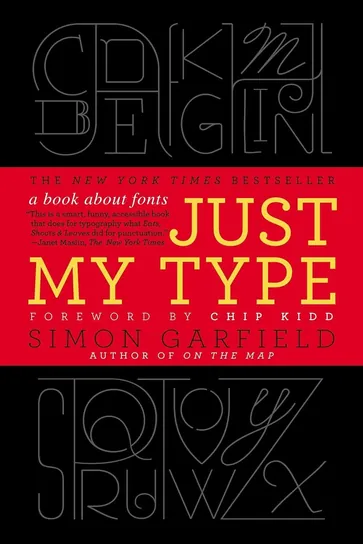
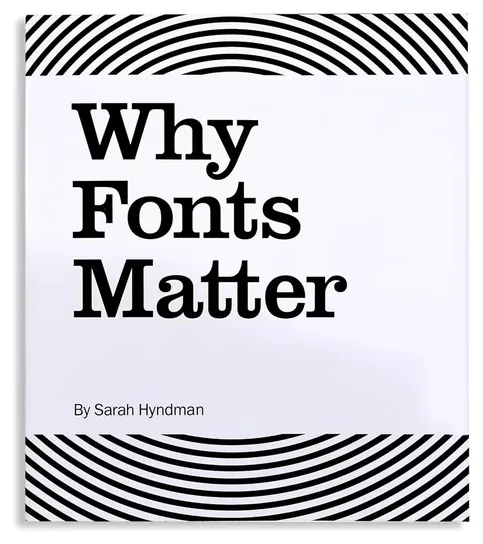
If you want history, choose a survey with real specimens. If you just enjoy reading about fonts, Simon Garfield and Sarah Hyndman write for general readers, though neither will teach you to set a page.
Editions Matter More Than Covers Suggest
Several of these titles have been in print for decades, and the edition you buy changes what you get. Bringhurst's book first appeared in 1992 and was revised many times before version 4.0 in 2012, according to Wikipedia's history of the book. Thinking with Type reached its third, expanded edition in 2024 from Princeton Architectural Press, and older copies still circulate secondhand, so check the cover. Yale University Press published the second edition of Designing Type in 2020.
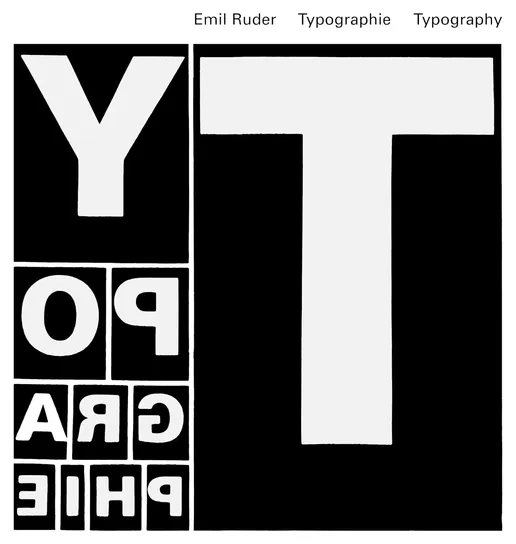
For classics the date matters less. Emil Ruder's Typographie first came out in 1967 from the Swiss publisher Niggli, in German, English and French, as Wikipedia's entry on Ruder notes; its lessons haven't aged because they deal with contrast, rhythm and space rather than software. Some sellers label it a German edition because of the publisher's country, so look for the trilingual cover.
Print Rules And Screen Rules
Most classic typography advice was written for paper, where the designer controls the page size, the margins and the exact line breaks. On a screen, the reader's device decides much of that. Typewolf's review notes that Bringhurst's long chapter on page proportions is less useful for screen work, even though his advice on spacing, rhythm and choosing faces still applies.
For websites and apps, look for a book that covers line length on different screens, a modular scale for heading sizes, vertical rhythm and font loading. Matej Latin's Better Web Typography covers those with code examples, and he sells a digital edition with updates on his own site. Between books, an archive of real projects such as Fonts In Use shows how working designers pair and set type, which is a good way to test what you've read.
How we researched this
We compared 17 typography titles across beginner guides, references, type-design manuals, histories and general reading. We checked each pick's current edition and publisher, read reading lists and recommendations from working type designers and a long discussion among type professionals, and looked at recurring patterns in reader feedback. Updated November 1, 2026 by Ezvid Wiki Admin.
Sources (12)
- Typewolf: A Review of the Best Typography Books for Designers
- TypeDrawers: Recommended type design and typography books
- Alex John Lucas: Type design reading list
- Wikipedia: The Elements of Typographic Style
- Wikipedia: Emil Ruder
- Yale University Press: Designing Type
- Gingko Press: Why Fonts Matter
- Laurence King: The Visual History of Type
- Princeton Architectural Press
- Matej Latin: Better Web Typography
- LinkedIn Learning: Typography
- Fonts In Use
Frequently asked questions
If I read only one typography book, which should it be?
Many designers would say The Elements of Typographic Style by Robert Bringhurst. It's dense, though, so a beginner gets more from Thinking with Type or Designing with Type first.
What's the best typography book for beginners?
Designing with Type reads like a workbook and assumes no background. Thinking with Type is more visual and covers more ground, including grids.
Which book covers typography for websites?
Better Web Typography for a Better Web by Matej Latin is written for screens, with code examples for line length, scale and vertical rhythm. Most classics focus on print.
What should I read to design my own typeface?
Designing Type by Karen Cheng explains how each letter is built, with comparisons across well-known typefaces. It's a reference for drawing letters, not for page layout.
Are there typography books for people who aren't designers?
Just My Type by Simon Garfield tells the stories behind famous fonts, and Why Fonts Matter by Sarah Hyndman looks at how type affects feelings. Neither teaches layout.
Do I need the most recent edition?
For Thinking with Type, yes: the 2024 third edition adds material. For classics like Emil Ruder's Typographie, the content hasn't changed in meaningful ways.