The 9 Best Ultrasonic Pest Repellers
Updated by · How we research

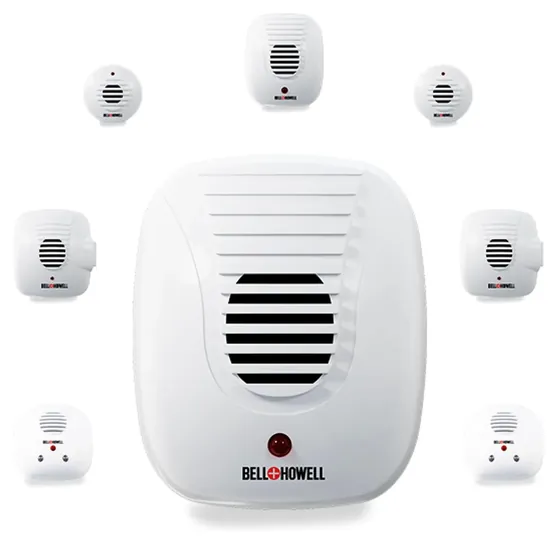
Research gives these devices weak marks, so we ranked nine on scope, pet cautions and fit for house, yard or car. The Bell+Howell 8-Pack covers a whole home. When users buy our independently chosen editorial recommendations, we may earn commissions to help fund the Wiki.
The Federal Trade Commission warned more than 60 sellers in 2001 that their pest-chasing claims needed proof, and university extension reviews still find that rodents get used to the sound within days or weeks. These picks suit people who want a low-effort deterrent working alongside sealed gaps, stored food and traps, in homes without pet rodents or rabbits.


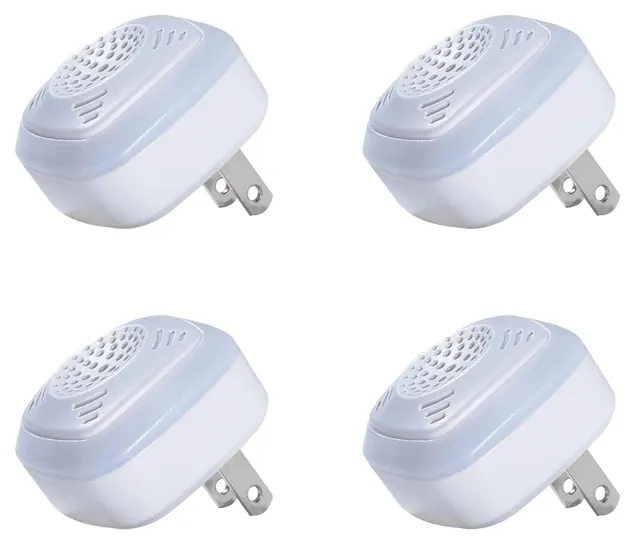
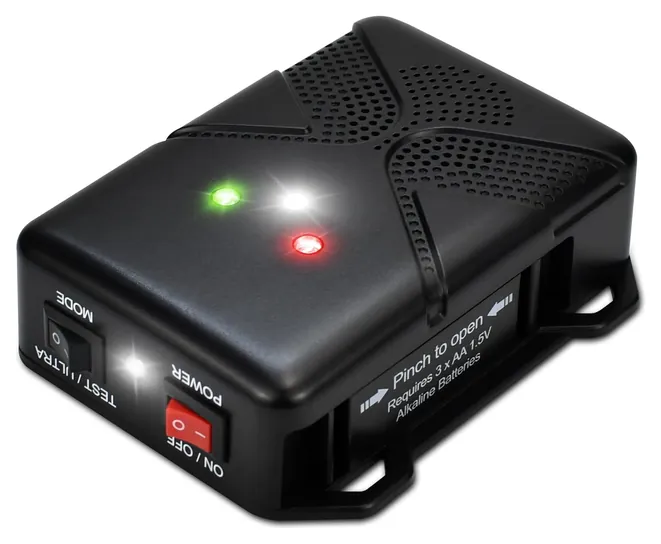
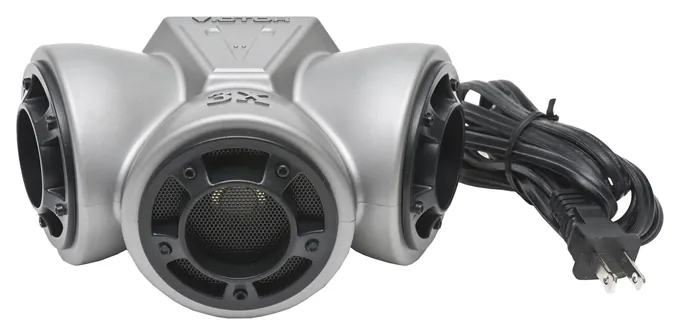
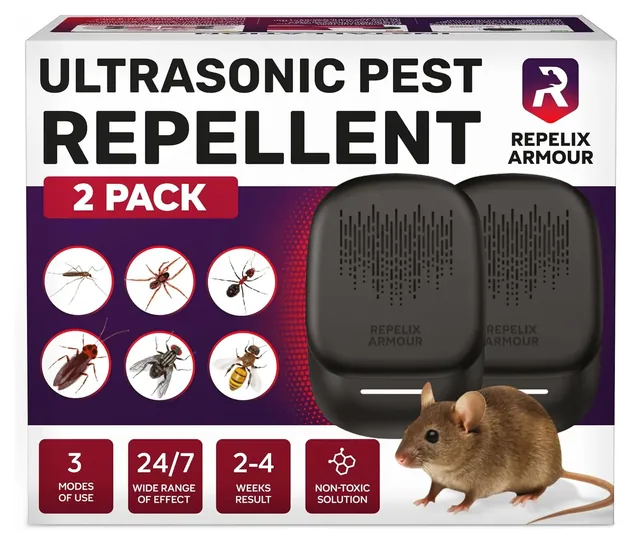
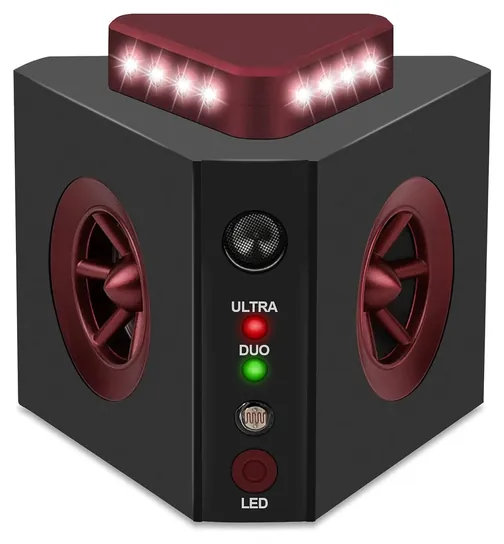
Editor's Notes
October 23, 2026, by Ezvid Wiki Admin:
The honest headline here is that no solid study shows these gadgets chase pests out for good. Rodents tend to get used to the sound, and walls and couches block it. So this list now ranks on what a buyer can count on: a believable scope, the right type for the space, and fewer surprises for pets. The Bell+Howell 8-Pack moves to the top because one box covers a whole house, with outlet and night-light versions, at a sane cost.
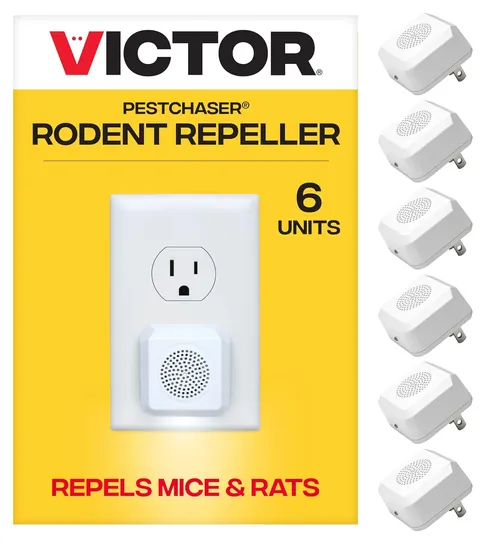
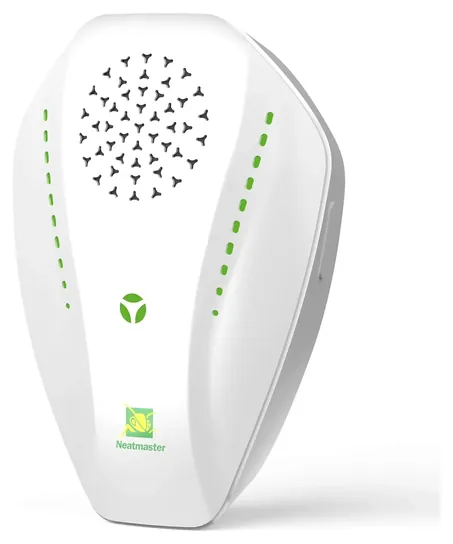
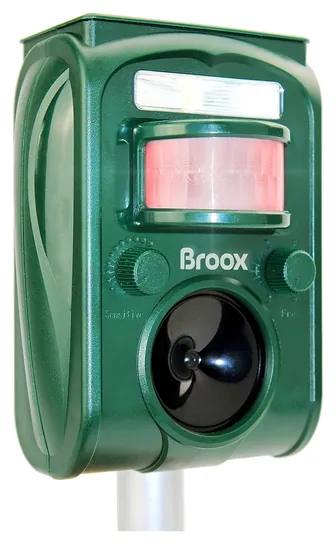
For evidence we leaned on the FTC's 2001 warning letters, extension reviews from Iowa State and the University of Arizona, a 2019 lawsuit against the maker of Victor and PestChaser, and one month-long home trial by Bob Vila. The Neatmaster Neat-002, Broox Solar RB-101 and Loraffe 4-in-1 ZN-666C stay. New picks cover rodents only, cars and attics.
The Pest Reject 6-Pack, Hoont Motion Activated and Okutani Conversion are gone, and the TBI Pro is currently unavailable. We also dropped the Cleanrth CR008 and DNR Tech ET, whose big coverage and bat claims had nothing behind them.
October 21, 2020:
The technology involved in these poison-free repellents is changing fast, and some companies are addressing the problem of pests becoming accustomed to a single-frequency sound. The Cleanrth CR008 remains on our list as a particularly effective model, and we’ve added the Hoont Motion Activated for outdoor use, as well as the Loraffe Plug-in for serious infestations. For homes with ladybug or Asian lady beetle problems, the newly added Okutani Conversion is helpful in sending those bugs back outside where they belong.
July 12, 2019:
While there aren't any scientific studies that prove ultrasonic devices are effective for all bugs and rodents, many parents and pet-owners are willing to give these relatively inexpensive and non-toxic devices a try before resorting to pricey chemicals or inhumane traps that leave dead vermin around the house. The FTC has required companies to “tone back” the promises they make about their devices, but they are legal, safer and cleaner than pesticides and many have used them successfully to eradicate pests. Success often depends on the proper placement of the units and severity of the infestation.
We've included on this list products with a reliable record of success, plus all the indoor models now use a combination of ultrasonic and other types of waves to increase their effectiveness. The Cleanrth CR008 received the highest ranking for its clever “confusion” and “chaos” modes that reduces the likelihood that stubborn rodents will choose to acclimate to the sound rather than leave the house.
October 22, 2018:
Swapped out the JungeTogo Electronic for the newer upgraded model. Expanded offerings to include options suitable for outdoor use and replaced items that have been discontinued.
Special Honors
Cooperative Extension Every U.S. state has a land-grant university extension service with free, research-based advice on rodents, insects and garden animals. A local office can identify a pest from a photo or sample and suggest exclusion and trapping steps that suit the house, often at no charge. extension.org
What The Research Actually Says
These devices play a tone pitched above human hearing, usually somewhere between 20 and 65 kilohertz, and the pitch is meant to make mice, rats and bugs leave.
These devices play a tone pitched above human hearing, usually somewhere between 20 and 65 kilohertz, and the pitch is meant to make mice, rats and bugs leave. The evidence for that is thin. In 2001 the Federal Trade Commission warned more than 60 makers and sellers that their claims needed scientific proof, after earlier orders against six companies that had promised rodents would never get used to the sound.
Extension services have looked at the research and reached the same answer. Iowa State University Extension says no research supports the rodent or insect claims and that rodents adapt. The University of Arizona describes caged animals that kept breeding next to running units, and rats and bats that stayed in attics. A Kansas State study summarized by InterNACHI found some effect on crickets, little on cockroaches and none on ants or spiders.
The one home trial we found, a month-long test in a single Florida house by Bob Vila, reported gradual and uneven results. A 2019 class action, Heumann v. Woodstream, alleged that Victor and PestChaser units don't repel rodents. That's an allegation, not a ruling, but it fits the wider picture.
Picking A Type And Placing It
Start with where the problem is. Indoor plug-ins are for kitchens, bedrooms and hallways. Outdoor units stand on a stake, charge from a small solar panel and only fire when a motion sensor sees an animal, which suits gardens with rabbits or deer. Battery boxes for engine bays and sheds are aimed at mice that chew car wiring.
High-frequency sound behaves a lot like light. It doesn't pass through walls, and couches, curtains and stacked boxes soak it up. This Old House puts the useful range at roughly 20 to 30 feet in open air. That's why coverage figures in the thousands of square feet don't hold up. Plan on one unit per room, plugged in where nothing blocks the front, near the spot where you've seen droppings.
Rodent-only models make the more modest promise, and insect claims have the least support. Units with several modes let you drop to the quietest one if a person or pet can hear it. A pass-through outlet or built-in night light keeps the device from wasting a socket.
Pets, Hearing Aids And A Plan That Works
Dogs and cats usually ignore these units, but not always: in the Bob Vila trial, the tester's dog avoided two brands. Pet rabbits, hamsters, guinea pigs, gerbils and mice can hear in this range, and Terminix advises keeping the devices away from them. Some owners also report buzzing in hearing aids and interference with alarm systems. Plug units straight into a wall outlet rather than a loaded power strip, and keep them dry.
If you already have mice, a plug-in is not the plan. The CDC sums up the real one as seal up, trap up and clean up. Close gaps around pipes, vents and doors, since a mouse can squeeze through a hole about a quarter inch wide. Store food and pet food in sealed containers, then set snap traps along walls. A free call to your local Cooperative Extension office can help identify the pest and what draws it in.
How we researched this
We compared 17 current repellers from 12 brands, read maker specs and documents for the nine finalists, weighed the findings of the FTC and three university extension services, analyzed owner feedback for failures and pet reactions, and checked each brand against U.S. recall databases. No recalls turned up.
Sources (12)
- FTC: warning to ultrasonic pest-control device sellers (2001)
- Iowa State University Extension: ultrasonic pest controllers
- University of Arizona Extension: ultrasonic pest control
- Washington State University Extension EB1663: ultrasonic and subsonic devices
- InterNACHI: ultrasonic pest repellers
- This Old House: do ultrasonic pest repellers work
- Bob Vila: best ultrasonic pest repellers
- Heumann v. Woodstream Corp. complaint (2019)
- Victor: PestChaser rodent repellent with nightlight M756K
- Terminix: do ultrasonic pest repellers work
- CDC: rodent prevention
- Cooperative Extension: find your state office
Frequently asked questions
Do ultrasonic pest repellers work?
Not reliably. Extension reviews from Iowa State and the University of Arizona found no research showing lasting effect, and rodents tend to get used to the sound. Use one as a minor deterrent alongside sealing gaps, storing food and trapping.
Are ultrasonic repellers safe for dogs and cats?
Usually. Most dogs and cats ignore them, though some dogs avoid rooms with a running unit. Keep them away from pet rabbits, hamsters, guinea pigs, gerbils and mice, which can hear the tone.
Do they work through walls?
No. The sound stops at walls and is soaked up by furniture and curtains, so you need one unit in each room you want covered.
Do they keep away roaches and spiders?
The evidence is weakest for insects. A Kansas State study found little effect on cockroaches and none on ants or spiders. Cleaning, sealing cracks and baits do far more.
Can a repeller stop mice from chewing car wires?
Battery units made for engine bays may help a little, but the evidence is anecdotal. Also park away from bird feeders and woodpiles, keep food out of the car, and check the engine bay often.
What happened to the TBI Pro repeller?
The TBI Pro two-pack is currently unavailable, so it's off the list for now. Plug-ins with similar settings are still sold by Neatmaster and Repelix Armour.