The 10 Best Umbrellas
Updated by · How we research

Ten rain umbrellas compared on canopy, ribs, vents, auto-open and warranty. The Davek Solo leads for its lifetime repair guarantee; Repel is the value pick. When users buy our independently chosen editorial recommendations, we may earn commissions to help fund the Wiki.
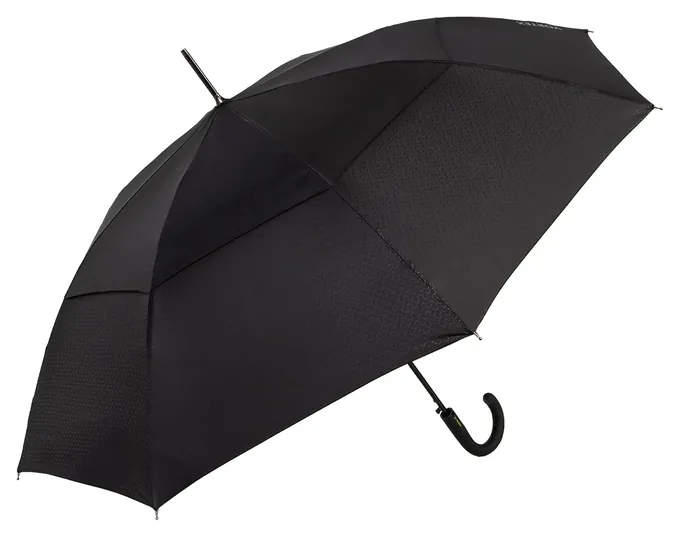
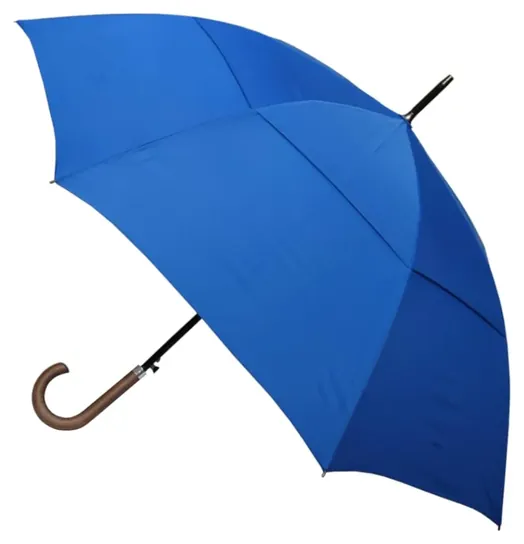
Wind, not rain, is what ruins most umbrellas. A vented double canopy on eight or more fiberglass ribs lets gusts through and flexes back, while cheap single-layer frames bend and stay bent. This list covers everyday rain umbrellas for commuters and travelers, from pocket folders to full-length sticks, and favors makers who stand behind them with real warranties.


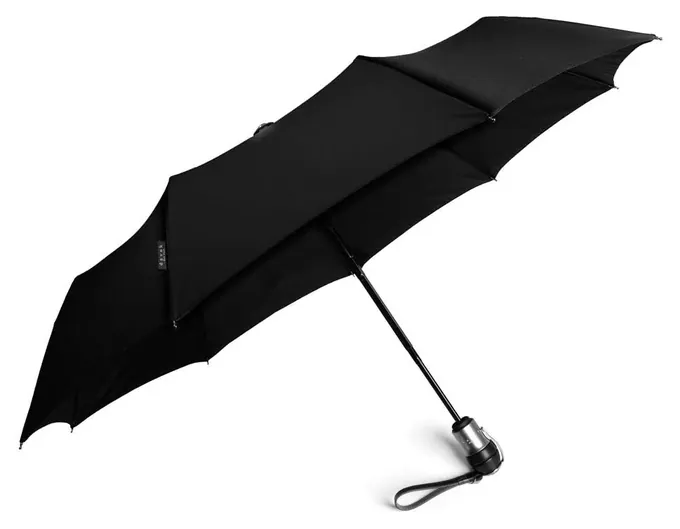
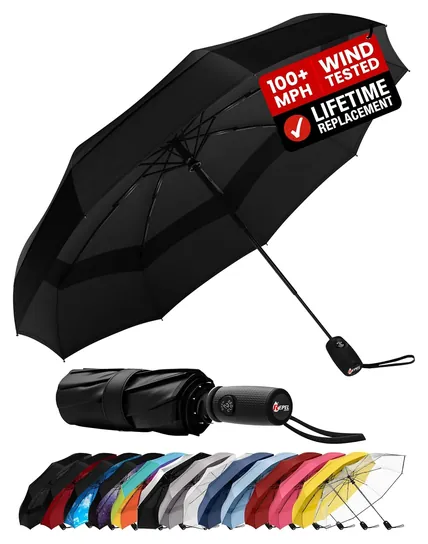
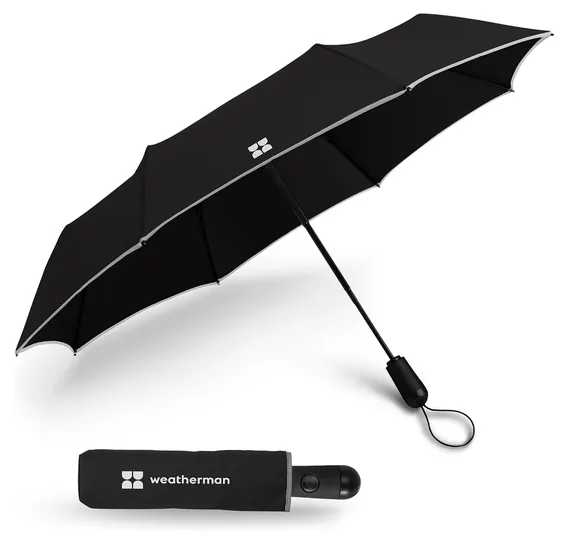
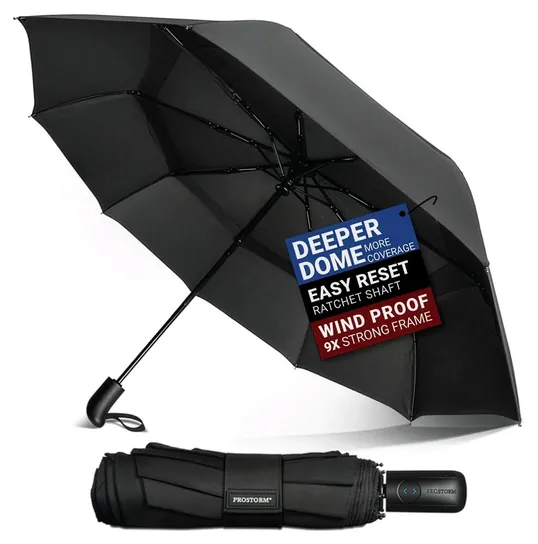
Editor's Notes
November 1, 2026, by Ezvid Wiki Editors:
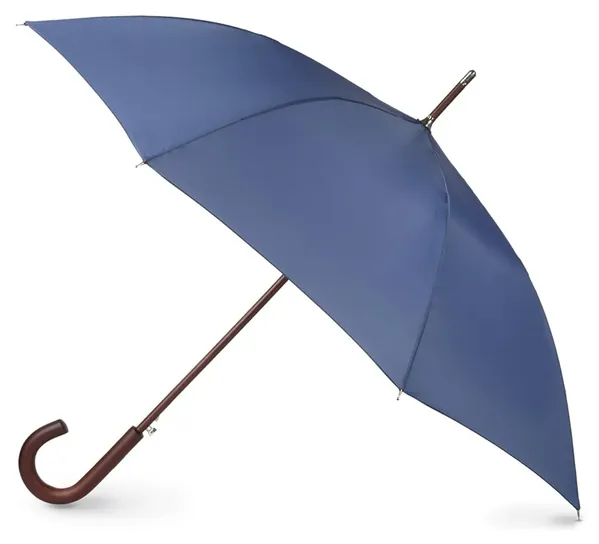
The Davek Solo moves to the front because its lifetime repair guarantee is real: Davek fixes or replaces a broken one, and a reviewer's copy has lasted more than 12 years. The Repel Easy Touch remains the low-cost answer: a sturdy vented folder that costs little.
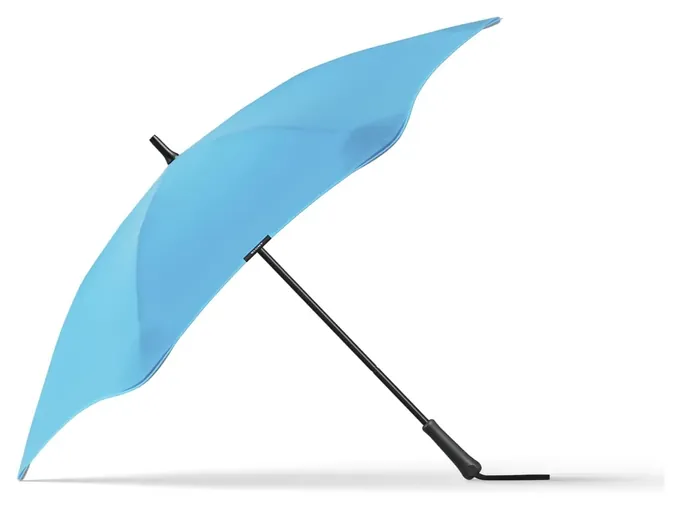
We weighed two long-running umbrella reviews that report how picks held up over years of rain, then read each maker's warranty terms, since a lifetime promise means little without them. That pulled in the Weatherman Travel, the Prostorm Vented Travel, the ShedRain Vortex V2 and the Blunt Classic, whose rounded tips matter on crowded sidewalks.
The Collar and Cuffs London, Balios Prestige Travel and Lewis N. Clark Travel stay, and the Totes listing is now a wooden-handled stick. We dropped the Kung Fu Smith Vintage, Saiveina Windproof, LifeTek Kingston 54 and Kolumbo WindMaster, look-alike folders with little behind them, and the Totes Signature Clear, a clear dome style. No brand here has an umbrella recall on file.
Earlier notes
February 3, 2020, by Karen Bennett:
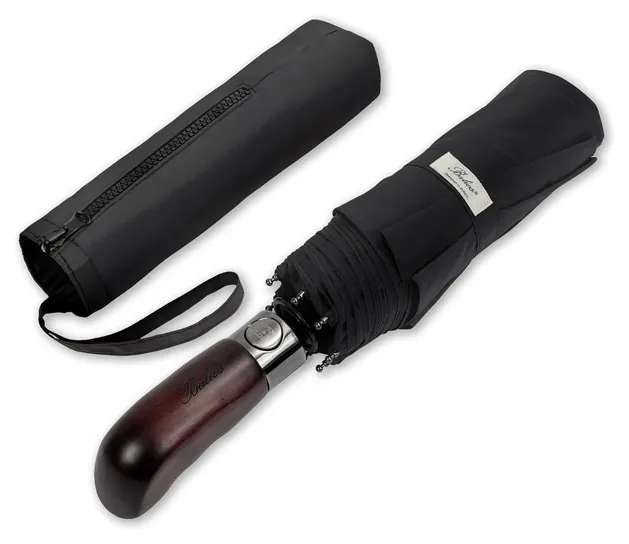
Designed in the United Kingdom, the newly added Balios Prestige Travel has one of the more elegant handles you’ll see on an umbrella; it's handmade from wood (and therefore, no two look alike), with finger-notches for comfort. The canopy’s material is highly water repellant, so excess water can be shaken off in no time and you won’t be carrying around a drippy umbrella all day long. It’s small enough that it’s an easy umbrella to travel with, yet large enough to cover you fully once the rain starts. It comes with a zippered sleeve that’s equipped with a wrist loop. It resists inverting with strong winds, which sets it above most others, and therefore is a good value for the price, which currently is less than $23. It’s also available in a wide variety of colors, so there’s something for you whether you prefer neutrals like black, navy, or brown, or vibrant options like aqua, orange, or red. It replaces the Crown Coast Travel on our list, which is no longer available at this time.
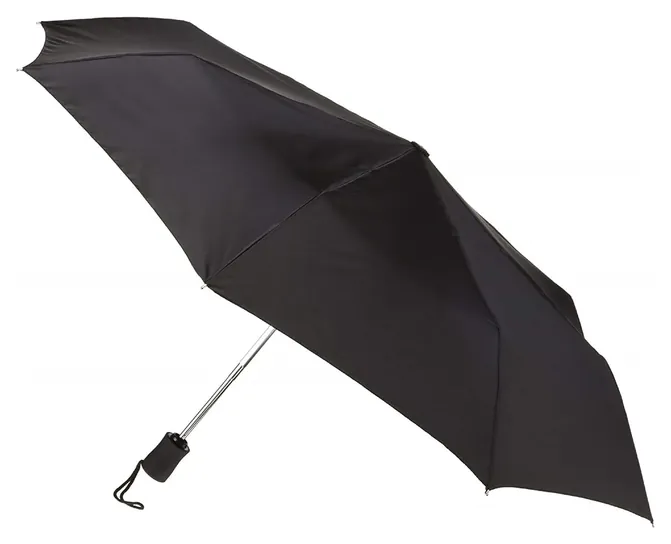
We kept the Collar and Cuffs London in the top spot, since it’s hard to beat when it comes to a sturdy design that you can rely on in a storm to help keep you dry and comfortable. The vented canopy allows wind to pass right through, but if it does become inverted, the flexible ribs will soon enough revert to their original position without any damage. For a highly compact and lightweight choice, look to the Repel Easy Touch, which won’t hog lots of space in your tote bag, briefcase, or backpack. What’s more, it’s light enough that you might not even notice it’s in there, until a storm comes on and it’s needed. And, it dries quickly, so you can tuck it away again soon after the rain has stopped.
Special Honors
Davek Elite Davek's full-length stick has a curved leather handle, a fiberglass shaft and frame, and the same lifetime repair guarantee and loss discount as its folders. It opens with a button and closes by hand. It costs well above any stick on this list, which is why it sits here. davekny.com
Size, Ribs And Vents
Full-length sticks usually open wider, around 43 to 48 inches, which covers a shoulder bag too, but they won't fit in a backpack.
Coverage comes first. Wired's umbrella reviewer suggests a canopy about 38 inches across or more if you want most of your body to stay dry; smaller pocket models trade coverage for size (Wired). Full-length sticks usually open wider, around 43 to 48 inches, which covers a shoulder bag too, but they won't fit in a backpack.
Then look at the frame. Eight ribs is a sensible minimum, and fiberglass beats plain steel because it bends in a gust and springs back instead of kinking. A vented, or double-layer, canopy lets wind escape through a gap near the top, so the cover is less likely to turn inside out (Wired). Ribs, vents and a solid shaft tell you more than any wind-speed figure on the box.
Wind Claims, Flips And Lightning
Wind ratings are maker claims. Repel's seller advertises a frame tested past 100 mph, Weatherman rates its travel model to 45 mph, and Blunt says its canopies hold to 115 km/h. None of them publishes a shared test method, so the numbers can't be compared, and a hard gust from behind can still flip almost any umbrella.
When one flips, press the close button or pull the runner down and push it back up, and a flexible frame usually snaps back into shape. Auto-close models fold the canopy at a press, but you still push the runner down the shaft by hand to lock it; a ratchet shaft, like the Prostorm's, lets you do that in stages (Wired).
In a thunderstorm, fold the umbrella and get indoors. The National Weather Service says no place outside is safe when thunder is heard nearby (National Weather Service).
Warranties, Loss And Care
Warranties vary more than prices suggest. Davek repairs or replaces a broken umbrella for life, and its loss program gives a one-time discount on a replacement (Davek guarantee, Davek loss protection). Weatherman and Prostorm cover defects for life but not wear, and Blunt covers two years, then repairs for a fee (Wired). A "lifetime replacement" line means little until you can read the terms.
Care is simple. Let an umbrella dry open after use, because one closed wet in its sleeve is how ribs and springs rust (Wired). Fabric matters here too: Reviewed found that some canopies dry slowly despite quick-dry claims, which makes drying them open more important (Reviewed).
How we researched this
We compared about 25 umbrellas, read makers' specs and warranty terms for the 10 finalists, drew on two long-term umbrella reviews from Wired and Reviewed, and checked every brand against the U.S. Consumer Product Safety Commission's recall database. Updated November 1, 2026 by Ezvid Wiki Editors.
Frequently asked questions
What are good umbrella brands?
Davek stands out for its lifetime repair guarantee. Weatherman and Prostorm cover defects for life, Blunt makes repairable frames with rounded tips, and Repel and Totes sell sturdy, low-cost designs. A brand that publishes its warranty terms is a safer bet than one that only advertises a promise.
How much should I spend on an umbrella?
A sturdy vented folder costs only a little more than a corner-store one and lasts far longer. Premium umbrellas cost several times as much; what you get is a better feel in the hand and, from some makers, a lifetime repair warranty.
Are windproof umbrellas really windproof?
No umbrella is fully windproof. Vented double canopies and fiberglass ribs resist flipping and spring back when they do flip, but wind ratings are maker claims with no shared test method.
Should I get a compact or a full-length stick umbrella?
A compact folder fits in a bag, so it's with you when rain starts, but most cover one person. A full-length stick opens wider and covers a bag too, but you have to carry it in your hand.
Does a rain umbrella block the sun?
Only if the maker rates the fabric. UPF tells you how much UV a fabric lets through, and UPF 50 blocks about 98 percent (Skin Cancer Foundation). Without a UPF rating, a rain umbrella makes no sun-protection claim.