The 7 Best Underlayments For Vinyl Flooring
Updated by · How we research

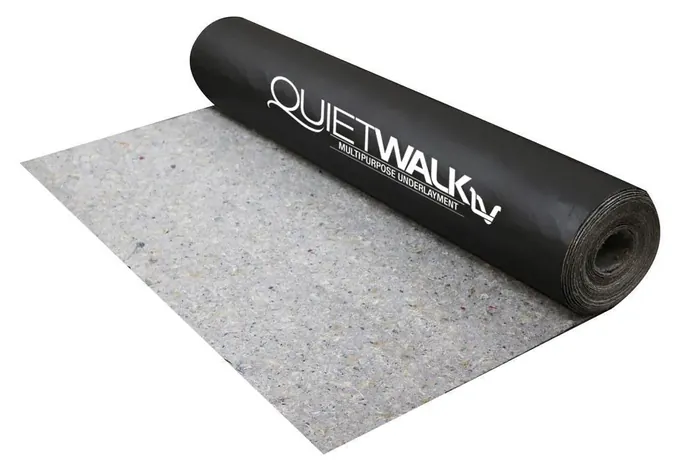
Seven vinyl underlayments and films compared on moisture, sound and padded-plank approval. QuietWalk LV leads for dense felt with a built-in vapor barrier. When users buy our independently chosen editorial recommendations, we may earn commissions to help fund the Wiki.
Many vinyl planks come with a foam or cork pad already attached, and laying a second soft layer under them can loosen the click joints and void the flooring warranty. So the right underlayment is often a thin, firm one, or just plastic film over concrete. This guide is for anyone laying click vinyl, rigid core or vinyl tile.


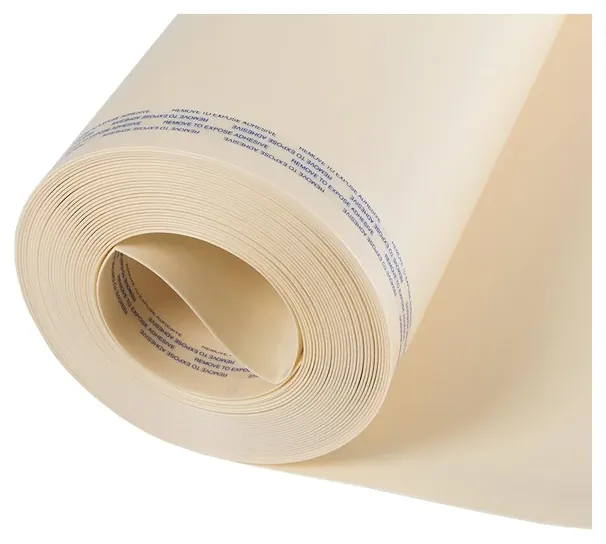
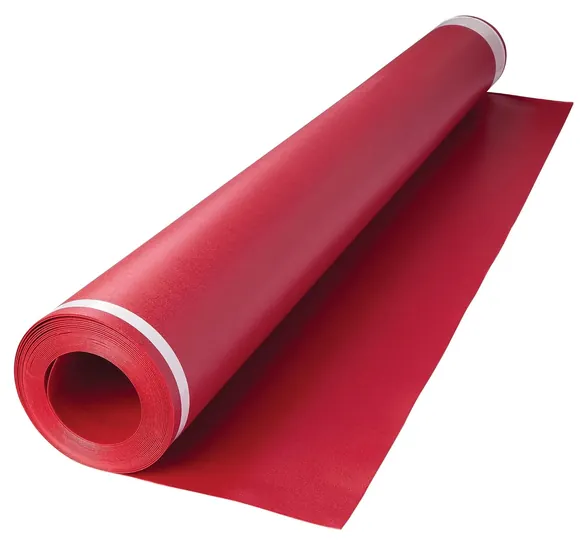
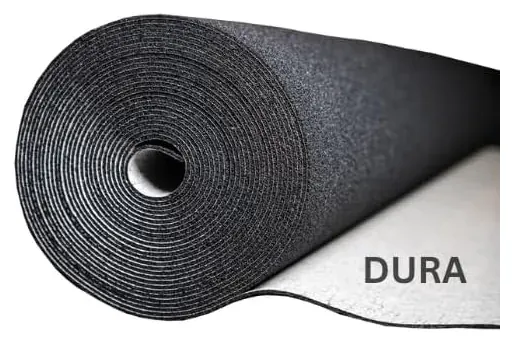
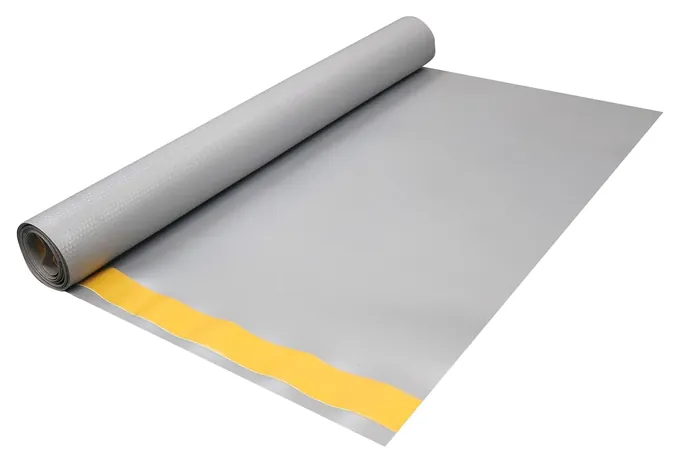
Editor's Notes
October 26, 2026, by Ezvid Wiki Admin:
QuietWalk LV takes first place since its maker approves it under planks that already have a pad, which is how most vinyl is sold now, and it carries its own moisture film for concrete. For this list we read the makers' sound and vapor ratings, an installer's guide and a flooring store's guide to what goes under vinyl, and the federal recall database.
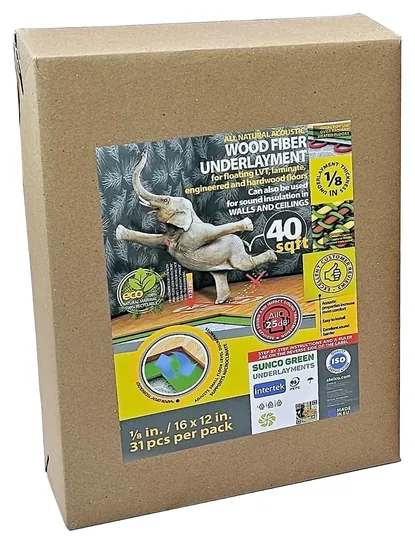
Several old picks were wrong for vinyl. Shaw Selitac is made for laminate and hardwood, and the TMS Mass Loaded Vinyl is a wall soundproofing sheet. BestLaminate Pro-Line, FloorLot Black Luxury and SoundBuffer Luxury can't be bought new anymore. The Roberts Moisture Barricade takes the place of the BestLaminate VisQueen film. The Floor Muffler LVT and STEICO Wood Fiber stay. New are the Roberts AcoustiShield for upstairs rooms, DuraPad rubber and the cheaper SoundStep LV.
November 12, 2020:
In this update, we decided to add MP Global QuietWalk, an environmentally-friendly option made from recycled fiber and treated to have antimicrobial properties. We also added FloorLot Black Luxury, which is especially easy to install thanks to the grid conveniently printed on the side to enable quick and precise measurement.
Though we found several other options advertised as being compatible with LVT as well as laminate and hardwood flooring, these were often at least 2 millimeters thick, which isn't ideal for LVT floors since underlayments designed specifically for vinyl fall within the 1-1.5 millimeter thickness range. While some claim that these options truly are as versatile as advertised, we felt that customers would be better off purchasing choices that were more specifically designed for LVT flooring. If you've got laminate flooring instead, check out our list of the best laminate underlayments.
December 06, 2018:
Grades of vinyl flooring differ somewhat, from the common (and wildly inexpensive) variety that offers no structural support to relatively firm planks and luxury vinyl tile that, in some cases, can mimic harder, laminate materials. If your plywood subfloor is in good shape, maybe stick with a straight-up vapor barrier like BestLaminate VisQueen, which is compatible with the thinnest flooring. Floor Muffler UltraSeal and BestLaminate Pro-Line are excellent for LVT installations, and Shaw Selitac comes with a handful of expert testimonials. Of course, you can't beat Steico Natural in terms of performance and moisture resistance, but due to its construction and the size of its available packages, it costs roughly an arm and a leg.
Check The Back Of Your Planks First
If your planks have no pad, you have a free choice of any vinyl-rated underlayment.
Turn a plank over before buying anything. Many click vinyl and rigid core planks come with foam or cork already bonded to the back. Floor & Decor says padded vinyl usually needs no underlayment over a wood subfloor, and suggests a vapor barrier when it goes over concrete.
Adding a second cushion is where people get into trouble. Paneltown, an installer and flooring seller, warns that too much padding lets the locking joints flex until the floor comes apart, which is why a double underlayment is generally not recommended. Most plank makers say the same thing in their installation guides, and an unapproved pad can void the flooring warranty.
A few underlayments are approved for padded planks. MP Global says so for QuietWalk LV and SoundStep LV, and the Floor Muffler LVT sheet from BuildDirect allows it too. If your planks have no pad, you have a free choice of any vinyl-rated underlayment.
Concrete Needs A Barrier, Wood Needs A Retarder
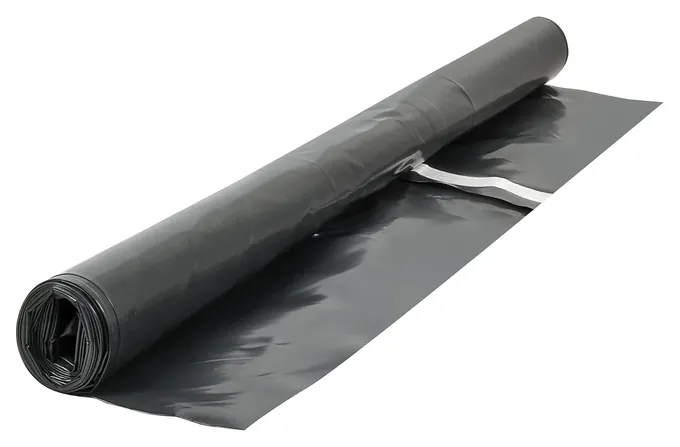
Concrete slabs give off moisture all the time, and it collects under a floor that can't breathe. Paneltown says a concrete subfloor needs a Class I moisture barrier, which in practice means 6 mil plastic sheet, while a wood subfloor needs only a Class II retarder that slows vapor without sealing it in. Plain foam is not a barrier at all and can hold water against the slab.
You can get the barrier two ways. Some underlayments carry it: QuietWalk LV has an attached film rated by MP Global at 0.12 pounds of vapor per 1,000 square feet a day (spec sheet), and the Floor Muffler LVT foam is closed-cell, so the foam itself blocks vapor. Others, like a felt or wood fiber layer, need a separate 6 mil film laid first, with seams overlapped and taped.
Over wood, skip the plastic sheet unless the flooring maker asks for it. A breathable layer such as wood fiber lets the subfloor dry out.
Thin, Firm, And Read Sound Ratings With Care
Vinyl planks are thin and flexible, so a soft cushion under them bends the joints with every step. Paneltown cites the common rule of thumb of 1 to 1.5 millimeters, and adds that density matters as much as thickness. That is why thick 3 millimeter laminate foams are left off this list, and why the 2 and 3 millimeter picks here are dense rubber and fiber board.
Sound ratings come in two kinds. IIC measures footstep noise through a floor and STC measures airborne sound such as voices. Delta IIC is how much the underlayment itself adds. Each maker tests on its own floor and ceiling setup, so a 70 from one brand isn't directly comparable with a 71 from another, and the Floor Muffler LVT shows different numbers on different sellers' sheets.
Two more traps. Mass loaded vinyl is a heavy sheet for walls and ceilings, not a pad for click floors. And Paneltown advises against electric radiant mats under floating vinyl unless the plank maker allows them.
How we researched this
We compared 20 underlayments, pads and vapor films, read the makers' spec sheets for sound ratings, vapor transmission, thickness and warranty where they exist, an installer's guide and a flooring retailer's guide to underlayment, and owner feedback, and checked every brand against the U.S. Consumer Product Safety Commission's recall database. We found no independent lab tests of underlayments, so the sound ratings on this page are the makers' own.
Frequently asked questions
Do I need underlayment under vinyl plank flooring?
Not always. Planks with an attached pad usually go straight onto a wood subfloor. Planks without a pad need one, and anything over concrete needs a moisture barrier. The flooring maker's installation guide has the final say.
Can I put underlayment under vinyl that already has a pad?
Only one approved for padded planks, such as QuietWalk LV or SoundStep LV. A second soft layer can let the click joints separate and may void the flooring warranty.
What should go under vinyl flooring on concrete?
A Class I vapor barrier: a 6 mil plastic film such as the Roberts Moisture Barricade, or an underlayment with a barrier built in. Overlap and tape the seams.
Is thicker underlayment better for vinyl?
No. Vinyl planks need firm support. Most makers cap underlayment thickness, often around 1 to 1.5 millimeters for foam, and a thick, soft pad lets the joints flex and the surface dent.
Can I use mass loaded vinyl under vinyl flooring?
It isn't made for that. Mass loaded vinyl is a dense soundproofing sheet for walls and ceilings, and it isn't sold as a support layer for click floors.