The 10 Best USB Microphones
Updated by · How we research

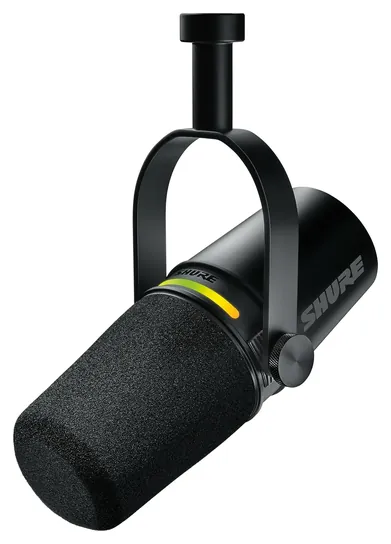
Ten USB mics for podcasts, streaming and vocals, compared by room noise rejection, XLR backup and included gear. The Shure MV7+ leads for ordinary rooms. When users buy our independently chosen editorial selections, we may earn commissions to help fund the Wiki.
Most home recordings sound thin and echoey because of the room, not the microphone. A dynamic mic held a few inches from your mouth ignores much of the echo and keyboard noise that a sensitive condenser picks up. USB models have the audio converter built in, so they plug straight into a computer, which suits podcasters, streamers, gamers, remote workers and home singers.


Editor's Notes
November 1, 2026, by Ezvid Wiki Admin:
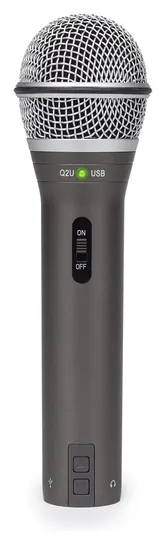
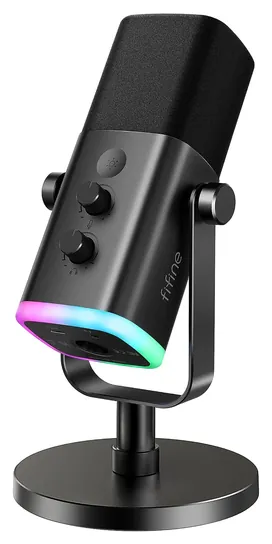
Most people record in ordinary rooms, where a dynamic mic that ignores the room beats a fancier condenser, which is why the Shure MV7+ heads this page. The Samson Q2U and FIFINE AmpliGame AM8 bring the same idea to lower prices, and all three also have an XLR jack for a mixer later.
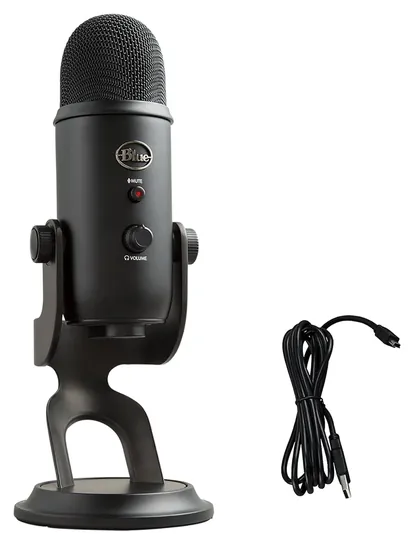
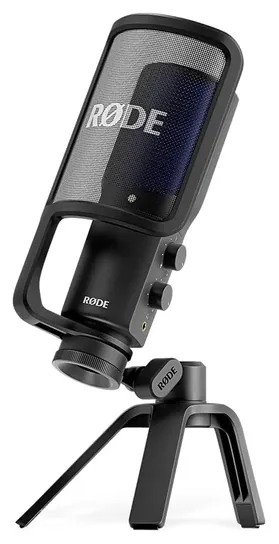
This page is back after a short break, with a mostly new lineup. The Blue Yeti stays for interviews and shared recording. The Rode NT-USB+ and HyperX QuadCast gave way to the Rode NT-USB+ and HyperX QuadCast 2. The Blue Snowball and Audio-Technica ATR2100 have left the market, while the ATR2500x, Apogee Hype Mic, JLab Talk Pro, CAD U37 and Blue Snowflake fell behind newer mics at similar prices.
For each finalist we read the maker's spec page, podcast-gear guides and tech-site reviews, then checked every brand against the CPSC recall database, which lists no microphone recalls.
July 28, 2020:
While Neewer does a pretty good job creating products that function well outside of their price ranges — especially in the camera equipment sector — their USB mic just wasn't good enough to stay on the list, certainly not when the JLab Audio Talk Pro is out there. The JLab might not have the most durable build (neither did the Neewer), but its sound quality is outstanding for the cost, with a 24-bit/192kHz sample in its analog to digital conversion.
It's important for anyone to keep an eye out for features that will help them with their specific needs. The multiple polar patterns of the Blue Yeti Silver are really useful if you're recording a solo podcast one day, then a conversation the next, and an instrument after that. But if all you need is a mic to track vocals over some music, it'd be better to focus on a model with less versatility and more pure sound quality, like the Audio-Technica ATR2500X.
Some of these models are going to come with useful accessories, as well, like desktop stands, pop filters, cables, and more. A few even have pop filters built-in, but one of the great things about an external filter (like the one that comes with the Apogee Hype Mic) is that you can set it a certain distance from the mic to ensure you don't come too close to it and pass by its sweet spot.
May 31, 2019:
On this update, we bumped the Blue Yeti Silver up from #5 to #2. In making this decision, we considered all the factors that set it above many of its competitors, including its fantastic sensitivity, practical simplicity, and the versatility provided by its multiple pattern selection. Worth mentioning, too, is its long-standing reputation in the broadcasting community.
We made the decision to cut the Blue Spark Lightning from our list, and in its place, we added the HyperX Quadcast at #6. We felt our options were a bit lacking for those in the market for a USB mic oriented towards gaming and live-streaming, especially thanks to its unique tap-to-mute function. Though the Blue Spark Lightning was one of the better models on the market in the years immediately following its release, we now deem it as one of the company's weakest units, and feel that it doesn't stand up to the robust competition it currently faces.
Special Honors
Audacity A free, open-source app for Windows, Mac and Linux that records straight from any USB mic and handles the basic editing a podcast or voice track needs: trimming, noise reduction and level matching. audacityteam.org
Dynamic Or Condenser: Start With Your Room
You have to talk close to it, about a hand's width away, but it ignores much of the room.
Most USB mics are condensers. They're sensitive, which makes voices sound detailed, but they also catch the echo off bare walls, a computer fan and the keyboard you type on. A dynamic mic is less sensitive. You have to talk close to it, about a hand's width away, but it ignores much of the room. The Podcast Host makes the same point: in an imperfect room, a dynamic such as the Shure MV7+ or Samson Q2U usually sounds cleaner than a condenser costing the same.
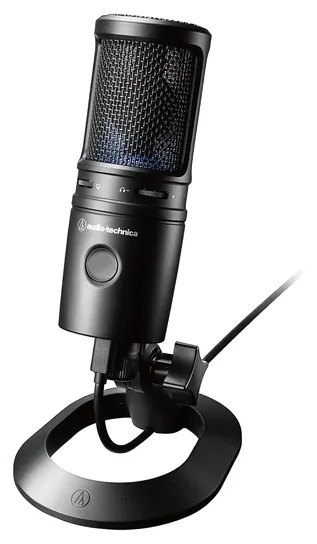
A condenser still makes sense in a quiet, furnished room, for singing, or for acoustic instruments, where detail matters more than noise rejection. TechRadar rates the Audio-Technica AT2020USB-X well for that kind of work. If your room is loud and you can't change it, pick a dynamic. Software noise removal helps a little, but it can't undo echo that's baked into the recording.
Placement, Pop Filters And Stands Do More Than Specs
Spec sheets list bit depth and sample rate, from 16-bit / 48 kHz up to 24-bit / 96 kHz. For speech, any of those is enough. Where the mic sits matters far more. Put it close to your mouth, a little off to the side so your breath doesn't hit it head on, and keep it away from the keyboard.
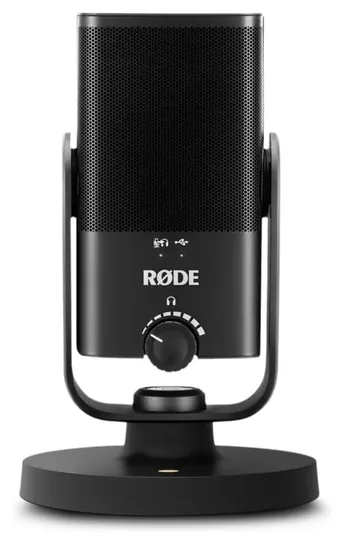
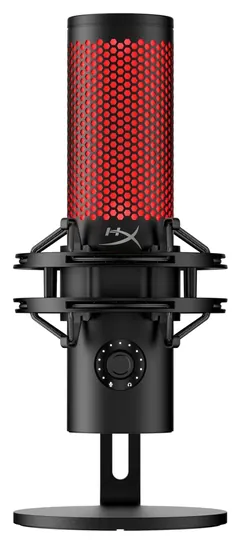
A pop filter or foam windscreen softens hard P and B sounds. Some mics build one in, like the Rode NT-USB Mini, and the Samson Q2U comes with a foam cover. A boom arm lifts the mic to mouth height and off the desk, so typing thumps don't travel up the stand. The HyperX QuadCast 2 has a shock mount built in for the same reason, a feature TechRadar counts in its favor. Plug the mic straight into the computer rather than a crowded, unpowered USB hub, since the mic draws its power from that port.
USB Now, XLR Later, And Recording Other People
A USB mic carries its own preamp and converter, so you don't need an audio interface. That's the whole appeal. Some models add an XLR jack too. The Samson Q2U, the Shure MV7+ and the FIFINE AmpliGame AM8 can feed a computer by USB today and a mixer or interface by XLR later, so the mic doesn't have to be replaced if your setup grows. Laptop Mag singles out that dual output on the Shure.
Extra pickup patterns, found on the Blue Yeti and HyperX QuadCast 2, only matter if two people share one mic or you record an interview across a table. Solo speakers should leave it on cardioid, the front-facing setting. And if you record calls or interviews, tell the other person first: several U.S. states require everyone's consent before a conversation is recorded.
How we researched this
We compared 17 USB microphones, read maker spec pages and box lists for the 10 finalists, weighed reviews from The Podcast Host, TechRadar and Laptop Mag, looked for patterns in owner feedback, and checked every brand against the U.S. Consumer Product Safety Commission's recall database. Prices were checked on November 1, 2026.
Sources (9)
- The Podcast Host: Best USB Mic for Podcasting
- Samson: Q2U
- Rode: NT-USB Mini
- TechRadar: HyperX QuadCast 2 review
- TechRadar: Audio-Technica AT2020USB-X review
- Laptop Mag: Razer Seiren V3 Mini review
- Laptop Mag: Shure MV7 review
- Elgato Wave:3 MK.2 review (syndicated via inkl)
- U.S. Consumer Product Safety Commission: Recalls
Frequently asked questions
Do I need an audio interface for a USB microphone?
No. A USB mic has its own preamp and converter, so it plugs straight into a computer. Mics with an extra XLR jack can also connect to an interface or mixer later.
Is a dynamic or condenser mic better for a noisy room?
A dynamic mic. It is less sensitive, so it picks up less echo, fan noise and typing, as long as you speak close to it.
Which USB mic is best for streaming?
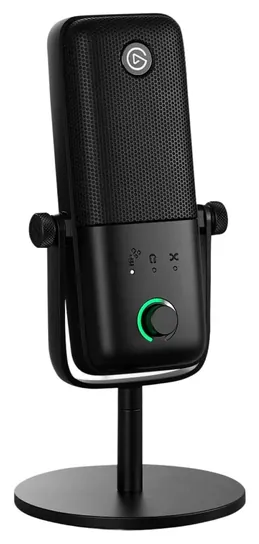
Look for clipping protection and software that mixes your stream separately from your headphones. The Elgato Wave:3 MK.2 has both, and the HyperX QuadCast 2 adds a built-in shock mount.
What is the best cheap USB microphone?
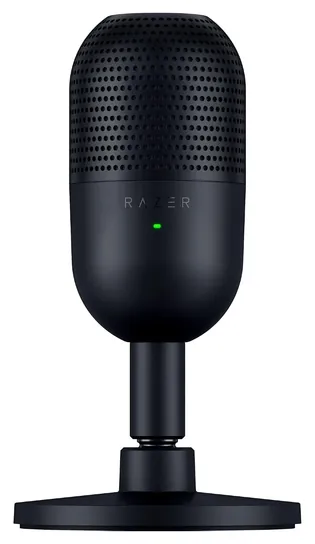
The Razer Seiren V3 Mini is a low-cost condenser for quiet rooms. The FIFINE AmpliGame AM8 is a low-cost dynamic that handles noisy rooms and adds an XLR jack.
Do I need a pop filter?
It helps with hard P and B sounds. Some mics have one built in, and a foam windscreen or clip-on screen costs little.