The 8 Best Turntables With Bluetooth Output
Updated by · How we research

Eight turntables that stream vinyl to wireless speakers and headphones, compared on automatic play, cartridge upgrades and wired outputs. Sony PS-LX3BT leads. When users buy our independently chosen editorial choices, we may earn commissions to help fund the Wiki.
Many record players advertised with Bluetooth can only receive sound from a phone; they can't send a record to your wireless speaker. Every deck here transmits, and each keeps a wired output for a stereo later. Bluetooth trims a little detail, so the cartridge and speakers still matter more. These picks suit beginners, collectors copying albums and casual listeners.


Editor's Notes
October 23, 2026, by Ezvid Wiki Admin:
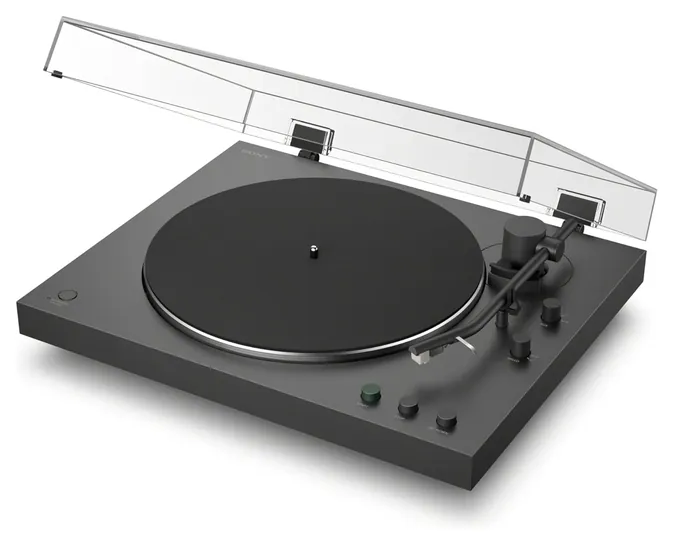
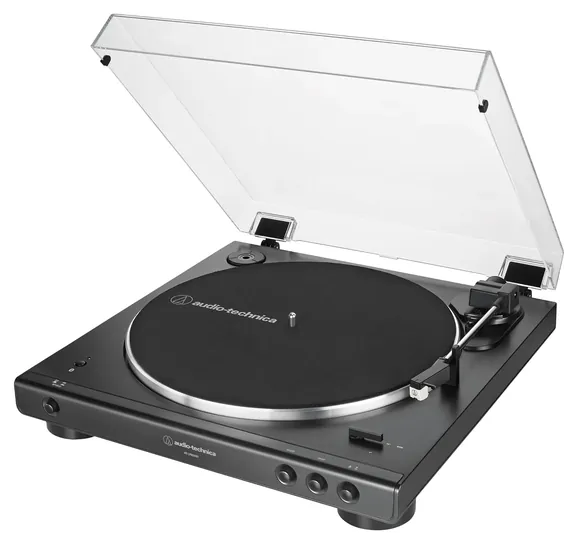
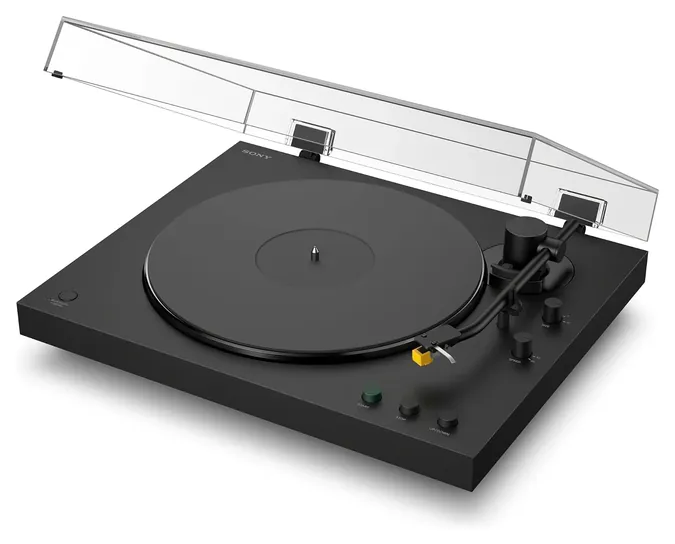
The Sony PS-LX3BT now leads this list. It replaces the Sony PS-LX310BT, which has left the market, and keeps the one-button play that made its predecessor a favorite with new collectors. The Audio-Technica AT-LP60XBT stays as the low-cost way in.
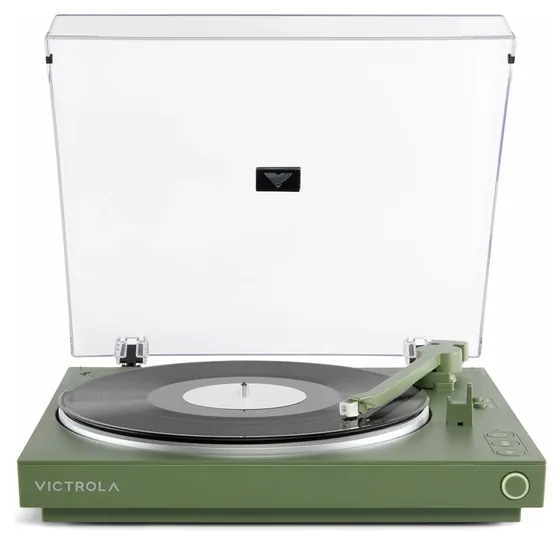
A lot of the old list had disappeared. The Pro-Ject T1 BT, Pro-Ject VT-E BT, ION Audio Air LP, Teac TN-280BT and House of Marley Stir It Up are no longer available. We dropped the Victrola VPRO-2000 because so many owners couldn't get its Bluetooth to pair, which is the one job this page asks of a deck. The 1byOne Belt Drive and Boytone BT-37B-C were speaker combos we can no longer recommend for records you care about. We also passed on a popular wood-look budget deck after a steady run of reports that it couldn't hold speed.
The biggest trap in this category is direction. Plenty of players labeled Bluetooth only receive music from a phone, so we checked that every pick transmits, using maker descriptions and a specialist retailer's charts that mark which way each deck streams, then read What Hi-Fi and TechRadar reviews and sorted owner complaints into pairing, speed and skipping problems.
July 01, 2020:
In the world of vinyl record buyers there is definitely a split between serious collectors and those who have a modest collection that they occasionally listen to for fun. For those in the latter category who definitely care about audio quality but don't want to pay the price for an audiophile-worthy machine, the best options on our list are affordable models like the Audio-Technica AT-LP60XBT and the Sony PS-LX310BT. These turntables are considered automatic, which means that after setting the size and speed of your record they will take care of dropping and retracting the needle by themselves. They also have a button which mechanically raises or lowers the needle but holds it in place laterally, which simulates a sort of pause function. They may have fixed cartridges that can't be replaced and counterweights that can't be adjusted, but they will sound perfectly fine to most people's ears.
If even the aforementioned models seem too expensive, you may want to check out budget options like the ION Audio Air LP and Boytone BT-37B-C. These selections will get the job done, but be aware that these types of players tend to apply a lot of tracking force with their unbalanced tonearms. This can cause damage to records over time, and while this won't be a problem for most people it means that they shouldn't be used to play collectible records. Though they are adequate, when placed next to more expensive models it wouldn't be hard to notice their generally poorer build-quality and audio fidelity.
Those who are interested in a more robust, old school record player should check out midrange options like the House of Marley Stir it Up and Teac TN-280BT. You can tell that these players are more robust just by looking at them due to their inclusion of actual counterweights and anti-skate controls, as well as a proper headshell assembly. Automatic functions are sacrificed in turn, but these features allow you to get a great sound from your records by dialing in your tonearm or even upgrading your cartridge down the line.
Most record players with Bluetooth transmission capabilities are on the lower-end of the spectrum compared to turntables at large, and this is because of the way Bluetooth itself works. By definition it is a compressed digital audio format, and in most cases it is incapable of streaming the full quality of a vinyl record to wireless speakers and headphones. While this generally leads to the assumption that there's no point in making a high-end turntable with this capability, models like the Pro-Ject T1 BT and Pro-Ject VT-E BT are some of the very few players which feature both Bluetooth transmission and super high-end components such as glass platters and Ortofon cartridges. These options are, unsurprisingly, far more expensive. Unless you crave durable materials or are looking for something that you can also integrate into an actual Hi-Fi for premium sound-quality, these models might not be worth the price.
Besides those with Bluetooth output, we've written articles about the best turntables with USB output, the [best portable models], and those that resemble vintage designs.
Special Honors
JBL Spinner BT Wirecutter's Bluetooth pick, the JBL Spinner BT is a semi-automatic belt-drive deck with an Audio-Technica cartridge on a removable headshell, a preamp you can bypass and a high-resolution aptX transmitter. JBL sells it directly and through hi-fi dealers. jbl.com
Bluetooth Out, Bluetooth In
A player with Bluetooth input has a receiver: its own speakers play music from a phone, but the record stays on those speakers.
The words "Bluetooth turntable" cover two opposite things. A deck with Bluetooth output has a transmitter: it sends the record to wireless speakers, a soundbar or headphones. A player with Bluetooth input has a receiver: its own speakers play music from a phone, but the record stays on those speakers. Many cheap all-in-one players only do the second. Look for "transmit" or "output" in the maker's description. Turntable Lab marks the direction for each model it sells, which saves guesswork.
A deck can only pair with one Bluetooth device at a time in most cases, so plan on one speaker or one pair of headphones. Every pick here also has wired RCA outputs with a switchable phono preamp. Set the switch to line for powered speakers or a receiver without a phono input, and to phono for an amp that already has one. That wired path is your upgrade route later, and it sounds a little better than Bluetooth.
The Vinyl Record Day roundup is a useful second view of what's on the market, including high-end decks with transmitters.
Automatic, Manual Or Direct Drive
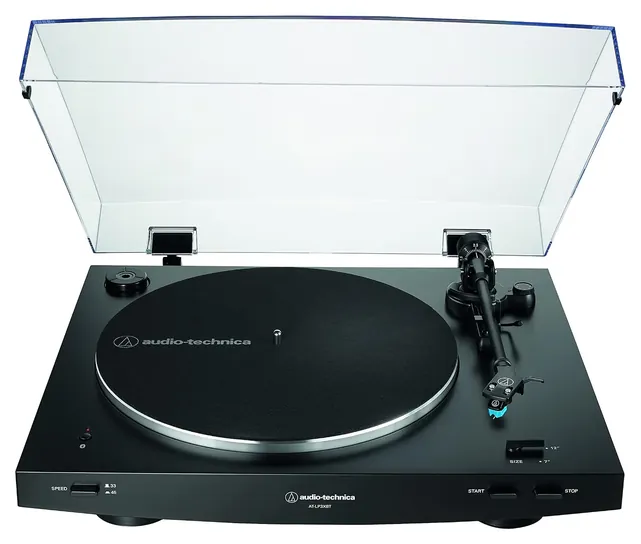
An automatic turntable lowers the needle, plays the side and lifts the arm back to its rest when the side ends. It's the right choice for beginners, kids and anyone who doesn't want to hover over the deck. The Sony and most Audio-Technica picks here are fully automatic. What Hi-Fi calls the Sony PS-LX3BT a plug-and-play deck, and that is the point of the type.
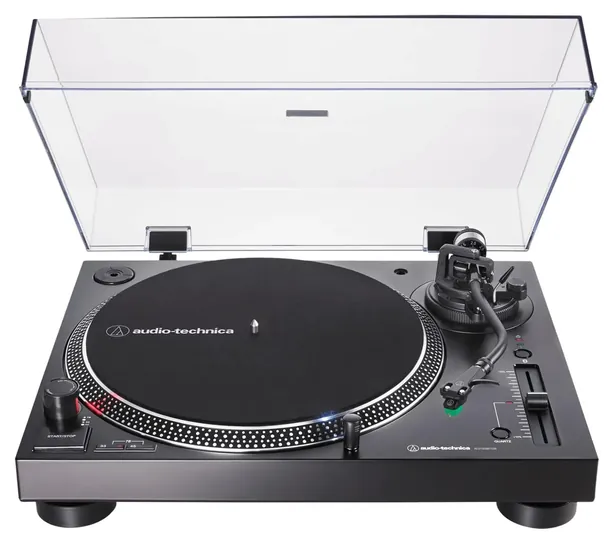
A manual deck makes you cue the arm yourself, and it usually gives you more to adjust: a counterweight for tracking force, anti-skate and a removable headshell. Direct drive means the motor turns the platter itself instead of through a belt, so it reaches speed almost at once and holds it steadily. The Audio-Technica AT-LP120XBT-USB adds a pitch slider, 78 rpm for old shellac records and a USB port for copying albums to a computer.
Belt drive is not a weakness at this level. The belt isolates the platter from motor vibration, and belts are cheap to replace when they stretch after a few years.
The Cartridge Matters More Than The Radio
Bluetooth compresses the signal, and the receiving speaker decides which codec you get. Sony and Audio-Technica decks support aptX and aptX Adaptive, but if your speaker only supports the basic SBC codec, that's what the turntable falls back to. Even so, the stylus, cartridge and speakers shape the sound far more than the wireless link does.
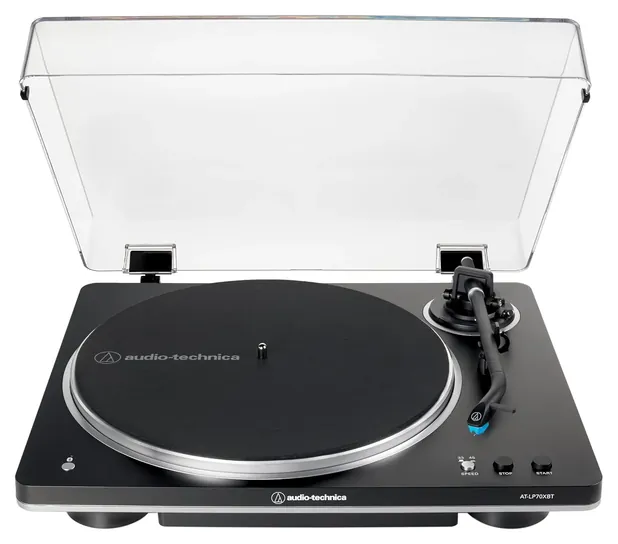
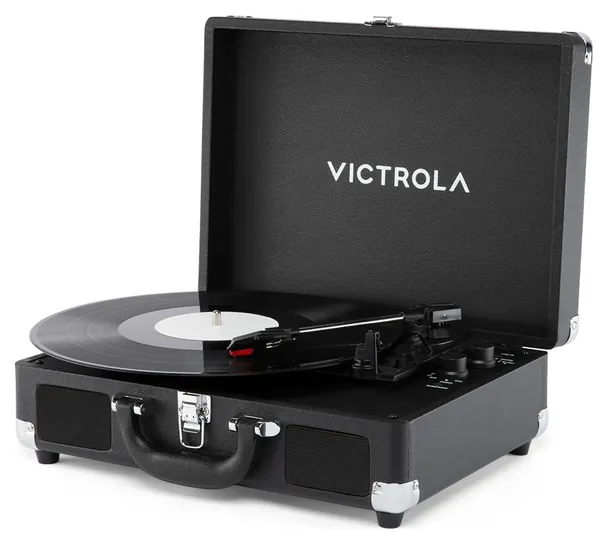
Most picks use a moving-magnet cartridge with a diamond stylus. A ceramic cartridge, common in suitcase players, needs more downward force and wears grooves faster, so keep rare records on a better deck. Styli wear out; check how easy a replacement is before you buy. The TechRadar review of the AT-LP70XBT points to its swappable stylus family as a reason it stays useful for years, while fixed cartridges on the cheapest decks are replaced as a unit.
Turntables are low-voltage devices, but recalls happen. In 2023 Victrola recalled one wood Bluetooth record player for overheating (CPSC). It is not on this list, and none of our picks has a turntable recall.
How we researched this
We compared 20 turntables and record players with Bluetooth, checked that each finalist transmits rather than only receives, read the published specifications for the 8 finalists, used What Hi-Fi and TechRadar reviews and specialist retailer charts, analyzed owner feedback for patterns such as pairing failures, speed drift and skipping, and checked every brand against U.S. Consumer Product Safety Commission recalls.
Sources (7)
Frequently asked questions
Do turntables with Bluetooth sound good?
Yes, through decent speakers or headphones. Bluetooth compresses the signal a little, so a wired connection sounds slightly better, but the cartridge and speakers make a bigger difference than the wireless link.
What's the difference between Bluetooth output and input?
Output means the turntable sends the record to a wireless speaker or headphones. Input means the player's own speakers play music from a phone. Many all-in-one players only have input, so check for output before you buy.
Can I connect a Bluetooth turntable to AirPods?
Yes. AirPods pair like any Bluetooth headphones. They don't support aptX, so the deck uses the basic codec, and most turntables connect to one device at a time.
Do I need a separate preamp?
No. Every turntable on this list has a built-in phono preamp you can switch on for powered speakers or switch off for an amp with its own phono input. Bluetooth works without one.
Is a record player the same as a turntable?
People use the words interchangeably. Strictly, a turntable is the deck alone, and a record player adds its own amplifier and speakers, like a suitcase player.