The 8 Best Bass Shakers
Updated by · How we research

Eight tactile transducers for couches, recliners and sim rigs, compared on power, amp needs and mounting. The Dayton Audio BST-1 leads on value and warranty. When users buy our independently chosen editorial picks, we may earn commissions to help fund the Wiki.
A bass shaker makes almost no sound of its own. It's a small motor that bolts under a couch or chair and shakes it with the low notes, so you feel an explosion instead of only hearing it. It needs its own amplifier and adds to a subwoofer rather than replacing one. It suits movie fans, gamers and sim racers.


Editor's Notes
October 23, 2026, by Ezvid Wiki Admin:
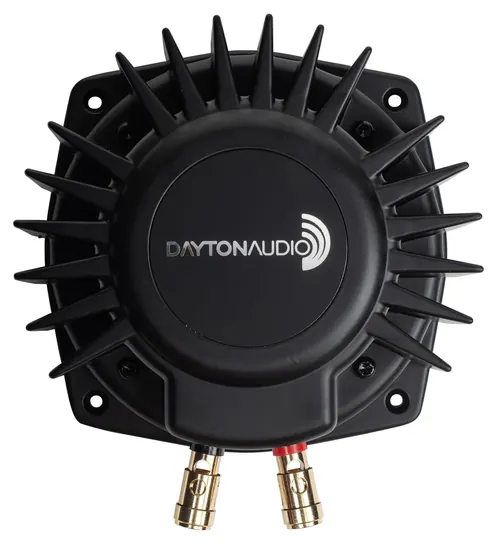
ButtKicker, the name most people know in this category, is off the list. Every ButtKicker transducer, from the Mini LFE to the LFE, showed as sold out on the maker's own store when we checked, and none of the four we used to list could be bought new from a major retailer. That opened the top spot to the Dayton Audio BST-1, which runs well on a cheap amp and carries a five-year warranty.
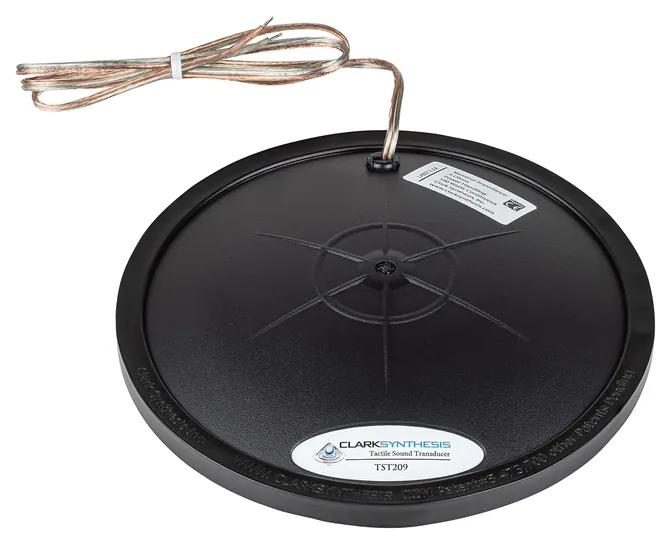
We also dropped the two pricey Clark Synthesis models, the Gold and the Platinum. Only third-party sellers carried them, at several times the price of Clark's own Clark Synthesis TST209, and there was little owner feedback to go on. The TST209 takes their place as the flat, one-per-seat option.
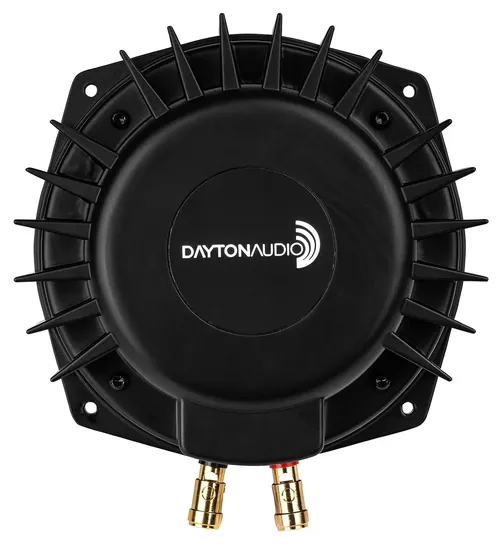
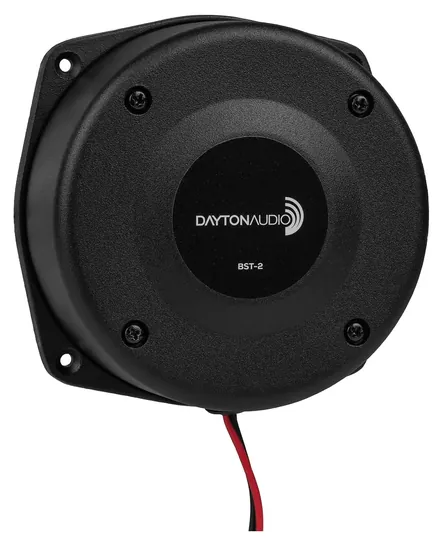
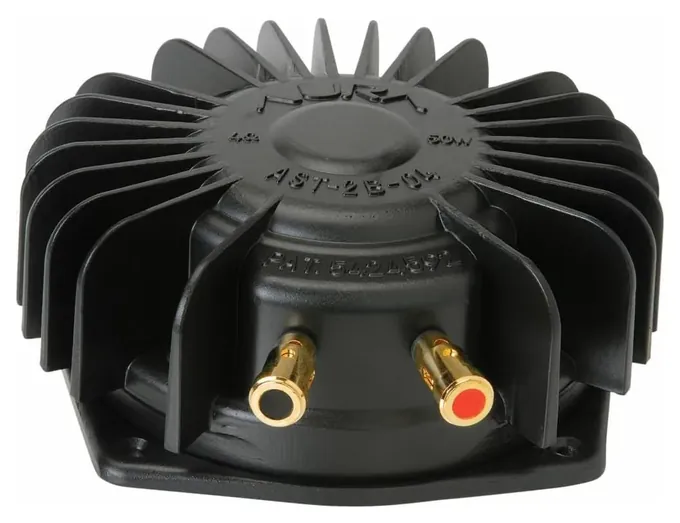
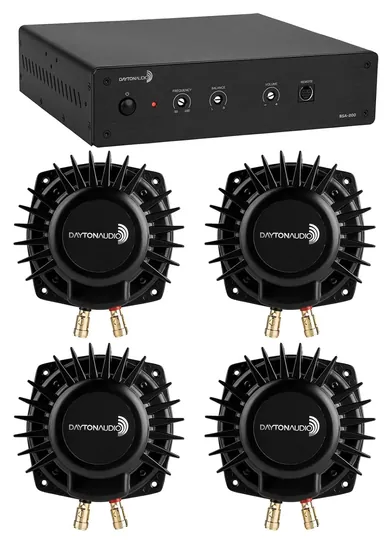
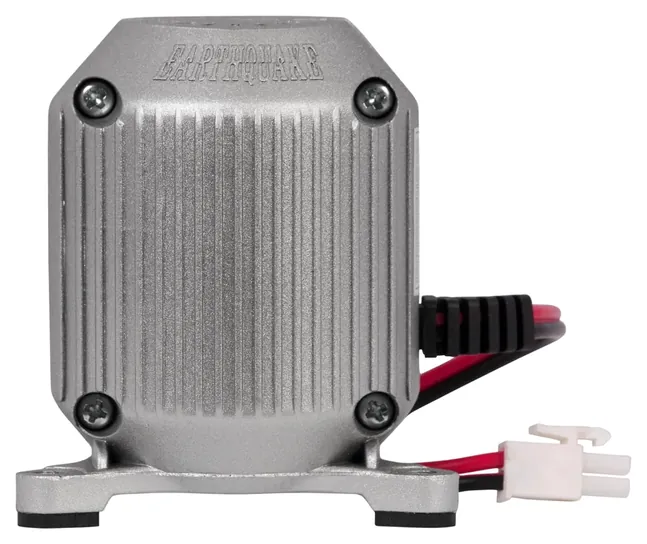
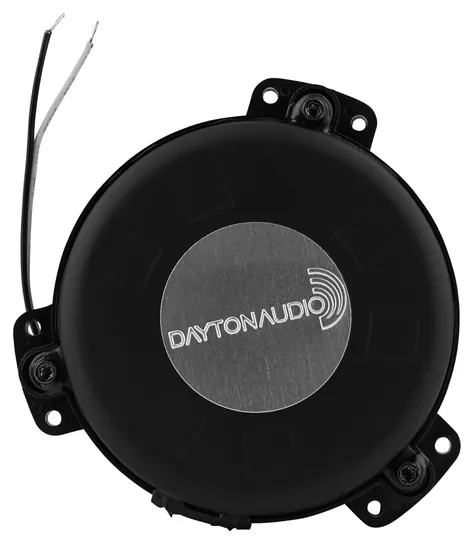
The AuraSound AST-2B-4 Pro, the Earthquake Sound MQB-1 and the Dayton Audio TT25-8 all stay. New are the Dayton Audio BST-300EX for heavy seating, the Dayton Audio BST-2 as a cheap first try, and the Dayton Audio BSA-200 Bundle for anyone wiring a whole sofa at once.
The power and impedance ratings here come from the makers and their sellers, and the setup advice leans on a long owner thread about cheap shaker builds, since no lab we could find has measured these units side by side. The list stops at eight because the best-known brand is out of stock everywhere and the remaining options were copies or thinly documented.
December 09, 2020:
This time around, we removed the SubPac wearable transducer because of a couple long-term design flaws, plus the fact that it's almost impossible to get your hands on one at this point. If you are looking for a haptic feedback vest, we've highlighted one in our special honors that promises to be highly advanced.
The ButtKicker Advance remains the top performer, especially for the price, due to its impressive low-frequency extension. The ButtKicker LFE doesn't get quite as low, but is notably louder, and works very well in a variety of applications. Rounding out their range are the ButtKicker Mini and ButtKicker Gamer 2, both of which are built to smaller scale and work better for chairs, or in multiples.
Both the Clark Synthesis Gold and Clark Synthesis Platinum come highly recommended from the most demanding multimedia enthusiasts. In fact, the Platinum is so powerful that you'll need isolators for your furniture. The Gold is also very high-quality, although it isn't incredibly sensitive, and so doesn't do the best with movies that aren't very dynamic. The Earthquake MQB-1 is focused somewhat more on the mid-range than the ultra-low-end, but for its cost, it makes a great addition to a racing sim. The Dayton Audio Puck and AuraSound Pro, on the other hand, are excellent all-around performers with low profiles and reasonable prices, that should work well for almost any installation. Keep in mind that in most setups, you'll need a dedicated amp to power any of these.
March 07, 2019:
Explosions don't just sound loud, they also feel loud. But it's not exactly a subwoofer's job to produce those vibrations; a sub is meant to create the sound itself. So once you've plugged in a quality subwoofer, the next step is a sound transducer, which makes those loud bangs and booms feel as real as they sound.
To that end, the oh-so-endearingly-named ButtKicker brand makes some truly high-quality equipment. The standard LFE module has long been appreciated as powerful and effective, though it's not necessarily the best value. Their Advanced model reaches all the way down to 4 hertz, and as such is one of the best options for capturing a truly cinematic feel. They also offer a Gamer model, which clips conveniently to an office or gaming chair, and makes every single gunshot and collision feel like you're right there near it. The AuraSound and Dayton products are relatively modular, in that they're inexpensive, and you can install as many as you need to suit your furniture and home theater configuration. They're also decent for car audio purposes, though the Dayton Puck may be one of the best for that, simply because it's quite small compared to the rest.
Clark Synthesis makes a number of models focused on the high-end home theater segment. Their Gold and Platinum operate at much higher frequencies than the rest, which helps to recreate all sounds, in addition to just the lowest ones. And the SubPac is particularly interesting for virtual reality use, where realism is literally the name of the game, and a sound exciter strapped to your back can do wonders for total immersion. Whichever you choose, be certain to use the right size amplifier for the transducer, and make absolutely sure to wire everything properly. Safety is always paramount, especially when dealing with high-wattage signals.
Special Honors
Crowson Shadow-8 Crowson's two-piece actuator system sits under a couch's front legs instead of bolting to the frame, and the company says it installs in under 15 minutes with no changes to furniture or flooring. Home theater enthusiasts often call Crowson the high end of tactile bass. It costs far more than a shaker kit and runs on Crowson's own amplifiers. crowsontech.com
bHaptics TactSuit For gamers, especially in VR, bHaptics takes a different route: a vest lined with small vibration motors that respond to hits and sounds across the chest and back. The Air and Pro models work with a long list of supported games. It's worn rather than mounted, so it suits players who sit in a different seat every time. bhaptics.com
Feel, Not Volume: What A Shaker Adds
A bass shaker, also called a tactile transducer, is a motor with a heavy moving part inside.
A bass shaker, also called a tactile transducer, is a motor with a heavy moving part inside. Bolted to a couch, chair or riser, it shakes the furniture in time with the lowest notes in a soundtrack. It makes very little sound on its own, so it doesn't replace a subwoofer. The sub makes the boom you hear; the shaker adds the jolt you feel, which lets some people run the sub a little quieter at night.
Shakers only need the deep bass. Owners on an AV Nirvana thread about building a cheap shaker setup suggest cutting everything above roughly 50 Hz, so voices and music don't buzz through the seat. Most small amps built for shakers have a knob for this.
Power ratings vary a lot across the category. Budget units take a few dozen watts, while ButtKicker rates its big LFE model for at least 400 watts (ButtKicker). ButtKicker's whole range of transducers was listed as sold out on its own store when we checked (ButtKicker), which is why it's missing from this list.
Every Shaker Needs Its Own Amplifier
No shaker powers itself. You feed it from the subwoofer output of a receiver, split off to a separate amplifier, and the amp drives the shaker. Budget for that amp from the start: a small subwoofer amp that handles one or two 50-watt units costs about as much as one shaker. Dayton's BSA-200 amp is sold alone or in a bundle sized for four.
Match the amp to the load. Impedance, given in ohms, tells you how hard the shaker pulls on the amp. Many amps make less power into an 8-ohm unit than into a 4-ohm one, so a big 8-ohm shaker needs a stronger amp than its watt rating suggests. Going the other way, a small 50-watt shaker on a very powerful amp can be damaged if the volume goes all the way up.
Wiring several shakers together changes the load the amp sees. Two 4-ohm units in series look like 8 ohms; two in parallel look like 2 ohms, which many amps can't handle. The AV Nirvana thread also warns against hanging a string of shakers on a home theater receiver's own speaker outputs. Check the amp's manual for the lowest load it supports.
Mounting: Where They Go And How Many
A shaker works best bolted firmly to the frame of the seat, close to where you sit. Thin panels and loose boards rattle, and soft cushions soak up the motion. Most owners use two per seat, one near the front and one near the back, or one per cushion on a sofa. Some premium designs are meant to work alone: Clark Synthesis says its TST209 needs only one per seat.
There's another approach for people who don't want to drill into furniture. Crowson's actuators sit under the furniture's legs and move the whole piece, and the company says they install in under 15 minutes with no changes to the furniture or floor (Crowson). They cost far more, and they need Crowson's own amps.
A few practical points. Keep the wires clear of the moving parts in power recliners. Fix the shaker so it can't work loose and drop onto the floor. And remember that strong low bass travels through floors and shared walls, so neighbors in an apartment may feel a late-night movie too.
How we researched this
We compared 16 bass shakers, kits and companion amplifiers and screened eight finalists in depth. We read the makers' product pages for ButtKicker, Crowson, Clark Synthesis, Earthquake Sound and Dayton Audio, sellers' spec sheets for power, impedance and warranty, an AV Nirvana owner thread on shaker setups, and patterns in owner feedback, and we checked every brand for recalls with the U.S. Consumer Product Safety Commission. No independent lab has measured these units side by side, so ratings here are the makers' own.
Frequently asked questions
What is a bass shaker?
It's a tactile transducer: a motor with a heavy moving part that bolts to a seat and shakes it in time with the lowest bass, so you feel effects as well as hear them. It makes very little sound itself.
Does a bass shaker replace a subwoofer?
No. A subwoofer makes the deep sound you hear, and a shaker adds the motion you feel. They work best together, both fed from the receiver's subwoofer output.
Do bass shakers need an amplifier?
Yes. None of them power themselves. Plan on a separate amp sized for the shaker's watt rating and impedance, fed from the subwoofer output, with the crossover set low so only the deep bass reaches the seat.
How many bass shakers do I need for a couch?
Most owners use two per seat, or one per cushion on a sofa. A full three-seat couch often takes four. A few premium flat designs, like the Clark Synthesis TST209, are sold as one per seat.
Can I use a bass shaker on a gaming or office chair?
Yes. Small puck-style units screw under a desk chair and run from a tiny amp. Heavier units suit sim racing rigs and recliners, where there's a solid frame to bolt to.
Will my neighbors feel it?
They might. Strong low bass travels through floors and shared walls, so in an apartment, keep the level moderate late at night.