The 7 Best Cattle Prods
Updated by · How we research

Seven battery and rechargeable livestock prods compared on safety, sealing, shaft and power. The Hot-Shot DuraProd DX36 leads for daily work with cattle. When users buy our independently chosen editorial choices, we may earn commissions to help fund the Wiki.
The best-known maker of cattle prods publishes no shock rating at all, and the 12,000-volt figures in cheaper rods' ads are unmeasured claims, so "strongest" is mostly marketing. A prod is a livestock tool that works only on contact. This list is for ranchers, dairy hands, vets and hog farmers moving animals through chutes and trailers, not for self-defense.





Editor's Notes
October 26, 2026, by Ezvid Wiki Editors:
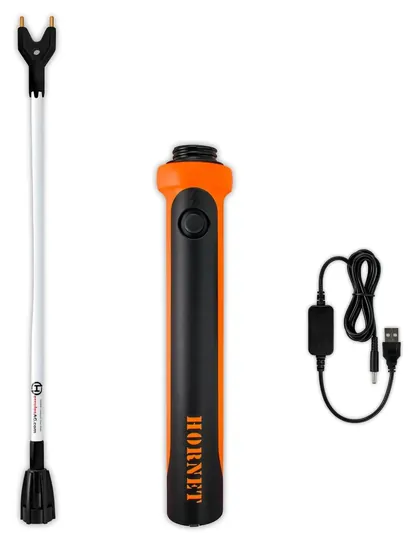
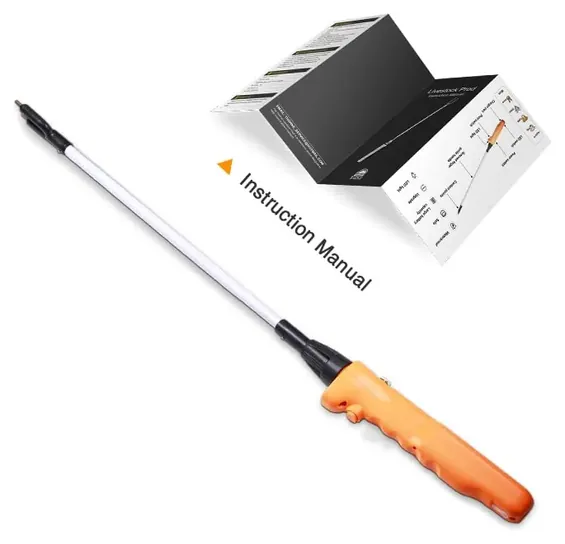
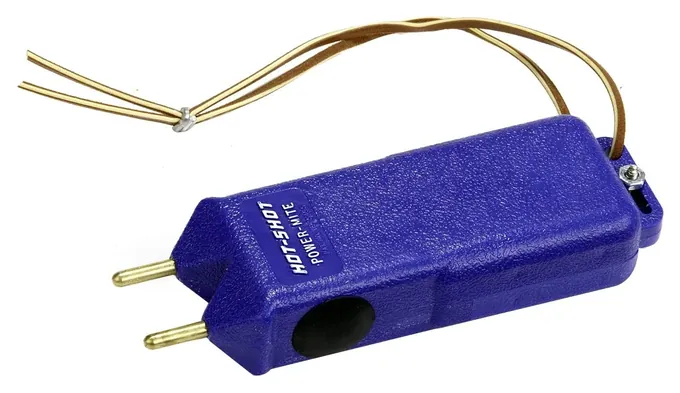
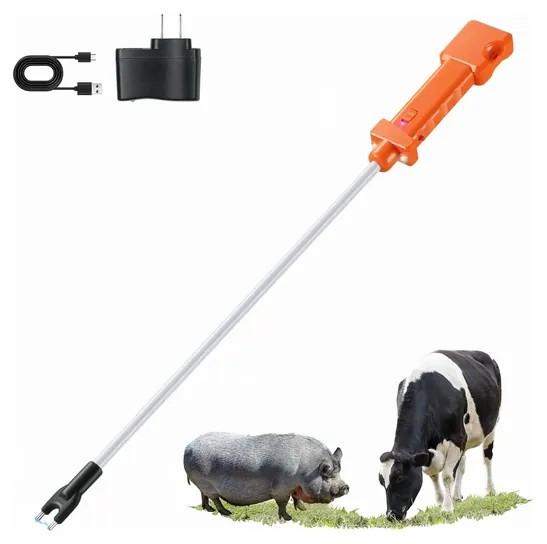
The Hot-Shot DuraProd DX36 stays on top. Its circuit cuts the jolt that can bounce back to the handler, it has a real safety switch, and its maker still sells parts for it. The Thorne Waterproof is now sold as the West Thorne Pro, a rechargeable rod, and it stays. So does the Hot-Shot Power-Mite for close work. The old Miller SS-36 lives on as the Hot-Shot Sabre-Six, so that entry now points to the current version. The Magrath 34-Inch, MZA Orange, Hot-Shot HS2000 48-inch and Shzicmy 32-Centimeter have all left the market. New this time are the Hot-Shot Green One, the HerculesAG Hornet 2600 and the low-cost Outphorce CP-100.
The question readers ask most is which prod is strongest, and nobody can honestly answer it. Hot-Shot prints no shock figure, the voltage numbers on cheaper rods are unmeasured, and a cattle forum thread on the subject reached the same dead end. So we ranked on sealing, handler safety, spare parts and warranty, working from Miller's and HerculesAG's own pages, the USDA rule on electric prods in slaughter plants, and a recall search for every brand.
As before, we take no side on whether prods belong on a farm. We don't recommend them for self-defense either. They work only on contact, and they're made for thick-hided livestock.
Earlier notes
October 6, 2020, by Luke Perrotta:
We take no particular stance on the issue of whether or not it is cruel for people to use electric cattle prods. Some people who work with livestock find it necessary to use them in order to effectively do their jobs, so we've compiled this list with that audience in mind.
While many people purchase cattle prods with the intention of using them to defend against human assailants or aggressive dogs, these tools aren't designed for that purpose and shouldn't be used to that end. These implements are meant for large animals with thick hides precisely because livestock can safely withstand shocks that could legitimately endanger smaller creatures. If you're looking for a non-lethal way to protect yourself, check out our recommended defense keychains or the best self-defense sprays.
An important trade-off to consider when you're looking to buy a cattle prod is that of length versus durability. The longer the shaft of the prod, the more safely you can herd or subdue your stock with it, but as length increases, so does the risk that the shaft will break when subjected to stress. Longer prods like the Hot-Shot HS2000 or the Miller DX36 tend to be more desirable for people who keep lots of animals or a few very large ones, and therefore can't get very close to them. Shorter prods, like the Hot-Shot Power Mite, are better for those who have small and docile animals that they can easily approach.
Special Honors
Hot-Shot Sorting Pole Not every animal needs a shock. Hot-Shot's sorting pole is a flexible, vinyl-covered stick with a golf-style grip that lets a handler steer and sort livestock with steady pressure instead of pain. Miller sells it in several lengths, and it's the tool many low-stress handlers reach for first. miller-mfg.com
Shaft, Power And Handler Safety
Hot-Shot's DuraProd adds a circuit meant to reduce the shock that can feed back to the person holding it.
Start with distance. A long shaft lets you reach a steer's hindquarters from outside a chute or over a gate, while a pocket prod like the Power-Mite suits vets and anyone working shoulder to shoulder with animals in a squeeze. Shafts come stiff or flexible. Stiff fiberglass shafts reach and aim better but can snap under a hoof or a gate. Flexible shafts bend out of the way. Either kind is replaceable on the better prods, so a broken shaft costs a part, not a new handle.
Power is the next choice. Hot-Shot's classic handles take four or six C cells, which you can buy anywhere and swap in seconds. Rechargeable rods such as the Hornet 2600 save on batteries but stop when the charge runs out, so a charge gauge is worth having. Cheap lithium rods also tend to vary in build from unit to unit.
Finally, look for handler safety: a switch or clip that stops accidental firing, a finger guard, and a sealed motor that keeps out rain and manure. Hot-Shot's DuraProd adds a circuit meant to reduce the shock that can feed back to the person holding it.
How Strong Is A Cattle Prod?
A prod sends short pulses of high voltage at very low current through two contacts at its tip. The shock hurts, but it isn't meant to injure a large animal with a thick hide (Wikipedia). Small prods run on two 9-volt batteries, and full-size ones on C cells or a lithium pack.
What no one can tell you is which prod is strongest. Hot-Shot, the best-known maker, publishes no output voltage or energy figure. Cheaper rods claim 8,000 to 12,000 volts in their ads, but no lab or trade magazine has measured any of them, and the numbers aren't comparable from one seller to the next. A Steer Planet forum thread on the question ended with no clear answer. In practice, a well-sealed motor, fresh batteries and solid contacts matter more than a big number in an ad.
A prod is also not a self-defense tool. It works only on contact, it has no range, and it's built for livestock. If you're looking for personal protection, look at tools designed for it and check your local laws first.
Using A Prod Humanely, And What The Rules Say
Low-stress handling experts such as Temple Grandin treat the electric prod as a last resort. A flag, a paddle, a sorting pole or a better-built alley moves most animals with less stress and fewer injuries. When a prod is needed, touch the rump or hindquarters only. Never use it on the face, udder, genitals or anus, don't use it on young calves, and don't shock the same animal over and over. Give the animal room to move away, since that's the whole point.
U.S. slaughter plants work under a federal rule, 9 CFR 313.2, that says electric prods must be used as little as possible. Plug-in prods there must be reduced to the lowest effective voltage, and no higher than 50 volts AC. Inspectors can stop excessive use. The rule doesn't cover farms, but it's a sound standard for anyone.
For care, keep the contacts clean, take alkaline batteries out before storing a prod for the season, and don't leave a handle lying in standing water.
How we researched this
We compared 17 cattle prods, read the makers' pages for the Hot-Shot line, the Hornet 2600 and their spare parts, looked at farm forum threads and owner feedback patterns, read the USDA rule on electric prods in slaughter plants, and searched the U.S. Consumer Product Safety Commission's recall database for every brand. No lab or trade magazine has published a test of cattle prods. Updated October 26, 2026 by Ezvid Wiki Editors.
Sources (10)
Frequently asked questions
What is a cattle prod?
It's a hand-held tool with a battery, a circuit and two metal contacts at the tip. A touch gives a short, painful shock that makes cattle, hogs or other large livestock move away. Designs range from pocket size to a long shaft.
How many volts is a cattle prod?
Hot-Shot, the best-known maker, doesn't publish an output figure. Cheaper rods claim 8,000 to 12,000 volts, but no one has measured them independently, so the numbers can't be compared. Current stays very low by design.
Can a cattle prod be used for self-defense?
It isn't made or sold for that. It works only on contact, it has no reach, and it's designed for thick-hided livestock. Rules on shock devices vary by place, so check your local law before carrying one.
Where should you touch an animal with a prod?
Only on the rump or hindquarters, and only after a flag or paddle hasn't worked. Never on the face, udder, genitals or anus, and not on young calves. Don't shock the same animal repeatedly.
Are rechargeable prods better than battery prods?
They save money on batteries and are lighter, but they stop when the charge runs out. C-cell prods can be swapped back to full power in seconds and have long track records. A charge gauge helps a lot on a rechargeable.