The 9 Best Clay Cooking Pots
Updated by · How we research

Oven-only bakers or stovetop clay? Nine clay cooking pots compared on heat source, glaze and care, with the Romertopf 15005 as our top pick. When users buy our independently chosen editorial choices, we may earn commissions to help fund the Wiki.
Sudden temperature change, not wear, breaks most clay pots: a cold pot on a hot burner or cold water poured into a hot one can crack it. Treated gently, clay heats slowly and holds that heat, which suits beans, braises, rice and roasts. This guide is for cooks who want that slow, moist cooking and a pot with a safe glaze.


Editor's Notes
October 23, 2026, by Ezvid Wiki Editors:
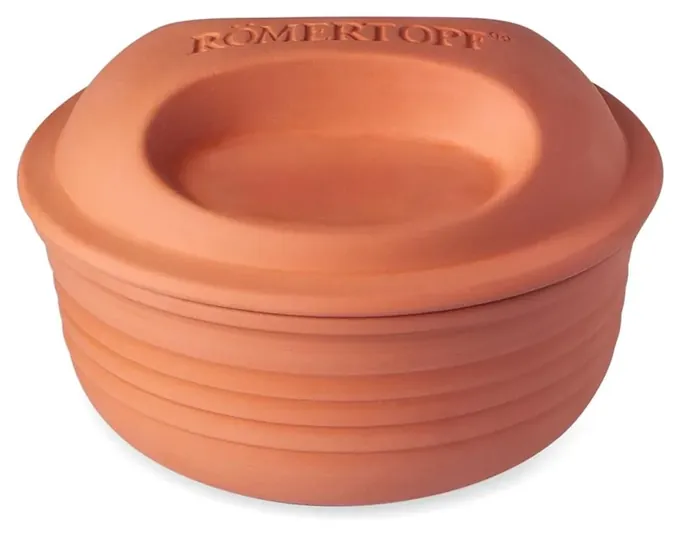
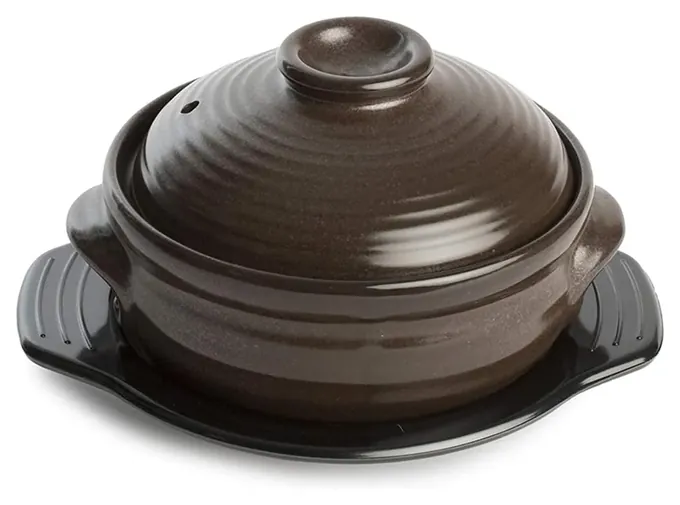
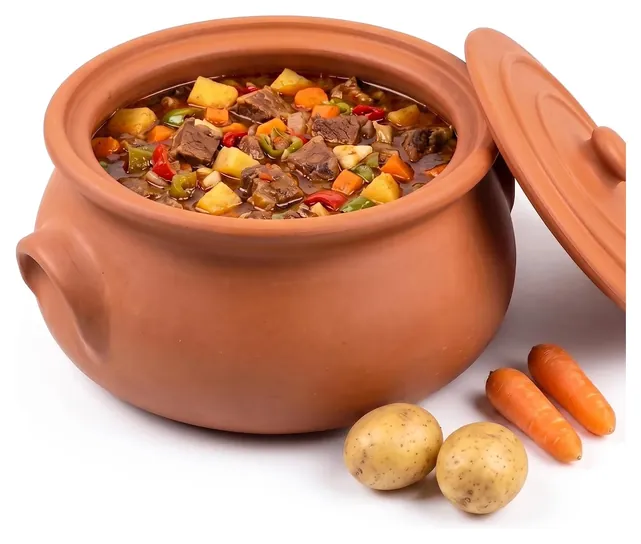
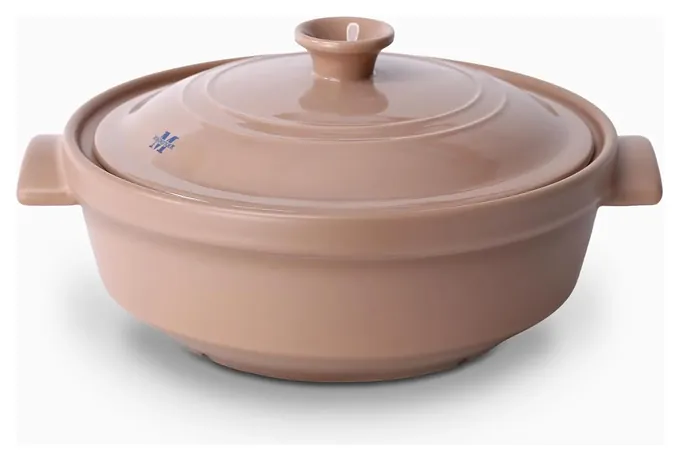
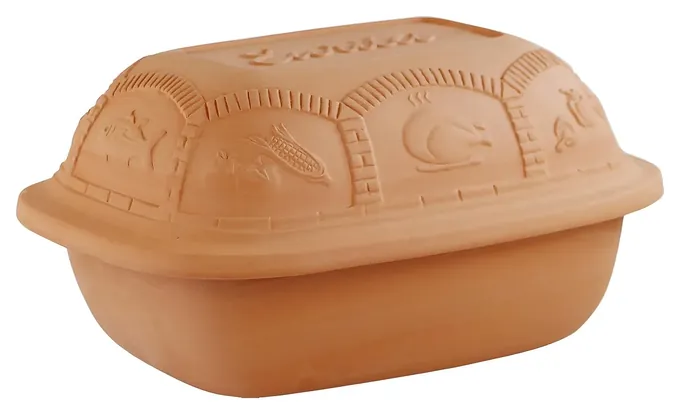
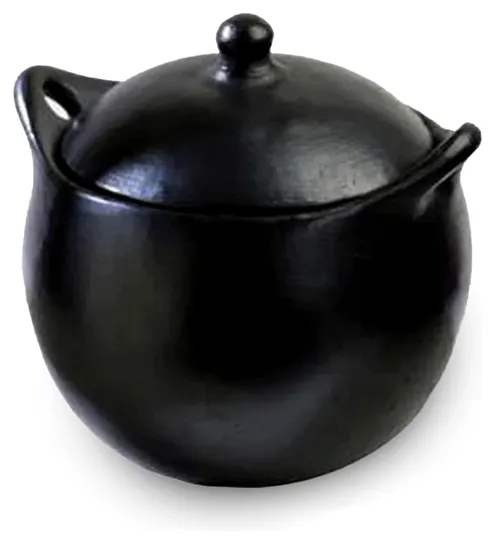
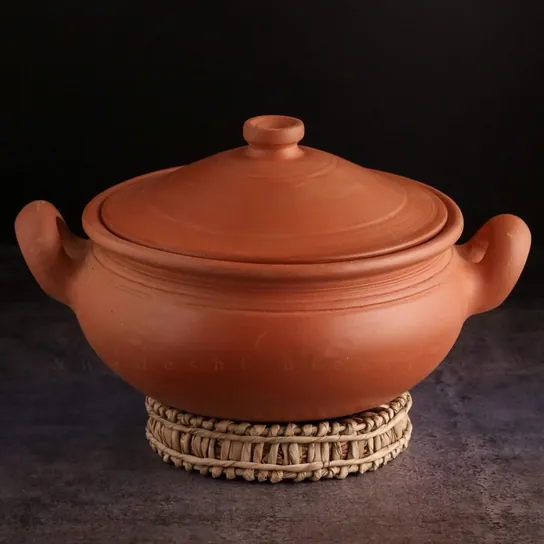
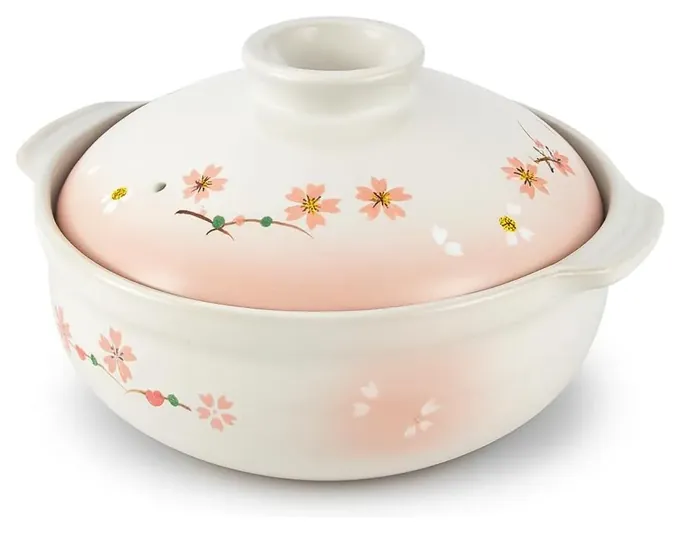
A soak-and-bake roaster is the simplest way to start cooking in clay, so we put the Romertopf 15005 ahead of everything else. Romertopf has been making them longer than anyone else here. The Ancient Cookware La Chamba and the Crazy Korean Cooking Dolsot stay on as the stovetop picks, joined by a big Turkish pot, a glazed pot shaped like a Dutch oven, a larger roaster, a black bean pot for a crowd, an Indian handi and a donabe.
The Raphael Rozen Tagine, the Kinto Kakomi IH Donabe and the Peregrino Terra Cotta Cazuela are no longer sold, so they're gone. We also dropped the VitaClay Slow Cooker, which is an electric appliance, plus a yogurt pot, a set of ramekins and a stockpot that didn't fit the topic.
The biggest risk with clay is lead from a badly fired glaze, so we read the FDA's guidance on glazed pottery and noted which makers state their glazes are lead free. We found no lab results to back any of those statements, so the page says whose claim each one is.
Earlier notes
February 26, 2021, by Chris Gillespie:
For over 12,000 years clay pots and cookware have been used across cultures and geographies for roasting, baking, steaming, and braising. The porous material allows for heat and moisture to circulate around the dish while it cooks, making food tender and juicy while retaining vitamins and minerals that otherwise would be lost in the process. In this ranking, we selected a number of different styles to reflect traditional cooking techniques from around the world.
Unglazed earthenware, such as the Romertopf by Reston Lloyd is a little more difficult to clean and needs to be soaked in water before use, however, recipes do not require as much oil or fat because the clay naturally draws out the rich flavors by heating evenly and recirculating steam. Glazed pots on the other hand are more versatile and often have a higher temperature range. The Raphael Rozen Tagine, for example, is ideal for cooking meats and vegetables and keeps food moist thanks to its conical-shaped lid that collects evaporation then drips the juices back onto your food.
In this update, we removed the Ancient Cookware Cazuela and the Ancient Cookware Thai Medium over concerns about availability. In their place, we added the Ahua Stockpot, which, as well as having an eye-catching leafy pattern, is ideal for Soups, Stews, and Casseroles. It is oven safe up to 600 degrees centigrade, however, its plastic handle prevents the lid from being used at this temperature. Also included is the Shabana Art Potteries Yogurt Pot, this Indian design is unglazed, which allows the moisture in the curd to be absorbed and doesn't require refrigerating, rather, when placed in a cool environment, the pot will do its job to produce rich creamy yogurt. Finally, we switched the TianJi Purple Slow Cooker for the VitaClay Slow Cooker, which has four cooking modes and is roomy enough to feed a family. Its handy programmable timer makes preparing dinner very easy, especially when preparation time is limited.
January 29, 2019, by Melissa Harr:
Investigated various offerings made from clay, including terra cotta, ceramics, and unglazed options. For visual appeal combined with usability, it's tough to beat the Ancient Cookware La Chamba, Romertopf by Reston Lloyd, and Kinto Kakomi Ih Donabe, although the latter is rather pricey. Also selected the TianJi Purple Slow Cooker, which combines the benefits of clay with the ease of a slow cooker, and the Vyatka Ceramics Ramekins for the fun they bring to the kitchen.
Special Honors
Toiro A U.S. shop that imports Japanese donabe, including Iga-yaki pots from the Nagatani-en workshop. It's a good place to look for a donabe made for dry heating or for induction cooktops, styles that are hard to find elsewhere. toirokitchen.com
Emile Henry A French ceramic cookware maker that has worked in Burgundy since 1850. Its Flame line is glazed ceramic made to sit on a burner, a pricier route to a stovetop clay pot. emilehenry.com
Miriam's Earthen Cookware A small U.S. maker of unglazed pots, pans and bakers shaped by hand from clay dug and tested in the U.S. It sells only through its own site. miriamsearthencookware.com
Oven Baker Or Stovetop Pot: Match The Clay To Your Heat
You soak the pot in water for at least 15 minutes, put it in a cold oven and let the heat rise with it, so the water in the clay turns to steam around the food.
Clay pots fall into two camps, and mixing them up is how most get broken. Soak-and-bake roasters such as the Romertopf are for the oven only. You soak the pot in water for at least 15 minutes, put it in a cold oven and let the heat rise with it, so the water in the clay turns to steam around the food. Putting one on a burner, or into a preheated oven, risks cracking it.
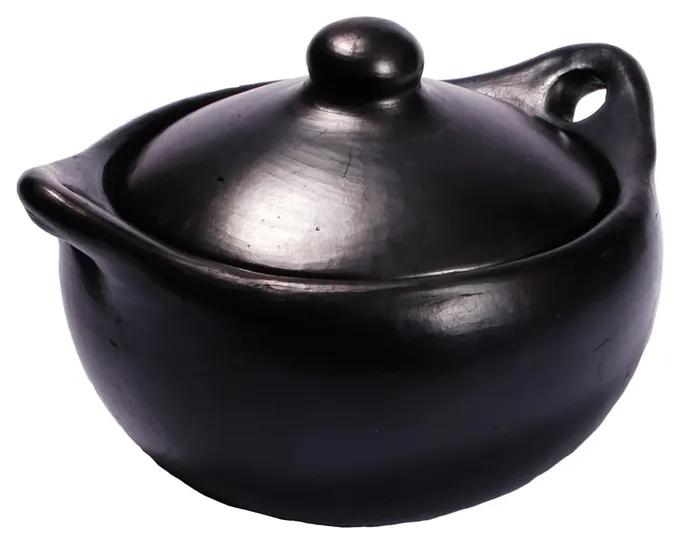
Stovetop clay is made differently. Black La Chamba pots from Colombia, Turkish and Indian terracotta pots, Korean stoneware and Japanese donabe can sit over a gas flame, and most makers allow electric coils too. Keep the heat low at first and raise it slowly. A flat heat diffuser between the burner and the pot spreads the heat and is worth using on electric coils with any bare clay pot.
Induction is the exception. Ordinary clay doesn't work on an induction cooktop, as cookware sellers such as Sur La Table point out, unless the maker builds in a metal base or sells it as induction-ready. None of the pots on this list makes that claim.
Glazed, Unglazed And The Lead Question
The real safety question with clay cookware is the glaze, not the clay. The FDA warns that lead can leach into food from glazes that weren't fired properly. Traditional and handmade pottery is the main concern, including some pieces labeled lead free, along with antiques, chipped or worn glazes and bright orange, red or yellow decoration. Washing or boiling a pot doesn't remove the lead, and acidic foods such as tomato sauce or wine draw out more.
Every lead-free statement on this page is the maker's own, and we found no independent lab result for any of these pots. For a handmade glazed pot, a home lead swab kit is a cheap check, and a pot marked "not for food use" should never hold food.
Unglazed pots, like black Chamba clay and bare terracotta, have no glaze to leach. The trade-off is that bare clay soaks up flavors and stains, and it needs seasoning and gentler care. Glazed pots clean up more like ordinary cookware.
Seasoning, Soaking And Everyday Care
Most clay pots need some care before the first meal. The Colombian Chamba seller Toque Blanche says to fill a new black clay pot about three-quarters full of water and heat it in a 400-degree oven for 30 minutes, then let it cool and dry, and to cook a few saucy dishes in it before eggs or fish. Soak-and-bake roasters need their soak before every use.
Sudden temperature changes break more clay pots than anything else. Don't pour cold liquid into a hot pot, don't move a pot straight from the fridge into a hot oven and don't set a hot pot on a cold, wet counter. Wash bare clay with warm water and a soft brush and skip the soap, which the clay can absorb, then let it dry completely so it doesn't grow mold.
Japanese donabe have their own rules: dry the outside before it goes on the flame, heat it gradually and never heat it empty. Fine crackling in a donabe glaze is normal. A Korean dolsot was traditionally carved stone; most sold today are glazed stoneware that holds heat long enough to crisp the rice at the bottom.
How we researched this
We compared about 20 clay and stoneware cooking pots, read makers' care and safety statements, the FDA's guidance on lead in glazed pottery and cookware sellers' care guides, looked at long-term owner feedback, and checked every brand for recalls with the U.S. Consumer Product Safety Commission on October 23, 2026.
Sources (11)
- FDA: Questions and answers on lead-glazed traditional pottery
- NPR: Can your ceramic cookware give you lead poisoning?
- Wikipedia: Romertopf
- Wikipedia: Donabe
- Wikipedia: Dolsot
- Sur La Table: natural clay pots
- Toque Blanche: seasoning your new Chamba cookware
- Magnifique
- Hakan: clay pots for cooking
- Romertopf
- U.S. Consumer Product Safety Commission: recalls
Frequently asked questions
Is cooking in a clay pot healthier?
We found no lab evidence that clay makes food healthier. Clay cooks slowly and gently and keeps moisture in, which many cooks like for beans, braises and rice. Claims about alkaline clay or added minerals are marketing.
Can a clay pot go on the stove?
Only if the maker says so. Soak-and-bake roasters are for the oven only. Chamba, terracotta, dolsot and donabe pots are made for burners, used with low heat at the start.
Do clay pots work on induction cooktops?
Not ordinary ones. Clay needs a built-in metal base or an induction-ready design, and none of the pots on this list claims one.
How do I stop a clay pot from cracking?
Avoid sudden temperature changes. Start a roaster in a cold oven, warm a stovetop pot over low heat, never add cold liquid to a hot pot and never heat a pot empty.
Are clay cooking pots lead free?
Unglazed pots have no glaze to leach lead. For glazed pots, the lead-free statements come from the makers. Handmade glazed pottery carries the most risk, and a home swab kit can check it.
Do I need to soak a clay pot every time?
Soak-and-bake roasters need a soak before each use. Chamba and terracotta stovetop pots are seasoned once before the first meal and don't need soaking after that.