The 7 Best Electric Downriggers
Updated by · How we research

Seven Cannon and Scotty electric downriggers compared on retrieve speed, boom reach and depth control. The Cannon Optimum leads for deep, all-day trolling. When users buy our independently chosen editorial picks, we may earn commissions to help fund the Wiki.
An electric downrigger is a 12-volt winch that lowers a heavy ball on a cable so a trolled lure runs at a set depth, then brings it back with one switch. Each unit needs its own fused wiring to a sturdy battery. This list is for salmon, trout and walleye anglers who fish deep and reset lines many times a day.


Editor's Notes
October 26, 2026, by Ezvid Wiki Editors:
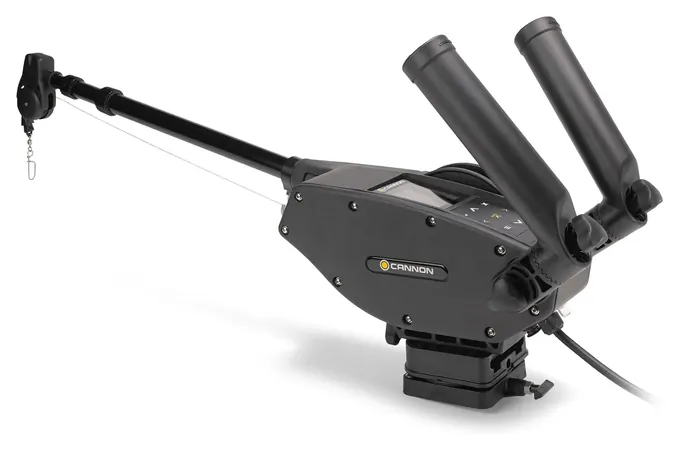
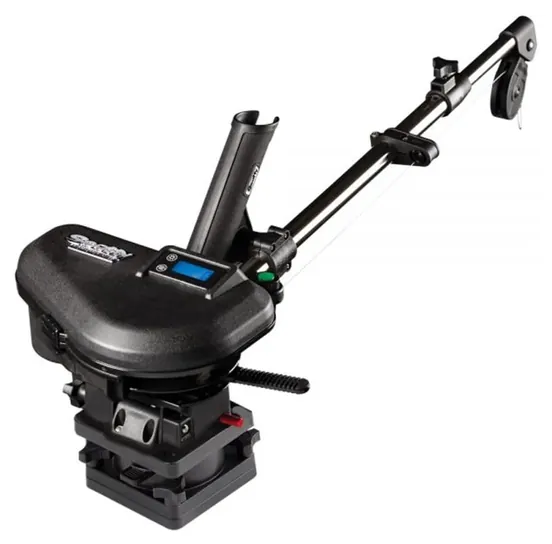
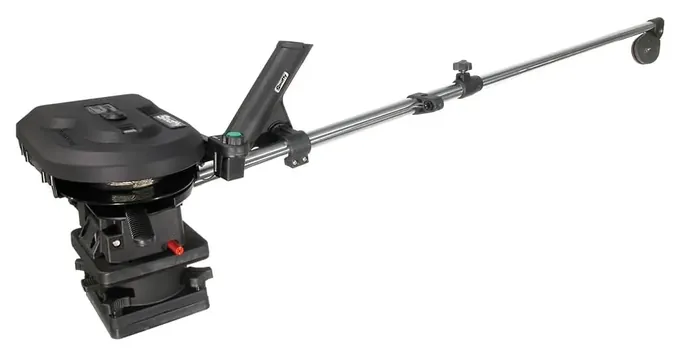
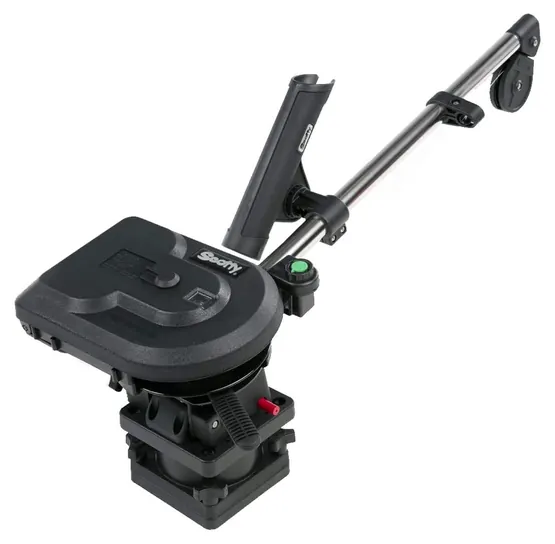
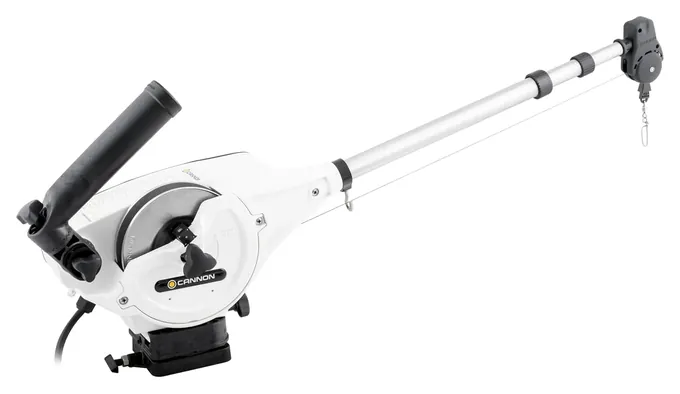
The Cannon Optimum stays on top. Its screen, depth presets and bottom tracking take the most work off an angler who trolls deep water for hours. The Scotty 2106 takes the place of the braided 2106B: it's the same quick unit on steel cable for less, and the braid version is still an option. We dropped the Scotty 1116 Propack, which is a Scotty 1106 Depthpower with a second rod holder.
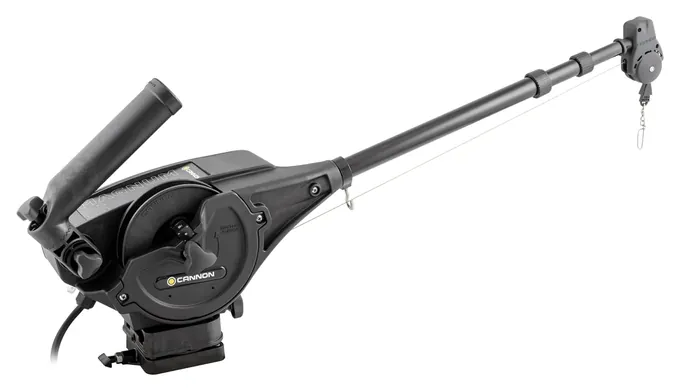
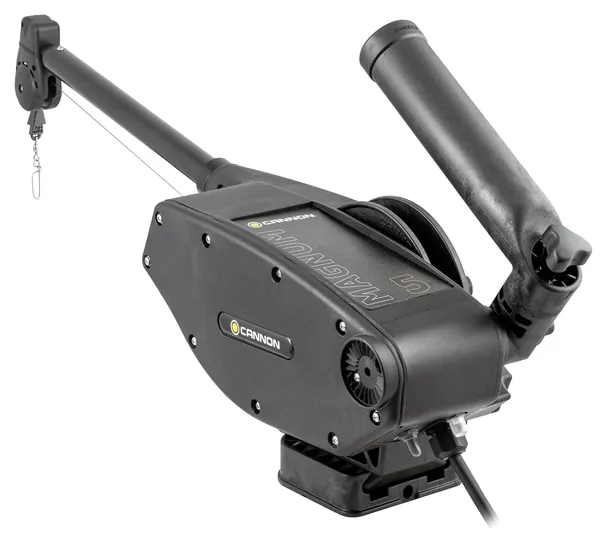
The Cannon Magnum 10 and the Scotty 1106 Depthpower stay. Three new picks cover small boats and salt water: the Cannon Magnum 5 ST, the Scotty 1101 Depthpower and the Cannon Magnum 10 TS.
The most useful evidence was Cannon's rigging requirements, which set the fuse, wire size and battery for each unit, alongside Scotty's installation manual, a salmon guide's notes on the riggers he has fished with, and owner threads on Lake Ontario forums about broken cables and repairs.
Earlier notes
March 8, 2021, by Brett Dvoretz:
The truth is that there are very few options to choose from when it comes to electric downriggers, even less so if you want high-quality units, which is why this list has a limited selection. One of the changes we made during this update was to replace the Cannon Digi Troll 10 with the Cannon Optimum. While both feature a digital depth counter, the Optimum offers wireless connectivity, allowing you to check its data and control it from your mobile device or connected fishfinder. It is available in a standard or tournament model, the latter of which has a stainless steel spool.
We also removed the Cannon Digi Troll 5 as it seems to have been discontinued by the manufacturer, and since we already have the Optimum as a model with a digital depth counter, we added the Cannon Magnum 10 as good analog model, since some people worry that digital depth counters can malfunction. The validity of this worry is actually evidenced by the Scotty 2106B High Performance. Despite that, we still think the 2106B is worthy of inclusion since it offers a lot of great features when it works correctly, and it is covered by a lifetime warranty, so even if it does malfunction, you shouldn't have to worry about any costs for replacing or fixing it.
January 8, 2019, by Brett Dvoretz:
The whole point of an electric downrigger is to make your life easier, not more complicated. That's why we focused on models that are touted for having simple operation. To truly help you put more fish in the boat though, they need to have useful features like depth settings, bottom tracking, footage counters, and fast retrieval, so we made these factors a top priority as well.
Boom Reach, Ball Weight And Line
Braid, as on the Scotty 2106B, is rated at 250 pounds and is thinner in the water, so it makes less drag, but it costs more.
Match the boom to the boat. A short fixed arm, about 24 to 30 inches, suits small aluminum boats and rails, where a long boom would hang in the way. Bigger boats with wide transoms or tall sides need a telescoping boom that reaches 53 to 60 inches, so the cable clears the hull and the downrigger lines stay apart. Most telescoping models, such as the Cannon Magnum 10 and the Scotty 1106 Depthpower, slide between short and long settings.
Ball weight sets how deep and how straight the line runs. A heavier ball runs straighter in deep or fast water, but retrieve speed drops as the ball gets heavier. Scotty rates its 1106 at 235 feet a minute with a 7-pound ball and 203 with 15 pounds. The Trout and Steelhead downrigger guide puts the Scotty 2106 at about 312 feet a minute with a 10-pound ball and 260 with 20 pounds.
Most units come spooled with stainless steel cable rated around 150 to 180 pounds. Braid, as on the Scotty 2106B, is rated at 250 pounds and is thinner in the water, so it makes less drag, but it costs more. Scotty's high-performance line page covers both versions.
Electric Or Manual
A manual downrigger is a hand crank on the same kind of base, and it costs a fraction of an electric unit. It has fewer parts to fail and needs no wiring. It makes sense for anglers who fish shallow water or set lines a few times a day.
An electric unit earns its cost when you fish deep and reset often. Bringing a ball up from 100 feet by hand takes a lot of cranking, while an electric does it in well under a minute and stops at the surface on its own. Models with a screen, such as the Cannon Optimum, add preset depths, depth cycling and bottom tracking with a compatible fish finder. Those features matter most to people who troll over changing bottoms or run several riggers at once.
The trade-offs are cost, weight and power. Electric units weigh roughly 20 to 30 pounds, need a dedicated battery circuit, and add a motor, switch and plugs that salt and spray can attack. The Trout and Steelhead buying guide covers how a working guide weighs the two.
Wiring, Batteries And Safe Handling
Both makers spell out the electrical rules. Electric downriggers run on 12 volts DC only, never on a 24-volt bank. Each one needs a 30-amp fast-blow fuse or breaker within 7 inches of the battery, according to Scotty's installation manual.
Cannon's rigging requirements give wire sizes by run length: 10 AWG up to about 15 feet, 8 AWG from 15 to 25 feet, and 6 AWG from 25 to 30 feet. Cannon allows no more than two downriggers on one dedicated battery and recommends a Group 27 or 31 flooded battery or a lithium battery of 75 amp-hours or more. Scotty advises unplugging its units when they're not in use.
The main hazard on deck is the ball itself. A heavy weight swinging at the surface can crack a hull or hit a hand, so use the automatic stop and keep the ball just under the water in rough seas. Keep fingers clear of the spool and cable while the motor runs, and bolt the base down with stainless hardware rated for the load. Line limits per angler vary by state and province, so check local rules before running extra rods.
How we researched this
We compared 15 electric downriggers and variants from Cannon, Scotty and one trap-puller maker, read Cannon's rigging requirements and Scotty's installation manual, studied a fishing guide's write-up of the units he has fished, read owner threads on Great Lakes fishing forums, and checked each brand against U.S. Consumer Product Safety Commission recalls. No downrigger recall turned up, and we found no independent lab tests of downriggers.
Sources (6)
Frequently asked questions
Is an electric downrigger worth it over a manual one?
It is if you fish deep or reset lines often. An electric brings the ball up in seconds and stops at the surface by itself. For shallow water and a few sets a day, a manual unit costs far less and has fewer parts to fail.
Should I buy Cannon or Scotty?
Both are long-standing makers with lifetime warranties on many models. Scotty units tend to cost less and Scotty claims low current draw and fast retrieves. Cannon offers an automatic surface stop across its electrics and, on the Optimum, a screen with presets and bottom tracking.
What battery do I need for an electric downrigger?
Cannon recommends a dedicated Group 27 or 31 flooded battery or a lithium battery of at least 75 amp-hours, with no more than two downriggers on it. Use 12 volts only, and fit a 30-amp fuse within 7 inches of the battery.
How long should the boom be?
About 24 to 30 inches suits small boats and rail mounts. Larger boats with wide transoms or tall sides need a telescoping boom that reaches 53 to 60 inches, so the cable clears the hull.
Steel cable or braided line?
Stainless cable is standard, cheap to replace and tough. Braid, used on versions like the Scotty 2106B, is thinner and stronger for its size and makes less drag, but it costs more.