The 5 Best Kotatsu Tables
Updated by · How we research

Five kotatsu tables compared on U.S. voltage, size, wood and folding legs. The Yamazen ESK-751 leads for its reversible top, simple setup and fair price. When users buy our independently chosen editorial picks, we may earn commissions to help fund the Wiki.
Most kotatsu sold in the U.S. are built for Japan's 100-volt power, so the first thing to check is whether a table plugs straight into an American outlet or needs a step-down transformer. The thick blanket that holds the heat is usually extra, too. These tables suit anyone who wants a warm spot on the floor without heating a whole room.


Editor's Notes
October 26, 2026, by Ezvid Wiki Admin:
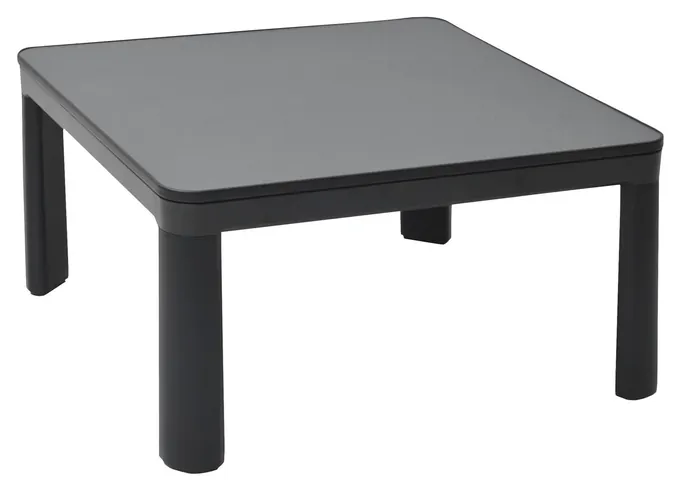
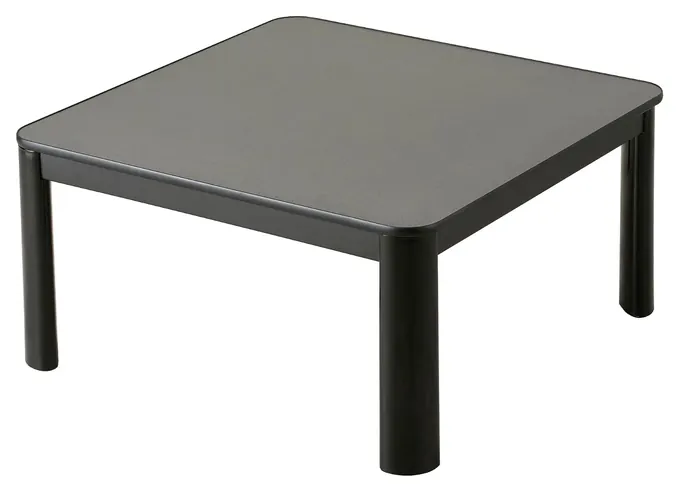
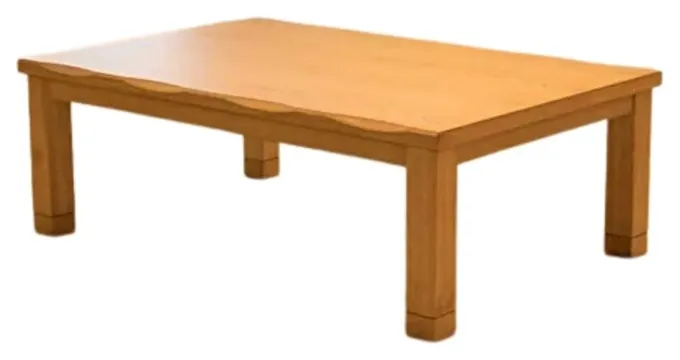
The Yamazen ESK-751 holds the top spot. It costs about half what the wood tables do, it has the deepest pool of owner feedback of any kotatsu sold here, and its reversible top keeps it useful after winter. The bigger change is power. Japanese heaters run on 100 volts, so we added two tables wired for American outlets, the KEN JAPAN KB-75US and the BJDesign 47x31, for readers who don't want a transformer on the floor.
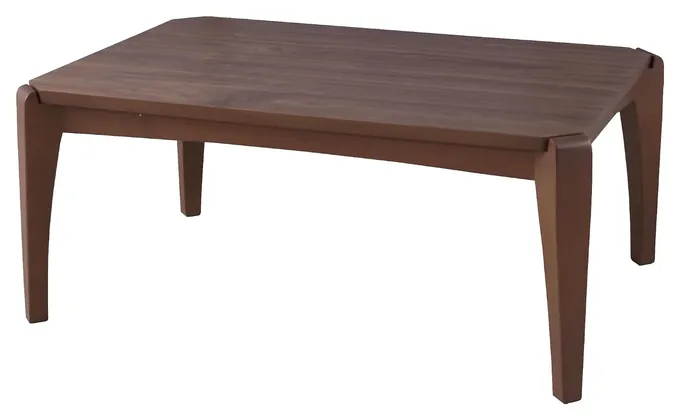
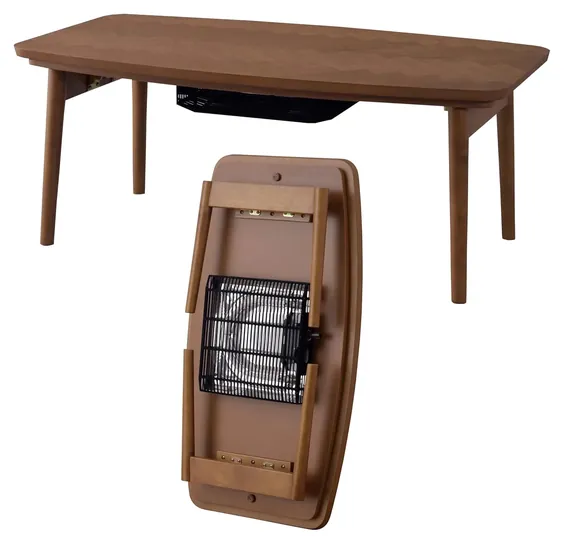
The Azumaya KT-109 and the Azumaya KT-111 stay for their wood tops and, on the KT-111, legs that fold flat. Five tables left the list: the LZG Blue Jacquard and the Tables Coffee Kotatsu are gone, and the Azumaya Corona-120, the MustMat Kotatsu and the Yamazen HFL-754H have vanished from sale. We also dropped the tatami chair, which isn't a kotatsu.
For this update we checked each heater's voltage and wattage, compared table sizes with Japanese buying guides, and read owner reports on warmth and wobbly legs. Few kotatsu are sold in the U.S., so the list stops at five rather than padding it with no-name sets.
October 06, 2020:
Kotatsu tables are a great way to keep your lower body warm during cold periods, however, there are a few things to note before purchasing and using your own heated table. Firstly, it is not recommended to sleep under the Kotatsu table. This is owing to the fact that during sleep we often experience unconscious movement, which may result in body parts touching the heater, or the blanket getting caught up in the heating elements. There is also a risk of dehydration and overheating. For the same reasons, children and pets should not be left unattended around the Kotatsu table. It is not recommended to dry clothes, or cook on the table, nor should you leave the table switched on when you leave the house. With the exception of the MustMat Kotatsu, all of the items on our list use 100 or 220 volts, so you will likely need a voltage converter to use them in the USA.
You'll notice that most of the items on our list are sold without the accompanying quilt or floor mat. If you wish to create your own Japanese-style setup in your home, you can combine the Kotatsu table with a quilt of your choosing and a beautiful tatami mat to establish an arrangement that suits your decor. In this category, the Yamazen ESK-751 caught our eye due to its sturdiness and reasonable price. It features a reversible tabletop, so you can switch between light or dark gray depending on the season or the blanket you choose. If you only intend to use your table occasionally, the Azumaya Japan Folding is an excellent option as the legs conveniently collapse for storage. Similarly, the supports of the Azumaya Corona-120 can also be folded away when not in use. This one is also worth a look if you intend to host four people at your table.
If you'd prefer to purchase a complete set, the Tables Coffee Kotatsu and the LZG Blue Jacquard are decent options. Both sport polyester blankets, include mats with non-slip bases to help prevent them from sliding around on hardwood flooring or carpet, and their wooden tables feature heating units with protective guards. However, the former is considerably more expensive than the latter.
100 Volts Or 120: The Plug Question
Plugged into a 120-volt American outlet, a 100-volt heater runs somewhat hotter than designed.
Japan's household power runs at 100 volts, and most kotatsu imported from there keep their Japanese heaters. The Yamazen ESK-751 uses a 300-watt quartz heater built for 100 volts (animeimpulse), and the Azumaya heaters are 100-volt units as well. Plugged into a 120-volt American outlet, a 100-volt heater runs somewhat hotter than designed. Many owners do it anyway with the dial turned down, but the sellers suggest a converter.
The safer route is a step-down transformer rated well above the heater, at least 500 watts for a 300-watt unit, which leaves room to spare. The other route is a table wired for 120 volts from the start, such as the KEN JAPAN KB-75US or the BJDesign 47x31. A third option is a 120-volt replacement heater, sold on its own; it's also how you fix a table whose original heater fails, so check that its mounting fits the frame first.
Size, Heater Type And The Blanket
Match the table to the people under it. Japanese guides put one or two people at a table about 75 to 80 centimeters across, and three or four at one about 100 to 150 centimeters long (Inaka House). Most tables stand about 15 inches tall, which works for sitting on cushions on the floor.
Look under the top as well. A quartz tube heater, the usual kind, hangs about 7 centimeters below the frame and is easy to replace. A flat carbon heater is only about 2 centimeters deep and leaves more room for knees, but it tends to run cooler (Inaka House).
The blanket matters as much as the heater. A kotatsu futon drapes between the frame and the loose top and traps the warm air around your legs (Japan Objects). None of the tables on this list includes one. Expect a futon of roughly 75 to 95 inches square to add around a hundred dollars, and many people add a second, thinner blanket on top for spills.
Using A Kotatsu Safely
A kotatsu heats only the space under the blanket, which is why it costs little to run. The Yamazen's maker lists a 300-watt maximum and far less once the thermostat cycles, so an evening on low costs a few cents. Napping under one is common in Japan, but sleeping there overnight is a bad idea: heat is uneven, it can dry you out, and a foot left against the heater can burn (Wikipedia).
Keep the blanket from bunching against the heater, never dry clothes under the table, and switch it off when you leave the house. Watch small children and pets, which like to crawl inside, and check the cord each winter for kinks or a cracked plug. We found no recalls of kotatsu tables in the U.S. Consumer Product Safety Commission's database (SaferProducts.gov), but an imported 100-volt heater carries no U.S. safety listing, which is one more reason to favor a 120-volt model or a properly sized transformer.
How we researched this
We compared 16 kotatsu tables, replacement heaters and blankets sold in the U.S., read the makers' and sellers' specifications for heater voltage, wattage, size and materials for the five finalists, checked them against Japanese buying guides, analyzed owner feedback on warmth, assembly and sturdiness, and searched the CPSC's recall database, which lists no kotatsu recalls.
Frequently asked questions
Can a Japanese kotatsu run on U.S. power?
Most Japanese heaters are built for 100 volts. They will run on a 120-volt outlet, but hotter than designed. A step-down transformer rated at least 500 watts, or a table wired for 120 volts, is the safer choice.
Is it safe to sleep under a kotatsu?
A short nap is common, but sleeping under one all night isn't advised. The heat is uneven, it can dry you out, and skin pressed against the heater can burn.
How much electricity does a kotatsu use?
Very little. The heaters on this list draw about 300 to 510 watts at most, and a thermostat cycles them off once the space under the blanket is warm, so an evening costs a few cents.
Why are kotatsu tables so expensive?
Most are imported from Japan, many use solid wood or wood veneer, and each one carries a built-in heater. The blanket usually adds around a hundred dollars on top.
What's the difference between a chabudai and a kotatsu?
A chabudai is a plain low Japanese table with no heater. A kotatsu has a heater fixed under the top and is meant to be used with a blanket, though it doubles as an ordinary low table in summer.