The 8 Best Microwaves
Updated by · How we research

Eight countertop microwaves compared on size, wattage, inverter heating and price, from dorm boxes to family models. The Toshiba ML-EM45PIT suits most kitchens. When users buy our independently chosen editorial choices, we may earn commissions to help fund the Wiki.
Wattage matters more than most shoppers expect: package cooking times assume an oven of about 1,000 watts or more, so a 700-watt compact needs extra time and stirring for the same frozen dinner. This guide covers countertop models only, from dorm-size boxes to family ovens, for anyone replacing a tired unit or buying a first one.


Editor's Notes
October 23, 2026, by Ezvid Wiki Admin:
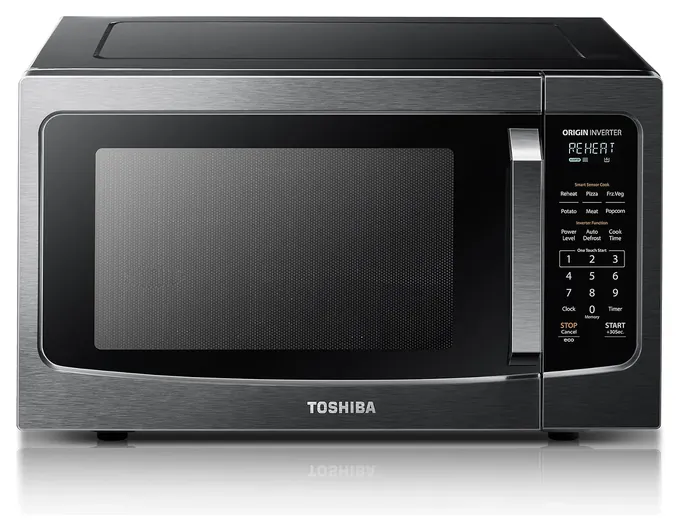
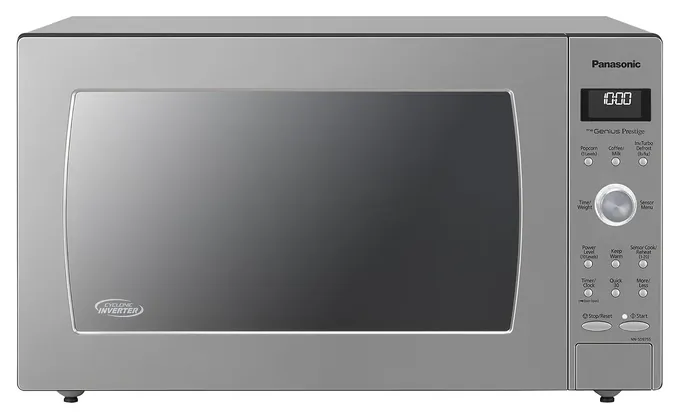
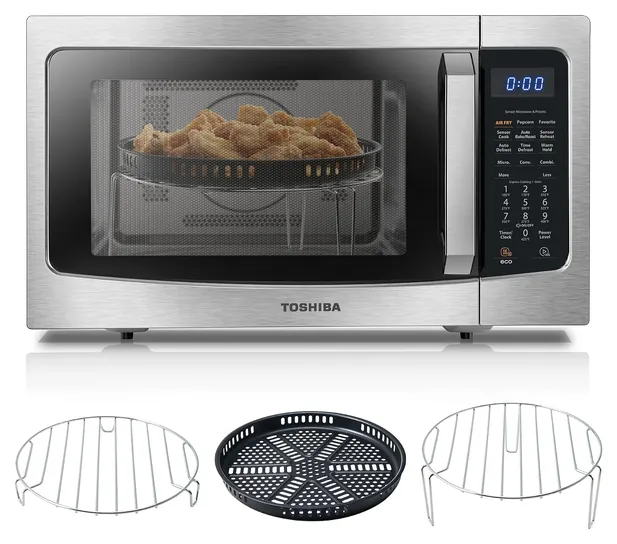
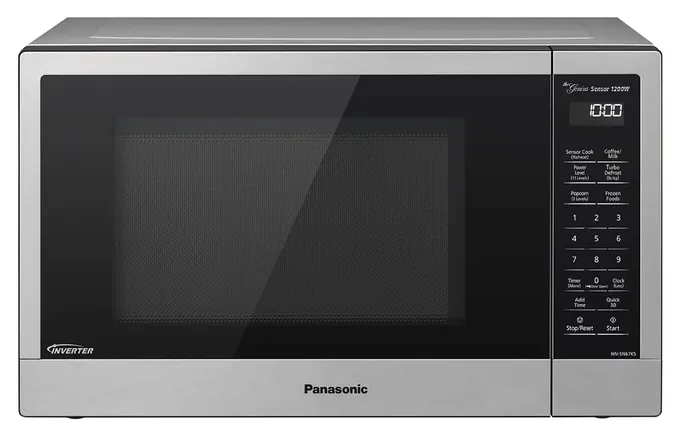
The Toshiba ML-EM45PIT now leads. It was already here in stainless, and the black version costs less; either way, it pairs steady inverter heating with room for a family pizza at a midrange price. The Toshiba ML-EC42P stays as the air fryer combo. The Panasonic NN-SN67KS stays too but slips, since its price is hard to justify on thin evidence.
Several old picks are gone because they're no longer available: the Panasonic NN-CD87KS Home Chef, the Samsung Countertop 950, the large Frigidaire, the Farberware Smart Eco Oven and the voice-controlled smart oven. The Nostalgia RMO4AQ Retro has no current stock. New picks cover budget, family, compact and quiet-kitchen needs.
TechGearLab's lab scores for 12 ovens landed close together, which told us money mostly buys space and features rather than faster heating. We also leaned on Reviewed's picks, the federal leakage standard and a June Consumer Reports letter about Toshiba ovens that start on their own. That letter is why the popular Toshiba EM131A5C isn't here.
December 02, 2020:
Many of the models included in our previous ranking have been updated by their respective companies, like the highly regarded Toshiba Healthy ML-EC42P. At first glance, much about the two models is the same, but this new model has added air frying capabilities. This is something of a trend in recent microwave development: incorporating additional features like convection ovens and air fryers, so users will have to take up less counter space than ever to get a variety of cooking options.
One model with a convection function is the Amazon Smart Oven, which doesn't feature an air fryer, but that does integrate nicely with Alexa, so you can start preheating it remotely and have dinner ready that much faster.
Another interesting development can be seen on the interior of the Samsung Countertop 950, which eschews the typical materials that bounce microwave radiation around inside your device for ceramic enamel. It's just as effective in the heating process, but it wipes clean much more easily than others and is particularly durable. If this model were a little quieter, it might have landed higher on our list.
December 19, 2019:
As microwaves gain features like weight-based sensors and internal hygrometers that can determine the mass and moisture of the foods inside, manufacturers try to find creative ways to sell these rather complex features to consumers in the simplest terms they can come up with. Unfortunately, that can cause a bit of confusion when a user expects a certain program to suddenly be able to do things automatically and to perfection. The reality is that these new-age features are aids that get these machines closer to perfection than they could before, but it's important not to expect miracles. That said, some companies seem to have a stronger hold on these new technologies than others, and Panasonic's Inverter technology is just one such example. Microwaves with this designation, like the Panasonic Compact Turbo NN-SN67KS and the Panasonic Countertop, are probably your best bet if you're sick and tired of uneven cooking in your oven.
You might also notice that a lot of our list has been either upgraded or replaced, as the sector moves surprisingly quickly to accommodate for even subtle increases in the performance of these new technologies. Models like the Whirlpool and Magic Chef from our previous ranking both had quirks that dated them somewhat, especially the Whirlpool's odd shape. And offerings like the Daewoo and Nostalgia models put too much emphasis on looks and too little on performance, topping out at 700 watts of power and providing little internal space. At least the Amazon Basics 700W we brought in has Alexa integration to modernize it.
Special Honors
Magic Chef MC110MB This basic 1.1-cubic-foot, 1,000-watt countertop oven earned the top overall score in TechGearLab's lab comparison, ahead of models costing several times more. It's sold through home-improvement, office-supply and electronics stores, and Magic Chef's site lists where to buy it. magicchef.com
Size, Wattage And What Fits Inside
Frozen-food instructions are written for full-size ovens of roughly 1,000 watts or more, so a 700-watt compact needs extra time and more stirring.
Start with what you'll put inside. A compact 0.7-cubic-foot box suits a dorm, office or one person reheating mugs and small bowls, but a standard dinner plate often won't fit; TechGearLab found exactly that with its compact pick (TechGearLab). Models around 1.1 to 1.2 cubic feet take a dinner plate and suit most couples and small families. At 1.6 cubic feet and up, the turntable grows to about 13 inches or more, which fits a 12-inch frozen pizza or a casserole dish.
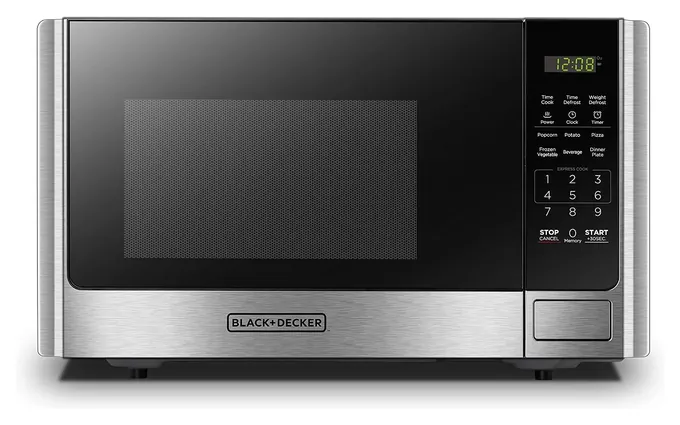
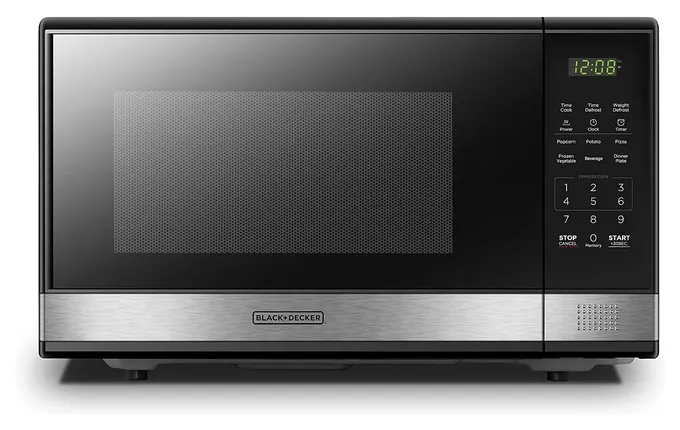
Wattage decides how closely you can follow package directions. Frozen-food instructions are written for full-size ovens of roughly 1,000 watts or more, so a 700-watt compact needs extra time and more stirring. Reviewed's budget pick, the 900-watt Black+Decker, is a fair middle ground, though Reviewed notes it isn't fast (Reviewed).
Measure the counter before you buy, and add room for air. Makers ask for open space at the sides, top and back so vents can breathe; GE, for example, calls for a few inches at the sides and top. A big oven also needs room for its door to swing fully open.
Types: Countertop, Over-The-Range, Inverter And Combo
Countertop models, the only type ranked here, plug into any outlet and cost the least. Over-the-range units replace a range hood and add a vent fan and cooktop light, but they need a wall cabinet, a vent path and usually a pro to hang them. Built-in and drawer models sit in cabinetry; some large countertop ovens, like the Panasonic NN-SD975S, accept an optional trim kit to get that look without a dedicated unit (Panasonic).
An inverter oven delivers steady partial power instead of cycling full power on and off. That helps with defrosting, softening butter and reheating dense leftovers without hot edges and cold centers (Sharp). It isn't magic. In TechGearLab's scoring, a basic non-inverter model topped the field, and most scores landed close together, so money mostly buys room and features rather than faster everyday heating.
Combination ovens add a heating element and fan, so they can bake, roast and air fry. They save counter space compared with owning a separate toaster oven, but they're heavy, the controls take learning, and air frying is slower than in a basket fryer.
Safe Use, Door Damage And When To Replace
Federal rules cap how much microwave energy can leak from an oven over its whole life, and every oven sold in the U.S. must have two door interlocks that cut power when the door opens (21 CFR 1030.10). Leaks are rare and follow physical damage, so stop using an oven with a bent door, a broken latch or a damaged seal (Health Physics Society).
Microwaves heat unevenly and leave cold spots. Food-safety guidance says to cover the dish, stir or rotate it halfway, let it stand, and check that leftovers reach 165 degrees Fahrenheit with a thermometer (Clemson Extension). Use only microwave-safe containers, and follow your manual on metal and foil.
New countertop models ship with a two-step child lock, which can confuse buyers who think the door is stuck; the manual explains how to switch it off. In June 2026, Consumer Reports asked the Consumer Product Safety Commission to look into reports of some Toshiba air-fryer combos and two microwave models starting or adding time on their own (Consumer Reports). Neither Toshiba on this list was named, and there's no recall, but unplugging an oven you rarely use is a simple precaution. Most ovens last somewhere around seven to 10 years; arcing, sparking or a slow, weak heat are signs it's time to replace one.
How we researched this
We compared 19 countertop microwaves, including every model from the previous version of this list, read makers' specification pages and two independent lab roundups, analyzed owner feedback patterns, reviewed federal radiation and food-safety guidance, and checked every brand against Consumer Product Safety Commission recall records and a June 2026 Consumer Reports safety letter.
Sources (10)
- TechGearLab: The 12 Best Microwaves
- Reviewed: The Best Countertop Microwaves
- Panasonic: NN-SD975S features and specifications
- Sharp: What is a microwave with inverter technology?
- 21 CFR 1030.10: Microwave ovens
- Health Physics Society: Microwave ovens
- Clemson Cooperative Extension: Microwave food safety
- Consumer Reports: letter to CPSC on self-activating Toshiba ovens
- Sears Home Services: How long do microwave ovens last?
- CPSC recalls
Frequently asked questions
Is an inverter microwave worth it?
It's worth it if you defrost or reheat dense food often. Steady low power thaws meat and reheats leftovers more evenly. For popcorn, drinks and frozen meals, a basic model does nearly as well; a non-inverter oven earned the top score in TechGearLab's lab comparison.
What size microwave do I need?
About 0.7 cubic feet for a dorm or office, 1.1 to 1.2 cubic feet for most homes, and 1.6 cubic feet or more if you want to fit a 12-inch pizza or a casserole dish. Check that the turntable is wider than your largest plate.
What are the different types of microwaves?
Countertop models sit anywhere with an outlet. Over-the-range units replace a range hood and add a vent fan. Built-in and drawer models sit in cabinetry. Combination ovens add convection baking and air frying, and inverter models deliver steady low power for more even defrosting.
How long does a microwave last?
Repair services commonly estimate about seven to 10 years. Replace it sooner if the door is bent, the seal is damaged, it sparks without metal inside, or it heats much more slowly than it used to.
Are microwaves safe?
Yes, when the door, hinges and seal are intact. Federal rules limit leakage over an oven's whole life and require two interlocks that shut it off when the door opens. Leaks come from physical damage, so stop using an oven with a damaged door.
Why won't my new microwave start?
Many new countertop models ship with a two-step child lock turned on. The manual lists the button sequence to switch it off; on many models you press and hold one key for a few seconds.