The 10 Best Phono Preamps
Updated by · How we research

Ten phono stages for magnet and coil cartridges, from cheap fixes to balanced units, compared by gain, loading, filters and warranty. iFi's Zen Phono 3 leads. When users buy our independently chosen editorial picks, we may earn commissions to help fund the Wiki.
A turntable's raw signal is tiny, with its bass cut and treble boosted, so it needs a phono stage to restore both before any amp or speaker can use it. Many turntables and receivers already have one, so check for a PHONO/LINE switch or a PHONO input first. This list is for setups that lack it.


Editor's Notes
October 23, 2026, by Ezvid Wiki Editors:
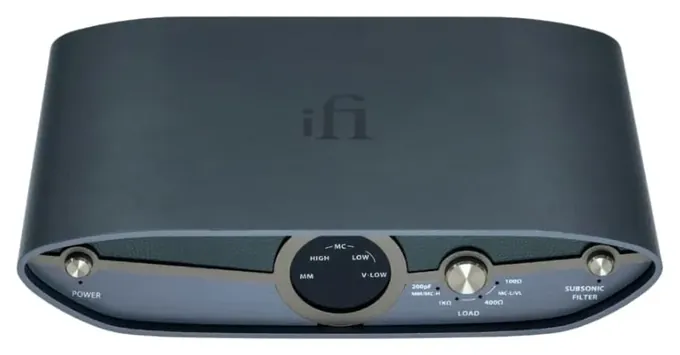
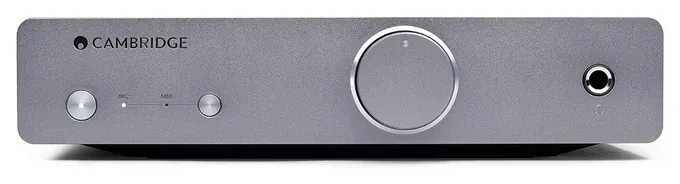
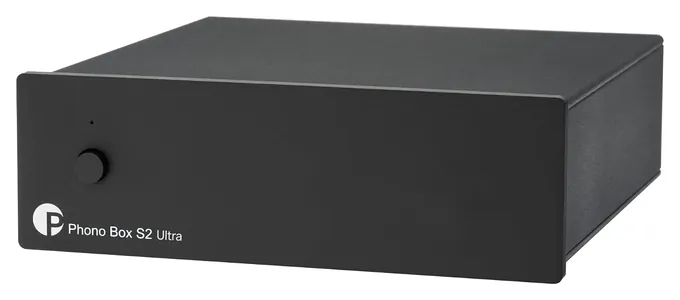
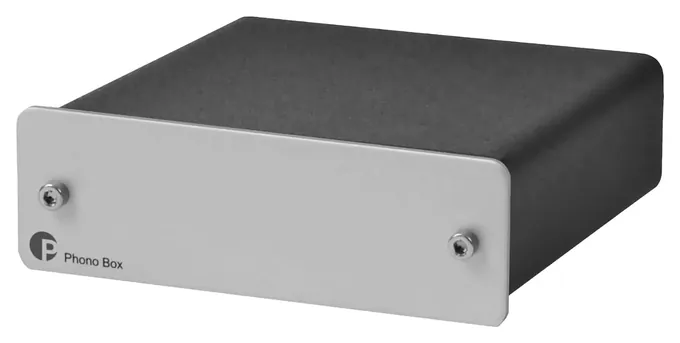
The iFi Zen Phono 3 takes the top spot. It sets gain and cartridge loading separately, so it can serve a basic magnet cartridge today and a very low-output coil later without being replaced. Two picks carry over from the old list, the Cambridge Audio Alva Duo and the Pro-Ject Phono Box S2 Ultra.
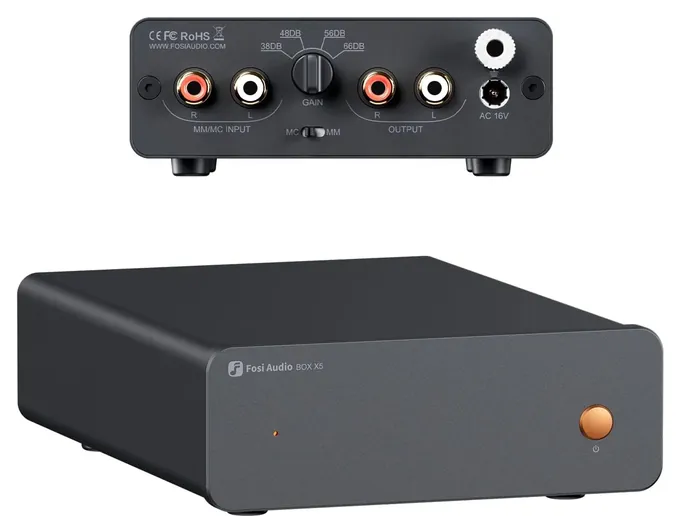
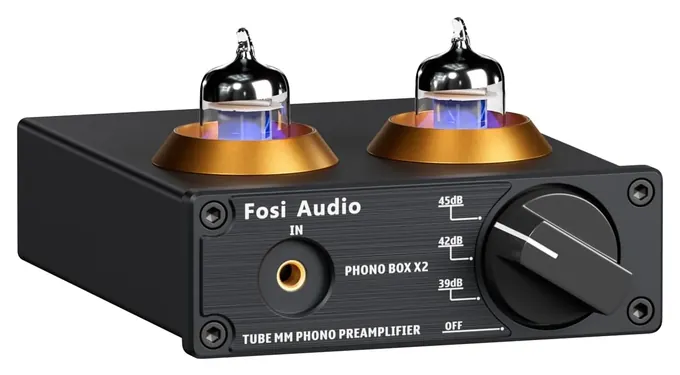
The Rega Aria V2, Musical Fidelity M6 Balanced and Music Fidelity V90-LPS Stage have left the market, and the iFi Audio Zen gave way to the newer model. The Art USB Plus, Technolink TC-756USB RIAA and Pyle Mini went because of thin availability and little to judge them by, and the Rolls Bellari VP549 now does less than cheaper boxes. New picks add a budget coil option in the Fosi Audio Box X5, a tube stage and a fully balanced one. Rega's current phono stages, favorites in the hi-fi press, had no listing we could check, so they appear under special honors.
The deciding evidence was each maker's table of gain and input loading, because a phono stage only works well when those numbers match the cartridge's output.
Earlier notes
February 5, 2021, by Luke Mitchell:
While their primary function is as line-level signal boosters, a phono preamp can make a notable difference to the quality of the audio coming from your record deck. In particular, the sub-sonic, or "rumble" filters, such as those found on the Rolls Bellari VP549, Cambridge Audio Alva Duo, and iFi Audio Zen, are effective in removing the low-frequency noise associated with damaged or degraded vinyl.
The latter two mentions are new inclusions on this latest update and represent two mid-priced options that produce impressive results, as well as being aesthetically pleasing. We also upgraded the Pro-Ject Audio Box S2 to the Pro-Ject Phono Box S2 Ultra, which features improved circuitry that includes audiophile-quality polystyrene capacitors.
At the pro-audio end of our list, we included the Rega Aria V2, which is the flagship model from this much-lauded brand. Providing punchy and highly responsive sound with analog warmth in abundance, this expensive option demands a worthy turntable to match its class. On the other end of the spectrum, the reliable Pyle Mini offers a simple and affordable solution to getting signal into your amplifier, as well as optional 9-volt battery power and a 1/4-inch output jack.
January 6, 2020, by Daniel Imperiale:
Since our last visit to this ranking, a number of more recently developed models by trusted brands have proven themselves worthy to take the place of the standard-bearers that they were meant to dethrone. We can now safely say, for example, that the increased size and cost of the Rolls Bellari VP549 as compared to its predecessor, the compact and reliable VP29, are more than justified by the newer model's audio fidelity and performance. Its rumble filter is particularly adept at controlling unwanted hum and low-frequency noise that other models may neglect in favor of tackling more traditional high-end interference that doesn't plague the Rolls, to begin with.
We also included the phenomenal Musical Fidelity M6 Balanced, which is decidedly intended for professionals, not just because it's capable of combining signals from up to three turntables, but because no one but professionals (or madly enthusiastic audiophiles) would pay what the company wants for it. There are other DJ-targeted models out there, like the Art USB Plus, but this one takes the cake. That Art model is also an upgrade, it's worth noting, to the Art Pro DJPre II, which was one of the most beloved models in its class for over a decade, but which was upgraded a few years back to the USB, and which has finally supplanted it as a go-to for creatives on a budget.
Special Honors
Rega Fono MM Mk5 and Aria Mk3 Rega, the British turntable maker, builds well-regarded phono stages that hi-fi magazines often name among the best, including the Fono MM Mk5 for magnet cartridges and the Aria Mk3 for magnet and coil. They're sold through Rega's dealer network. rega.co.uk
Do You Need A Phono Preamp At All?
Never stack two: a phono preamp's output is line level, so it goes into an AUX, CD or LINE input, or straight into powered speakers, and never into a second PHONO jack.
Records are cut with the bass turned down and the treble turned up, which lets grooves sit closer together and keeps surface noise in check. On playback, a phono stage reverses that curve, known as RIAA equalization, and lifts the cartridge's tiny signal to line level. Plug a turntable straight into an AUX input without one and it sounds thin, quiet and bass-shy.
Plenty of systems already have this stage built in. Many turntables carry a PHONO/LINE switch on the back, and many receivers and integrated amps have a jack marked PHONO. If either one does, you don't need a separate box. Never stack two: a phono preamp's output is line level, so it goes into an AUX, CD or LINE input, or straight into powered speakers, and never into a second PHONO jack. Crutchfield's phono preamp guide walks through the same checks.
A separate stage is still worth it when the built-in one is basic, when you upgrade to a better cartridge, or when you want features like a rumble filter or a headphone jack.
Magnet Or Coil: Matching Gain And Loading
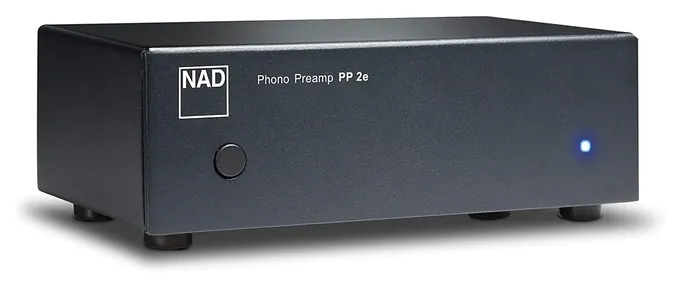
Most turntables ship with a moving magnet (MM) cartridge, which puts out a few millivolts and needs about 35 to 45 dB of gain. Moving coil (MC) cartridges put out far less and need roughly 55 to 70 dB, plus a much lower input load. NAD's PP 2e spec sheet shows the split plainly: 35 dB at 47,000 ohms for MM, 60 dB at 100 ohms for MC.
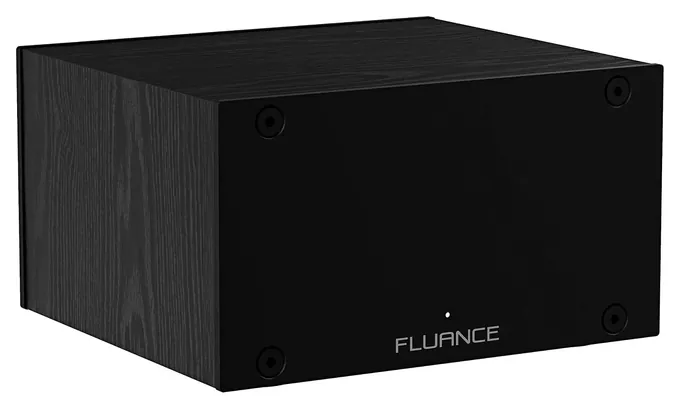
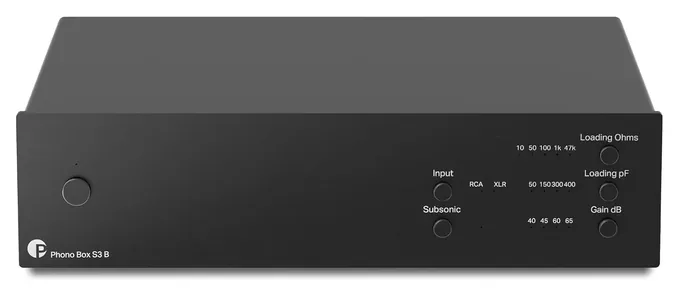
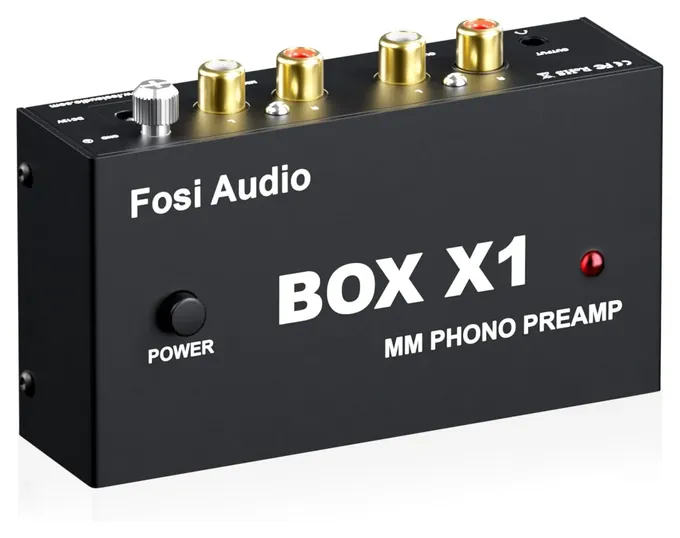
A box built only for MM, like the Fluance PA10 or Fosi Audio Box X1, can't lift a low-output coil to a usable level. If you might move to a coil cartridge, buy a stage with an MC setting now. Adjustable stages go further: the iFi Zen Phono 3 offers MM plus three coil gains up to 72 dB, and the Pro-Ject Phono Box S3 B loads from 10 to 47,000 ohms.
For MM, 47,000 ohms is the standard load and almost every stage uses it. Loading matters most with coils, so check your cartridge maker's recommended load and gain, then pick a stage that offers them.
Hum, Rumble And Recording To A Computer
Hum is the most common complaint with any phono stage, and the fix is usually the thin ground wire that comes off the turntable. Attach it to the preamp's ground post and tighten it. Keep the power adapter and its cable away from the turntable's signal leads, and use only the adapter the maker supplies.
Warped records and loud volumes can push deep, inaudible energy into the speakers, making woofer cones flap. A subsonic or rumble filter cuts that energy below about 20 Hz. The Fluance PA10, iFi Zen Phono 3, Pro-Ject Phono Box S2 Ultra and Pro-Ject Phono Box S3 B have one; most cheap boxes don't.
To save records as digital files, you need an analog-to-digital step. A regular phono preamp can feed a USB audio interface or a computer's line input, or you can buy a phono stage with USB built in. Free software like Audacity handles the recording and the track splitting.
How we researched this
We compared 18 phono preamps on sale now, read the makers' specification pages for the iFi, Fosi, Pro-Ject and NAD finalists to check gain, loading and warranty, reviewed hi-fi buying guides, screened owner feedback for recurring hum, hiss and failure patterns, and checked every brand against U.S. Consumer Product Safety Commission recall records. Updated October 23, 2026 by Ezvid Wiki Editors.
Sources (9)
- iFi Audio: Zen Phono 3
- Fosi Audio: Box X5 phono preamp
- Pro-Ject Audio: Phono Box S2 Ultra
- Pro-Ject Audio: Phono Box S3 B
- NAD Electronics: PP 2e phono preamplifier
- Wikipedia: RIAA equalization
- Crutchfield: phono preamp guide
- What Hi-Fi: best phono preamps
- U.S. Consumer Product Safety Commission: recalls
Frequently asked questions
Do I need a phono preamp?
Only if neither your turntable nor your amp or speakers has one built in. Look for a PHONO/LINE switch on the turntable or a PHONO input on the receiver. If you find either, you don't need a separate box.
Can I connect a phono preamp to powered speakers?
Yes. A phono preamp's output is line level, so it plugs into the AUX or line input of powered speakers, a soundbar or a receiver. Don't connect it to a PHONO input, which would boost the signal twice.
What's the difference between MM and MC?
Moving magnet cartridges are the common type and need about 35 to 45 dB of gain. Moving coil cartridges have a much weaker signal and need roughly 55 to 70 dB, so they only work with a stage that has an MC setting.
Do tube phono preamps sound better?
They sound different. Tubes add a warm coloring some listeners like, but they don't make playback more accurate, and they wear out and need replacing over time.
Why does my phono preamp hum?
Usually the turntable's ground wire isn't connected. Attach it to the preamp's ground post, keep the power adapter away from the signal cables and make sure the cables are fully seated.
How do I record vinyl to a computer?
Use a phono preamp with a USB output, or run a regular one into a USB audio interface, then record with free software such as Audacity.